Espresso Martini Mocktail: Easy Perfect Non-Alcoholic Recipe
Learn how to make a creamy, quick espresso martini mocktail with just 3 steps. Enjoy this easy, non-alcoholic coffee treat today.
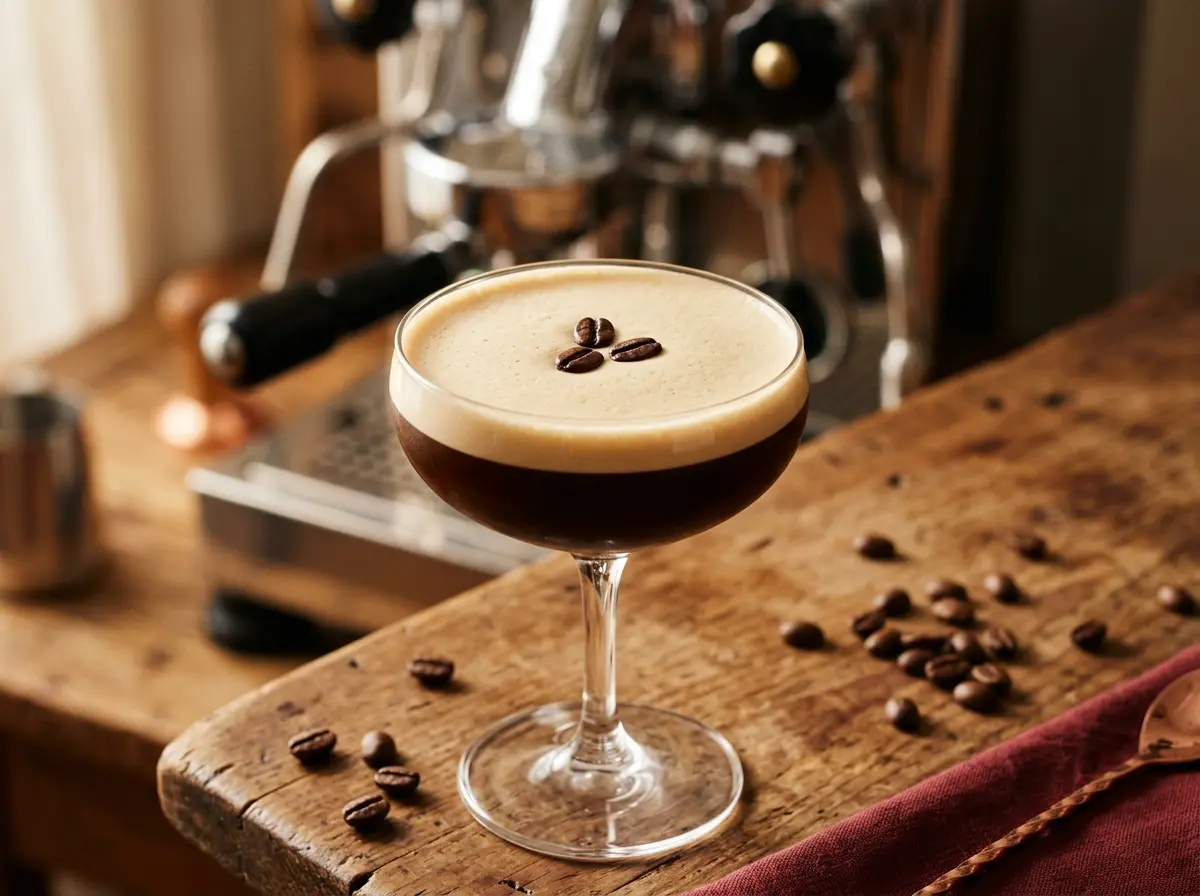
The rich aroma of freshly brewed espresso mingles with sweet vanilla and cream in this sophisticated espresso martini mocktail. This non-alcoholic version delivers all the elegance and bold coffee flavor of the classic cocktail without any alcohol.
Picture a silky foam layer crowning deep amber liquid, creating that signature martini glass presentation. Each sip combines intense espresso notes with subtle sweetness and creamy texture that rivals any upscale bar creation.
Introduction to Espresso Martini Mocktail
This virgin espresso martini transforms premium coffee into an elegant mocktail experience. The combination of strong espresso, vanilla sweetness, and luxurious foam creates a sophisticated beverage perfect for any celebration.
Coffee enthusiasts appreciate how this non-alcoholic version showcases pure espresso flavors without masking. The absence of spirits allows the coffee’s natural complexity and aromatic compounds to shine through completely.
Why Choose a Non-Alcoholic Version?
Non-alcoholic espresso martini options accommodate designated drivers, pregnant individuals, and those avoiding alcohol for health reasons. Everyone can enjoy the sophisticated flavors and elegant presentation without compromise.
The coffee mocktail recipe delivers sustained energy rather than the temporary buzz followed by crashes associated with alcoholic versions. This makes it ideal for afternoon gatherings or evening events where clarity matters.
Coffee Flavor Profile and Experience
Rich espresso forms the foundation, delivering deep roasted notes and natural caffeine energy. Vanilla sweetener balances the coffee’s inherent bitterness while cream adds luxurious mouthfeel.
The foam layer traps aromatic compounds, releasing intense coffee fragrance with each sip. This creates a multi-sensory experience that engages smell, taste, and visual appeal simultaneously.
Ingredients Overview
Quality ingredients determine the final mocktail’s sophistication and flavor depth. Fresh espresso provides the essential coffee base, while natural sweeteners enhance without overpowering.
Cream or milk alternatives contribute to texture and visual appeal. The foam layer requires specific technique and ingredient ratios to achieve that signature martini presentation.
Key Ingredients and Possible Substitutions
Fresh espresso shots deliver optimal flavor intensity and aromatic oils essential for authentic taste. Cold brew concentrate works as an alternative but produces slightly different flavor notes.
Heavy cream creates the richest foam, while half-and-half offers lighter texture. Plant-based alternatives like oat milk or coconut cream work beautifully for dairy-free versions.
Vanilla bean paste provides more complex flavor than extract, with visible specks adding visual appeal. Pure vanilla extract remains an excellent substitute when bean paste isn’t available.
Natural Sweetener Alternatives
Simple syrup dissolves easily and blends seamlessly into cold preparations. Maple syrup adds subtle caramel notes that complement coffee’s natural flavors beautifully.
Date syrup offers natural sweetness with minimal processing, while stevia provides sugar-free options for diabetic-friendly versions. Honey works well but may crystallize in very cold preparations.
Step-by-Step Preparation
Proper technique ensures consistent results and that signature foam layer. Temperature control and timing play crucial roles in achieving professional-quality texture and presentation.
Brewing the Perfect Espresso
Use freshly ground coffee beans within two weeks of roasting for optimal flavor extraction. A fine grind size ensures proper extraction during the short brewing time.
Brew espresso at 190-196°F for 25-30 seconds to extract balanced flavors without bitterness. Allow the shots to cool slightly before mixing to prevent ingredient separation.
Double shots provide sufficient coffee intensity for the homemade coffee cocktail. Single shots may result in weak flavor that gets lost among other ingredients.
Mixing and Shaking Techniques for Ideal Foam
Vigorous shaking for 15-20 seconds creates the essential foam layer through emulsification. Use a cocktail shaker filled with ice to achieve proper temperature and texture.
The shaking motion should be firm and consistent, allowing ingredients to blend while incorporating air. Insufficient shaking results in poor foam development and separation.
Strain immediately after shaking to preserve foam structure. Extended contact with ice dilutes the mixture and breaks down the carefully created foam layer.
Adding Creamy and Flavorful Elements
Add cream gradually while the espresso is still warm to prevent curdling. Cold cream mixed with hot coffee can create unpleasant texture and appearance issues.
Vanilla and sweetener integrate best when added before shaking. This ensures even distribution throughout the mixture rather than concentrated pockets of flavor.
Tips and Tricks
Professional techniques elevate this easy espresso martini mocktail from basic to extraordinary. Understanding the science behind foam formation and flavor balance ensures consistent success.
Troubleshooting Foam Issues
Insufficient foam often results from inadequate shaking time or worn-out cream. Fresh, cold cream with higher fat content produces superior foam structure and stability.
Over-shaking can break down foam proteins, resulting in flat, unappealing texture. Stop shaking once you hear the sound change to a more liquid swooshing motion.
Temperature differences between ingredients affect foam formation significantly. Ensure all components except espresso are properly chilled before combining and shaking.
Adjusting Sweetness and Flavor
Start with less sweetener than you think necessary, as coffee’s bitterness becomes more pronounced when cold. You can always add more, but removing excess sweetness proves difficult.
Taste after initial preparation and adjust gradually using simple syrup for easy integration. Granulated sugar doesn’t dissolve well in cold preparations and creates gritty texture.
Garnish and Presentation Ideas
Three coffee beans floating on the foam represent health, wealth, and happiness in Italian tradition. This classic garnish adds authentic touch and visual appeal.
Cocoa powder dusted lightly over the foam creates elegant contrast and subtle chocolate notes. Use a fine-mesh strainer for even distribution without clumping.
Cinnamon sticks provide aromatic garnish that complements coffee flavors beautifully. Orange zest offers unexpected citrus brightness that enhances the overall complexity.
Variations
Multiple variations accommodate different dietary needs and flavor preferences. Each adaptation maintains the core espresso martini character while offering unique benefits.
Dairy-Free Espresso Martini Mocktail
Coconut milk provides natural richness and creates excellent foam when properly chilled. Full-fat coconut milk works better than light versions for texture and flavor development.
Oat milk offers neutral flavor that doesn’t compete with coffee while producing creamy consistency. Barista-style oat milk formulations foam particularly well in this application.
Cashew cream creates luxurious texture rivaling dairy versions when blended with cold espresso. Soak raw cashews overnight and blend with minimal water for best results.
Sugar-Free and Low-Calorie Options
Stevia extract provides intense sweetness without calories or blood sugar impact. Start with tiny amounts as stevia can create bitter aftertaste when overused.
Sugar-free coffee mocktail versions maintain full flavor while reducing calories significantly. Monk fruit sweetener dissolves easily and provides clean sweetness without artificial aftertaste.
Unsweetened almond milk reduces calories while maintaining creamy texture essential for proper foam formation. Add vanilla extract to enhance flavor depth without added sugars.
Iced and Party-Size Preparations
Batch espresso martini mocktail preparation requires scaling ingredients proportionally while maintaining proper ratios. Prepare base mixture in large pitcher and shake individual servings for optimal foam.
Ice quality affects final flavor and presentation significantly. Use fresh, odor-free ice cubes rather than freezer-burned ice that imparts off-flavors to delicate coffee notes.
For parties, pre-brew espresso and allow complete cooling before service time. This prevents last-minute rushing and ensures consistent temperature throughout the event.
Serving Suggestions
This sophisticated mocktail pairs beautifully with desserts and works perfectly for various occasions. The coffee base makes it ideal for after-dinner service or afternoon gatherings.
Ideal Occasions and Pairings
Dinner parties benefit from this elegant alternative that satisfies without interfering with conversation or decision-making. The caffeine provides gentle energy boost for evening socializing.
Chocolate desserts complement the coffee flavors naturally, creating harmonious flavor combinations. Try pairing with caramel macchiato inspired treats for coffee-themed menus.
Business meetings and networking events appreciate the professional presentation and energy-boosting properties. This creates positive impressions while maintaining clear thinking throughout discussions.
Make-Ahead and Storage
Proper storage techniques maintain flavor quality and allow convenient preparation for entertaining. Understanding shelf life prevents waste while ensuring food safety standards.
How to Store and Shelf Life
Prepared mocktails maintain best quality for 24-48 hours when refrigerated in sealed containers. Beyond this timeframe, coffee flavors begin deteriorating and cream may separate.
Store base ingredients separately for longer shelf life and better texture control. Combine fresh espresso with other ingredients just before serving for optimal foam development.
Freeze leftover espresso in ice cube trays for future mocktail preparation. These coffee cubes prevent dilution while maintaining strong flavor throughout the drinking experience.
Batch Preparation Tips
Pre-measure dry ingredients and store in labeled containers for quick assembly. This streamlines the process during busy entertaining periods without compromising quality.
Brew espresso in larger quantities and store refrigerated for up to three days maximum. Fresh coffee provides better flavor than week-old preparations, even when properly stored.
Consider offering a non-alcoholic kahlua mocktail variation alongside traditional versions for expanded menu options.
Espresso Martini Mocktail
Equipment
- Cocktail Shaker
- Fine mesh strainer
- Jigger or Measuring Cup
- Martini Glasses
- Coffee Grinder
Ingredients
- 4 oz Strong Espresso or Cold Brew Coffee cooled to room temperature, decaf option available
- 2 oz Vanilla Syrup homemade or store-bought, maple syrup works as natural alternative
- 2 oz Heavy Cream or Coconut Cream chilled, use coconut cream for dairy-free option
- 1 oz Date Syrup or Maple Syrup natural sweetener, adjust to taste
- 1 cup Ice Cubes for shaking
- 3 Coffee Beans for garnish, preferably espresso roast
Instructions
- Add the cooled espresso or cold brew, vanilla syrup, heavy cream (or coconut cream), and date syrup to a cocktail shaker filled with ice.
- Secure the shaker lid and shake vigorously for 15-20 seconds until well combined and frothy. The vigorous shaking is essential for creating the signature foam layer.
- Double strain the mixture through a fine mesh strainer into chilled martini glasses to remove ice fragments and ensure smooth texture.
- Garnish each glass with 3 coffee beans floated on top of the foam for traditional presentation and aromatic appeal.
- Serve immediately while the foam is at its peak for the best visual and textural experience.
Notes
Shake vigorously for 15-20 seconds minimum to achieve proper emulsification and foam creation. Use a firm, consistent motion. FOAM TROUBLESHOOTING:
If foam doesn't form properly, ensure cream is well-chilled and shake longer. Adding a small amount of aquafaba (chickpea liquid) can help stabilize foam for dairy-free versions. MAKE-AHEAD:
Espresso base can be prepared up to 24 hours in advance and stored refrigerated. Shake with cream and ice just before serving for optimal foam. STORAGE:
Best consumed immediately. If needed, prepared mocktails can be refrigerated for up to 2 hours, but will require re-shaking before serving. SUBSTITUTIONS:
For evening enjoyment, use decaf espresso. Replace heavy cream with coconut cream or oat milk for dairy-free. Maple syrup or agave can substitute date syrup.
Nutrition Highlights (Per Serving – Approximate)
Understanding your food’s composition is key to balanced eating. Here is an approximate nutritional breakdown calculated for a standard serving based on wholesome preparation guidelines:
Culinary Selection Notes
- Adjusting sweetener densities or using refined-sugar alternatives will directly optimize the overall glycemic load without breaking structural balance.
- Focusing on high-quality whole fats maximizes trace micronutrient retention across low-temperature or baking environments.
Frequently Asked Questions (FAQ)
Can I make this mocktail without an espresso machine?
Strong cold brew concentrate or French press coffee works as alternatives. Use double-strength preparation to maintain proper coffee flavor intensity throughout the mixing process.
How long does the foam layer last?
Properly created foam maintains structure for 10-15 minutes under ideal conditions. Temperature changes and vibration cause faster deterioration, so serve immediately after preparation.
What’s the best glass for serving?
Traditional martini glasses showcase the elegant presentation beautifully. Coupe glasses work equally well and may be more practical for parties due to their stability.
Can I prepare a decaf version?
Decaffeinated espresso maintains all flavors while eliminating caffeine content. This makes the espresso martini variations suitable for evening service without sleep disruption concerns.
For more coffee-inspired beverages, explore our homemade frappuccino recipe for additional caffeinated treats that complement this sophisticated mocktail perfectly.