Iced Green Tea: Easy Refreshing Recipe Perfect for Summe
Discover easy, refreshing iced green tea recipes with simple steps and wholesome ingredients. Perfect for quick, healthy cooling. Get the recipe today.
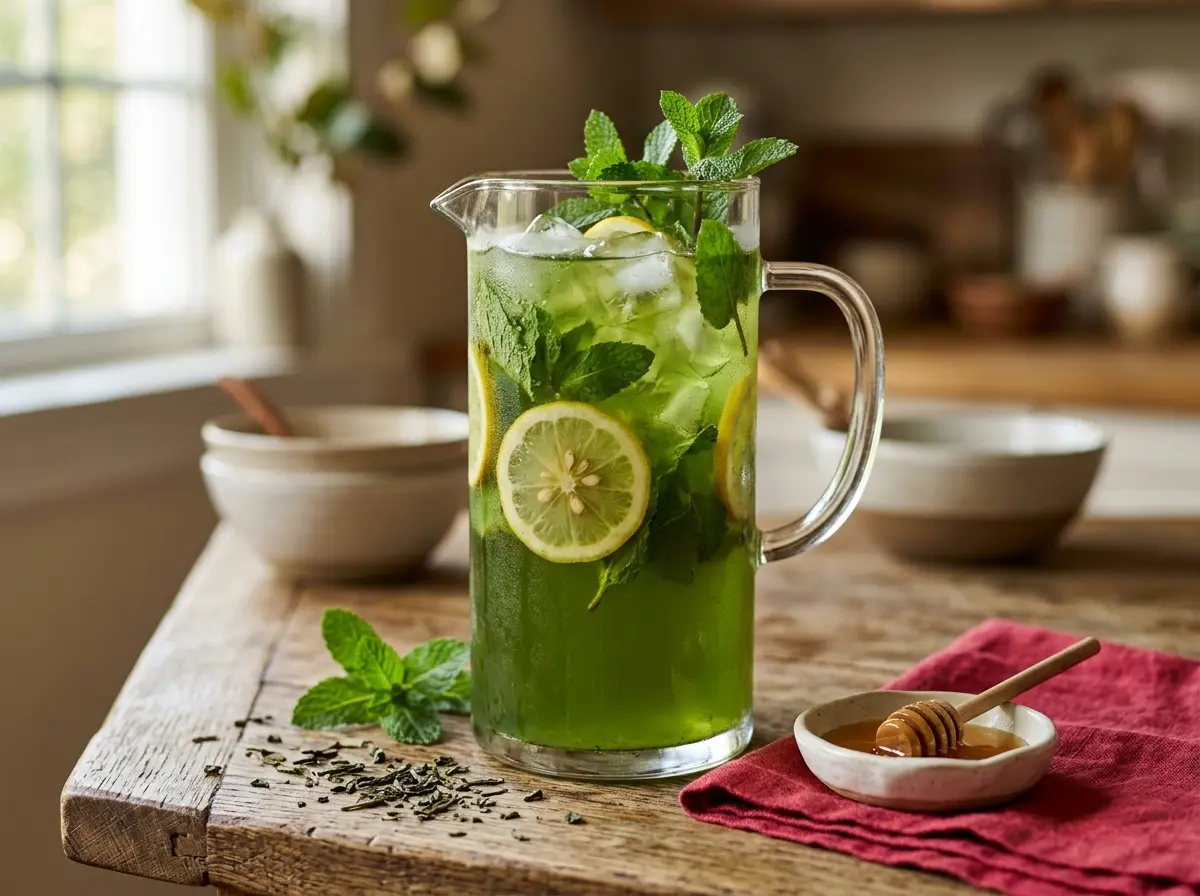
Nothing quite compares to the crisp, clean taste of perfectly brewed iced green tea on a warm afternoon. This refreshing beverage combines the subtle earthiness of quality tea leaves with cooling temperatures that awaken your senses instantly.
The gentle astringency and natural sweetness create a harmonious balance that makes every sip feel like a moment of pure refreshment. Whether you prefer it unsweetened or enhanced with natural flavors, homemade iced green tea offers endless possibilities for customization.
Introduction to Iced Green Tea
What is Iced Green Tea?
Iced green tea represents one of the most versatile and healthful beverages you can prepare at home. This cooling drink transforms the traditional hot brewing process into a refreshing summer staple that retains all the beneficial compounds of green tea leaves.
The preparation involves either cold brewing tea leaves directly in cool water or hot brewing followed by rapid cooling. Both methods preserve the delicate flavors while creating a smooth, non-bitter beverage that appeals to tea enthusiasts and casual drinkers alike.
Unlike commercial bottled versions, homemade iced green tea allows complete control over sweetness levels and flavor additions. You can customize every aspect from tea strength to natural enhancements.
Health Benefits of Iced Green Tea
Cold brew green tea maintains the powerful antioxidants found in fresh tea leaves, particularly catechins and EGCG compounds. These natural elements support cellular health and provide protective benefits throughout your body.
The cooling process actually preserves more delicate nutrients compared to prolonged hot steeping. Lower brewing temperatures prevent the breakdown of sensitive vitamins and maintain the tea’s natural anti-inflammatory properties.
Regular consumption of refreshing green tea supports hydration goals while providing a gentle energy boost from natural caffeine. The combination creates sustained alertness without the jittery effects often associated with coffee.
Ingredients and Tea Selection
Best Types of Green Tea for Iced Tea
Sencha green tea offers the ideal foundation for cold preparation with its balanced flavor profile and moderate astringency. The leaves release their essence gradually, creating depth without overwhelming bitterness.
Jasmine green tea provides natural floral notes that enhance the cooling experience beautifully. The delicate jasmine flowers infuse subtle aromatics that complement the tea base without requiring additional sweeteners.
Matcha powder creates an entirely different iced tea experience with its rich, creamy texture and vibrant color. When properly whisked with cool water, it produces a luxurious beverage with concentrated antioxidant benefits.
Natural Sweeteners and Flavor Enhancers
Raw honey dissolves easily in cool liquids and adds complex floral undertones that complement green tea’s earthiness. Use approximately one tablespoon per quart for gentle sweetening without overpowering the tea’s natural character.
Pure agave nectar provides clean sweetness with a lower glycemic impact than refined sugars. Its neutral flavor profile allows the tea’s subtle notes to shine through while adding just enough sweetness to balance any residual astringency.
Fresh citrus additions like lemon or lime slices contribute natural acids that brighten the overall flavor. These fruits also provide vitamin C and create visual appeal in serving glasses.
Brewing Methods for Iced Green Tea
Cold Brew Method Step-by-Step
Cold brewing eliminates bitterness completely by extracting flavors slowly at room temperature. This gentle process requires patience but delivers consistently smooth results every time.
Combine four tablespoons of loose green tea leaves with one quart of filtered water in a large pitcher. Stir gently to ensure all leaves are moistened, then cover and refrigerate for 6-12 hours depending on desired strength.
Strain the mixture through fine mesh or cheesecloth to remove all leaf particles. The resulting concentrate can be diluted with additional cold water if the flavor seems too intense for your preference.
Hot Brew Method with Proper Cooling
Hot brewing followed by rapid cooling creates full-bodied iced green tea in less time than cold brewing. The key lies in controlling water temperature and steeping duration to prevent bitterness.
Heat water to exactly 175°F (79°C) – never use boiling water as it scorches delicate green tea leaves. Steep three tablespoons of tea in two cups of hot water for exactly 2-3 minutes, no longer.
Immediately strain the hot concentrate into a pitcher filled with ice cubes. Add two additional cups of cold water to achieve the proper dilution and temperature balance.
Tea-to-Water Ratios and Steeping Times
Standard ratios call for one tablespoon of loose tea per cup of water when making concentrated bases. This proportion ensures adequate flavor extraction without creating overwhelming astringency.
Steeping times vary significantly between brewing methods and tea types. Delicate varieties like gyokuro require only 1-2 minutes in hot water, while robust sencha can handle 3-4 minutes safely.
Cold brewing allows extended contact time of 8-12 hours because the lower temperature prevents bitter compound extraction. Experiment within these ranges to discover your perfect strength preference.
Troubleshooting Common Issues
How to Prevent Bitterness
Water temperature control represents the most critical factor in preventing bitter iced green tea. Always use a thermometer to verify that brewing water stays between 160-180°F for optimal extraction.
Oversteeping causes harsh tannins to leach from tea leaves into your beverage. Set a timer and remove leaves promptly when the steeping period ends, regardless of perceived strength.
Using too much tea creates concentrated bitterness that persists even after dilution. Start with recommended ratios and adjust gradually until you achieve your preferred balance.
Avoiding Ice Dilution and Maintaining Flavor
Brew stronger concentrates when planning to serve over ice, as melting will naturally dilute the final beverage. Plan for approximately 25% dilution when calculating initial strength.
Freeze some prepared tea in ice cube trays to create flavored ice that enhances rather than weakens your drink. These tea cubes maintain consistent flavor as they melt slowly.
Chill serving glasses beforehand to minimize ice melting upon contact. This simple step extends the optimal serving window and preserves intended flavor intensity longer.
Variations and Serving Suggestions
Flavor Variations with Herbs and Citrus
Fresh mint leaves transform plain iced green tea into a cooling herbal blend perfect for hot summer days. Add 8-10 leaves during the final minute of steeping for gentle mint essence.
Cucumber slices provide subtle vegetal notes that complement green tea’s natural grassiness beautifully. Layer thin rounds in serving pitchers for both flavor and elegant visual presentation.
Ginger root adds warming spice that creates interesting temperature contrast in cold beverages. Grate fresh ginger directly into hot brewing water, then strain before cooling.
Refreshing Summer Green Tea Recipes
Citrus-infused versions combine freshly squeezed lemon juice with prepared iced green tea for bright, tangy refreshment. Add juice gradually while tasting to achieve your ideal balance.
Fruit-forward blends incorporate muddled berries or stone fruit pieces that release natural sweetness and vibrant colors. Strawberries, peaches, and raspberries work particularly well with green tea’s subtle base.
Herbal enhancement recipes layer multiple complementary flavors like mint, basil, and lemon balm for complex aromatic profiles. These combinations create sophisticated beverages suitable for special occasions.
Classic Iced Green Tea with Natural Sweeteners
Equipment
- Large Heatproof Pitcher
- Fine mesh strainer
- Kitchen Timer
- Measuring cups
- Wooden Spoon
Ingredients
- 6 High-Quality Green Tea Bags or 3 tablespoons loose leaf green tea
- 4 cups Filtered Water divided: 2 cups hot, 2 cups cold
- 3 tablespoons Pure Honey raw or organic preferred
- 3 tablespoons Pure Maple Syrup Grade A
- 2 tablespoons Agave Nectar light variety
- 1 medium Lemon juiced and zested
- 1 medium Lime juiced and zested
- 1 cup Fresh Berries strawberries, blueberries, or raspberries
- 6 Fresh Basil Leaves gently bruised
- 2 sprigs Fresh Rosemary lightly crushed
- 1 cup Fresh Mint Leaves packed
- 2 cups Ice Cubes or to taste
- 4 Lemon Wedges for garnish
Instructions
- Bring 2 cups of filtered water to a rolling boil, then remove from heat and let cool for 2 minutes to reach 175-185°F (optimal temperature for green tea to prevent bitterness).
- Place 6 green tea bags or 3 tablespoons loose leaf tea in your large heatproof pitcher. Pour the hot water over the tea.
- Steep the tea for exactly 3-4 minutes. Set a timer to ensure optimal flavor extraction without bitterness.
- Remove tea bags or strain out loose leaves using a fine mesh strainer. Discard used tea.
- While the tea is still warm, stir in your chosen natural sweetener (honey, maple syrup, or agave nectar) until completely dissolved.
- Add 2 cups of cold filtered water to the pitcher and stir well to combine.
- If using citrus, add fresh lemon or lime juice and zest to taste. For herb infusions, add bruised basil leaves or crushed rosemary sprigs now.
- For fruit variations, gently muddle fresh berries in the bottom of the pitcher before adding them to the tea.
- Refrigerate the tea for at least 2 hours or until completely chilled. For faster cooling, add extra ice cubes.
- Fill 4 glasses with ice cubes and pour the chilled tea over the ice, leaving room at the top.
- Garnish each glass with fresh mint leaves, lemon wedges, or your chosen fruit additions.
- Serve immediately with additional sweetener on the side for individual taste preferences.
Notes
Use high-quality green tea bags or loose leaf tea for the best flavor. Avoid over-steeping beyond 4 minutes as this creates bitterness that even sweeteners cannot mask. SWEETENING GUIDANCE:
Natural sweeteners dissolve best in warm tea. Start with suggested amounts and adjust to taste - you can always add more but cannot remove excess sweetness. STORAGE:
Refrigerate prepared iced tea for up to 3 days in a covered pitcher. Stir before serving as natural separation may occur. Do not store with fresh herbs longer than 24 hours. TROUBLESHOOTING:
If tea tastes bitter, reduce steeping time to 3 minutes next time. If too weak, use 8 tea bags instead of 6. For cloudy tea, ensure water temperature doesn't exceed 185°F.
Nutrition Highlights (Per Serving – Approximate)
Understanding your food’s composition is key to balanced eating. Here is an approximate nutritional breakdown calculated for a standard serving based on wholesome preparation guidelines:
Culinary Selection Notes
- Adjusting sweetener densities or using refined-sugar alternatives will directly optimize the overall glycemic load without breaking structural balance.
- Focusing on high-quality whole fats maximizes trace micronutrient retention across low-temperature or baking environments.
Storage Tips
Best Practices for Storing Iced Green Tea
Refrigerate prepared iced green tea in airtight glass containers to preserve freshness and prevent absorption of refrigerator odors. Glass maintains flavor integrity better than plastic alternatives.
Store unsweetened tea separately from sweetened versions to maintain flexibility in serving options. This approach allows individual customization when pouring drinks for multiple people with different preferences.
Keep tea concentrates in separate containers from diluted ready-to-drink versions. Concentrates occupy less refrigerator space and offer more versatility for different serving strengths.
Shelf Life and How to Reuse Leftovers
Fresh iced green tea maintains optimal quality for 3-5 days when properly refrigerated in sealed containers. Beyond this timeframe, flavors may become muted or develop off-notes.
Transform day-old tea into ice cubes for future batches, preventing waste while creating flavorful frozen additions. These cubes work perfectly in smoothies or as base liquid for cold soups.
Concentrated leftover tea makes an excellent cooking liquid for grains like rice or quinoa. The subtle tea flavor adds complexity to side dishes without overwhelming other ingredients.
Conclusion
Quick Summary and Encouragement to Try Brewing at Home
Mastering homemade iced green tea opens up a world of refreshing possibilities that surpass any commercial alternative. The combination of quality control, cost savings, and endless customization options makes home brewing incredibly rewarding.
Remember that perfect iced green tea requires attention to water temperature, steeping times, and proper storage techniques. These fundamental skills transfer to all tea preparation and improve with consistent practice.
Start with simple preparations using quality sencha or jasmine tea, then gradually experiment with flavor additions and brewing methods. Your perfect summer green tea recipe awaits discovery through patient experimentation and mindful tasting.