
Green Juice: 5 Flavor Combos & Storage Secrets You Need
Learn how to make fresh green juice with 5 easy flavor combos and smart storage tips for nutrient-packed sips. Get the recipe today.
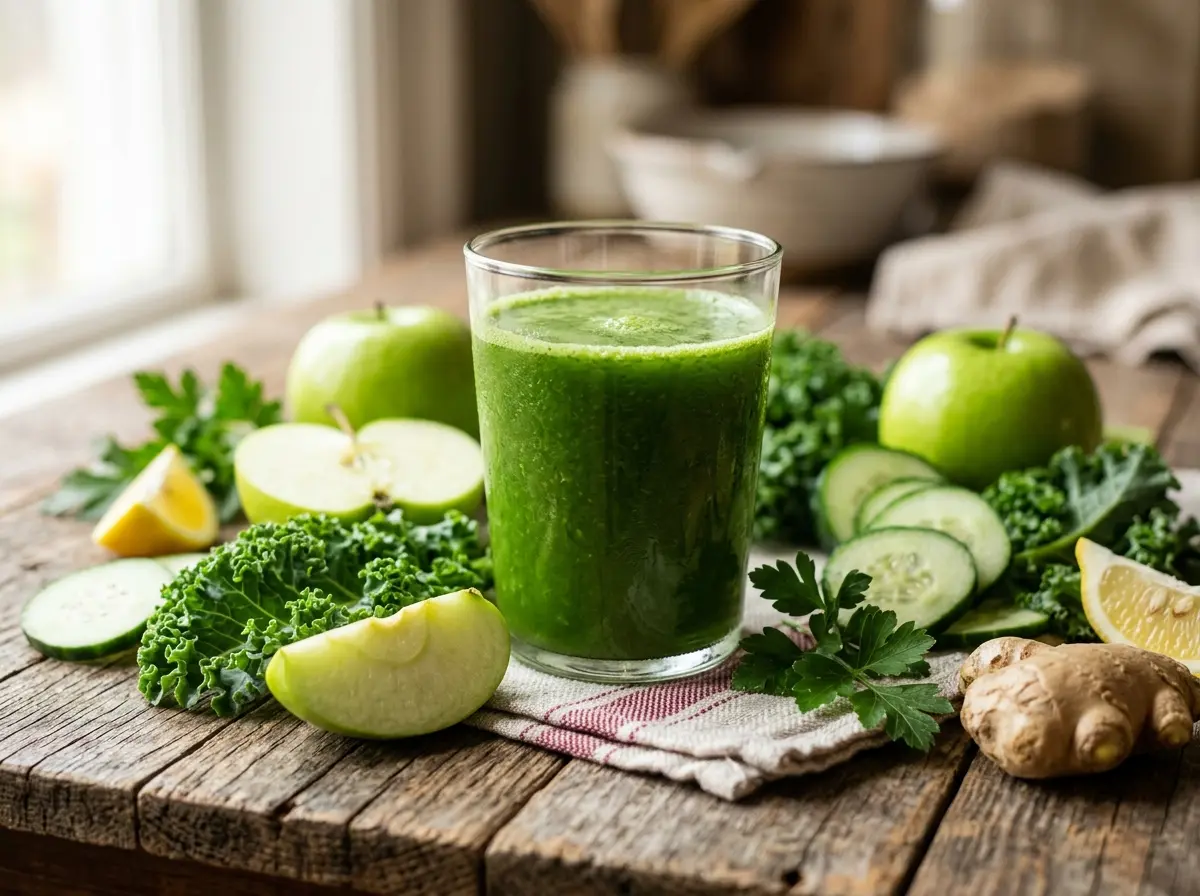
Green juice has revolutionized the way we think about daily nutrition, offering a concentrated dose of vitamins, minerals, and antioxidants in every refreshing sip. This vibrant elixir transforms humble leafy greens and fresh vegetables into a powerhouse beverage that supports energy levels, digestion, and overall wellness. Whether you’re a seasoned juicing enthusiast or curious beginner, mastering the art of homemade green juice opens up endless possibilities for customization and flavor exploration.
The beauty of green juice lies in its versatility and the incredible freshness that comes from preparing it at home. Unlike store-bought versions that may contain preservatives or added sugars, your kitchen-crafted blend delivers pure, unadulterated nutrition. The process itself becomes a mindful ritual, connecting you with wholesome ingredients while creating something truly nourishing for your body.
Introduction to Green Juice
What is Green Juice?
Green juice represents the liquid essence of fresh vegetables and leafy greens, extracted through juicing or blending processes that separate the fiber from the nutrient-rich liquid. This concentrated beverage typically features a base of spinach, kale, celery, or cucumber, enhanced with complementary fruits like apples or pears for natural sweetness. The result is a vibrant, chlorophyll-rich drink that delivers maximum nutrition in minimal volume.
The defining characteristic of quality green juice lies in its fresh preparation and immediate consumption. Unlike processed beverages, authentic homemade green juice maintains the delicate enzyme structures and water-soluble vitamins that begin degrading shortly after extraction. This time-sensitive nature makes home preparation both practical and nutritionally superior.
Why Drink Green Juice?
Daily green juice consumption provides an efficient method for meeting vegetable intake recommendations while supporting hydration and digestive health. The liquid format allows for rapid nutrient absorption, making it particularly valuable for individuals with busy lifestyles or those seeking post-workout recovery support. Many people find that green juice helps bridge nutritional gaps in their diet while providing sustained energy without the crashes associated with processed beverages.
The concentrated nature of green juice means you can consume the equivalent of several servings of vegetables in a single glass. This efficiency becomes especially valuable for families with children who may resist eating whole vegetables but readily accept the naturally sweetened juice versions.
Essential Ingredients for Green Juice
Common Green Vegetables and Fruits
The foundation of any exceptional green juice recipe starts with selecting the right combination of leafy greens and supporting vegetables. Spinach offers a mild, almost neutral flavor that blends beautifully with other ingredients, making it perfect for beginners. Kale provides more intense nutrition with its higher vitamin K and antioxidant content, though it requires careful balancing with sweeter elements.
Cucumber brings refreshing hydration and helps dilute stronger flavors while contributing valuable electrolytes. Celery adds a distinctive fresh taste along with natural sodium, making it excellent for post-exercise replenishment. Romaine lettuce provides a crisp, clean base that works well in lighter juice combinations.
Supporting fruits play crucial roles in creating balanced flavor profiles:
- Green apples contribute natural sweetness while maintaining the color integrity
- Pears offer gentle sweetness with additional fiber content
- Limes and lemons provide acidic brightness that enhances other flavors
- Green grapes add concentrated sweetness for kid-friendly variations
Natural Sweeteners and Flavor Enhancers
Beyond fruits, several natural ingredients can enhance both flavor and nutritional value of your homemade green juice. Fresh ginger root adds warming spice while supporting digestive health and providing anti-inflammatory compounds. Mint leaves contribute cooling freshness that pairs beautifully with cucumber-based blends.
Parsley brings concentrated nutrition including vitamin C and folate, though its strong flavor requires modest portions. Fresh basil offers aromatic complexity that transforms simple vegetable combinations into sophisticated flavor experiences. These herbs also provide natural preservation qualities that can extend freshness when properly stored.
Top 5 Flavor Combinations for Green Juice
Classic Green Mix with Apple and Lemon
This timeless combination balances nutritious spinach and cucumber with the natural sweetness of green apples and the bright acidity of fresh lemon juice. The apple provides enough sweetness to mask any vegetable bitterness while the lemon enhances overall flavor complexity and adds vitamin C. This simple green juice recipe serves as an ideal starting point for newcomers to juicing.
The beauty of this classic blend lies in its accessibility and consistent results. Most grocery stores carry these ingredients year-round, making it practical for regular preparation. The mild flavor profile appeals to most palates while delivering substantial nutritional benefits.
Detox Blend with Kale and Ginger
Combining nutrient-dense kale with warming ginger creates a powerful wellness-focused blend that supports natural detoxification processes. The ginger helps counteract kale’s sometimes bitter notes while providing digestive support and anti-inflammatory properties. Adding green apple and cucumber balances the intensity while maintaining the health-focused benefits of green juice.
This combination works particularly well as a morning beverage, providing sustained energy and mental clarity. The higher mineral content from kale supports cellular function while ginger stimulates circulation and metabolism.
Refreshing Cucumber and Mint Juice
Perfect for hot weather or post-workout recovery, this hydrating blend emphasizes cooling properties and natural electrolyte replenishment. Cucumber provides the base with its high water content, while fresh mint leaves add aromatic freshness and natural cooling compounds. A touch of lime juice brightens the overall flavor while contributing additional vitamin C.
This lighter variation of green juice focuses more on hydration than intense nutrition, making it ideal for those seeking a refreshing alternative to sports drinks. The natural electrolytes from cucumber help maintain proper hydration levels without artificial additives.
Sweet Pear and Spinach Combo
This kid-friendly green juice variation masks the vegetable flavors almost completely while delivering impressive nutritional value. Ripe pears provide natural sweetness that children love, while mild spinach contributes iron, folate, and other essential nutrients without overpowering the fruit flavors. Adding a small amount of cucumber helps achieve the proper consistency.
The gentle sweetness and smooth texture make this combination perfect for introducing children to healthy green juice benefits. Parents appreciate knowing their kids are consuming valuable nutrients in a format they actually enjoy drinking.
Zesty Celery and Parsley Juice
For those seeking maximum nutritional density with bold, fresh flavors, this combination delivers concentrated wellness benefits. Celery provides natural sodium and potassium for electrolyte balance, while parsley contributes exceptional levels of vitamin K, vitamin C, and folate. Green apple softens the intensity while maintaining the health-focused character.
This more advanced flavor combination appeals to experienced juicing enthusiasts who appreciate the pure, unmasked taste of fresh vegetables. The high nutrient density makes it particularly valuable for those using green juice as a nutritional supplement.
How to Make Green Juice at Home
Equipment Needed: Juicers vs Blenders
Choosing the right equipment significantly impacts both the texture and nutritional profile of your final product. Centrifugal juicers separate fiber from liquid, creating smooth, pulp-free juice that many people prefer for drinking. These machines work efficiently with most vegetables and fruits, though they may struggle with leafy greens unless combined with harder produce.
Masticating juicers operate at slower speeds, preserving more enzymes and nutrients while handling leafy greens more effectively. They produce higher yields from the same ingredients and create juice with longer shelf life due to reduced oxidation during processing. The initial investment costs more, but the superior nutrition and efficiency often justify the expense for regular users.
High-powered blenders offer a different approach, creating smoothie-like textures that retain all fiber content. While not technically juice, blended green drinks provide additional satiety and fiber benefits. Straining blended mixtures through fine mesh can approximate juiced consistency while maintaining some fiber content.
Step-by-Step Green Juice Preparation
Proper preparation begins with selecting the freshest possible ingredients and washing them thoroughly under cold running water. Remove any damaged or wilted portions, as these can negatively impact flavor and shelf life. For optimal nutrition, prepare ingredients just before juicing rather than pre-cutting and storing.
The order of ingredient processing affects both yield and flavor distribution. Start with harder vegetables like carrots or apples to help push softer leafy greens through the juicer mechanism. Alternate between hard and soft ingredients to maintain consistent processing and prevent clogging.
For blender-based preparation, add liquid ingredients first, followed by softer items, with frozen or harder ingredients on top. This layering ensures proper blending and prevents strain on the motor while achieving smooth, well-incorporated results.
Fresh Green Juice - 5 Flavor Variations
Equipment
- High-Speed Blender or Juicer
- Fine mesh strainer
- Glass Jars with Tight Lids
- Measuring cups
- Citrus Juicer
Ingredients
- 2 cups Fresh Spinach organic preferred, stems removed
- 1 medium Green Apple Granny Smith or Honeycrisp, cored
- 1 medium Cucumber English cucumber preferred, peeled if not organic
- 1 tablespoon Fresh Lemon Juice about half a lemon
- 1 cup Filtered Water adjust for desired consistency
- 2 cups Baby Kale stems removed
- 1 cup Fresh Pineapple Chunks core removed
- 1 medium Pear Anjou or Bartlett, cored
- 1 tablespoon Fresh Lime Juice
- 1 cup Coconut Water unsweetened
- 1 cup Spinach
- 1 cup Romaine Lettuce chopped
- 2 stalks Celery leaves included
- 1 medium Green Apple cored
- 1 inch Fresh Ginger Root peeled
- 2 tablespoons Fresh Lemon Juice
- 1.25 cups Filtered Water
- 2 cups Swiss Chard stems removed, any color variety
- 1 medium Fuji Apple cored
- 1 medium Carrot peeled
- 0.5 cup Fresh Parsley flat-leaf preferred
- 1 tablespoon Fresh Orange Juice
- 1 cup Filtered Water
- 2 cups Arugula baby arugula preferred
- 1 large Pear Bosc or Asian pear, cored
- 0.5 medium Cucumber
- 0.25 cup Fresh Mint Leaves
- 2 tablespoons Fresh Lime Juice
- 1 cup Filtered Water
Instructions
- Wash all produce thoroughly under cold running water, even if organic. Pat dry with clean paper towels.
- Core apples and pears, leaving skin on for maximum nutrition. Peel cucumber if not organic. Remove thick stems from greens but keep tender stems for added fiber.
- Cut larger ingredients into chunks that will fit easily into your blender or juicer feed chute.
- Add liquid ingredients to blender first, followed by softer fruits, then leafy greens, and harder vegetables last.
- Start blending on low speed for 30 seconds, then gradually increase to high speed. Blend for 60-90 seconds until completely smooth.
- For silky texture, strain through fine-mesh strainer, pressing pulp with back of spoon. Reserve pulp for composting or adding to smoothie bowls.
- Feed ingredients through juicer according to manufacturer's instructions, alternating soft and hard ingredients for optimal extraction.
- Process leafy greens slowly to prevent clogging. Follow with harder fruits and vegetables to help push through remaining greens.
- Stir juice and taste. Add citrus juice gradually to achieve desired brightness and help preserve color.
- Pour into chilled glasses and serve immediately for best flavor and maximum nutrient retention.
- Garnish with a sprig of fresh mint, lime wheel, or cucumber ribbon if desired.
Notes
Spring: substitute dandelion greens or watercress for spinach. Summer: add fresh herbs like basil or cilantro. Fall: use seasonal pears and add a pinch of cinnamon. Winter: substitute frozen pineapple (thawed) when fresh isn't available. STORAGE:
Store in airtight glass jars filled to the brim to minimize air exposure. Refrigerate immediately and consume within 24-48 hours for best quality, up to 72 hours maximum. Add a squeeze of fresh lemon juice before storing to prevent oxidation. EQUIPMENT ALTERNATIVES:
No juicer? Use a high-speed blender and strain through cheesecloth or nut milk bag. No high-speed blender? Use regular blender but chop ingredients finer and blend longer, then strain twice for smooth consistency. NUTRITION NOTES:
Each serving provides approximately 80-120 calories depending on variation. Rich in vitamins A, C, K, folate, and potassium. Drink on empty stomach for optimal nutrient absorption. TROUBLESHOOTING:
Too bitter? Add more apple or pear. Too sweet? Increase lemon juice or add cucumber. Too thick? Add water gradually. Separating? Stir before drinking - natural separation is normal.
Nutrition Highlights (Per Serving – Approximate)
Understanding your food’s composition is key to balanced eating. Here is an approximate nutritional breakdown calculated for a standard serving based on wholesome preparation guidelines:
Culinary Selection Notes
- Adjusting sweetener densities or using refined-sugar alternatives will directly optimize the overall glycemic load without breaking structural balance.
- Focusing on high-quality whole fats maximizes trace micronutrient retention across low-temperature or baking environments.
Storage Tips for Freshness
Best Containers for Storing Green Juice
Proper storage containers make the difference between fresh, vibrant green juice and oxidized, nutrient-depleted liquid. Glass containers with airtight seals provide the best protection against oxidation while preventing flavor contamination from plastic materials. Mason jars work exceptionally well for single-serving portions, allowing you to prepare several days’ worth during one session.
Fill containers completely to minimize air exposure, which causes rapid nutrient degradation and color changes. If your batch doesn’t fill the container entirely, add a small amount of filtered water or extra lemon juice to displace air. Dark-colored glass offers additional protection against light-induced vitamin loss.
Vacuum-sealed containers provide professional-grade storage for serious juicing enthusiasts. These systems remove virtually all air contact, extending freshness significantly beyond standard storage methods. While more expensive initially, they prove worthwhile for those preparing large batches or storing green juice storage tips for extended periods.
How Long Does Green Juice Last?
Freshly prepared green juice maintains peak nutritional value and flavor for 24-48 hours when properly refrigerated in airtight containers. Beyond this window, vitamin C and other sensitive nutrients begin degrading rapidly, though the juice remains safe to consume for up to 72 hours if stored correctly.
Adding citric acid through lemon or lime juice extends shelf life naturally by slowing oxidation processes. This acidification also helps maintain the vibrant green color that indicates chlorophyll preservation. Commercial green juice benefits from pasteurization but loses the live enzymes that make fresh preparation so valuable.
Freezing green juice preserves it for weeks or months, though texture changes occur as cell walls break down during the freezing process. Freeze in ice cube trays for convenient single-serving portions, or use freezer-safe glass containers with adequate expansion space.
Meal Prep and Batch Juicing Advice
Efficient green juice meal prep involves preparing 2-3 days’ worth at one time to balance freshness with convenience. Choose one or two days per week for batch preparation, investing 30-45 minutes in creating several servings. This approach saves time while ensuring you always have healthy options available.
Prepare ingredients in advance by washing, chopping, and storing vegetables in the refrigerator for up to 3 days before juicing. Pre-portion ingredients into individual containers or bags, making the actual juicing process quick and efficient. This preparation method works particularly well for busy families or individuals with demanding schedules.
Consider preparing different flavor combinations simultaneously, creating variety throughout the week. Store each type in clearly labeled containers with preparation dates to track freshness and prevent waste.
Health Benefits of Green Juice
Nutrient Profile and Antioxidants
The concentrated nutrition in green juice provides exceptional levels of vitamins A, C, and K, along with folate, iron, and potassium in easily absorbable forms. Chlorophyll, the pigment responsible for the vibrant green color, offers unique health properties including potential detoxification support and cellular protection.
Antioxidant compounds in leafy greens help neutralize free radicals that contribute to cellular aging and inflammation. These protective molecules work synergistically, meaning their combined effect exceeds the sum of individual benefits. Regular consumption provides cumulative protective effects over time.
The bioavailability of nutrients in liquid form surpasses that of whole vegetables for many individuals, particularly those with digestive sensitivities. The pre-digestion that occurs during juicing allows for rapid nutrient absorption without the energy expenditure required for breaking down fiber.
Hydration and Digestion Support
Green juice contributes significantly to daily fluid intake while providing electrolytes that support proper hydration at the cellular level. Unlike plain water, the natural minerals in vegetables help maintain electrolyte balance, making it particularly valuable for active individuals or those in hot climates.
The easily digestible nature of green juice can provide digestive rest while still delivering essential nutrients. This quality makes it valuable during illness recovery or as part of gentle cleansing protocols. The natural enzymes present in fresh juice support digestive function when consumed regularly.
Many people report improved energy levels and reduced digestive discomfort when incorporating daily green juice into their routine. The alkalizing effect of most green vegetables may help balance dietary acidity from other food sources.
Immune-Boosting Properties
The high vitamin C content in most healthy green juice recipe combinations supports immune system function, particularly when combined with the zinc and other minerals present in leafy greens. These nutrients work together to maintain the body’s natural defense mechanisms against environmental stressors.
Regular consumption of green juice provides consistent doses of immune-supporting compounds that might be difficult to achieve through whole vegetable consumption alone. The convenience factor increases compliance, making it more likely that individuals will maintain consistent intake over time.
Seasonal variations in green juice ingredients can provide targeted immune support, such as adding extra ginger during cold seasons or emphasizing hydrating vegetables during warmer months. This adaptability allows for customized wellness support throughout the year.
Green Juice Recipes for Everyone
Kid-Friendly Variations
Creating kid-friendly green juice variations requires emphasizing sweetness while gradually introducing vegetable flavors. Start with fruit-heavy combinations that happen to include greens, rather than vegetable-focused blends with added fruit. Spinach works particularly well because its mild flavor disappears almost completely when combined with apples or pears.
Visual presentation matters significantly for children’s acceptance of green beverages. Serve in colorful cups with fun straws, and consider adding frozen fruit as “ice cubes” to make the drink more appealing. Involving children in the preparation process often increases their willingness to try the final product.
Gradually increase vegetable ratios over time as children become accustomed to the flavors. What starts as primarily apple juice with a handful of spinach can evolve into more balanced combinations as palates adapt and mature.
Post-Workout Recovery Juices
Post-workout green juice should emphasize hydration, electrolyte replacement, and muscle recovery support. Cucumber provides excellent hydration and natural electrolytes, while celery adds sodium that helps maintain fluid balance. Including a small amount of natural fruit sugars supports glycogen replenishment after intense exercise.
Adding fresh ginger provides anti-inflammatory compounds that may help reduce exercise-induced muscle soreness. The timing of consumption matters – drinking green juice within 30 minutes after exercise maximizes the absorption of recovery nutrients when muscles are most receptive.
Consider the intensity and duration of exercise when formulating post-workout green juice. Longer or more intense sessions may require higher fruit content for carbohydrate replacement, while shorter workouts might benefit from vegetable-focused blends that emphasize hydration and micronutrients.
Budget-Friendly Ingredient Swaps
Creating nutritious green juice on a budget requires strategic ingredient selection and seasonal shopping awareness. Conventional spinach and cucumbers often cost significantly less than organic versions while still providing substantial nutritional value. Focus organic purchases on the “dirty dozen” produce items where pesticide residue concerns are highest.
Seasonal vegetables offer both cost savings and peak nutritional content. Summer cucumber and zucchini prices drop dramatically during harvest season, while winter root vegetables can extend green juice with affordable sweetness and nutrients.
Consider growing simple ingredients like spinach, parsley, or mint in containers or small garden spaces. These fast-growing plants provide fresh ingredients at minimal cost while ensuring the highest quality and flavor. Even apartment dwellers can maintain small herb gardens on windowsills or balconies.
Troubleshooting Common Issues
Avoiding Bitter Flavors
Bitterness in green juice typically results from using too much dark leafy greens without adequate balancing ingredients, or from including vegetable parts that concentrate bitter compounds. Kale stems, for example, contain more bitter elements than the leaves and should be removed before juicing. Similarly, the white pith of citrus fruits adds unwanted bitterness.
Proper ratios prevent bitterness while maintaining nutritional benefits. Start with 60-70% mild vegetables like cucumber or celery, 20-30% sweet fruit, and only 10-20% strong greens like kale or parsley. Gradually adjust these ratios as your palate adapts to more vegetable-forward flavors.
Fresh, high-quality ingredients produce significantly less bitter flavors than older produce. Wilted or yellowing vegetables concentrate bitter compounds, so select the freshest possible ingredients and use them promptly after purchase.
Adjusting Sweetness Naturally
Natural sweetness adjustment relies on understanding which ingredients provide the most sugar content without overwhelming other flavors. Green apples offer substantial sweetness while maintaining color compatibility, and their pectin content adds beneficial fiber when using a blender method.
Pears provide gentler sweetness than apples, making them ideal for subtle flavor adjustments. Their higher water content also helps achieve proper consistency without diluting nutritional density. Dates can add concentrated sweetness, though they require powerful blending equipment to incorporate smoothly.
Consider the ripeness level of fruits when adjusting sweetness, as this dramatically affects sugar content. Slightly overripe fruits provide maximum sweetness, while underripe versions contribute more tartness and less sugar. Store fruits at room temperature to achieve optimal ripeness before juicing.
Conclusion
Summary of Benefits and Tips
Creating exceptional green juice at home combines proper ingredient selection, appropriate equipment use, and smart storage practices to deliver maximum nutritional value and flavor satisfaction. The key principles include starting with high-quality fresh ingredients, balancing strong vegetable flavors with natural sweeteners, and consuming the juice as soon as possible after preparation for optimal benefits.
Successful green juice preparation relies more on understanding flavor balance and nutritional goals than following rigid formulas. Experiment with different combinations while maintaining the basic ratios that ensure palatability and nutritional density. Remember that consistency in daily consumption provides more benefits than occasional large quantities.
Encouragement to Try Making Green Juice
Starting your green juice journey requires minimal equipment and readily available ingredients, making it accessible regardless of experience level or budget constraints. Begin with simple combinations like the classic apple-spinach blend, then gradually explore more complex flavor profiles as your confidence and palate develop.
The investment in time and ingredients pays dividends in improved energy levels, better hydration, and increased vegetable intake that supports long-term health goals. Consider exploring green smoothie bowls as a complementary way to incorporate more vegetables into your diet, or try refreshing watermelon juice for variety in your juicing routine.
Remember that every small step toward increased vegetable consumption contributes to better overall nutrition. Whether you start with one green juice per week or incorporate it into your daily routine, you’re making a positive choice for your health and well-being. For more nutritious beverage ideas, explore our tropical smoothie recipes that complement a healthy lifestyle.