Pumpkin Soup Recipe: Easy, Creamy & Perfectly Delicious
Discover a creamy, easy pumpkin soup recipe that delivers rich flavor and smooth texture in under 30 minutes. Get the recipe today for your next meal.
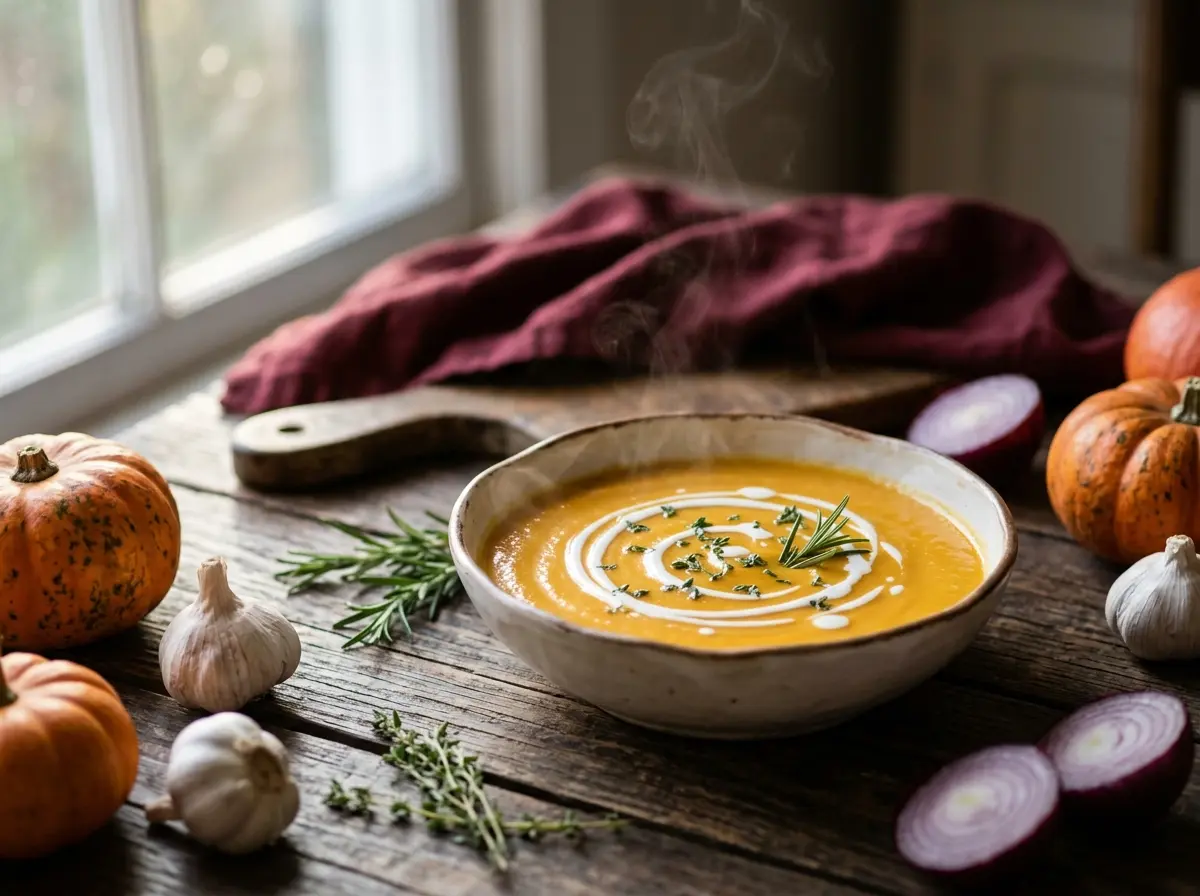
There’s nothing quite like a warm bowl of pumpkin soup recipe to embrace the cozy comfort of autumn cooking. This creamy, velvety soup transforms humble pumpkin into a restaurant-quality dish that’s surprisingly simple to master. Whether you’re meal prepping for the week or hosting a dinner party, this homemade approach delivers consistent results every time.
The natural sweetness of perfectly roasted pumpkin mingles with aromatic spices and creates that signature silky texture everyone craves. Each spoonful offers layers of earthy warmth that make this dish a true seasonal favorite. You’ll discover how easy it is to achieve professional-level depth without complicated techniques.
Introduction to Pumpkin Soup Recipe
This easy pumpkin soup recipe represents the perfect intersection of comfort food tradition and modern nutritional awareness. Unlike heavy cream-based versions, this approach celebrates the natural richness of properly prepared pumpkin. The result is a dish that’s both indulgent and wholesome.
Professional kitchens have long understood that exceptional soup begins with quality ingredients and proper technique. This recipe strips away unnecessary complexity while maintaining the depth of flavor that makes pumpkin soup a beloved classic. You’ll learn the fundamental principles that ensure success every time.
Why Pumpkin Soup is a Perfect Comfort Food
Pumpkin soup occupies a unique position in comfort food culture because it delivers warmth without heaviness. The natural sugars in pumpkin caramelize during roasting, creating complex flavors that satisfy both sweet and savory cravings. This balance makes it appealing to diverse palates and dietary preferences.
The velvety texture achieved through proper blending creates that luxurious mouthfeel associated with premium restaurant dishes. Unlike many comfort foods that leave you feeling sluggish, this soup energizes while it comforts. The fiber content promotes satiety without the crash associated with refined carbohydrates.
Health Benefits of Pumpkin Soup
Fresh pumpkin delivers impressive nutritional density that makes this soup a genuinely healthy choice. Beta-carotene, the compound responsible for pumpkin’s vibrant color, converts to vitamin A in your body. This supports eye health, immune function, and skin regeneration.
The potassium content in pumpkin helps regulate blood pressure and supports cardiovascular health. Fiber promotes digestive wellness while helping stabilize blood sugar levels throughout the day. These benefits multiply when you prepare the soup from scratch using whole ingredients.
Antioxidants in pumpkin combat inflammation and support cellular repair processes. The magnesium content contributes to bone health and muscle function. When combined with immune-boosting spices like ginger and turmeric, this soup becomes a powerful wellness tool.
Choosing and Preparing Your Pumpkin
Success with any creamy pumpkin soup recipe begins with selecting the right variety of pumpkin. Not all pumpkins are created equal when it comes to culinary applications. Understanding these differences will dramatically improve your final results.
Best Types of Pumpkin for Soup
Sugar pumpkins, also called pie pumpkins, offer the ideal balance of sweetness and texture for soup making. These smaller, rounder varieties typically weigh between 3-6 pounds and have dense, flavorful flesh. Their lower water content concentrates flavor and prevents watery soup.
Butternut squash serves as an excellent alternative that’s available year-round in most markets. While technically a squash, it behaves similarly to pumpkin in soup applications. The neck portion provides the most consistent texture and flavor concentration.
Avoid large carving pumpkins, which are bred for size rather than flavor. These varieties often have stringy, watery flesh that produces bland, thin soup. Delicata and acorn squash can work in pinch, but they require careful seasoning to achieve optimal flavor.
How to Roast and Puree Pumpkin
Roasting pumpkin properly transforms its raw starchiness into complex sweetness that defines exceptional soup. Cut your pumpkin in half and scoop out all seeds and stringy pulp. This preparation ensures even cooking and prevents bitter flavors from developing.
Place cut sides down on a parchment-lined baking sheet and roast at 425°F for 35-45 minutes. The flesh should yield easily to a fork when properly cooked. This high-heat method caramelizes natural sugars while driving off excess moisture.
Allow roasted pumpkin to cool completely before scooping flesh from the skin. A spoon works better than a knife for this task, as it separates cleanly cooked flesh from any remaining tough portions. Properly roasted pumpkin should feel smooth and creamy, not fibrous or grainy.
Ingredients Overview
Understanding how each component contributes to the final dish helps you make informed substitutions and adjustments. This roasted pumpkin soup recipe relies on a carefully balanced combination of aromatics, liquids, and seasonings. Each element serves a specific purpose in building flavor layers.
Essential Ingredients and Their Roles
Yellow onions provide the foundational sweetness that complements pumpkin’s natural sugars. Their slow caramelization during sautéing creates depth without overpowering the delicate pumpkin flavor. Fresh garlic adds aromatic complexity that bridges the gap between sweet and savory elements.
Vegetable broth serves as the liquid base that determines your soup’s final consistency. High-quality, low-sodium broth allows you to control salt levels while providing subtle background flavor. The ratio of pumpkin to broth determines whether your soup will be thick and creamy or lighter and more brothlike.
Warming spices like cinnamon, nutmeg, and ginger enhance pumpkin’s natural flavor profile without overwhelming it. These aromatics should support rather than dominate the overall taste. Fresh herbs like thyme or sage add brightness that prevents the soup from becoming too heavy or one-dimensional.
Healthy Substitutions (e.g., coconut milk, vegetable broth)
Coconut milk creates exceptional creaminess in dairy-free versions without masking pumpkin’s flavor. Full-fat canned coconut milk works best, as light versions can make the soup taste thin. The natural sweetness of coconut complements pumpkin beautifully while adding healthy fats.
Cashew cream offers another dairy-free option that provides richness without coconut flavor. Soak raw cashews for 4 hours, then blend with water until smooth. This creates a neutral-tasting cream that lets pumpkin flavors shine through completely.
Low-sodium vegetable broth ensures you control salt levels throughout the cooking process. Homemade broth provides superior flavor, but quality store-bought versions work well too. Avoid broths with added sugars or artificial flavors that can muddy the soup’s clean taste.
Step-by-Step Cooking Guide
Mastering the technique behind this homemade pumpkin soup recipe ensures consistent results regardless of ingredient variations. The key lies in building layers of flavor through proper timing and temperature control. Each step contributes to the final harmony of taste and texture.
Preparing the Base (sautéing garlic, onion, and spices)
Heat oil in a heavy-bottomed pot over medium heat to create the aromatic foundation. Add diced onions first, as they require the longest cooking time to develop sweetness. Stir occasionally and cook until translucent and lightly golden, approximately 8-10 minutes.
Add minced garlic during the final minute of onion cooking to prevent burning. Garlic becomes bitter when overcooked, so timing is crucial here. The mixture should smell fragrant and inviting when properly prepared.
Bloom ground spices in the hot oil for 30 seconds to release their essential oils. This technique, borrowed from Indian cuisine, intensifies flavor compounds and prevents raw spice taste. Stir constantly during this brief period to prevent scorching.
Cooking and Blending the Soup
Add prepared pumpkin puree to the aromatic base and stir to combine thoroughly. Cook for 2-3 minutes to meld flavors and drive off any remaining moisture. This step prevents watery soup and concentrates the pumpkin taste.
Gradually add warm broth while stirring to prevent lumping. Starting with about half the liquid allows you to achieve smooth integration before adjusting consistency. Bring the mixture to a gentle simmer and cook for 15-20 minutes to develop depth.
Use an immersion blender for the smoothest texture, blending in circular motions to ensure even processing. Alternatively, transfer cooled soup to a regular blender in batches. Never fill a blender more than halfway with hot liquid to prevent dangerous pressure buildup.
Achieving Perfect Texture
Strain the blended soup through a fine-mesh sieve for restaurant-quality smoothness. This removes any remaining fiber or lumps that could compromise the silky mouthfeel. Press solids gently with a spoon rather than forcing them through.
Adjust consistency by adding more broth for thinner soup or simmering uncovered to reduce and thicken. The ideal texture coats a spoon lightly but isn’t gloppy or heavy. Remember that soup will thicken slightly as it cools.
Taste and adjust seasonings after blending, as flavors concentrate during the process. Salt should enhance but not overpower the natural pumpkin sweetness. A pinch of white pepper adds warmth without visible specks that might detract from the soup’s appearance.
Variations and Dietary Options
This healthy pumpkin soup recipe adapts beautifully to accommodate various dietary needs and cooking equipment preferences. Understanding these modifications expands your options without compromising quality. Each variation maintains the essential character while offering unique advantages.
Dairy-Free and Vegan Alternatives
Creating a dairy-free pumpkin soup recipe requires only minor adjustments to achieve the same luxurious texture. Replace butter with olive oil or coconut oil for sautéing aromatics. These alternatives provide richness while maintaining the soup’s clean flavor profile.
Coconut cream stirred in at the end creates exceptional richness without dairy. Use only the thick cream from chilled cans, reserving the liquid for other uses. This technique provides restaurant-quality results that even dairy lovers will appreciate.
Nutritional yeast adds subtle depth and umami notes that enhance the overall complexity. Start with one tablespoon and adjust to taste, as this ingredient can quickly overpower delicate pumpkin flavors. Cashew butter also works as a thickener and adds protein content.
Instant Pot and Slow Cooker Methods
The slow cooker pumpkin soup recipe method allows for hands-off preparation that’s perfect for busy schedules. Sauté aromatics in a skillet first, then transfer everything to the slow cooker. Cook on low for 4-6 hours or high for 2-3 hours until flavors meld completely.
Instant pot pumpkin soup recipe preparation reduces total cooking time to under 30 minutes. Use the sauté function for aromatics, then add remaining ingredients and pressure cook for 10 minutes. Natural release prevents splattering and allows flavors to continue developing.
Both methods require final blending after cooking to achieve smooth texture. The extended cooking time in both applications actually enhances flavor development compared to stovetop methods. Consider these options when planning make-ahead meals or cooking for larger groups.
Serving Suggestions and Garnishes
Proper presentation elevates this pumpkin soup with coconut milk from simple comfort food to an elegant dining experience. Thoughtful garnishes add textural contrast and visual appeal that make the dish more engaging. These finishing touches should complement rather than compete with the soup’s natural beauty.
Fresh Herb and Spice Garnishes
Toasted pumpkin seeds provide delightful crunch that contrasts beautifully with the soup’s silky texture. Toss clean seeds with a pinch of salt and roast at 300°F for 15-20 minutes until golden. Their nutty flavor echoes the main ingredient while adding satisfying textural interest.
Fresh sage leaves, quickly fried in oil until crispy, offer aromatic intensity and elegant appearance. The herb’s earthy quality complements pumpkin perfectly while adding visual sophistication. Crumble them lightly over each serving for maximum impact.
A light drizzle of good olive oil creates visual appeal while adding richness to each spoonful. Choose a fruity, high-quality oil that enhances rather than overpowers the soup’s delicate flavors. Swirl patterns create restaurant-style presentation with minimal effort.
Pairings and Meal Ideas
Crusty artisan bread provides the perfect vehicle for enjoying every drop of this flavorful soup. The contrast between crispy exterior and soft interior creates textural harmony that enhances the overall eating experience. Hearty soups like lentil varieties pair well in multi-course meals.
Mixed green salads with seasonal ingredients complement the soup’s richness without overwhelming the palate. Apple slices, toasted nuts, and light vinaigrette create balanced contrast that prepares the palate for each spoonful. This combination works particularly well for lunch service.
Grilled cheese sandwiches made with quality bread and cheese create the ultimate comfort food combination. The crispy, salty sandwich provides textural contrast that makes both elements more satisfying. Consider using sourdough bread for added flavor complexity.
Creamy Pumpkin Soup
Equipment
- Large Heavy-Bottomed Pot
- Immersion Blender
- Sharp knife
- Cutting board
- Measuring cups
- Wooden Spoon
Ingredients
- 2 tablespoons Olive Oil extra virgin
- 1 medium Yellow Onion diced (about 1 cup/150g)
- 3 cloves Garlic minced
- 1 teaspoon Fresh Ginger grated
- 1 teaspoon Ground Cumin
- 1/2 teaspoon Ground Cinnamon
- 1/4 teaspoon Ground Nutmeg freshly grated preferred
- 1/4 teaspoon Smoked Paprika
- 29 ounces Pumpkin Puree 1 large can (820g)
- 3 cups Vegetable Broth low-sodium (720ml)
- 1 cup Coconut Cream full-fat, natural (240ml)
- 2 tablespoons Pure Maple Syrup or to taste
- 1 teaspoon Sea Salt or to taste
- 1/4 teaspoon Black Pepper freshly ground
- 2 tablespoons Fresh Chives chopped, for garnish
- 1/4 cup Pumpkin Seeds toasted, for garnish (optional)
Instructions
- Heat olive oil in a large heavy-bottomed pot over medium heat. Add diced onion and cook for 4-5 minutes until softened and translucent, stirring occasionally.
- Add minced garlic and grated ginger to the pot. Cook for 1 minute until fragrant, stirring constantly to prevent burning.
- Stir in cumin, cinnamon, nutmeg, and smoked paprika. Cook for 30 seconds until the spices are aromatic and well combined with the onion mixture.
- Add pumpkin puree and vegetable broth to the pot. Stir well to combine all ingredients. Bring the mixture to a gentle boil over medium-high heat.
- Reduce heat to low and simmer the soup for 15 minutes, stirring occasionally. The soup should be heated through and flavors well blended.
- Using an immersion blender, blend the soup directly in the pot until completely smooth and creamy. Alternatively, carefully transfer to a regular blender in batches.
- Stir in coconut cream and maple syrup. Season with sea salt and black pepper to taste. Heat through for 2-3 minutes without boiling.
- Ladle soup into bowls and garnish with fresh chopped chives and toasted pumpkin seeds if desired. Serve immediately while hot.
Notes
Onions are ready when translucent and soft. Spices should smell fragrant but not burnt. Soup is properly heated when steaming and bubbling gently. STORAGE:
Refrigerate leftovers for up to 4 days in airtight containers. Freeze for up to 3 months. Reheat gently on stovetop, adding extra broth if needed. SCALING:
Easily doubles or halves. For 2 servings: use half amounts. For 8 servings: double all ingredients and increase cooking time by 5-10 minutes. TROUBLESHOOTING:
If soup is too thick, add more vegetable broth gradually. If too thin, simmer uncovered for 5-10 minutes to reduce. Adjust sweetness and seasoning to taste preference.
Nutrition Highlights (Per Serving – Approximate)
Understanding your food’s composition is key to balanced eating. Here is an approximate nutritional breakdown calculated for a standard serving based on wholesome preparation guidelines:
Culinary Selection Notes
- Adjusting sweetener densities or using refined-sugar alternatives will directly optimize the overall glycemic load without breaking structural balance.
- Focusing on high-quality whole fats maximizes trace micronutrient retention across low-temperature or baking environments.
Storage and Make-Ahead Tips
Proper storage techniques ensure this pumpkin soup storage tips remain fresh and flavorful for extended periods. Understanding food safety principles and optimal storage conditions prevents waste while maintaining quality. These methods also support efficient meal planning and preparation strategies.
How to Store Pumpkin Soup Safely
Refrigerate cooled soup in airtight containers within two hours of cooking to prevent bacterial growth. Glass containers work best as they don’t absorb flavors or odors that could affect taste. Properly stored soup maintains quality for 3-4 days in standard refrigeration conditions.
Leave headspace in storage containers to accommodate expansion if freezing. Hot soup can raise refrigerator temperatures and compromise other foods’ safety. Cool soup quickly by placing the pot in an ice bath before transferring to storage containers.
Label containers with preparation dates to track freshness accurately. Use the oldest soup first to maintain rotation and prevent spoilage. Consider portioning soup into single-serving containers for convenient reheating and portion control.
Freezing and Reheating Instructions
Freeze soup in freezer-safe containers for up to three months without significant quality loss. Leave one inch of headspace to accommodate expansion during freezing. Flat freezer bags work well for space-efficient storage and quicker thawing.
Thaw frozen soup gradually in the refrigerator for 24 hours before reheating. This method preserves texture better than rapid thawing methods. Never thaw soup at room temperature, as this creates unsafe temperature conditions for extended periods.
Reheat gently over medium-low heat, stirring occasionally to prevent scorching. Add small amounts of broth if the soup has thickened during storage. Microwave reheating works for individual portions but requires careful stirring to ensure even heating throughout.
Troubleshooting Common Issues
Even experienced cooks occasionally encounter challenges when preparing soup from scratch. Understanding common problems and their solutions prevents frustration and food waste. These troubleshooting techniques help you salvage batches that don’t turn out as expected.
How to Fix Watery or Bland Pumpkin Soup
Watery soup often results from using pumpkins with high water content or insufficient reduction during cooking. Simmer uncovered to evaporate excess liquid and concentrate flavors naturally. This process also intensifies the pumpkin taste that may have been diluted.
Blend in additional roasted pumpkin puree to thicken consistency while boosting flavor intensity. This method maintains the soup’s character better than using flour or other thickeners. Start with small amounts and blend thoroughly before adding more.
Bland soup typically needs more salt, acid, or aromatic spices to balance the natural sweetness. Add salt gradually, tasting between additions to avoid oversalting. A splash of apple cider vinegar or lemon juice can brighten flavors without making the soup taste sour.
Tips for Thickening and Enhancing Flavor
Create a slurry with cornstarch and cold broth to thicken soup without affecting flavor. Whisk thoroughly to prevent lumps, then stir into simmering soup gradually. This technique provides immediate thickening that works well for last-minute adjustments.
Roasted vegetables like carrots or sweet potatoes can add both thickness and complementary flavors. Blend them into the soup for seamless integration that enhances rather than masks the pumpkin taste. These additions also boost nutritional content naturally.
Toast whole spices before grinding to intensify their flavor compounds significantly. This extra step creates more complex spice notes that elevate the entire soup. Freshly ground spices provide superior flavor compared to pre-ground alternatives that may have lost potency.
Conclusion
This comprehensive guide demonstrates why a well-executed pumpkin soup recipe deserves a permanent place in your cooking repertoire. The techniques covered here ensure consistent results whether you’re cooking for weeknight dinners or special occasions. Mastering these fundamentals opens doors to countless creative variations.
Why This Pumpkin Soup Recipe is a Kitchen Essential
The versatility of this base recipe makes it invaluable for year-round cooking, not just autumn celebrations. Seasonal ingredient swaps and cooking method adaptations keep it fresh and interesting throughout the year. Similar comfort soups like potato varieties follow many of the same principles covered here.
Understanding proper technique and ingredient relationships builds confidence that extends beyond this single recipe. These skills apply to countless other soup preparations and cooking applications. The food safety and storage knowledge proves valuable for all home cooking endeavors.
Most importantly, this recipe creates memorable experiences that bring people together around the table. Whether preparing warming winter soups or refreshing summer options, the principles remain consistent. The satisfaction of creating restaurant-quality results at home makes every bowl worthwhile.