Beef Pepperoni Pizza Recipe: Easy Homemade & Delicious
Learn how to make a delicious beef pepperoni pizza with our easy recipe that delivers crispy crust and melty cheese every time. Get the recipe today.
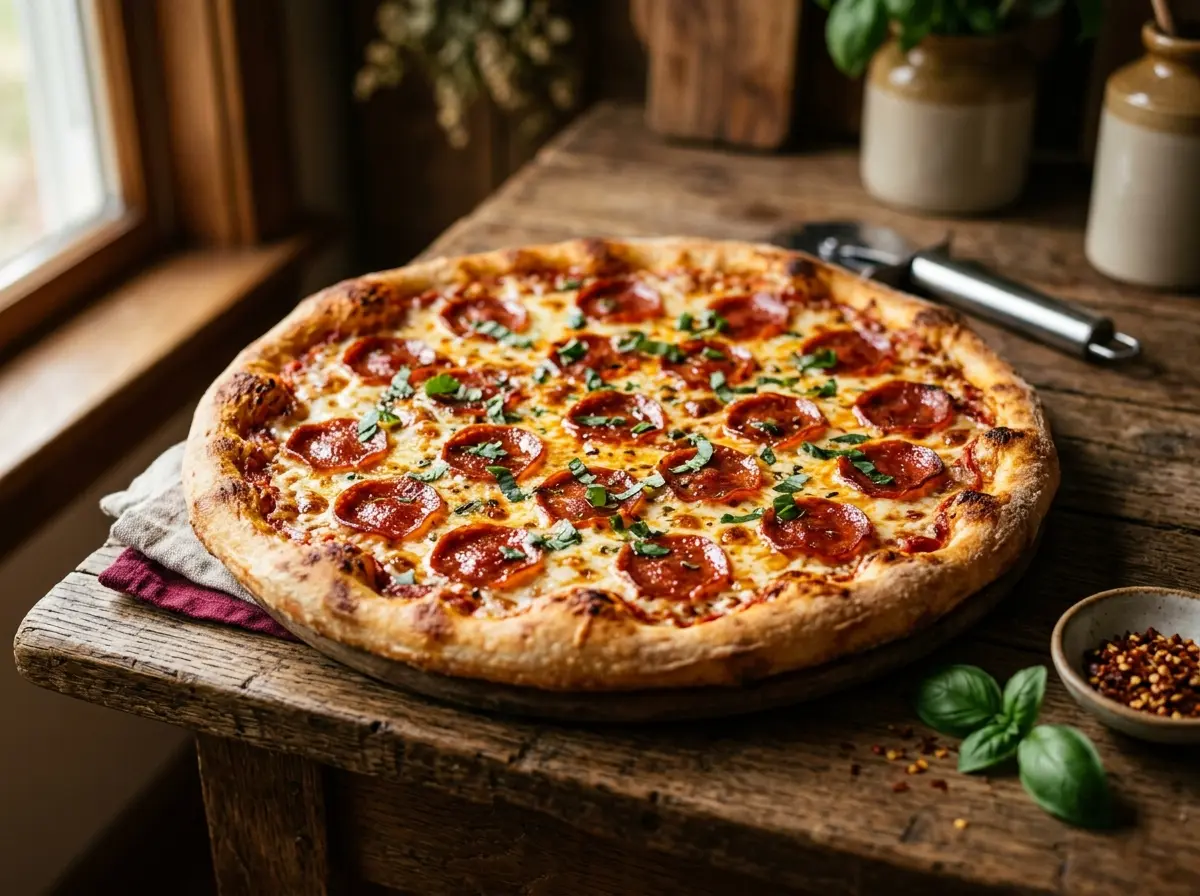
Creating the perfect beef pepperoni pizza at home transforms your kitchen into a pizzeria, delivering crispy crusts and savory toppings that rival any restaurant. This comprehensive guide walks you through every step of crafting an authentic homemade pepperoni pizza using quality beef pepperoni for a family-friendly meal. Whether you’re hosting pizza night or satisfying a weekend craving, this recipe ensures consistent, delicious results every time.
The aroma of freshly baked dough mingling with melted mozzarella and seasoned beef creates an irresistible combination that brings families together. Each bite delivers a satisfying contrast between the crispy crust and tender, flavorful toppings. The key lies in understanding the balance between quality ingredients, proper technique, and timing.
Introduction to Beef Pepperoni Pizza
Why Choose Beef Pepperoni Pizza
Beef pepperoni offers a distinct advantage over traditional pork varieties, providing a rich, robust flavor profile while meeting dietary restrictions for many families. The meat delivers superior protein content and maintains excellent texture during the baking process. Unlike other protein toppings, beef pepperoni releases just enough oils to enhance the pizza without creating excessive grease.
The versatility of this easy pepperoni pizza makes it suitable for various occasions, from casual weeknight dinners to special celebrations. Home cooks appreciate the predictable cooking behavior and consistent results that beef pepperoni provides. The ingredient also pairs exceptionally well with classic pizza flavors like mozzarella, tomato sauce, and Italian herbs.
Overview of Recipe and Key Ingredients
This best pepperoni pizza recipe focuses on three essential components: a perfectly textured dough, a well-balanced sauce, and premium toppings. The foundation begins with high-quality flour that creates the ideal gluten structure for both chewiness and crispiness. Fresh yeast activation ensures proper rise and develops the complex flavors that distinguish homemade pizza from store-bought alternatives.
The sauce component balances acidity, sweetness, and herbs to complement rather than overpower the beef pepperoni. Quality mozzarella cheese provides the creamy richness that binds all flavors together. Understanding how each ingredient contributes to the final product helps home cooks make informed substitutions and adjustments.
Ingredients Breakdown
Dough Ingredients and Tips
The foundation of any exceptional pizza lies in the dough preparation, where bread flour creates superior gluten development compared to all-purpose alternatives. Active dry yeast requires proper activation in warm water (105-115°F) to ensure vigorous fermentation and optimal rise. The addition of olive oil contributes to dough flexibility and enhances the final crust flavor profile.
Salt serves multiple purposes beyond flavor enhancement, strengthening gluten bonds and controlling yeast activity for consistent results. Sugar feeds the yeast during fermentation while contributing to the golden-brown crust color during baking. The hydration ratio between flour and water directly impacts the final texture, with higher hydration creating a more open crumb structure.
Temperature control throughout the mixing and rising process significantly affects dough quality and handling characteristics. Room temperature ingredients blend more easily and create uniform distribution of all components. Proper kneading develops the gluten network that provides structure and enables the dough to trap gases during fermentation.
Sauce and Cheese Selection
A quality pizza sauce recipe begins with premium crushed tomatoes that maintain their texture and bright flavor during cooking. San Marzano tomatoes offer exceptional sweetness and low acidity, though domestic alternatives work well when properly seasoned. Fresh garlic provides aromatic depth while dried oregano and basil contribute classic Italian flavor profiles.
The mozzarella cheese topping selection dramatically influences the final pizza quality, with whole milk varieties providing superior melting characteristics. Low-moisture mozzarella prevents soggy crusts while maintaining excellent stretch and browning properties. Part-skim options reduce overall fat content but may sacrifice some richness and mouthfeel.
Seasoning the sauce requires careful balance, as flavors concentrate during baking and can become overwhelming if over-applied. A pinch of sugar balances tomato acidity naturally without creating noticeable sweetness. Red pepper flakes add gentle heat that complements the beef pepperoni without competing for attention.
Beef Pepperoni and Toppings Options
Quality halal beef pepperoni provides the ideal protein component, offering consistent sizing and optimal fat content for even cooking. The meat should maintain its shape during baking while releasing enough oils to enhance neighboring ingredients. Pre-sliced varieties ensure uniform thickness, which promotes even heating and prevents some pieces from overcooking while others remain underdone.
Additional vegetable toppings should complement rather than overwhelm the primary beef and cheese combination. Bell peppers, red onions, and mushrooms provide textural contrast and nutritional variety without competing flavors. These vegetables should be partially pre-cooked to remove excess moisture that could compromise crust crispiness.
Fresh herbs like basil or oregano added after baking preserve their vibrant flavors and aromatic qualities. Dried herbs incorporated into the sauce provide deep, concentrated flavors that withstand high-heat cooking. The key lies in understanding which seasonings benefit from cooking and which should remain fresh.
Step-by-Step Cooking Instructions
Making Dough from Scratch
Begin the dough preparation by activating yeast in warm water with a small amount of sugar, waiting for visible foam formation within 5-10 minutes. This step confirms yeast viability and ensures proper fermentation throughout the rising process. Combine dry ingredients in a large mixing bowl, creating a well in the center for liquid additions.
Pour the activated yeast mixture and olive oil into the flour well, mixing gradually to prevent lumps and ensure even hydration. Initial mixing can be performed with a wooden spoon before transitioning to hand kneading for better control. The dough should feel slightly sticky initially but become smooth and elastic through proper kneading technique.
Knead the dough for 8-10 minutes until it passes the windowpane test, where a small piece can be stretched thin enough to see light through without tearing. Place the dough in an oiled bowl, cover with a damp cloth, and allow to rise in a warm location for 1-2 hours until doubled in size. Proper fermentation develops complex flavors and creates the desired texture.
Preparing Pizza Sauce
Heat a small amount of olive oil in a saucepan over medium heat, sautéing minced garlic until fragrant but not browned. Add crushed tomatoes, maintaining a gentle simmer to prevent scorching while allowing flavors to meld. The sauce should reduce slightly, concentrating flavors while maintaining a spreadable consistency.
Season with salt, dried oregano, and basil, adjusting quantities based on personal preference and tomato acidity levels. A small amount of sugar balances natural tomato tartness without creating noticeable sweetness in the final product. Simmer for 15-20 minutes, stirring occasionally to prevent sticking and ensure even cooking.
Allow the sauce to cool completely before application to prevent premature cheese melting during assembly. The finished sauce should coat a spoon lightly without being too thick or thin. Taste and adjust seasonings as needed, remembering that flavors will concentrate during pizza baking.
Assembling Your Pizza
Preheat your oven to its highest temperature setting (typically 475-500°F) with a pizza stone or inverted baking sheet inside for optimal heat transfer. Roll the risen dough on a floured surface to your desired thickness, maintaining even consistency throughout. Transfer to a parchment-lined baking sheet or pizza peel dusted with cornmeal to prevent sticking.
Spread the cooled sauce evenly across the dough surface, leaving a 1-inch border for crust formation. Apply sauce sparingly to prevent soggy bottoms while ensuring complete coverage for flavor distribution. The sauce layer should be thin enough to see the dough beneath in some areas.
Distribute mozzarella cheese evenly over the sauce, followed by beef pepperoni placement in a pleasing pattern. Avoid overcrowding toppings, which can prevent proper cooking and create uneven results. The cheese should cover most of the sauce while allowing some visibility for visual appeal.
Baking Tips for Crispy Crust
Transfer the assembled pizza to the preheated stone or baking surface quickly to minimize heat loss and ensure immediate crust setting. Bake for 12-15 minutes, rotating halfway through for even browning and cooking. The crust should achieve golden-brown color while the cheese bubbles and begins to brown in spots.
Monitor the bottom crust by lifting one edge with a spatula, ensuring it reaches golden-brown color before removing from the oven. An undercooked bottom creates a disappointing texture that cannot be corrected after cooling. The cheese should be fully melted with attractive browning on the surface.
Allow the finished pizza to cool for 3-5 minutes before slicing, enabling the cheese to set slightly for cleaner cuts. This brief cooling period also prevents burns while maintaining optimal serving temperature. Use a sharp pizza wheel or chef’s knife for clean, even slices.
Troubleshooting Common Issues
Dough Problems and Fixes
Dense or heavy dough often results from insufficient yeast activation, expired yeast, or inadequate rising time in cool environments. Check yeast expiration dates and test activation before proceeding with recipe preparation. If dough fails to rise properly, move to a warmer location or create a proofing environment using a slightly warm oven.
Sticky dough that refuses to hold shape typically indicates excess hydration or insufficient gluten development through kneading. Add small amounts of flour gradually while continuing to knead until proper consistency is achieved. Over-flouring can create tough results, so add conservatively and assess frequently.
Tough or chewy crusts usually stem from over-kneading, too much flour, or excessive baking time. Monitor kneading progress carefully and stop once the dough becomes smooth and elastic. Adjust flour quantities based on humidity and environmental conditions that affect absorption rates.
Overcooked or Undercooked Pizza
Burnt tops with undercooked bottoms indicate oven temperature imbalances or improper rack positioning. Move the pizza to a lower oven rack or reduce temperature slightly while extending cooking time. Using a pizza stone helps distribute heat more evenly and prevents this common issue.
Soggy centers result from excess sauce, wet toppings, or insufficient oven temperature that prevents proper moisture evaporation. Drain vegetables before adding and apply sauce sparingly to prevent moisture accumulation. Ensure oven reaches full temperature before baking begins.
Uneven cooking across the pizza surface suggests hot spots in the oven or improper rotation during baking. Rotate the pizza 180 degrees halfway through cooking time for even browning. Consider using a baking stone to moderate temperature variations and improve heat distribution.
Storage, Reheating, and Leftovers
How to Store Pizza Properly
Proper storage begins with complete cooling to room temperature before refrigeration, preventing condensation that creates soggy crusts. Wrap individual slices in plastic wrap or aluminum foil, or store in airtight containers with parchment paper between layers. Refrigerated pizza maintains quality for 3-4 days when stored correctly.
Freezing extends storage life to 2-3 months, though texture changes are inevitable with frozen storage. Wrap slices individually in plastic wrap, then place in freezer bags with air removed to prevent freezer burn. Label with dates to track storage time and maintain food safety standards.
Avoid storing pizza in cardboard boxes for extended periods, as the material absorbs moisture and affects flavor quality. Transfer to appropriate storage containers within 2 hours of cooking to maintain food safety. Room temperature storage should not exceed 2 hours to prevent bacterial growth.
Best Reheating Methods
Oven reheating produces the best results for maintaining crust crispiness and even heating throughout. Preheat to 350°F and place pizza on a baking sheet or directly on oven racks for 5-7 minutes. Cover with foil if browning occurs too quickly before internal heating is complete.
Skillet reheating offers excellent bottom crust crispiness while gently warming toppings with residual heat. Place pizza in a covered skillet over medium-low heat for 2-3 minutes until the bottom crisps and cheese begins to melt. This method works particularly well for single servings.
Microwave reheating, while convenient, typically produces inferior texture results with soggy crusts and unevenly heated toppings. If using this method, place a glass of water in the microwave alongside the pizza to add moisture and prevent complete dehydration. Heat in 30-second intervals to prevent overcooking.
Nutritional Information and Variations
Calorie Breakdown and Health Tips
Understanding the nutritional profile of your beef and pepperoni pizza recipe helps with meal planning and dietary balance. A standard slice provides substantial protein from both the cheese and beef pepperoni, supporting muscle maintenance and satiety. The carbohydrates from the crust supply energy for active lifestyles and daily activities.
Portion control plays a crucial role in incorporating pizza into a balanced diet without exceeding daily caloric needs. Pairing pizza with a large salad or vegetable side dish increases fiber content and provides essential micronutrients. This combination creates a more balanced meal profile while maintaining satisfaction.
The calcium content from mozzarella cheese supports bone health, while the iron from beef pepperoni contributes to healthy blood formation. Choosing whole grain flour for the dough increases fiber content and provides additional B vitamins. These modifications enhance the nutritional value without significantly altering taste or texture.
Halal and Family-Friendly Modifications
This family-friendly beef pizza recipe accommodates various dietary preferences through simple ingredient substitutions. Halal certification ensures the beef pepperoni meets religious dietary requirements while maintaining authentic flavor profiles. All other ingredients in this recipe naturally comply with halal guidelines.
Dairy-free versions can substitute plant-based mozzarella alternatives, though texture and melting characteristics may vary from traditional cheese. Nutritional yeast adds umami flavor that complements the beef pepperoni when dairy-free cheese options fall short. These substitutions allow families with dietary restrictions to enjoy pizza night together.
Gluten-free modifications require specialty flour blends designed for pizza dough, though texture differences are noticeable compared to traditional wheat-based crusts. Cauliflower or alternative vegetable crusts provide lower-carbohydrate options for those following specific dietary protocols. For more ground beef pizza inspirations, explore our collection of versatile dinner recipes.
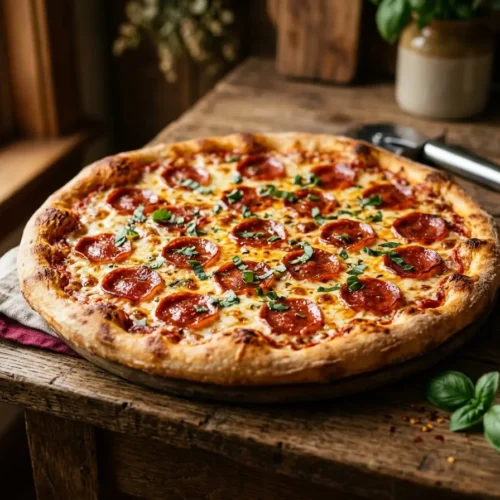
Homemade Beef Pepperoni Pizza
Equipment
- Large mixing bowl
- Kitchen Scale
- Measuring cups and spoons
- Pizza Stone or Large Baking Sheet
- Rolling Pin
- Clean kitchen towel
- Pizza Peel or Large Spatula
- Small saucepan
- Wooden Spoon
Ingredients
- 2 cups All-Purpose Flour or whole wheat flour for healthier option
- 1 teaspoon Active Dry Yeast
- 3/4 cup Warm Water 110°F/43°C
- 1 tablespoon Olive Oil
- 1 teaspoon Salt
- 1 teaspoon Sugar to activate yeast
- 1 can Tomato Sauce 8 oz/227g
- 2 cloves Garlic minced
- 1 teaspoon Dried Oregano
- 1/2 teaspoon Dried Basil
- 1/2 teaspoon Salt
- 1/4 teaspoon Black Pepper
- 1 tablespoon Olive Oil
- 1 1/2 cups Mozzarella Cheese shredded, 6 oz/170g
- 1/2 cup Parmesan Cheese grated
- 4 oz Halal Beef Pepperoni sliced, or turkey pepperoni
- 1/2 medium Bell Pepper sliced, optional
- 1/4 medium Red Onion thinly sliced, optional
- 1/4 cup Black Olives sliced, optional
Instructions
- In a small bowl, combine warm water (110°F/43°C) and sugar. Sprinkle yeast over the water and let stand for 5-10 minutes until foamy and activated.
- In a large mixing bowl, combine flour and salt. Make a well in the center and add the activated yeast mixture and olive oil.
- Mix until a shaggy dough forms, then knead on a lightly floured surface for 8-10 minutes until smooth and elastic. The dough should spring back when poked.
- Place dough in a lightly oiled bowl, cover with a damp towel, and let rest for 10 minutes while preparing other components.
- Heat olive oil in a small saucepan over medium heat. Add minced garlic and sauté for 30 seconds until fragrant.
- Add tomato sauce, oregano, basil, salt, and pepper. Simmer for 5-8 minutes, stirring occasionally, until slightly thickened. Set aside to cool.
- Preheat oven to 475°F (246°C). If using a pizza stone, place it in the oven while preheating.
- Roll out dough on a floured surface to a 12-14 inch circle. Transfer to a greased baking sheet or pizza peel if using a stone.
- Spread pizza sauce evenly over dough, leaving a 1-inch border for the crust. Sprinkle mozzarella and Parmesan cheeses evenly.
- Arrange halal beef pepperoni slices and any optional vegetables (bell peppers, onions, olives) over the cheese.
- Bake for 12-15 minutes until crust is golden brown and cheese is bubbly and lightly browned in spots.
- Remove from oven and let cool for 2-3 minutes before slicing. Cut into 8 wedges and serve immediately.
Notes
For best results, ensure water temperature is between 105-115°F (40-46°C) to properly activate yeast. If dough feels sticky during kneading, add flour 1 tablespoon at a time. OVEN TEMPERATURE GUIDANCE:
Preheat oven to 475°F (246°C) for crispy crust. If your oven runs hot, reduce to 450°F (232°C). Pizza is done when crust is golden and cheese bubbles. INGREDIENT SUBSTITUTIONS:
Whole wheat flour can replace up to half the all-purpose flour for added nutrition. Turkey pepperoni or halal beef sausage work as pepperoni alternatives. Fresh mozzarella adds extra flavor but should be patted dry first. STORAGE:
Leftover pizza keeps in refrigerator for 3-4 days. Reheat in 350°F oven for 5-8 minutes to restore crispness. Dough can be made ahead and refrigerated up to 24 hours.
Nutrition Highlights (Per Serving – Approximate)
Understanding your food’s composition is key to balanced eating. Here is an approximate nutritional breakdown calculated for a standard serving based on wholesome preparation guidelines:
Culinary Selection Notes
- Adjusting sweetener densities or using refined-sugar alternatives will directly optimize the overall glycemic load without breaking structural balance.
- Focusing on high-quality whole fats maximizes trace micronutrient retention across low-temperature or baking environments.
Conclusion
Summary of Key Points
Mastering the art of crispy beef pepperoni pizza requires attention to detail across three fundamental areas: dough preparation, quality ingredients, and proper baking technique. The foundation begins with activating yeast correctly and developing gluten through adequate kneading and rising time. High-quality beef pepperoni provides superior flavor while meeting diverse dietary requirements for modern families.
Temperature control throughout the process ensures consistent results, from yeast activation through final baking stages. The balance between sauce, cheese, and toppings creates harmonious flavors without overwhelming any single component. Proper storage and reheating techniques extend enjoyment beyond the initial meal while maintaining quality standards.
Understanding common troubleshooting scenarios empowers home cooks to adjust techniques and achieve professional-quality results consistently. The nutritional benefits of homemade pizza, combined with ingredient control and customization options, make this recipe valuable for regular meal planning. For more delicious options, try our baked parmesan crusted chicken for another family favorite.
Encouragement to Try and Share Your Pizza
The satisfaction of creating restaurant-quality beef pepperoni pizza in your own kitchen extends far beyond the delicious results. Each attempt builds confidence and technique, leading to personalized variations that reflect individual tastes and preferences. The process becomes an enjoyable activity that brings families together around food preparation and shared meals.
Sharing your homemade pizza creations with friends and family creates lasting memories while showcasing your culinary skills. Document your variations and improvements to build a personalized recipe collection that evolves with experience. The techniques learned through pizza making translate to other bread-based recipes and expand overall cooking capabilities.
Start with this foundational recipe and gradually experiment with different toppings, sauce variations, and crust modifications to discover your perfect combination. The journey toward pizza perfection rewards patience and practice with increasingly satisfying results that surpass any delivery option.