Turkish Delight Recipe: Easy Homemade Treat Guaranteed Delicious
Learn how to make perfect Turkish delight at home with our easy recipe. Enjoy a soft, sweet treat with simple ingredients. Get the recipe today.
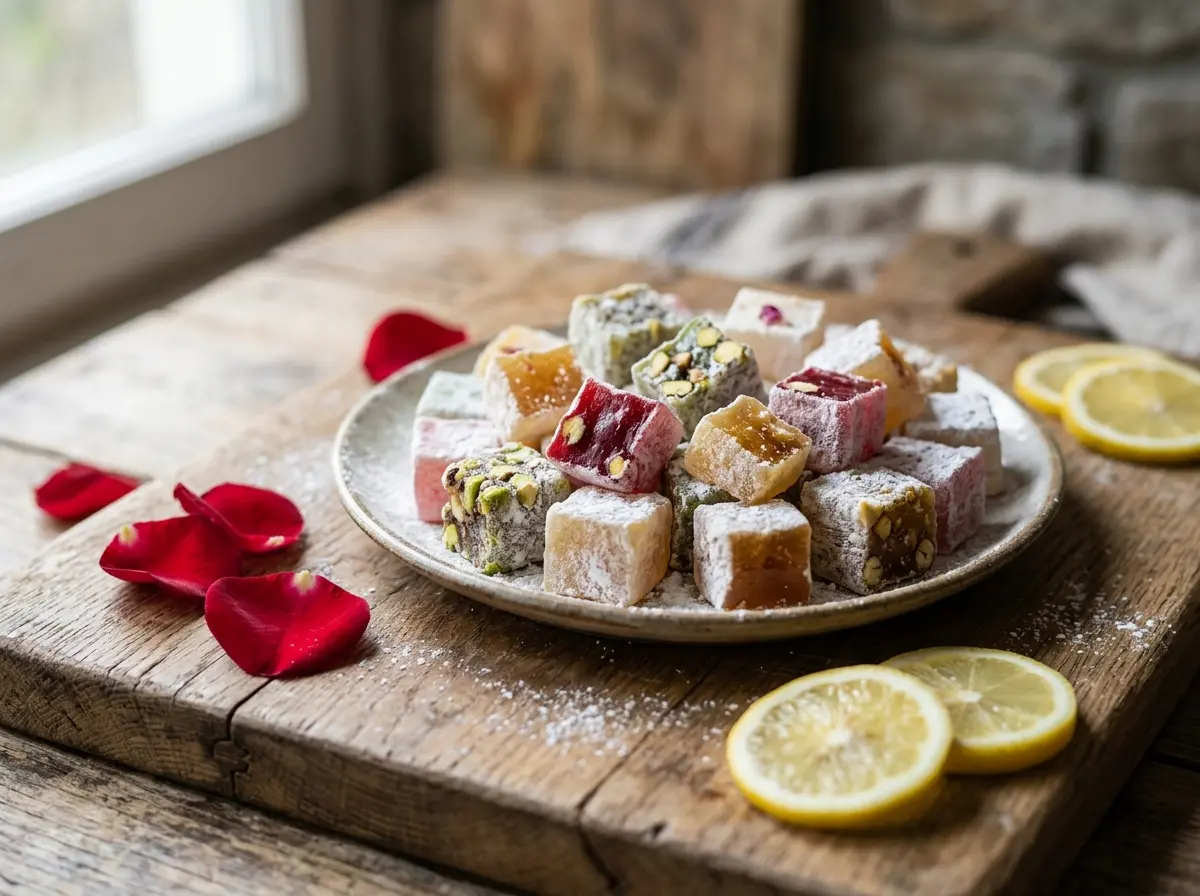
Turkish delight represents one of the world’s most enchanting confections, combining delicate texture with aromatic flavors that transport your senses to the bustling markets of Istanbul. This traditional sweet treat offers a perfect balance of soft, gel-like consistency and subtle floral notes that make it irresistible to candy lovers worldwide.
Creating authentic homemade turkish delight requires patience and precision, but the results are incredibly rewarding. The process transforms simple ingredients into an elegant confection that showcases the artistry of traditional Turkish confectionery making.
Introduction to Turkish Delight
History and Cultural Significance of Turkish Delight
Turkish delight, known as “lokum” in Turkish, emerged in the Ottoman Empire during the 18th century as a palace delicacy. The confection gained international fame through literature, particularly C.S. Lewis’s “The Chronicles of Narnia,” where it captivated readers’ imaginations. This sweet treat became a symbol of Ottoman hospitality and culinary sophistication.
Traditional confectioners in Istanbul’s Grand Bazaar have perfected their lokum recipe techniques across generations. The craft requires mastering temperature control and timing to achieve the characteristic texture. Each family often guards their specific flavor combinations and preparation secrets.
What Makes Authentic Turkish Delight Unique
Authentic turkish delight distinguishes itself through its distinctive gel-like consistency that yields gently to the bite. The texture results from carefully controlled starch gelatinization combined with precise sugar crystallization. Quality lokum maintains its shape while melting smoothly on the tongue.
Traditional varieties showcase natural flavor profiles derived from rose water, lemon, or mastic resin. The confection’s surface receives a generous dusting of powdered sugar or coconut flakes. This coating prevents sticking while adding textural contrast to the soft interior.
Ingredients Overview
Traditional Ingredients Explained
The foundation of any homemade turkish delight relies on four core components that work together harmoniously. Granulated sugar provides sweetness and structure through controlled crystallization processes. Cornstarch acts as the primary thickening agent, creating the characteristic gel matrix that defines lokum’s texture.
Water serves as the cooking medium, allowing sugar dissolution and starch activation at specific temperatures. Cream of tartar functions as an acidic agent, preventing unwanted sugar crystallization during the cooking process. These ingredients must maintain precise ratios to achieve authentic results.
Food-grade rose water or lemon juice adds the signature aromatic notes that distinguish quality turkish delight. Natural food coloring enhances visual appeal without compromising flavor integrity. Powdered sugar for dusting completes the traditional preparation method.
Healthier and Natural Ingredient Alternatives
Modern health-conscious bakers can adapt traditional recipes using natural sweetener alternatives. Coconut sugar provides similar caramelization properties while offering trace minerals and lower glycemic impact. Date syrup creates rich sweetness with added fiber content and antioxidant benefits.
Agar-agar powder serves as an excellent plant-based substitute for gelatin-based thickening systems. This seaweed-derived gelling agent produces comparable texture results while remaining completely vegetarian. Natural fruit purees can replace artificial food coloring while adding nutritional value.
Gluten-Free and Sugar-Free Options
Creating gluten free turkish delight requires careful attention to starch selection and cross-contamination prevention. Certified gluten-free cornstarch ensures safe consumption for individuals with celiac disease or gluten sensitivity. Tapioca starch provides similar thickening properties with slightly different texture characteristics.
Sugar free turkish delight utilizes erythritol or monk fruit sweetener as primary sugar replacements. These alternatives maintain cooking stability while reducing overall carbohydrate content significantly. Xanthan gum helps bind ingredients when traditional sugar structure is absent.
Always verify that all flavoring extracts and food colorings carry gluten-free certification. Some commercial food colorings may contain wheat-derived stabilizers that compromise dietary requirements. Natural alternatives like beetroot powder or turmeric provide safe coloring options.
Equipment Needed
Essential Tools for Perfect Results
Successful lokum recipe execution requires specific kitchen equipment designed for candy-making precision. A heavy-bottomed saucepan distributes heat evenly, preventing hot spots that could cause scorching or uneven cooking. Stainless steel or enameled cast iron work best for temperature stability.
A wooden spoon provides gentle stirring without scratching cookware surfaces or conducting excessive heat. Silicone spatulas help scrape mixture from pan sides efficiently. A fine-mesh strainer removes any lumps from starch mixtures before cooking begins.
An 8×8 inch square baking pan lined with parchment paper creates the ideal setting environment. The paper prevents sticking while allowing easy removal after cooling. A sharp knife ensures clean cutting through set confections.
Using a Cooking Thermometer for Sugar Stages
A reliable digital candy thermometer eliminates guesswork from sugar stage identification during turkish delight preparation. The mixture must reach exactly 240°F (116°C) to achieve proper consistency without overcooking. Clip-on thermometers provide hands-free monitoring throughout the process.
Calibrate your thermometer in boiling water before each use to ensure accuracy. Temperature variations of just 5-10 degrees can dramatically alter final texture results. Infrared thermometers offer non-contact alternatives but require steady aim at the mixture surface.
Step-by-Step Recipe Guide
Preparing the Sugar Syrup Correctly
Creating perfect sugar syrup forms the foundation of exceptional easy turkish delight texture and flavor development. Begin by combining sugar, water, and cream of tartar in your heavy-bottomed saucepan without stirring initially. This prevents premature crystallization that could compromise final results.
Heat the mixture over medium-high heat until it reaches a rolling boil, then reduce to medium heat for controlled cooking. Avoid stirring once boiling begins to prevent sugar crystal formation. The syrup will gradually thicken and develop a light golden color as it approaches the target temperature.
Monitor temperature closely as the mixture approaches 240°F (116°C), adjusting heat as needed to prevent scorching. The syrup should coat a spoon heavily when properly cooked. Remove from heat immediately upon reaching target temperature to prevent overcooking.
Mixing and Cooking Techniques
Proper incorporation of starch mixture requires gradual addition to prevent lumping and ensure smooth texture. Whisk cornstarch with cold water separately until completely dissolved before adding to hot syrup. This creates a smooth slurry that integrates seamlessly into the sugar base.
Pour the starch mixture slowly into hot syrup while whisking continuously to prevent clumping. The mixture will thicken rapidly as starch granules gelatinize in the hot liquid. Maintain steady stirring to ensure even cooking throughout the mixture.
Continue cooking over medium-low heat for 45-60 minutes, stirring frequently to prevent sticking. The mixture gradually transforms from cloudy to translucent as starch fully cooks. Proper doneness shows clear, gel-like consistency when tested on a cold plate.
How to Achieve the Right Texture
Recognizing proper texture development requires understanding visual and tactile cues throughout the cooking process. The mixture begins as a thin, cloudy liquid and gradually thickens into a translucent gel. Properly cooked traditional turkish delight mixture coats the spoon heavily and drops in thick ribbons.
Test doneness by dropping a small amount onto a cold plate – it should hold its shape without spreading. The mixture should feel smooth between your fingers without any grittiness from undissolved starch. Overcooking results in rubbery texture, while undercooking produces a sticky, soft consistency.
Setting and Cutting Turkish Delight
Proper setting requires patience and appropriate environmental conditions for optimal results. Pour the finished mixture into your prepared pan immediately while still hot for even distribution. Tap the pan gently to release air bubbles that could create texture irregularities.
Allow the mixture to cool completely at room temperature for 4-6 hours before attempting to cut. Refrigeration speeds the process but may create condensation issues. The surface should feel firm and spring back lightly when touched.
Cut into uniform squares using a sharp, clean knife dipped in powdered sugar between cuts. This prevents sticking and ensures clean edges. Dust all cut surfaces immediately with powdered sugar to prevent pieces from adhering together.
Troubleshooting Common Issues
Texture Problems and How to Fix Them
Grainy or crystallized texture typically results from stirring sugar syrup too early or cooking at excessive temperatures. If crystals form during cooking, add a tablespoon of warm water and gently swirl without stirring. This dissolves existing crystals and prevents further formation.
Sticky or overly soft consistency indicates undercooking or insufficient starch gelatinization. Return the mixture to low heat and continue cooking while stirring constantly until proper thickness develops. Test frequently on a cold plate to monitor progress.
Rubbery or tough texture occurs from overcooking or excessive heat during the final stages. Unfortunately, this cannot be corrected once set. Prevention requires careful temperature monitoring and removing from heat at the first sign of proper doneness.
Visual Indicators for Doneness
Properly cooked rose turkish delight mixture exhibits specific visual characteristics that indicate readiness for setting. The mixture transitions from opaque white to translucent amber as starch fully cooks. Steam production decreases significantly as water content reduces to appropriate levels.
Surface bubbling changes from rapid, small bubbles to slower, larger ones as thickness increases. The mixture should coat your wooden spoon heavily and drip in thick ribbons rather than thin streams. These visual cues provide reliable indicators even without thermometer readings.
Variations and Flavor Ideas
Rose Turkish Delight
Rose turkish delight represents the most classic and beloved variation of this traditional confection. High-quality rose water provides the signature floral aroma without overwhelming sweetness. Add rose water gradually during the final cooking stages to preserve delicate flavor compounds.
Natural pink coloring enhances visual appeal while maintaining authentic presentation. Beetroot powder or natural red food coloring creates beautiful pale pink hues. Avoid artificial rose flavoring, which produces harsh, perfume-like notes that compromise authenticity.
Garnish finished pieces with dried rose petals for elegant presentation and intensified aroma. Store rose petals separately until serving to prevent moisture absorption. This variation pairs beautifully with mint tea or Turkish coffee for traditional serving presentations.
Lemon Turkish Delight
Lemon turkish delight offers bright, citrusy notes that provide refreshing contrast to traditional floral varieties. Fresh lemon juice and zest create natural flavor without artificial additives. Add citrus components after cooking to preserve volatile oils and maintain bright taste.
Yellow coloring from turmeric powder provides natural tinting without compromising flavor profiles. The earthy notes complement citrus beautifully while avoiding artificial dyes. Strain lemon juice to remove pulp that could affect smooth texture.
Natural Flavor Extracts and Food Coloring Alternatives
Natural flavor development relies on pure extracts and whole ingredient additions rather than artificial compounds. Vanilla bean paste creates rich, aromatic notes with visible specks for visual interest. Orange blossom water provides delicate floral notes similar to rose but with citrus undertones.
Natural food coloring alternatives include:
- Spirulina powder for green hues
- Butterfly pea flower tea for blue tones
- Turmeric for golden yellow colors
- Beetroot powder for pink and red shades
These natural colorants may slightly alter flavor profiles, so adjust quantities accordingly. Test small batches to determine optimal color and flavor balance for your preferences.
Storage and Serving
Best Practices to Store Turkish Delight
Proper turkish delight storage maintains texture and prevents moisture absorption that could compromise quality. Store finished pieces in airtight containers with parchment paper layers between rows to prevent sticking. Glass or plastic containers work equally well when properly sealed.
Maintain consistent room temperature storage to prevent condensation formation inside containers. Refrigeration causes moisture problems and texture changes that diminish eating quality. Properly stored lokum remains fresh for 2-3 weeks at room temperature.
Dust pieces with additional powdered sugar if they become sticky during storage. This indicates moisture absorption and requires immediate attention. Silica gel packets help control humidity in storage containers for extended freshness.
Gift Packaging Tips for Homemade Treats
Beautiful presentation elevates homemade treats into memorable gifts that showcase your culinary skills. Clear cellophane bags tied with ribbon allow recipients to see the colorful confections while protecting from moisture. Include preparation date labels for freshness tracking.
Small decorative boxes lined with tissue paper create elegant presentations for special occasions. Arrange pieces in single layers to prevent crushing during transport. Include flavor identification cards for mixed variety gift boxes.
Consider pairing with complementary treats like chocolate rice krispie balls or no-bake chocolate peanut butter bars for diverse dessert collections.
Traditional Turkish Delight (Lokum)
Equipment
- Heavy-bottomed saucepan
- Digital candy thermometer
- Wooden Spoon
- Fine mesh strainer
- 8x8 inch square baking pan
- Kitchen scale (for precise measurements)
- Whisk
Ingredients
- 4 cups Water divided (3 cups + 1 cup)
- 4 cups Organic Granulated Sugar or coconut sugar for natural alternative
- 1.25 cups Cornstarch sifted to remove lumps
- 1 teaspoon Cream of Tartar
- 1 tablespoon Pure Rose Water or 1 tsp pure vanilla extract
- 3 drops Natural Red Food Coloring beet juice or pomegranate concentrate (optional)
- 1 tablespoon Fresh Lemon Juice
- 0.5 cup Powdered Sugar organic preferred
- 0.25 cup Cornstarch for dusting mixture
Instructions
- Line an 8x8 inch baking pan with parchment paper, leaving overhang for easy removal. Lightly grease with neutral oil.
- In a small bowl, whisk together powdered sugar and cornstarch for dusting. Set aside.
- In a separate bowl, whisk 1 cup cold water with cornstarch until completely smooth with no lumps. Strain through fine-mesh strainer if needed.
- In heavy-bottomed saucepan, combine 3 cups water, sugar, and cream of tartar. Bring to boil over medium-high heat, stirring until sugar dissolves completely.
- Attach candy thermometer to pan. Continue boiling without stirring until mixture reaches 240°F (115°C) - soft ball stage. This takes 15-20 minutes.
- Reduce heat to medium-low. Slowly whisk in the cornstarch slurry in a thin, steady stream while whisking constantly to prevent lumps.
- Continue cooking, stirring constantly with wooden spoon, until mixture thickens significantly and turns pale golden - about 20-25 minutes. The mixture should coat the spoon and leave a clear trail when stirred.
- Remove from heat. Stir in rose water (or vanilla), lemon juice, and natural food coloring if using. Mix until evenly distributed.
- Pour immediately into prepared pan, smoothing top with offset spatula. Let cool completely at room temperature for 4 hours or overnight until firm and set.
- Once set, lift Turkish delight from pan using parchment overhang. Place on cutting board.
- Using sharp knife dipped in powdered sugar mixture, cut into 1-inch squares. Clean knife between cuts for neat edges.
- Roll each piece in powdered sugar-cornstarch mixture to coat all sides completely. This prevents sticking.
Notes
The mixture is ready when it coats a wooden spoon heavily and leaves a clear trail that doesn't immediately fill in when stirred. The color should be pale golden, not clear. STORAGE:
Store in airtight container at room temperature for up to 2 weeks. Layer between parchment paper and dust with extra powdered sugar mixture if pieces become sticky. TROUBLESHOOTING:
If mixture is too soft after setting, it wasn't cooked long enough. If too firm or rubbery, it was overcooked. Lumpy texture means cornstarch wasn't fully dissolved before adding. SCALING:
Recipe can be halved for smaller batches or doubled for larger yields. Cooking times may vary slightly - rely on visual cues and temperature readings rather than exact timing.
Nutrition Highlights (Per Serving – Approximate)
Understanding your food’s composition is key to balanced eating. Here is an approximate nutritional breakdown calculated for a standard serving based on wholesome preparation guidelines:
Culinary Selection Notes
- Adjusting sweetener densities or using refined-sugar alternatives will directly optimize the overall glycemic load without breaking structural balance.
- Focusing on high-quality whole fats maximizes trace micronutrient retention across low-temperature or baking environments.
Nutritional Information
Calories and Ingredient Health Notes
Traditional turkish candy recipe provides primarily carbohydrate-based energy with minimal protein or fat content. Each piece contains approximately 95 calories, making portion control important for balanced dietary planning. The high sugar content provides quick energy but should be consumed mindfully.
Rose water offers potential aromatherapy benefits and may support digestive comfort when consumed in small amounts. Natural fruit-based colorings contribute trace amounts of antioxidants compared to artificial alternatives. Cornstarch provides easily digestible carbohydrates without gluten concerns.
Sugar-Free and Gluten-Free Nutritional Benefits
Sugar free turkish delight variations significantly reduce caloric content while maintaining satisfying sweetness levels. Erythritol-based versions contain approximately 60% fewer calories than traditional recipes. These alternatives support blood sugar management for individuals with diabetes or metabolic concerns.
Gluten free turkish delight naturally accommodates celiac disease and gluten sensitivity requirements without texture compromises. The absence of wheat-based thickeners makes this confection accessible to broader dietary needs. Always verify ingredient certifications to prevent cross-contamination issues.
Frequently Asked Questions
How long does homemade turkish delight last?
Properly stored homemade lokum maintains quality for 2-3 weeks at room temperature in airtight containers. Avoid refrigeration, which causes texture changes and moisture problems.
Can I make turkish delight without corn starch?
Yes, substitute tapioca starch or potato starch in equal amounts for similar thickening properties. Agar-agar powder works but creates slightly different texture characteristics.
Why did my turkish delight turn out too soft?
Soft texture typically indicates undercooking or insufficient temperature during preparation. Return mixture to heat and continue cooking until proper consistency develops on cold plate tests.
Is it possible to fix crystallized sugar syrup?
Add warm water and gently swirl without stirring to dissolve existing crystals. Prevent future crystallization by avoiding stirring once boiling begins and maintaining proper temperatures.
What’s the best way to cut turkish delight cleanly?
Use a sharp knife dipped in powdered sugar between cuts to prevent sticking. Clean the blade frequently and dust cut surfaces immediately with additional powdered sugar.
Conclusion and Encouragement to Try the Recipe
Creating authentic turkish delight at home brings the magic of Ottoman confectionery into your own kitchen with surprisingly achievable techniques. This traditional sweet reward your patience and precision with textures and flavors that rival professional confectioners. The process itself becomes a meditative practice in culinary artistry.
Don’t be discouraged if your first attempt doesn’t achieve perfection – even experienced candy makers refine their technique over multiple batches. Each cooking session teaches valuable lessons about temperature control, timing, and texture recognition. Your homemade results will improve dramatically with practice and attention to detail.
Share your beautiful creations with family and friends, or explore other delightful treats like jello chocolate pudding recipe to expand your dessert repertoire. The joy of homemade confections lies not only in the final product but in the satisfaction of mastering traditional techniques that connect us to culinary heritage across cultures and generations.