Deviled Eggs Recipe: Easy Homemade Perfect Party Appetizer
Learn how to make the perfect deviled eggs recipe with creamy filling and simple steps. Get this quick, foolproof party appetizer today.
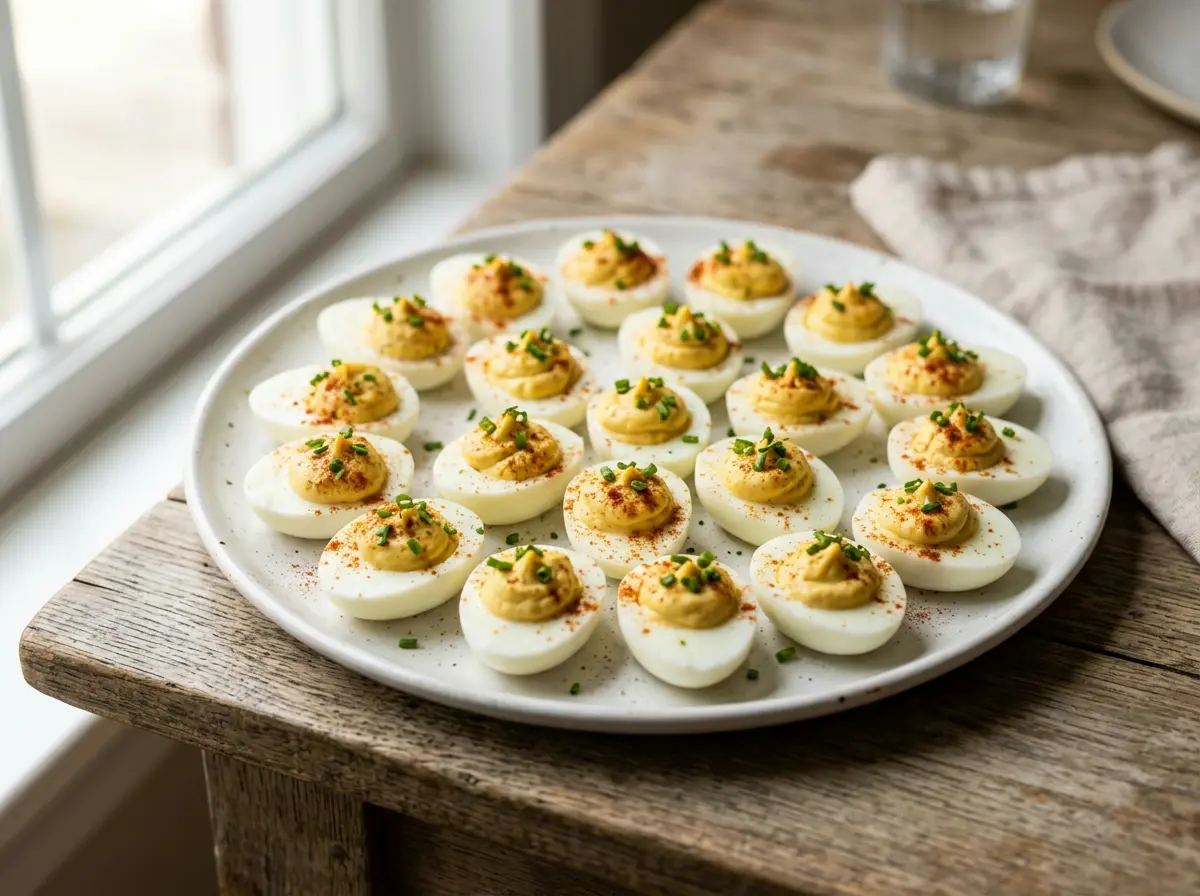
This deviled eggs recipe delivers the perfect balance of creamy texture and tangy flavor that transforms ordinary hard-boiled eggs into an irresistible party appetizer. Whether you’re hosting a holiday gathering or preparing a quick snack, these classic deviled eggs never fail to impress with their smooth, velvety filling and elegant presentation. The secret lies in mastering the proper egg preparation and achieving that signature silky texture everyone craves.
Picture the satisfying moment when you bite into a perfectly crafted deviled egg – the tender egg white gives way to a rich, creamy filling that melts on your tongue. The subtle tang from quality mayonnaise blends harmoniously with the natural richness of egg yolks, while a hint of mustard adds just the right amount of brightness. These easy deviled eggs showcase how simple ingredients can create something truly special when prepared with care.
Ingredients
The beauty of classic deviled eggs lies in their simplicity – just a handful of pantry staples transforms into something extraordinary. Fresh eggs form the foundation, while quality mayonnaise provides the creamy base that makes these southern deviled eggs so memorable. Each ingredient plays a crucial role in achieving that perfect balance of flavor and texture.
Yellow mustard adds the signature tang that distinguishes authentic deviled eggs from ordinary egg salad preparations. A touch of paprika not only provides visual appeal but also contributes a subtle smokiness that complements the rich yolk filling. When selecting ingredients, opt for the freshest eggs possible and full-fat mayonnaise for optimal creaminess.
Perfect Deviled Eggs Recipe Instructions
Mastering the art of perfect deviled eggs requires attention to detail at every step, from properly cooking the eggs to achieving the ideal filling consistency. The process begins with creating flawlessly hard-boiled eggs that peel cleanly without damaging the delicate whites. Temperature control and timing are essential for preventing that unsightly gray ring around the yolks while ensuring complete cooking throughout.
Preparing and Peeling Hard Boiled Eggs
The foundation of exceptional homemade deviled eggs starts with properly prepared hard-boiled eggs that peel effortlessly. Using eggs that are at least one week old significantly improves peeling success, as the pH changes over time make the shell separate more easily from the white. Starting with room temperature eggs prevents cracking when they hit the boiling water.
Place eggs in a single layer in a heavy-bottomed saucepan and cover completely with cold water. Bring to a rolling boil over high heat, then immediately remove from heat and cover tightly. Let stand for exactly 12 minutes for large eggs, then transfer immediately to an ice bath to stop the cooking process.
The ice bath technique is crucial for preventing overcooking and that unappetizing gray-green ring around the yolks. Allow eggs to cool completely in the ice water for at least 10 minutes before peeling. Gently crack the shell all over and start peeling from the wider end where the air pocket is located.
Making the Creamy Filling
Creating silky-smooth filling separates good deviled eggs from truly exceptional ones. After halving the cooled eggs lengthwise, carefully remove the yolks and place them in a fine-mesh strainer. Using the back of a spoon, press the yolks through the strainer directly into your mixing bowl – this technique eliminates lumps and creates an incredibly smooth base.
Add mayonnaise gradually, starting with less than you think you need, as you can always add more but cannot take it away. The ideal consistency should be creamy enough to pipe smoothly but firm enough to hold its shape. A fork works better than a whisk for initial mixing, as it helps break down any remaining yolk pieces without incorporating too much air.
Season the mixture thoughtfully, tasting as you go. Yellow mustard provides tang, while a pinch of salt enhances all the flavors. Some recipes benefit from a tiny amount of pickle juice or apple cider vinegar for extra brightness, but these simple deviled eggs shine with minimal seasoning.
Piping Techniques for Perfect Presentation
Professional-looking presentation elevates these party appetizer eggs from homemade to restaurant-quality. A piping bag fitted with a star tip creates beautiful rosettes, but a simple zip-top bag with the corner snipped works equally well for home cooks. Fill the bag only halfway to maintain control during piping.
Hold the piping bag perpendicular to the egg white and apply steady, even pressure. Start from the outside edge and spiral inward, building height as you go. This technique creates an attractive dome that showcases the creamy filling while providing ample surface area for garnishes.
For those preferring a rustic approach, a small spoon creates charming, slightly imperfect mounds that emphasize the homemade appeal. Regardless of your chosen method, work quickly once the filling is prepared to maintain optimal texture and temperature.
Variations
While traditional deviled eggs remain timelessly popular, creative variations can transform this classic appetizer into something uniquely your own. The basic technique stays consistent, but flavor additions open up endless possibilities for customization. Understanding how different ingredients interact with the creamy base ensures successful experimentation without compromising texture.
Herb and Spice Variations
Fresh herbs elevate the best deviled eggs from ordinary to extraordinary with minimal effort. Finely chopped chives add a mild onion flavor that complements the rich yolks without overwhelming the delicate balance. Dill provides a bright, tangy note that pairs beautifully with the creamy filling, while fresh parsley contributes color and a clean, fresh taste.
Spice variations offer another dimension of flavor complexity. Sweet paprika remains the classic garnish, but smoked paprika introduces a subtle smokiness that adds depth. A tiny pinch of cayenne pepper provides gentle heat for those who enjoy a bit of spice, while garlic powder offers savory richness without the texture concerns of fresh garlic.
For international flair, consider curry powder for warmth and earthiness, or everything bagel seasoning for a modern twist. Remember that a little goes a long way with spices – start with minimal amounts and adjust to taste.
Natural Ingredient Substitutions
Health-conscious cooks can modify this traditional recipe without sacrificing flavor or texture. Greek yogurt can replace up to half the mayonnaise for increased protein and reduced calories, though the tanginess will be more pronounced. Avocado creates an incredibly creamy base while adding healthy fats, though the filling will have a subtle green tint.
For those avoiding eggs from conventional sources, pasture-raised eggs provide richer flavor and more vibrant yolk color. The taste difference is noticeable, especially in preparations where eggs are the star ingredient. Organic mayonnaise made with cage-free eggs maintains consistency with ethical ingredient choices.
Dairy-free versions work well using high-quality vegan mayonnaise, though texture may vary slightly between brands. Look for varieties made with avocado oil rather than soybean oil for better flavor stability and nutritional profile.
Tips and Troubleshooting
Even experienced cooks occasionally encounter challenges when preparing deviled eggs, but understanding the science behind common issues helps prevent problems before they occur. Temperature control, timing precision, and proper ingredient ratios form the foundation of consistent success. Most troubleshooting situations stem from rushing the process or skipping seemingly minor steps that actually play crucial roles.
Avoiding Lumpy Filling
Lumpy filling ranks among the most common deviled egg disappointments, but this issue is entirely preventable with proper technique. The key lies in breaking down yolks completely before adding any liquid ingredients. Cold yolks resist smoothing, so allow them to reach room temperature before mashing.
Using a fork instead of a spoon for initial mashing provides better control and more thorough breakdown. Work in small circular motions, pressing firmly against the bowl sides to eliminate every lump. The previously mentioned strainer technique guarantees perfectly smooth results for those seeking restaurant-quality texture.
If lumps persist despite careful preparation, a small food processor or immersion blender can salvage the situation. Pulse briefly to avoid overworking, which can make the filling too thin or introduce unwanted air bubbles.
Egg Peeling Tips
Successful egg peeling depends more on preparation than luck, though many home cooks believe otherwise. Age matters significantly – eggs older than one week peel much more easily than fresh ones due to pH changes that occur during storage. If you only have fresh eggs, add a teaspoon of baking soda to the cooking water to artificially raise the pH.
The ice bath step cannot be skipped or shortened without consequences. Eggs need at least 10 minutes in ice water to stop cooking completely and contract enough for easy peeling. Running water works in emergencies, but ice provides more consistent results.
Peeling technique matters as much as preparation. Start from the wider end where the air pocket creates natural separation, and work under cool running water if pieces of white stick to the shell. Patience during this step prevents the frustration of torn whites that compromise presentation.
Serving Temperature Recommendations
Temperature significantly impacts both flavor perception and food safety for creamy deviled eggs. Serve chilled but not ice-cold – about 45-50°F allows the flavors to shine while maintaining food safety standards. Eggs served too cold taste muted, while those at room temperature risk bacterial growth.
Remove finished deviled eggs from refrigeration 15-20 minutes before serving to reach optimal temperature. This brief warming enhances the creamy texture and allows the seasoning to bloom fully. Cover lightly with plastic wrap during this period to prevent surface drying.
For outdoor events or extended serving periods, keep deviled eggs on ice or return to refrigeration after two hours maximum. The mayonnaise-based filling requires careful temperature control to prevent foodborne illness risks.
Storage and Make-Ahead Guidelines
Proper storage techniques ensure your make-ahead deviled eggs maintain peak quality and safety throughout their lifespan. Understanding which components can be prepared in advance versus those requiring last-minute assembly helps streamline party preparation without compromising results. Temperature consistency and moisture control play critical roles in preserving both texture and flavor.
How to Store Deviled Eggs Safely
Completed deviled eggs store best in airtight containers with tight-fitting lids to prevent moisture loss and odor absorption. Arrange eggs in a single layer when possible, using parchment paper between layers if stacking becomes necessary. Glass or BPA-free plastic containers work equally well, though glass provides better odor resistance for longer storage periods.
Refrigeration temperature should remain consistently below 40°F throughout the storage period. Place containers toward the back of the refrigerator where temperatures stay most stable, avoiding door storage where temperature fluctuations occur frequently. Properly stored deviled eggs maintain quality for up to three days, though optimal flavor and texture occur within the first 24 hours.
Never leave deviled eggs at room temperature for more than two hours, or one hour when ambient temperature exceeds 90°F. The mayonnaise-based filling provides ideal conditions for bacterial growth when temperature safety guidelines are ignored. When in doubt, discard rather than risk foodborne illness.
Make-Ahead Preparation Timeline
Strategic make-ahead preparation transforms deviled egg preparation from last-minute stress into manageable steps spread across several days. Hard-boiled eggs can be prepared up to one week in advance, stored peeled in refrigerated water that’s changed daily. This approach actually improves peeling success while reducing day-of preparation time significantly.
Prepare and fill egg whites up to 24 hours before serving for optimal results. Store filled eggs covered tightly in the refrigerator, removing 15-20 minutes before service to reach ideal serving temperature. Garnishes like paprika or fresh herbs should be added just before serving to maintain vibrant color and prevent moisture-related deterioration.
For maximum convenience, prepare filling mixture up to two days ahead and store separately from egg whites. This approach prevents the whites from becoming soggy while allowing flavors in the filling to meld and develop. Use a piping bag or spoon to fill eggs quickly when ready to serve, then add final garnishes immediately.
Frequently Asked Questions
Can I use mayonnaise alternatives in deviled eggs?
Yes, Greek yogurt, avocado, or high-quality vegan mayonnaise can replace traditional mayonnaise successfully. Each alternative produces slightly different textures and flavors, so adjust seasonings accordingly. Greek yogurt creates tangier results, while avocado adds natural creaminess with subtle flavor changes.
Why do my egg yolks have gray rings around them?
Gray rings indicate overcooking or inadequate cooling after cooking. This harmless discoloration results from sulfur and iron compounds reacting under prolonged heat exposure. Prevent this by timing cooking precisely and transferring eggs immediately to ice baths after the cooking period ends.
How far in advance can I prepare deviled eggs?
Complete deviled eggs maintain best quality when consumed within 24 hours of preparation, though they remain safe for up to three days when properly refrigerated. For optimal results, prepare components separately and assemble within a few hours of serving time.
What’s the secret to perfectly smooth filling?
Press cooked yolks through a fine-mesh strainer before adding other ingredients. This technique eliminates lumps completely and creates restaurant-quality smoothness. Allow yolks to reach room temperature before processing for easier breakdown and smoother results.
Can deviled eggs be frozen?
Freezing is not recommended as mayonnaise-based fillings separate and become watery when thawed. Egg whites also become rubbery after freezing. Stick to refrigerated storage for best quality and food safety outcomes.
Perfect Deviled Eggs
Equipment
- Medium saucepan
- Large Bowl
- Fine-Mesh Sieve
- Fork
- Piping Bag with Star Tip
- Serving Platter
- Small Spoon
Ingredients
- 6 Large Eggs room temperature, preferably 7-10 days old for easier peeling
- 3 tablespoons Organic Mayonnaise or homemade mayonnaise
- 1 teaspoon Dijon Mustard or yellow mustard
- 1 tablespoon Apple Cider Vinegar natural pickle flavor alternative
- 1/4 teaspoon Sea Salt or to taste
- 1/8 teaspoon White Pepper freshly ground, or black pepper
- 1 tablespoon Fresh Chives finely chopped, plus extra for garnish
- 1/2 teaspoon Sweet Paprika for garnish, preferably Hungarian
Instructions
- Place eggs in a medium saucepan and cover with cold water by 1 inch (2.5 cm). Bring to a rolling boil over medium-high heat.
- Once boiling, immediately remove from heat, cover with lid, and let stand for exactly 12 minutes for perfectly set yolks.
- Prepare an ice bath in a large bowl. Transfer eggs to ice bath using a slotted spoon and let cool for 5 minutes to stop cooking process.
- Gently tap eggs all over and peel under cool running water, starting from the larger end where the air pocket is located.
- Cut eggs in half lengthwise using a sharp knife. Remove yolks and place in a fine-mesh sieve set over a bowl.
- Press yolks through sieve using the back of a spoon to create a smooth, lump-free texture. This ensures silky filling.
- Add mayonnaise, Dijon mustard, apple cider vinegar, salt, white pepper, and fresh chives to the sieved yolks. Mix until completely smooth and creamy.
- Taste and adjust seasoning as needed. The filling should be creamy, tangy, and well-balanced.
- Transfer filling to a piping bag fitted with a star tip. Alternatively, use a small spoon to fill egg white halves.
- Pipe or spoon filling generously into each egg white half, creating an attractive mound above the rim.
- Arrange filled eggs on serving platter. Dust lightly with paprika and garnish with additional fresh chives.
- Refrigerate for at least 30 minutes before serving to allow flavors to meld and filling to set.
Notes
Deviled eggs can be prepared up to 24 hours in advance. Cover tightly with plastic wrap and refrigerate. Add final garnish just before serving. STORAGE:
Store covered in refrigerator for up to 3 days. Keep eggs in a single layer to prevent filling from getting damaged. TROUBLESHOOTING:
If yolk filling is too thick, add mayonnaise 1 teaspoon at a time. If too thin, add more sieved yolk or a pinch of dry mustard powder. For easier piping, ensure filling is at room temperature. SCALING:
Recipe doubles or triples easily. Use 1 large egg per person for party planning. Each egg yields 2 deviled egg halves. VISUAL DONENESS CUES:
Properly cooked eggs will have bright yellow yolks with no green ring around the edges. Filling should hold its shape when piped but remain creamy when eaten.
Nutrition Highlights (Per Serving – Approximate)
Understanding your food’s composition is key to balanced eating. Here is an approximate nutritional breakdown calculated for a standard serving based on wholesome preparation guidelines:
Culinary Selection Notes
- Adjusting sweetener densities or using refined-sugar alternatives will directly optimize the overall glycemic load without breaking structural balance.
- Focusing on high-quality whole fats maximizes trace micronutrient retention across low-temperature or baking environments.
These perfect deviled eggs represent the pinnacle of simple elegance in appetizer preparation. By mastering the fundamental techniques of proper egg cooking, smooth filling preparation, and thoughtful presentation, you’ll create party favorites that disappear quickly from any serving platter. The versatility of this base recipe allows for endless creativity while maintaining the classic appeal that makes deviled eggs timeless.
Remember that quality ingredients make a noticeable difference in the final result. Fresh eggs, real mayonnaise, and careful attention to temperature control separate exceptional deviled eggs from merely acceptable ones. Take pride in these small details – your guests will certainly notice the difference.
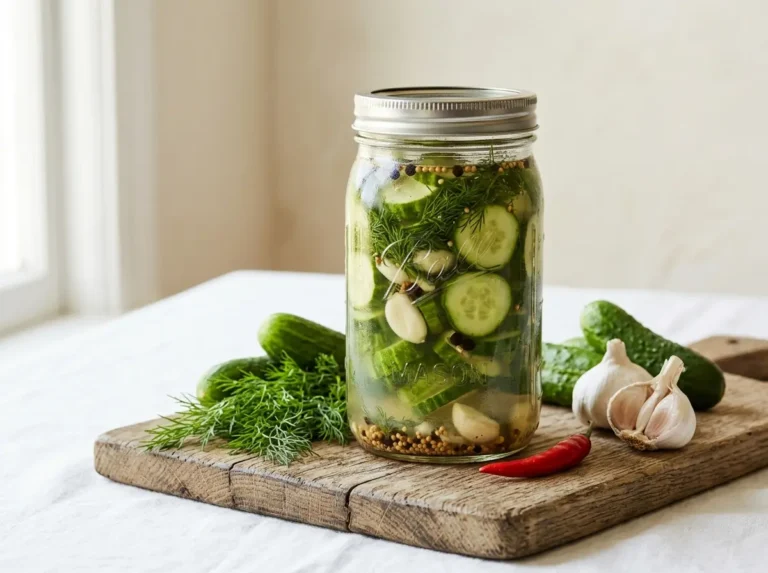
Whether serving these alongside elegant shrimp cocktail for formal entertaining or pairing them with tangy refrigerator pickles for casual gatherings, deviled eggs adapt beautifully to any occasion. For those sweet-tooth moments after your savory appetizers, consider finishing the meal with a rich Oreo milkshake that provides the perfect contrast to these protein-rich starters.