Sushi Rice Recipe: Foolproof Easy Method for Perfect Rice
Learn how to make perfect sushi rice with our foolproof sushi rice recipe. Enjoy sticky, flavorful rice every time. Get the recipe today.
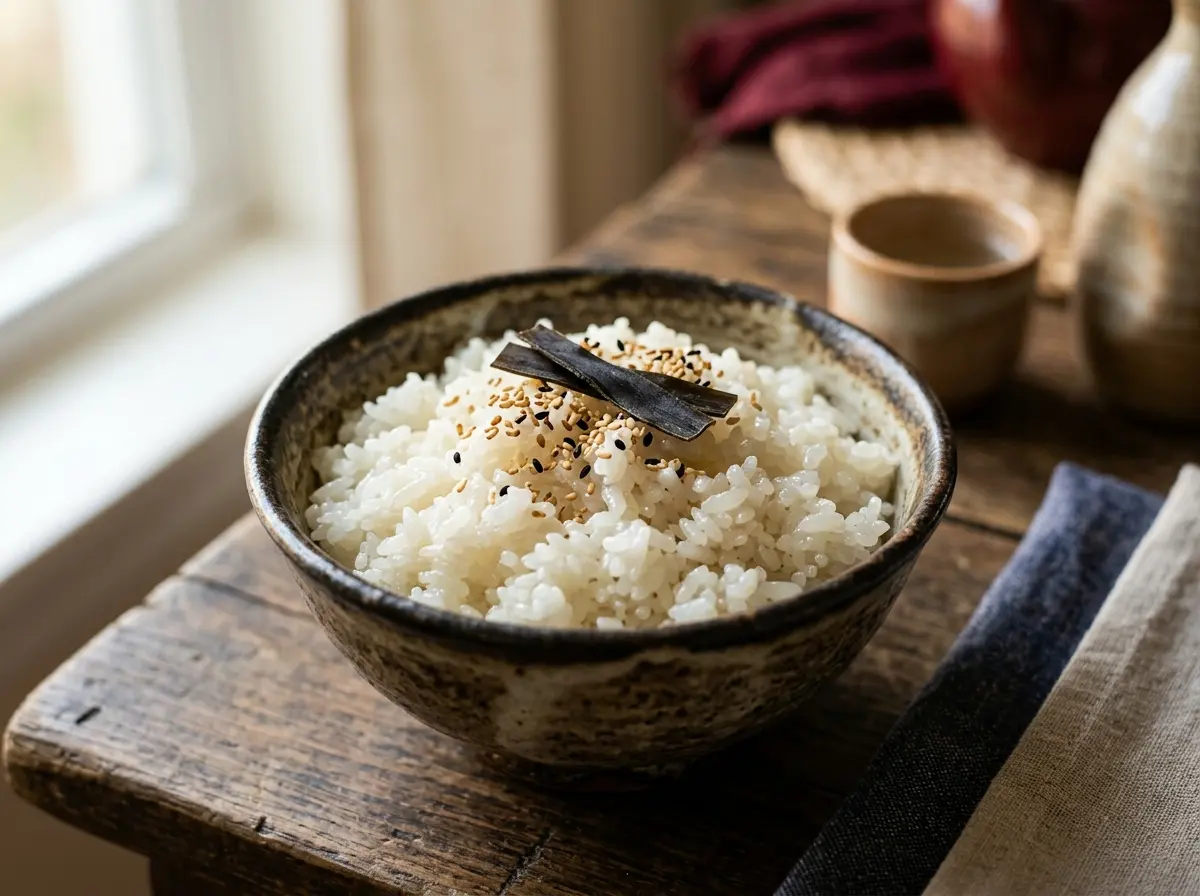
Mastering the perfect sushi rice recipe is the cornerstone of exceptional homemade sushi that rivals your favorite restaurant. This foolproof method transforms ordinary short-grain rice into the glossy, perfectly seasoned foundation that makes every bite memorable. With the right technique and timing, you’ll achieve that coveted balance of tender grains with just the right amount of stickiness.
The secret lies in understanding the delicate interplay between proper washing, precise cooking ratios, and gentle seasoning that creates authentic Japanese sushi rice. Once you experience the satisfaction of creating restaurant-quality rice at home, you’ll never want to settle for anything less. This comprehensive guide will walk you through every detail, from selecting the ideal rice variety to troubleshooting common texture issues.
Introduction to Sushi Rice
Sushi rice, known as “shari” or “sumeshi” in Japanese cuisine, represents far more than just cooked grain. It serves as the canvas upon which all sushi artistry is built, requiring precise technique and attention to detail. The transformation from raw rice to perfect sushi rice involves a careful balance of washing, cooking, and seasoning that has been refined over centuries.
What Makes Sushi Rice Unique
The distinctive characteristics of perfect sushi rice set it apart from regular steamed rice in several key ways. Each grain maintains its individual shape while developing a subtle stickiness that allows for easy molding and handling. The rice should feel slightly warm to the touch, with a glossy appearance that catches light beautifully.
Authentic sushi rice achieves the perfect balance between firmness and tenderness. When properly prepared, the grains hold together without becoming mushy or overly sticky. This texture allows sushi chefs to shape nigiri, form rolls, and create various sushi styles with confidence and precision.
Key Ingredients for Authentic Flavor
The foundation of exceptional homemade sushi rice begins with selecting high-quality short-grain rice and complementary seasonings. Japanese short-grain varieties like Calrose or Koshihikari provide the ideal starch content for achieving proper texture. These rice types naturally develop the sticky consistency essential for sushi making when cooked correctly.
Traditional seasoning combines rice vinegar, sugar, and salt to create the characteristic tangy-sweet flavor profile. The vinegar adds brightness and helps preserve the rice while enhancing its natural flavors. Quality ingredients make a noticeable difference in the final result, so investing in good rice vinegar and pure salt pays dividends in taste.
Selecting the Right Rice
The journey to creating the best sushi rice recipe starts with choosing the appropriate rice variety. Short-grain rice varieties contain higher starch levels that create the signature sticky texture when cooked properly. This starch content allows the grains to adhere to each other without becoming gummy or losing their individual integrity.
Why Short Grain Rice is Ideal
Short-grain rice possesses unique characteristics that make it irreplaceable for authentic Japanese sushi rice preparation. The higher amylopectin content in these varieties creates natural stickiness when heated and cooled. This starch composition allows the rice to maintain its shape while providing the cohesive quality necessary for sushi construction.
Medium and long-grain rice varieties lack the proper starch ratios needed for traditional sushi making. These alternatives tend to remain too separate and dry, making it difficult to form proper sushi shapes. The texture simply cannot replicate the authentic mouthfeel that defines quality sushi rice.
Rice Substitutions and Variations
While traditional short-grain varieties remain the gold standard, several acceptable substitutions can work for home cooks. Calrose rice, widely available in most grocery stores, provides excellent results and consistent texture. Arborio rice, typically used for risotto, can serve as an emergency substitute though it produces slightly different results.
Premium sushi rice varieties like Tamaki Gold or Tamanishiki offer superior quality for special occasions. These specialty rices often provide more consistent results and enhanced flavor profiles. However, the preparation technique matters more than expensive rice varieties when creating perfect sushi rice.
Preparing Sushi Rice
Proper preparation forms the foundation of any easy sushi rice recipe and determines the final texture quality. The process begins with thorough washing to remove excess surface starch that can cause unwanted stickiness. This crucial step separates amateur attempts from restaurant-quality results every time.
Washing and Soaking Techniques
The rice washing process requires patience and attention to achieve optimal results for your perfect sushi rice. Start by placing the rice in a large bowl and covering it completely with cold water. Gently swirl the rice with your hand, allowing the cloudy starch water to develop before draining completely.
Repeat this washing process four to five times until the water runs relatively clear. Each wash removes surface starch that would otherwise create gummy texture during cooking. The final rinse should produce only slightly cloudy water, indicating that enough excess starch has been removed.
After washing, allow the rice to soak in fresh water for 20-30 minutes before cooking. This soaking period helps ensure even cooking and proper grain expansion. The rice will absorb some water during soaking, which contributes to uniform texture throughout the cooking process.
Cooking Methods (Rice Cooker, Stovetop, Instant Pot)
Multiple cooking methods can produce excellent sticky sushi rice when executed with proper ratios and timing. Rice cookers offer the most consistent results for beginners, automatically managing temperature and timing variables. Use a 1:1.1 ratio of rice to water for most rice cooker applications, adjusting slightly based on your specific model.
Stovetop cooking provides more control over the process but requires closer attention to prevent burning. Bring the rice and water to a boil, then reduce heat to low and simmer covered for 18-20 minutes. Remove from heat and let stand for 10 minutes without lifting the lid to complete the steaming process.
Instant Pot cooking offers speed and convenience while maintaining quality results. Use the rice setting with a 1:1 ratio of rice to water, allowing natural pressure release for optimal texture. This method typically produces slightly firmer grains that work well for sushi applications.
Common Issues and Troubleshooting
Texture problems often arise from incorrect water ratios or inadequate washing during preparation. Rice that turns out too sticky usually indicates insufficient washing or excessive water during cooking. Conversely, rice that remains too dry and separate suggests inadequate water or overcooking that has evaporated too much moisture.
Temperature control plays a crucial role in achieving consistent results with your sushi rice without rice cooker methods. Cooking at too high heat can cause the bottom to burn while leaving the top undercooked. Maintaining steady, low heat after the initial boil ensures even cooking throughout the pot.
Timing issues frequently result in either mushy or undercooked rice textures. Lifting the lid during cooking releases essential steam and disrupts the cooking process. Trust the timing and resist the urge to check progress until the recommended cooking time has elapsed completely.
Seasoning Sushi Rice
The seasoning process transforms plain cooked rice into authentic Japanese sushi rice with its characteristic tangy-sweet flavor profile. This step requires gentle handling to avoid crushing the delicate grains while ensuring even distribution of flavors. The seasoning mixture should be prepared ahead of time and allowed to reach room temperature before application.
Traditional Sushi Rice Vinegar Ratio
The classic sushi rice vinegar ratio follows time-tested proportions that create balanced flavor without overwhelming the rice’s natural taste. For every cup of uncooked rice, combine 2 tablespoons rice vinegar, 1 tablespoon sugar, and 1 teaspoon salt. This mixture provides the perfect balance of acidity, sweetness, and salinity that defines authentic sushi rice.
Dissolve the sugar and salt completely in the vinegar before adding to the cooked rice. Gentle heating can help dissolve stubborn crystals, but allow the mixture to cool to room temperature before use. Hot seasoning can cook the rice further and create undesirable texture changes.
Natural and Clean Sugar Alternatives
Health-conscious cooks can substitute refined sugar with natural alternatives while maintaining authentic flavor profiles. Coconut sugar provides subtle caramel notes that complement the rice vinegar beautifully without overpowering other flavors. Use the same quantity as traditional sugar for consistent sweetness levels.
Pure maple syrup offers another excellent alternative, though reduce the quantity slightly due to its concentrated sweetness. Start with 2 teaspoons per tablespoon of sugar called for in the original recipe. Honey can work as well, but its distinct flavor may alter the traditional taste profile more noticeably.
Enhancing Umami with Kombu Seaweed
Adding kombu seaweed during the cooking process introduces subtle umami depth that elevates the final flavor considerably. Place a small piece of kombu in the pot with the rice and water before cooking begins. Remove the seaweed once cooking is complete to avoid overpowering the delicate rice flavors.
This traditional technique adds complexity without requiring additional ingredients or complicated procedures. The kombu imparts mineral notes and natural glutamates that enhance the overall taste experience. Even small amounts make a noticeable difference in the final product’s flavor depth and authenticity.
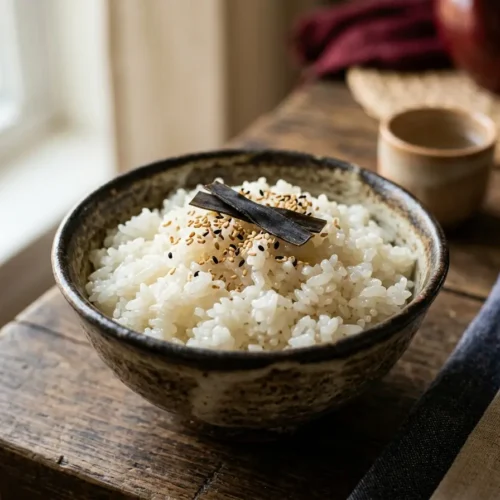
Perfect Sushi Rice
Equipment
- Fine mesh strainer
- Medium saucepan with tight-fitting lid
- Large wooden or plastic mixing bowl
- Rice paddle or wooden spoon
- Small saucepan
- Kitchen towel
Ingredients
- 2 cups Short-grain sushi rice Japanese varieties like Koshihikari or Calrose work best
- 2.25 cups Filtered water plus extra for rinsing
- 1 piece Kombu seaweed 2-inch square, optional for umami depth
- 1/3 cup Rice vinegar natural, unseasoned
- 3 tablespoons Coconut sugar or organic cane sugar
- 1 teaspoon Sea salt fine grain
Instructions
- Place rice in a fine-mesh strainer and rinse under cold running water, gently agitating with your hands. Continue rinsing until water runs clear, about 5-7 rinses. This removes excess starch for proper texture.
- Transfer rinsed rice to a medium saucepan and add 2.25 cups filtered water. Add kombu piece if using. Let rice soak for 15 minutes before cooking for better texture.
- Bring rice to a boil over medium-high heat. Once boiling, immediately reduce heat to lowest setting, cover tightly with lid, and simmer for exactly 18 minutes. Do not lift the lid during cooking.
- Remove from heat and let stand, covered, for 5 minutes. Remove and discard kombu piece if used.
- While rice cooks, combine rice vinegar, coconut sugar, and sea salt in a small saucepan. Heat over low heat, stirring constantly, until sugar and salt completely dissolve, about 2-3 minutes. Do not boil. Set aside to cool slightly.
- Transfer hot cooked rice to a large wooden or plastic mixing bowl (avoid metal as it can affect flavor). Never use a metal bowl for sushi rice.
- Gradually drizzle the warm seasoning mixture over the rice while gently folding with a rice paddle or wooden spoon. Use a cutting and folding motion rather than stirring to avoid mashing the grains.
- Continue folding while fanning the rice with a kitchen towel or fan to cool it to room temperature, about 10-15 minutes. The rice should have a glossy appearance when properly seasoned.
Notes
Always use short-grain rice for authentic texture. The 1:1.125 rice-to-water ratio is crucial for proper consistency. VISUAL DONENESS CUES:
Properly seasoned sushi rice should be glossy, not sticky or mushy. Individual grains should hold together but separate easily. MAKE-AHEAD:
Sushi rice is best used within 2 hours of preparation. Cover with damp towel at room temperature if holding briefly. STORAGE:
Refrigerated sushi rice becomes hard and should not be used for sushi. Only store leftover rice for other cooked applications. TROUBLESHOoting:
If rice is too wet, cook uncovered for 1-2 more minutes. If too dry, sprinkle with 1-2 tablespoons water and let steam 5 minutes.
Nutrition Highlights (Per Serving – Approximate)
Understanding your food’s composition is key to balanced eating. Here is an approximate nutritional breakdown calculated for a standard serving based on wholesome preparation guidelines:
Culinary Selection Notes
- Adjusting sweetener densities or using refined-sugar alternatives will directly optimize the overall glycemic load without breaking structural balance.
- Focusing on high-quality whole fats maximizes trace micronutrient retention across low-temperature or baking environments.
Serving Sushi Rice
Proper serving technique ensures that your carefully prepared sushi rice maintains optimal texture and temperature for the best eating experience. The rice should be served at body temperature, neither hot nor cold, which allows the flavors to develop fully. This temperature also makes the rice easier to handle when forming sushi shapes or enjoying as a side dish.
Texture and Temperature Tips
The ideal serving temperature for sushi rice falls between 98-100°F, which feels slightly warm to the touch. This temperature range maintains the rice’s pliability while preventing it from becoming sticky or difficult to work with. Allow freshly seasoned rice to cool gradually at room temperature rather than refrigerating immediately.
Texture should remain consistent throughout the serving period, with individual grains maintaining their shape while staying cohesive. Cover the rice with a damp cloth to prevent surface drying while keeping it at the proper temperature. Avoid using plastic wrap directly on the rice surface, as this can create condensation that affects texture.
Using Sushi Rice in Different Dishes
Beyond traditional sushi applications, perfectly seasoned rice enhances numerous Japanese and fusion dishes beautifully. Chirashi bowls showcase the rice as a foundation for various toppings including fresh vegetables and proteins. The seasoned rice provides a flavorful base that complements both raw and cooked ingredients.
Onigiri rice balls represent another popular application where the seasoned rice shines as the main component. The slight stickiness allows for easy shaping while the vinegar seasoning adds complexity to simple fillings. Temaki hand rolls also benefit from properly prepared sushi rice that holds together during eating.
Storage and Make-Ahead Tips
Understanding how to store sushi rice properly extends its usability and maintains quality for future meals. Proper storage techniques prevent the rice from drying out while preserving its characteristic texture and flavor. These methods allow busy home cooks to prepare components ahead of time without sacrificing quality.
How to Store Sushi Rice Properly
Fresh sushi rice maintains optimal quality for up to 24 hours when stored correctly at room temperature. Cover the rice with a damp cloth and store in a cool location away from direct sunlight or heat sources. This method preserves the proper texture and prevents the surface from becoming hard or crusty.
For longer storage periods, refrigeration becomes necessary though it affects the texture somewhat. Place the rice in an airtight container and allow it to return to room temperature before serving. Gentle reheaming in short microwave intervals can restore some of the original texture, but avoid overheating.
Freezing sushi rice works for extended storage up to one month, though texture changes are more pronounced. Portion the rice into individual servings before freezing to make thawing more convenient. Thaw overnight in the refrigerator and bring to room temperature before use for best results.
Using Leftover Sushi Rice Creatively
Leftover sushi rice transforms beautifully into fried rice dishes when the texture becomes less suitable for traditional sushi making. The vinegar seasoning adds interesting flavor complexity to stir-fried preparations with vegetables and proteins. Day-old rice actually works better for fried rice applications due to its drier texture.
Rice pudding represents another excellent use for leftover seasoned rice, where the vinegar adds subtle tang to sweet preparations. Arancini-style rice balls can incorporate the seasoned rice for unique fusion appetizers. The existing flavors provide an interesting twist on traditional Italian preparations.
Final Tips and Best Practices
Mastering sushi rice troubleshooting techniques ensures consistent results regardless of kitchen conditions or equipment variations. Understanding the visual and textural cues that indicate properly prepared rice helps build confidence in the process. These skills develop with practice and attention to detail during each preparation cycle.
Foolproof Ratios and Measurements
Consistent measurements form the foundation of reliable sushi rice preparation every single time. Use a kitchen scale for the most accurate results, measuring rice and water by weight rather than volume when possible. This precision eliminates variables that can affect the final texture and ensures reproducible results.
The standard ratio of 1:1.1 (rice to water) works for most short-grain varieties and cooking methods. Adjust this ratio slightly based on your rice’s age and ambient humidity levels, as older rice may require slightly more water. Keep detailed notes about adjustments that work well with your specific rice and equipment.
Visual Cues for Perfect Texture
Properly cooked rice displays distinct visual characteristics that indicate readiness for seasoning and serving. The grains should appear plump and translucent rather than chalky or opaque in the center. Each grain maintains its individual shape while developing the slight stickiness essential for sushi applications.
The surface of properly prepared sushi rice has a subtle gloss from the vinegar seasoning without appearing wet or gummy. Individual grains should separate easily with gentle handling but hold together when pressed lightly. This balance between cohesion and separation defines the perfect texture that makes exceptional sushi rice for beginners and experts alike.