Hashbrown Casserole: Easy Delicious Family Favorite Recipe
Learn how to make a creamy, crispy hashbrown casserole with simple ingredients in just 30 minutes. Get the recipe and enjoy today.
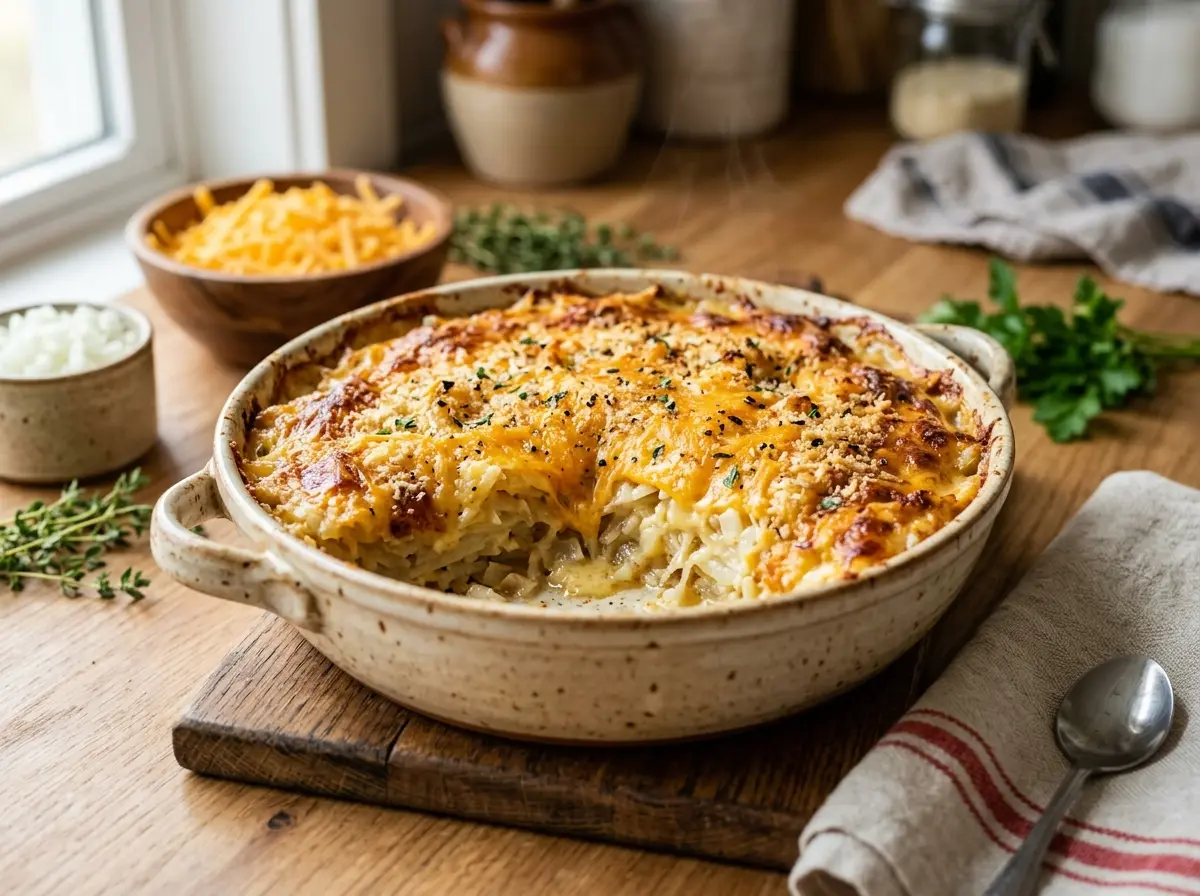
The perfect hashbrown casserole transforms simple frozen hashbrowns into a creamy, golden comfort food masterpiece. This beloved family dish delivers layers of crispy textures paired with rich, melted cheese that creates the ultimate side dish for any gathering. Nothing beats the satisfaction of a bubbling hot casserole straight from the oven.
The aroma of toasted hashbrowns mingling with cream and herbs creates an irresistible kitchen atmosphere. Each forkful reveals tender potato layers beneath a beautifully browned top that adds the perfect textural contrast. This easy hashbrown casserole recipe becomes a treasured tradition that brings families together around the dinner table.
Introduction to Hashbrown Casserole
This cheesy hashbrown casserole represents the pinnacle of American comfort food, combining simple pantry staples into something truly extraordinary. The dish gained popularity in church potlucks and family gatherings across the Midwest during the 1970s. Its appeal lies in the perfect balance between convenience and homemade flavor that satisfies both busy weeknight dinners and special occasions.
Why It’s a Family Favorite
Families gravitate toward this homemade hashbrown casserole because it delivers restaurant-quality results with minimal effort. The creamy interior contrasts beautifully with the golden, crispy top layer that develops during baking. Children and adults alike appreciate the mild, comforting flavors that pair seamlessly with both breakfast and dinner menus.
The versatility factor makes this dish a household staple that adapts to various dietary needs and preferences. Home cooks can easily modify the base recipe to accommodate gluten-free, dairy-free, or lower-sodium requirements. This flexibility ensures everyone at the table can enjoy the same satisfying comfort food experience.
Origin and Comfort Food Appeal
The cracker barrel hashbrown casserole style originated from Southern and Midwestern cooking traditions that emphasized hearty, filling dishes. These regions celebrated one-pot meals that could feed large families while stretching budget-friendly ingredients. The combination of frozen hashbrowns, cream soup, and cheese created an accessible luxury that elevated everyday potatoes.
Modern comfort food enthusiasts appreciate how this dish evokes nostalgic memories of family gatherings and special celebrations. The bubbling casserole emerging from the oven creates a sense of warmth and hospitality that defines true comfort cooking. Each serving delivers the satisfying richness that makes ordinary meals feel special and memorable.
Ingredients Overview
Understanding each component’s role helps create the perfect texture and flavor balance in your funeral potatoes recipe. Quality ingredients make a noticeable difference in the final result, especially when it comes to cheese selection and cream base choices. The magic happens when these simple elements transform during the baking process into something greater than the sum of their parts.
Key Ingredients and Their Roles
Frozen hashbrowns serve as the foundation, providing the hearty potato base that absorbs flavors while maintaining structure. High-quality sharp cheddar cheese creates both the creamy interior binding and the golden top crust that defines exceptional casseroles. Cream of mushroom soup acts as the moisture component that prevents dryness while adding subtle umami depth.
Sour cream contributes tangy richness that balances the dish’s overall flavor profile without overwhelming the potato essence. Yellow onions provide aromatic sweetness that develops during baking, creating layers of complexity throughout each bite. Butter adds essential fat content that promotes proper browning and creates the signature crispy top texture.
Seasonings like garlic powder, onion powder, and black pepper enhance the natural flavors without masking the primary ingredients. Salt plays a crucial role in drawing out potato starches, which helps bind the casserole together during cooking. Fresh herbs like chives or parsley can be added as optional garnishes for color and freshness.
Possible Substitutions for Dietary Needs
Creating a gluten free hashbrown casserole requires careful attention to the cream soup selection, as many commercial varieties contain wheat-based thickeners. Choose certified gluten-free cream soups or make your own using cornstarch or arrowroot as thickening agents. Always verify that your frozen hashbrowns are processed in gluten-free facilities to avoid cross-contamination issues.
Dairy free hashbrown casserole adaptations work beautifully with plant-based alternatives that maintain similar cooking properties. Cashew cream or coconut cream can replace sour cream, while nutritional yeast adds the savory depth typically provided by cheese. Dairy-free butter substitutes ensure proper browning and texture development during baking.
- Replace cream of mushroom soup with dairy-free mushroom broth thickened with cornstarch
- Use coconut oil or vegan butter for rich flavor without dairy content
- Substitute sharp cheddar with aged dairy-free cheese varieties for comparable taste
- Add extra herbs and spices to compensate for any flavor differences in substitutions
Step-by-Step Cooking Instructions
Proper preparation techniques ensure your easy hashbrown casserole recipe achieves the ideal texture balance between creamy interior and crispy exterior. Temperature control and timing play critical roles in developing the signature golden-brown top that makes this dish so appealing. Understanding the science behind each step helps troubleshoot common issues and consistently produce restaurant-quality results.
Preparing the Hashbrowns
Thawing frozen hashbrowns completely before mixing prevents excess moisture that can create soggy casseroles. Spread the hashbrowns on clean kitchen towels and gently press to remove any remaining ice crystals or surface water. This extra step significantly improves the final texture by allowing proper moisture balance during baking.
Room temperature hashbrowns incorporate more evenly with the cream mixture, ensuring consistent cooking throughout the casserole. Cold hashbrowns can create temperature pockets that lead to uneven browning and texture variations. Allow approximately 30 minutes for complete thawing, or use the defrost setting on your microwave for faster preparation.
Mixing Ingredients for Creaminess
Combine the cream soup, sour cream, and seasonings in a large mixing bowl before adding the hashbrowns. This pre-mixing technique ensures even distribution of flavors and prevents lumpy pockets in the finished casserole. Gentle folding motions preserve the hashbrown shape while thoroughly coating each piece with the creamy mixture.
Add three-quarters of the shredded cheese to the mixture, reserving the remainder for the signature crispy topping. The cheese incorporated into the base melts during baking to create the creamy binding that holds everything together. Room temperature cheese distributes more easily than cold cheese straight from the refrigerator.
Season the mixture generously with salt and pepper, tasting as you go to achieve the perfect flavor balance. Remember that the flavors will concentrate slightly during baking, so aim for a slightly under-seasoned mixture at this stage. The reserved cheese and any additional seasonings can be adjusted before the final baking step.
Baking and Achieving the Perfect Crispy Top
Preheat your oven to 350°F (175°C) and grease a 9×13-inch baking dish to prevent sticking and ensure easy serving. Spread the hashbrown mixture evenly in the prepared dish, creating a smooth surface that promotes uniform browning. The even distribution prevents thick spots that might remain undercooked while thin areas become overcooked.
Sprinkle the reserved cheese evenly across the top, followed by any additional seasonings or crispy toppings like crushed crackers. Cover tightly with aluminum foil for the first 45 minutes of baking to allow the interior to cook through completely. This covered cooking phase ensures the center reaches proper temperature while preventing the top from browning too quickly.
Remove the foil during the final 15-20 minutes to allow the top to develop the signature golden-brown crust. The exposed surface should bubble around the edges and develop a light golden color across the entire top. Internal temperature should reach 165°F (74°C) when measured with an instant-read thermometer inserted into the center.
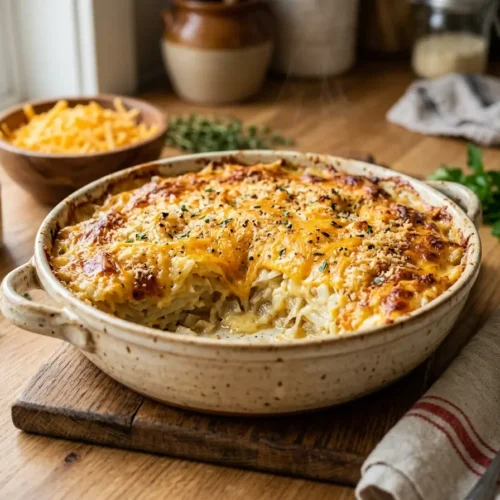
Hashbrown Casserole
Equipment
- 9x13 inch Baking Dish
- Medium saucepan
- Wire whisk
- Large mixing bowl
- Measuring cups and spoons
- Kitchen scale (optional)
Ingredients
- 2 lbs Frozen Hashbrowns thawed (900g)
- 2 cups Sharp Cheddar Cheese shredded (240g) - or plant-based cheese alternative
- 1/2 cup Yellow Onion finely diced (75g)
- 1 cup Cooked Turkey or Chicken diced (150g) - optional for protein boost
- 4 tbsp Unsalted Butter 60g - or vegan butter alternative
- 1/4 cup All-Purpose Flour 30g
- 2 cups Whole Milk 480ml - or unsweetened oat milk for dairy-free
- 1/2 cup Sour Cream 120g - or cashew cream for plant-based
- 1 tsp Salt 5g
- 1/2 tsp Black Pepper freshly ground
- 1/2 tsp Garlic Powder 2g
- 1/2 cup Sharp Cheddar Cheese shredded for topping (60g)
- 2 tbsp Fresh Chives chopped - or green onions
- 1/4 cup Panko Breadcrumbs 30g - optional for extra crunch
Instructions
- Preheat oven to 350°F (175°C). Grease a 9x13 inch baking dish with butter or cooking spray.
- If using frozen hashbrowns, thaw completely and drain any excess moisture using paper towels or a clean kitchen towel.
- In a medium saucepan over medium heat, melt the butter. Add flour and whisk constantly for 1-2 minutes to create a light roux.
- Gradually add milk while whisking continuously to prevent lumps. Cook for 3-4 minutes until sauce thickens and coats the back of a spoon.
- Remove from heat and stir in sour cream, salt, pepper, and garlic powder until smooth. Set aside to cool slightly.
- In a large mixing bowl, combine thawed hashbrowns, 2 cups shredded cheese, diced onion, and cooked meat (if using).
- Pour the prepared white sauce over the hashbrown mixture and stir gently until evenly coated.
- Transfer mixture to the prepared baking dish and spread evenly. Top with remaining 1/2 cup cheese and panko breadcrumbs if desired.
- Bake uncovered for 35-45 minutes, until the top is golden brown and the edges are bubbling. Internal temperature should reach 165°F (74°C).
- Remove from oven and let rest for 5 minutes before serving. Garnish with fresh chives or green onions.
Notes
Casserole can be assembled up to 24 hours in advance. Cover tightly and refrigerate, then add 10-15 minutes to baking time if cooking from cold. STORAGE:
Leftovers keep in refrigerator for 3-4 days. Reheat individual portions in microwave for 1-2 minutes, or reheat entire dish in 350°F oven for 15-20 minutes until heated through. DIETARY MODIFICATIONS:
For dairy-free version, use vegan butter, oat milk, and plant-based cheese alternatives. For gluten-free, substitute flour with cornstarch or gluten-free flour blend. TROUBLESHOOTING:
If casserole appears watery, ensure hashbrowns are thoroughly thawed and drained. If top browns too quickly, cover with foil for remaining bake time. For crispier top, broil for 2-3 minutes at the end.
Nutrition Highlights (Per Serving – Approximate)
Understanding your food’s composition is key to balanced eating. Here is an approximate nutritional breakdown calculated for a standard serving based on wholesome preparation guidelines:
Culinary Selection Notes
- Adjusting sweetener densities or using refined-sugar alternatives will directly optimize the overall glycemic load without breaking structural balance.
- Focusing on high-quality whole fats maximizes trace micronutrient retention across low-temperature or baking environments.
Tips for Success
Mastering the perfect hashbrown casserole requires understanding common pitfalls and their solutions. Temperature consistency and moisture management are the two most critical factors that determine success or failure. Professional techniques can elevate your results from good to exceptional with just a few strategic adjustments.
Troubleshooting Watery or Soggy Casseroles
Excess moisture is the primary culprit behind watery casseroles that fail to achieve the desired creamy texture. Frozen hashbrowns release significant moisture during thawing, which must be properly managed to prevent soggy results. Always drain thawed hashbrowns thoroughly and pat them dry with paper towels before incorporating them into your mixture.
If your casserole appears watery after baking, extend the cooking time with the foil removed to allow excess moisture to evaporate. The surface should show signs of bubbling and light browning when properly cooked through. Avoid opening the oven door frequently during cooking, as temperature fluctuations can contribute to moisture retention issues.
Pre-baking the empty casserole dish for 5 minutes creates a warmer surface that helps prevent bottom sogginess. This technique is particularly helpful in humid climates where moisture management becomes more challenging. Room temperature ingredients also mix more uniformly and cook more predictably than cold ingredients straight from the refrigerator.
How to Customize the Recipe
Flavor customization begins with understanding which ingredients can be modified without compromising the casserole’s structural integrity. Cheese varieties can be mixed and matched to create unique flavor profiles, with sharp cheddar providing tang while mild varieties offer smoothness. Smoked cheeses add depth without overwhelming the base potato flavors.
Vegetable additions should be pre-cooked to prevent excess moisture from affecting the final texture. Sautéed mushrooms, bell peppers, or diced jalapeños integrate beautifully when properly prepared and drained. Fresh herbs work best as garnishes added after baking, while dried herbs can be incorporated during the mixing stage.
- Add cooked bacon bits or ham for protein enhancement
- Include sautéed onions and garlic for deeper flavor complexity
- Mix in frozen corn or peas for color and nutritional variety
- Top with crushed cornflakes or breadcrumbs for extra crunchiness
Variations
Creative variations expand this classic dish’s appeal while maintaining its comforting essence. Each adaptation addresses specific dietary needs or cooking preferences without sacrificing the fundamental qualities that make this casserole beloved. Understanding the principles behind successful modifications enables confident experimentation with flavors and techniques.
Gluten-Free Hashbrown Casserole
Creating a successful gluten free hashbrown casserole requires careful ingredient selection and substitution strategies. Most frozen hashbrown products are naturally gluten-free, but always verify packaging labels to ensure no wheat-based additives are present. Cross-contamination during processing can introduce gluten into seemingly safe products.
Replace traditional cream of mushroom soup with certified gluten-free versions or make your own using gluten-free flour alternatives. Rice flour and cornstarch work exceptionally well as thickening agents in homemade cream bases. These alternatives actually provide superior texture control compared to wheat-based thickeners.
Gluten-free breadcrumb toppings can be made from certified gluten-free bread or crackers processed into fine crumbs. Crushed rice cereals or gluten-free cornflakes provide excellent crispy textures that rival traditional wheat-based options. Always use dedicated gluten-free preparation surfaces and utensils to prevent cross-contamination.
Dairy-Free and Vegan-Friendly Options
Plant-based versions maintain the essential comfort food qualities while accommodating dietary restrictions and preferences. Cashew cream provides the richest dairy-free base, while coconut cream offers similar consistency with subtle tropical notes. Both alternatives create the creamy binding necessary for proper casserole structure.
Nutritional yeast delivers the savory, cheese-like flavor that defines traditional versions without any dairy content. Start with smaller amounts and adjust to taste, as nutritional yeast can become overpowering if used excessively. Combining nutritional yeast with dairy-free cheese creates more complex flavor profiles.
Vegetable broth replaces cream-based soups while maintaining moisture levels essential for proper cooking. Thicken the broth with cornstarch or arrowroot to achieve the proper consistency for binding the hashbrowns together. Season generously with herbs and spices to compensate for the flavor depth typically provided by dairy products.
Slow Cooker Method
The slow cooker hashbrown casserole method offers convenience for busy schedules while producing equally satisfying results. This approach works particularly well for potluck events or holiday meals where oven space is limited. The gentle, consistent heat creates incredibly tender textures throughout the entire casserole.
Grease the slow cooker thoroughly and layer the hashbrown mixture evenly to ensure uniform cooking. Cook on low heat for 4-5 hours, avoiding the temptation to lift the lid frequently, which releases steam and extends cooking times. The surface won’t develop the same crispy top as oven-baked versions, but the interior achieves perfect creaminess.
For added crispiness, transfer the cooked casserole to a baking dish during the final 15 minutes and broil briefly. This hybrid technique combines slow cooker convenience with oven-finished texture perfection. Monitor closely during broiling to prevent burning the cheese topping.
Make-Ahead and Storage
Strategic meal planning transforms this hashbrown casserole into a time-saving solution for busy families and entertaining scenarios. Proper preparation and storage techniques maintain quality while extending the recipe’s practical applications. Understanding freezing and reheating science prevents texture degradation and food safety issues.
Freezing and Reheating Guidelines
Assemble the complete casserole without baking, then wrap tightly in plastic wrap followed by aluminum foil for optimal freezer storage. This double-wrapping method prevents freezer burn while maintaining ingredient integrity for up to three months. Label clearly with contents and preparation date for easy identification.
Thaw frozen casseroles completely in the refrigerator for 24-48 hours before baking to ensure even cooking throughout. Never thaw at room temperature, as this creates food safety risks and uneven texture development. Plan ahead for proper thawing time when serving frozen make-ahead portions.
Bake thawed casseroles using the standard temperature and time guidelines, adding 10-15 additional minutes if needed for complete heating. Cover with foil initially to prevent over-browning while the center reaches proper temperature. Internal temperature should reach 165°F (74°C) before serving for food safety compliance.
Storing Leftovers Safely
Refrigerate leftover hashbrown casserole within two hours of cooking to maintain food safety and quality standards. Store in shallow containers to promote rapid cooling and prevent bacterial growth in temperature danger zones. Properly stored leftovers maintain quality for 3-4 days under consistent refrigeration.
Reheat individual portions in the microwave using medium power settings to prevent uneven heating and texture degradation. Cover with microwave-safe plates or paper towels to retain moisture while preventing splattering. Stir halfway through heating for more uniform temperature distribution.
Oven reheating produces superior results for larger portions, maintaining the original texture better than microwave methods. Cover with foil and heat at 325°F (163°C) until warmed through, typically 20-25 minutes depending on portion size. Remove foil during the final few minutes to refresh the top crust.
Nutritional Information
Understanding the nutritional profile helps make informed decisions about portion sizes and dietary incorporation. This comfort food provides substantial energy and nutrients while fitting into balanced meal planning strategies. Modifications can adjust the nutritional content to meet specific dietary goals and requirements.
Calories and Portion Sizes
A standard serving provides approximately 285 calories, making it a moderate-calorie side dish suitable for most meal plans. The combination of carbohydrates from potatoes and fats from cheese and cream creates satisfying satiety that prevents overeating. Proper portion control helps maintain balanced caloric intake while enjoying this comfort food.
Protein content averages 12 grams per serving, contributing to daily protein requirements while supporting muscle maintenance and satiety. The complete amino acid profile from dairy products enhances the nutritional value beyond simple carbohydrate content. This protein content makes the dish suitable as a light meal when paired with vegetables or salad.
Carbohydrate levels provide steady energy release without causing dramatic blood sugar spikes when consumed as part of balanced meals. The fiber content from potatoes supports digestive health and contributes to the overall satiety factor. Pairing with lean proteins and vegetables creates nutritionally complete meal combinations.
Healthier Substitutions
Greek yogurt can partially replace sour cream to increase protein content while reducing overall fat levels. This substitution maintains the tangy flavor profile while improving the nutritional density of each serving. Use plain, full-fat Greek yogurt for the best texture and cooking results.
Reduced-fat cheese varieties work well when combined with small amounts of full-fat options to maintain flavor complexity. This approach reduces overall caloric content without completely sacrificing the rich taste that defines quality casseroles. Sharp cheese varieties provide more flavor impact per ounce than mild varieties.
- Add finely chopped vegetables to increase fiber and nutrient density
- Use low-sodium cream soups to reduce overall sodium content
- Incorporate sweet potatoes for additional vitamins and natural sweetness
- Replace some hashbrowns with cauliflower rice for lower carbohydrate content
Conclusion and Serving Suggestions
This versatile hashbrown casserole recipe delivers consistent comfort food satisfaction while adapting to various dietary needs and cooking preferences. The combination of simple ingredients and straightforward techniques makes it accessible to cooks of all skill levels. Perfect execution comes from understanding the science behind proper moisture control and temperature management.
Perfect Pairings
Serve alongside hearty lasagna for indulgent family dinners that celebrate comfort food at its finest. The creamy potato base complements rich tomato-based dishes while providing textural contrast to pasta-heavy meals. Both dishes can be prepared ahead and baked simultaneously for efficient entertaining.
Pair with roasted meats or grilled proteins to create balanced plate compositions that satisfy diverse palates. The mild potato flavors won’t compete with seasoned main dishes while adding substantial carbohydrate content to complete nutritional profiles. Consider serving with fresh green vegetables to balance the rich, creamy elements.
Holiday buffets benefit from this reliable side dish that maintains quality under warming conditions. The casserole holds temperature well and doesn’t require last-minute preparation that competes with other complex dishes. Its universal appeal makes it suitable for mixed-age gatherings and diverse dietary preferences.
Family-Friendly Meal Ideas
Transform breakfast menus by serving smaller portions alongside scrambled eggs and turkey sausage for hearty weekend brunches. The potato base pairs naturally with breakfast proteins while providing the substantial satisfaction families crave. Add fresh fruit to balance the rich flavors with natural sweetness and vitamins.
Create complete dinner solutions by incorporating this casserole into meal rotation alongside simple proteins and steamed vegetables. The make-ahead capabilities reduce weeknight stress while ensuring homemade quality that surpasses processed convenience foods. Batch cooking and freezing provide long-term meal planning solutions for busy families.
Consider pairing with simple desserts and sweet breakfast treats for complete comfort food experiences that bring families together. These complementary recipes share similar preparation philosophies while creating memorable meal experiences that become treasured family traditions.