Lasagna Recipe: Easy, Delicious, Family-Friendly Classic
Learn how to make a perfect lasagna recipe with easy steps, rich flavors, and gooey cheese. Get this family-friendly classic recipe today.
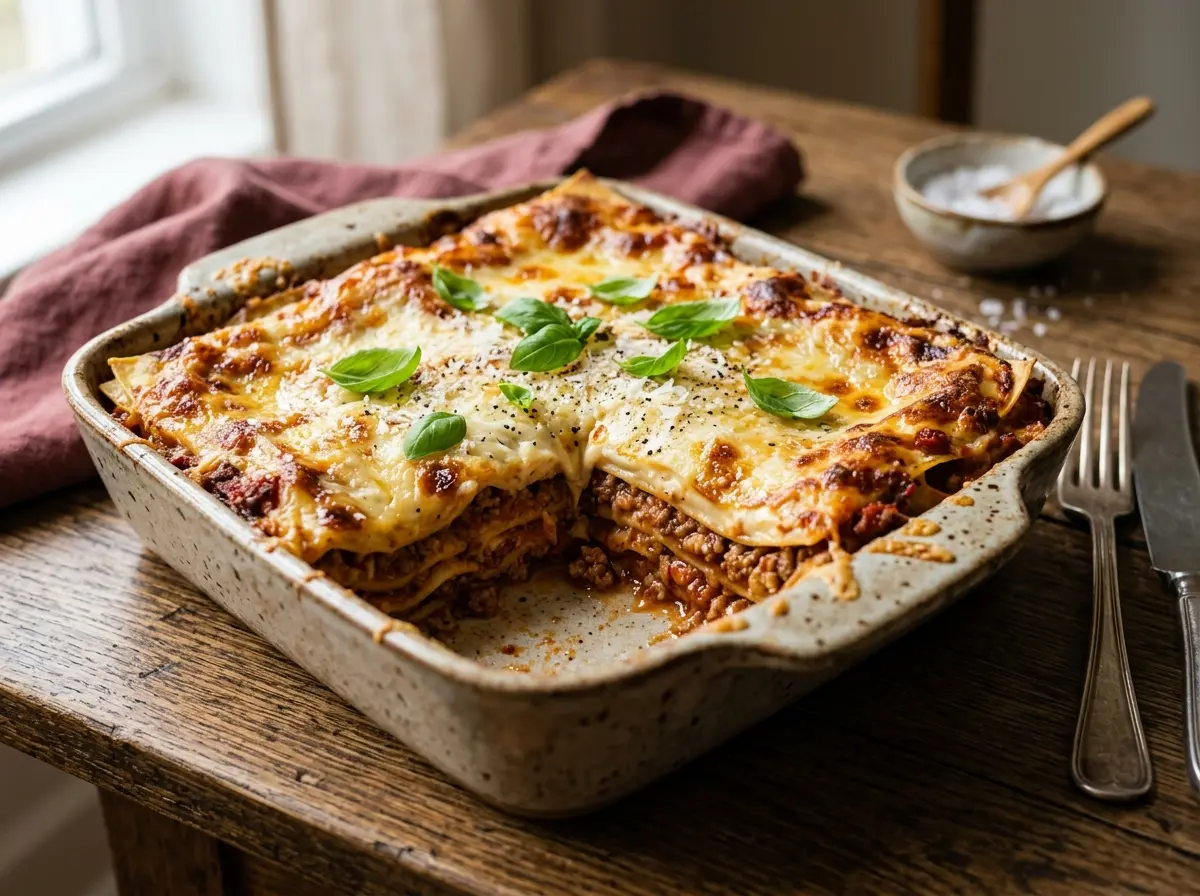
This comprehensive lasagna recipe delivers the perfect balance of rich meat sauce, creamy cheese layers, and tender pasta that families have loved for generations. Every forkful combines savory ground beef, aromatic herbs, and three perfectly melted cheeses in harmonious layers. You’ll discover professional techniques that ensure consistent results every single time.
The aroma of bubbling cheese and fragrant herbs will fill your kitchen as golden edges develop during the final baking stage. This classic approach focuses on wholesome ingredients and proven methods that create the ultimate comfort food experience. Your family will gather around the table in anticipation of this beloved Italian-American tradition.
Introduction to Lasagna Recipe
Mastering an authentic easy lasagna recipe transforms your weeknight dinners into memorable family gatherings. This Italian-American classic combines simple techniques with quality ingredients to create layers of satisfying flavors. The key lies in understanding how each component contributes to the final texture and taste profile.
What Makes a Great Lasagna
The foundation of exceptional homemade lasagna starts with properly balanced moisture levels throughout each layer. Well-seasoned meat sauce provides the savory backbone, while creamy cheese mixtures bind everything together during the baking process. Achieving the perfect consistency requires attention to sauce thickness and cheese distribution patterns.
Temperature control during baking ensures even cooking without dried edges or soggy centers. The ideal lasagna develops a golden-brown cheese top while maintaining tender pasta layers underneath. Professional kitchens rely on consistent oven temperatures and strategic foil coverage to achieve these results.
Overview of Ingredients and Their Roles
Ground beef forms the protein foundation, but the quality of your tomato sauce determines the overall flavor depth. San Marzano tomatoes or high-quality crushed tomatoes provide the best acid balance for rich, complex taste development. Fresh herbs like basil and oregano brighten the heavy cream and cheese components naturally.
Ricotta cheese creates smooth, creamy layers that contrast beautifully with the textured meat sauce. Mozzarella provides the stretchy, melted cheese experience that defines classic lasagna presentation. Parmesan adds sharp, nutty notes that enhance every bite without overwhelming the milder flavors.
Pasta sheets serve as the structural framework that holds everything together during baking and serving. No-boil lasagna noodles absorb moisture from the sauce during cooking, creating perfect texture without pre-cooking steps. Regular lasagna noodles require brief boiling to achieve the ideal tenderness for layering.
Step-by-Step Instructions
The systematic approach to building your best lasagna recipe ensures consistent results every time you prepare this family favorite. Each step builds upon the previous one to create the perfect balance of flavors and textures. Proper timing and temperature control make the difference between good and exceptional results.
Preparing the Sauce (Including Alcohol-Free Alternatives)
Begin by browning your ground beef in a heavy-bottomed pot over medium-high heat, breaking it into uniform pieces for even cooking. Season generously with salt and pepper while cooking to develop deep, savory flavors from the start. Drain excess fat carefully to prevent greasy sauce that could make your lasagna heavy.
Add diced onions and garlic to the cooked beef, sautéing until fragrant and translucent. This aromatics base creates the flavor foundation that will permeate every layer of your finished dish. Incorporate tomato paste and cook briefly to eliminate raw taste while concentrating the tomato flavor.
Pour in crushed tomatoes along with fresh basil, oregano, and a pinch of sugar to balance acidity naturally. Avoid any cooking wine or alcohol-based flavor enhancers by using high-quality vegetable broth or additional herbs for complexity. Simmer the sauce for at least 20 minutes to allow flavors to meld completely.
Cooking and Preparing Pasta Sheets
If using traditional lasagna noodles, bring a large pot of salted water to a rolling boil before adding pasta sheets. Cook according to package directions until just al dente, as they’ll continue cooking during the baking process. Slightly undercooking prevents mushy texture in the final dish.
Drain cooked noodles immediately and lay them flat on clean kitchen towels to prevent sticking. Pat dry gently to remove excess moisture that could create soggy layers during assembly. Room temperature noodles are easier to handle and less likely to tear during the layering process.
No-boil noodles eliminate this step entirely while producing excellent results when paired with properly sauced layers. These noodles absorb moisture during baking, so ensure your sauce has adequate liquid content for proper hydration. This time-saving approach works perfectly for busy weeknight meal preparation.
Layering Techniques for Perfect Texture
Start with a thin layer of meat sauce spread evenly across the bottom of your prepared baking dish. This prevents pasta from sticking and ensures even moisture distribution throughout the cooking process. Use approximately one-quarter of your total sauce for this foundation layer.
Place pasta sheets in a single layer, slightly overlapping edges to eliminate gaps where filling could leak through. Press gently to ensure good contact with the sauce underneath. Add half of your ricotta mixture in dollops, then spread carefully with an offset spatula for even coverage.
Sprinkle one-third of your mozzarella cheese over the ricotta layer, followed by another portion of meat sauce. Repeat this layering process twice more, finishing with a generous layer of both mozzarella and Parmesan cheese on top. This final cheese layer creates the golden, bubbly surface that makes classic lasagna recipe presentation so appealing.
Baking Guidelines and Oven Tips
Preheat your oven to 375°F (190°C) for optimal cooking temperature that ensures thorough heating without burning the top layer. Cover your assembled lasagna with aluminum foil to prevent excessive browning during the initial cooking phase. Remove foil during the final 15 minutes to achieve that perfect golden cheese crust.
Bake covered for 45 minutes, then uncover and continue baking for 15-20 additional minutes until the cheese is golden and bubbly. Insert a knife into the center to check that the internal temperature reaches 165°F (74°C) for food safety. The edges should pull slightly away from the pan when fully cooked.
Allow your finished lasagna to rest for 15-20 minutes before cutting to let the layers set properly. This resting period prevents messy serving portions and allows the internal temperature to equalize. Cover loosely with foil during resting to maintain warmth without creating condensation.
Recipe Variations
Adapting this foundational quick lasagna recipe opens endless possibilities for dietary preferences and flavor exploration. Each variation maintains the essential layering structure while introducing new ingredients and preparation methods. These alternatives ensure everyone at your table can enjoy this beloved comfort food.
Family-Friendly Meat Lasagna
Enhance your basic meat version by incorporating ground beef variations that add nutritional value and flavor complexity. Mix ground turkey with beef for leaner protein content while maintaining rich taste. Add finely diced vegetables like carrots, celery, and bell peppers to boost nutrition without altering the familiar flavor profile.
Italian sausage combined with ground beef creates deeper, more complex flavors that appeal to adventurous eaters. Remove casings and crumble the sausage during browning for even distribution throughout the sauce. This combination works especially well for special occasion meals or holiday gatherings.
Consider adding a layer of sautéed mushrooms between pasta sheets for umami richness that complements the meat beautifully. Cremini or baby bella mushrooms provide earthy flavors without overwhelming younger palates. This addition increases the vegetable content while maintaining the hearty, satisfying nature families expect.
Vegetarian and Vegetable Lasagna Options
Create satisfying vegetarian lasagna recipe versions using roasted vegetables as the primary protein alternative. Eggplant, zucchini, and bell peppers provide substantial texture and robust flavors when properly seasoned and roasted. Layer these vegetables just like you would meat sauce for familiar assembly techniques.
Spinach and mushroom combinations offer classic vegetarian appeal with excellent nutritional profiles. Sauté fresh spinach until wilted, then squeeze out excess moisture to prevent watery layers. Combine with seasoned ricotta and herbs for creamy, flavorful vegetarian layers that satisfy even meat-loving family members.
Lentil-based sauces provide protein-rich alternatives that mimic traditional meat texture remarkably well. Brown or green lentils work best when simmered in seasoned tomato sauce until tender. This approach creates hearty, filling meals that support various dietary preferences while maintaining familiar comfort food appeal.
Ingredient Substitution Suggestions
Greek yogurt can replace up to half the ricotta cheese for lighter, tangier flavor profiles with increased protein content. Strain the yogurt overnight to achieve proper consistency for layering without excess moisture. This substitution works particularly well in vegetarian versions where lighter flavors are preferred.
Cottage cheese offers budget-friendly alternatives to ricotta while providing similar creamy texture and protein content. Choose small-curd varieties and drain excess liquid before incorporating into your cheese mixture. Season generously with herbs and garlic to enhance the mild flavor profile.
Whole wheat or alternative grain pasta sheets increase fiber content and nutritional density without significantly altering taste or texture. These options work especially well in vegetable-heavy versions where wholesome ingredients are prioritized. Cooking times may need slight adjustment for optimal texture results.
Recipe Tips and Troubleshooting
Mastering lasagna layering techniques requires understanding common problems and their solutions before they occur. Professional kitchens prevent issues through careful ingredient preparation and systematic assembly methods. These proven strategies ensure consistent success regardless of experience level.
How to Avoid Watery Lasagna
Excess moisture creates the most common lasagna failure, resulting in soggy, unappetizing texture that falls apart during serving. Properly drain all vegetables, especially frozen spinach, by pressing in a clean kitchen towel to remove maximum water content. Fresh vegetables should be sautéed and cooled completely before incorporating into layers.
Sauce consistency plays a crucial role in moisture control throughout the baking process. Simmer your meat or vegetable sauce until it coats a spoon without being too thick or thin. The sauce should hold its shape when spooned but spread easily during assembly.
Allow hot ingredients to cool to room temperature before assembly to prevent condensation that adds unwanted moisture. Pat cooked pasta sheets dry with paper towels before layering. These simple steps prevent the soggy texture that ruins otherwise perfect lasagna preparation.
Tips for Even Cheese Melting and Texture
Grate your own mozzarella rather than using pre-shredded varieties for superior melting characteristics and flavor development. Pre-shredded cheese contains anti-caking agents that prevent smooth melting and create grainy textures. Fresh mozzarella provides the best stretch and flavor but requires careful moisture management.
Distribute cheese evenly across each layer rather than piling it in the center or corners. Use clean hands or a large spoon to scatter cheese uniformly for consistent melting patterns. This technique ensures every serving contains balanced cheese distribution without gaps or overly cheesy spots.
Room temperature cheese melts more evenly than cold cheese straight from refrigeration. Remove cheese from the refrigerator 30 minutes before assembly to achieve optimal temperature for even melting. This preparation step prevents cold spots that create uneven texture in the finished dish.
Make-ahead Assembly and Freezing Instructions
Assemble your complete lasagna up to 24 hours in advance for convenient meal planning and stress-free entertaining. Cover tightly with plastic wrap, then aluminum foil to prevent freezer burn and maintain freshness. Refrigerated assembled lasagna requires additional 15-20 minutes of covered baking time.
Freeze assembled lasagna for up to three months when properly wrapped and stored in freezer-safe containers. Label clearly with contents and date to track storage time effectively. Thaw frozen lasagna completely in the refrigerator for 24-48 hours before baking for best results.
Individual portions freeze beautifully when cut and wrapped separately after initial baking and cooling. This approach provides convenient single servings for busy weeknights or lunch portions. Reheat individual servings in the microwave or toaster oven for quick, satisfying meals.
Storage and Serving
Proper storage techniques preserve the quality and safety of your homemade lasagna while maintaining optimal flavor and texture for future meals. Understanding cooling and refrigeration principles prevents bacterial growth and extends the usable life of your prepared dish. These methods support both immediate serving and meal prep strategies.
Proper Cooling and Storage Tips
Cool baked lasagna to room temperature within two hours of removing from the oven to prevent bacterial growth in the danger zone. Cut into serving portions while still warm for easier handling, then allow individual pieces to cool completely. Large uncut pans take longer to cool and may require ice bath techniques for food safety compliance.
Wrap cooled lasagna portions individually in plastic wrap, then place in airtight containers for refrigerator storage up to four days. Double wrapping prevents moisture loss and protects against refrigerator odors that can affect delicate flavors. Label containers with preparation dates to track freshness accurately.
Store sauce and cheese components separately when preparing components ahead of assembly time. This approach maintains ingredient quality and provides flexibility for customizing individual servings. Cooked meat sauce keeps refrigerated for five days or frozen for three months in proper containers.
Reheating Best Practices
Oven reheating produces the best texture restoration for previously baked lasagna portions. Cover individual servings with foil and heat at 350°F (175°C) for 20-25 minutes until heated through completely. Remove foil during the final five minutes to restore surface browning and cheese texture.
Microwave reheating works well for single portions when time is limited, though texture may be slightly different from oven methods. Use medium power settings and cover with microwave-safe lids to prevent splattering while ensuring even heating. Add a tablespoon of water if the portion appears dry during reheating.
Thaw frozen lasagna portions slowly in the refrigerator rather than at room temperature for food safety and better texture results. Previously frozen lasagna may require additional sauce or cheese to restore optimal moisture and flavor levels. Plan thawing time accordingly for stress-free meal preparation.
Classic Family Lasagna
Equipment
- 9x13 inch Baking Dish
- Large skillet
- Large pot
- Mixing bowl
- Aluminum Foil
- Wooden Spoon
Ingredients
- 1 pound Ground Beef 85/15 lean ratio preferred
- 1/2 pound Ground Turkey or additional ground beef
- 1 medium Yellow Onion diced
- 4 cloves Garlic minced
- 24 ounces Marinara Sauce good quality jarred sauce
- 6 ounces Tomato Paste
- 1 cup Beef Broth halal-certified
- 2 teaspoons Italian Seasoning
- 1 teaspoon Salt
- 1/2 teaspoon Black Pepper freshly ground
- 15 ounces Ricotta Cheese whole milk ricotta
- 1 large Egg
- 1/2 cup Parmesan Cheese freshly grated
- 2 tablespoons Fresh Parsley chopped
- 1/2 teaspoon Salt
- 12 sheets Lasagna Noodles regular or no-boil
- 16 ounces Mozzarella Cheese shredded, divided
- 1/4 cup Parmesan Cheese for topping
Instructions
- Preheat oven to 375°F (190°C). Cook lasagna noodles according to package directions until al dente. Drain and set aside.
- In a large skillet over medium-high heat, cook ground beef and turkey until browned, about 8-10 minutes. Add diced onion and cook until softened, 3-4 minutes.
- Add minced garlic and cook for 1 minute until fragrant. Stir in tomato paste and cook for 2 minutes.
- Add marinara sauce, beef broth, Italian seasoning, salt, and pepper. Simmer for 10-15 minutes until sauce thickens slightly. Remove from heat.
- In a mixing bowl, combine ricotta cheese, egg, 1/2 cup Parmesan cheese, chopped parsley, and salt. Mix until smooth and well combined.
- Spread 1 cup of meat sauce in the bottom of a greased 9x13-inch baking dish.
- Layer 4 lasagna noodles over the sauce, overlapping slightly. Spread half of the ricotta mixture over noodles, then sprinkle with 1/3 of the mozzarella cheese.
- Add half of the remaining meat sauce, then another layer of 4 noodles. Repeat with remaining ricotta mixture and another 1/3 of mozzarella.
- Top with final 4 noodles, remaining meat sauce, remaining mozzarella, and 1/4 cup Parmesan cheese.
- Cover tightly with aluminum foil and bake for 45 minutes. Remove foil and bake an additional 15 minutes until cheese is golden and bubbly.
- Let lasagna rest for 10-15 minutes before cutting to allow layers to set. Cut into squares and serve hot.
Notes
Assemble lasagna completely, cover tightly, and refrigerate up to 24 hours or freeze up to 3 months. Add 15-20 minutes to baking time if cooking from cold. LAYERING TIPS:
Spread each layer evenly to the edges for clean, even slices. Don't overfill layers as this can cause bubbling over during baking. STORAGE:
Refrigerate leftovers up to 4 days. Individual portions reheat well in microwave for 2-3 minutes or oven at 350°F for 20 minutes. TROUBLESHOOTING:
If top browns too quickly, tent with foil. If lasagna seems watery, ensure meat sauce was simmered long enough to reduce excess liquid.
Nutrition Highlights (Per Serving – Approximate)
Understanding your food’s composition is key to balanced eating. Here is an approximate nutritional breakdown calculated for a standard serving based on wholesome preparation guidelines:
Culinary Selection Notes
- Adjusting sweetener densities or using refined-sugar alternatives will directly optimize the overall glycemic load without breaking structural balance.
- Focusing on high-quality whole fats maximizes trace micronutrient retention across low-temperature or baking environments.
Nutrition Information and Meal Planning
Understanding the nutritional profile of your family-friendly lasagna enables better meal planning and dietary balance throughout the week. This hearty dish provides substantial protein, carbohydrates, and fats that support active lifestyles and growing families. Strategic ingredient choices can enhance the nutritional density while maintaining the satisfying comfort food experience.
Nutritional Benefits of Homemade Lasagna
Ground beef provides complete protein containing all essential amino acids necessary for muscle maintenance and growth. The cheese components contribute calcium for bone health along with additional protein that complements the meat sources. Tomato-based sauce delivers lycopene, a powerful antioxidant that becomes more bioavailable through cooking processes.
Whole grain pasta options increase fiber content significantly while providing complex carbohydrates for sustained energy release. Added vegetables boost vitamin and mineral content without dramatically altering the familiar flavor profile families expect. These enhancements support balanced nutrition goals without sacrificing satisfaction or appeal.
Controlling sodium levels through homemade preparation allows better management of daily intake compared to restaurant or processed alternatives. Fresh herbs provide additional antioxidants and flavor compounds that support overall health while enhancing taste naturally. This approach supports both nutritional goals and culinary excellence simultaneously.
Portion Control and Meal Prep Integration
Standard serving sizes of approximately 3×4 inch portions provide balanced macronutrient ratios for most adults as part of complete meal planning. Pair with simple salads or steamed vegetables to increase fiber and micronutrient density while controlling overall caloric intake. This approach creates satisfying meals that support various dietary goals effectively.
Batch cooking and portion freezing supports busy lifestyles while maintaining nutritional quality and flavor integrity. Individual wrapped servings provide convenient grab-and-go options for lunch or dinner without requiring full recipe preparation. This strategy reduces food waste while ensuring consistent meal availability.
Consider lasagna as the centerpiece of meal prep rotations, complemented by pasta variations and creative sauce combinations throughout the week. This variety prevents flavor fatigue while maintaining efficient kitchen workflows. Strategic meal planning maximizes both nutritional benefits and cooking efficiency for busy households.