Refrigerator Pickles: Easy & Delicious Quick Pickle Recipe
Learn how to make crunchy, flavorful refrigerator pickles in just 20 minutes with our easy, foolproof recipe. Get the recipe today.
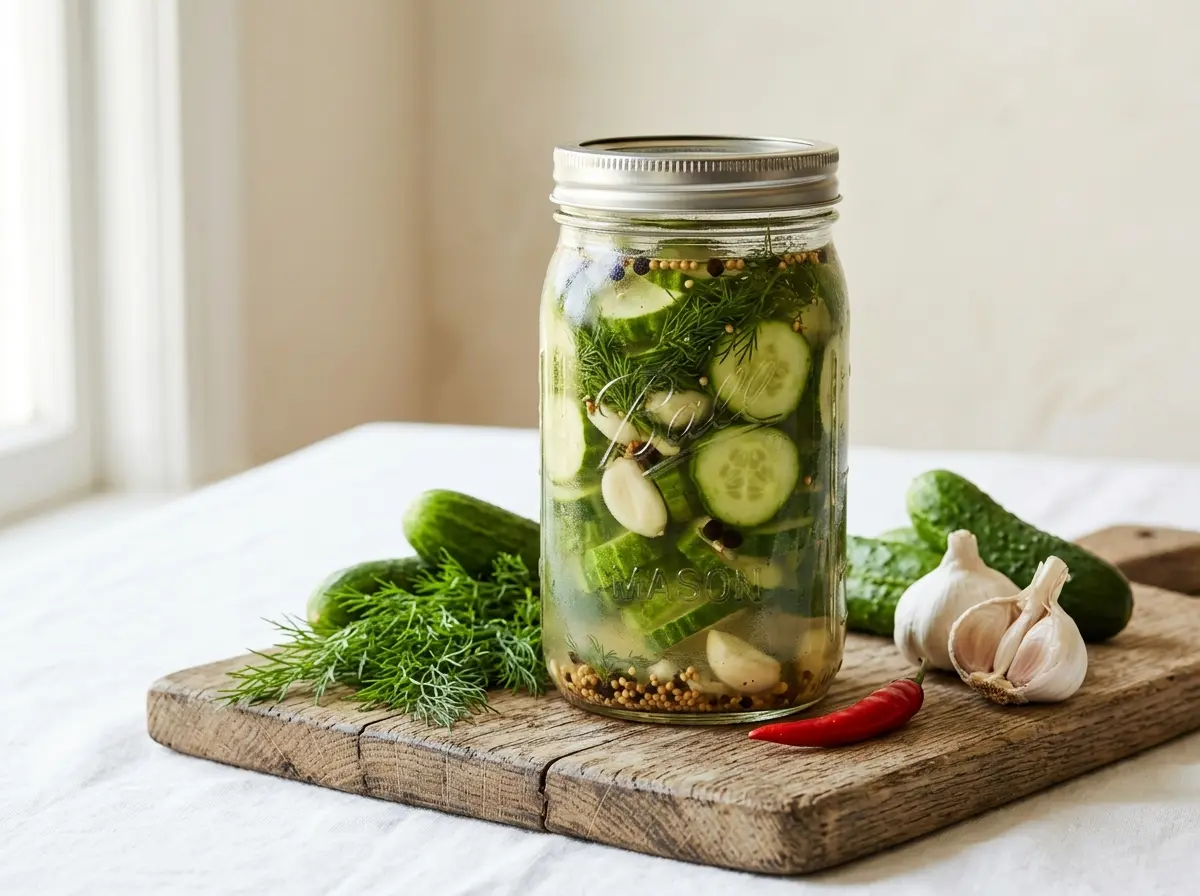
Creating refrigerator pickles at home transforms ordinary cucumbers into tangy, crisp delights without the hassle of traditional canning methods. This simplified pickling approach delivers restaurant-quality results using basic pantry ingredients and your standard kitchen refrigerator. Within just a few hours, you’ll enjoy perfectly seasoned pickles that rival any store-bought variety.
The beauty of homemade refrigerator pickles lies in their versatility and convenience. Unlike water-bath canning, this method requires no special equipment or lengthy sterilization processes. You simply combine fresh vegetables with a flavorful brine, pack everything into clean jars, and let time work its magic in your refrigerator.
Introduction to Refrigerator Pickles
What Are Refrigerator Pickles?
Easy refrigerator pickles represent a modern approach to vegetable preservation that eliminates complex canning procedures. This method involves submerging fresh vegetables in an acidic brine solution and storing them in refrigerated conditions. The cold environment slows bacterial growth while allowing beneficial fermentation flavors to develop gradually.
Unlike traditional fermented pickles that require weeks of counter-top culturing, quick refrigerator pickles achieve their signature tang through direct vinegar infusion. The vegetables maintain their natural crunch while absorbing the brine’s seasoning profile. Most varieties reach peak flavor within 24 to 48 hours of refrigeration.
This technique works exceptionally well with cucumbers, but extends beautifully to carrots, radishes, onions, and seasonal vegetables. The controlled environment ensures consistent results every time you prepare a batch.
Benefits of Refrigerator Pickling vs Traditional Canning
Homemade refrigerator pickles offer several distinct advantages over water-bath canning methods. First, they require no specialized equipment like pressure canners, canning jars with specific lid systems, or extended boiling processes. Any clean glass jar with a tight-fitting lid works perfectly for this application.
The time investment drops dramatically compared to traditional preservation. While canned pickles demand careful sterilization, precise timing, and cooling protocols, refrigerator versions come together in under 30 minutes of active preparation. You can start a batch during lunch and enjoy pickles by dinnertime.
Texture preservation represents another significant benefit. The gentle refrigerator environment maintains vegetable cell structure better than high-heat canning processes. This results in consistently crunchy refrigerator pickles that retain their fresh bite throughout the storage period.
Essential Ingredients and Tools
Best Cucumbers for Refrigerator Pickles
Cucumber variety selection directly impacts your final pickle quality and texture. Kirby cucumbers, also called pickling cucumbers, deliver the superior crunch and flavor absorption that defines excellent homemade pickles. These compact varieties feature thicker skins and denser flesh that resist softening during brining.
Persian cucumbers offer another excellent option for refrigerator pickling applications. Their thin, edible skins eliminate peeling requirements while providing consistent texture throughout the pickle. These varieties also contain fewer seeds, reducing potential mushiness in the final product.
English cucumbers work adequately when pickling varieties aren’t available, though they require more careful handling. Remove excess seeds and slice them slightly thicker to compensate for their higher water content. Always select firm specimens without soft spots or yellowing areas.
Key Ingredients for Brine and Flavor
A well-balanced refrigerator pickles brine requires three fundamental components: acid, salt, and water. White distilled vinegar provides the primary acidic foundation, though apple cider vinegar adds subtle sweetness and complexity. The acid level must reach at least 5% acidity to ensure proper preservation and safety.
Salt selection influences both flavor development and texture preservation. Kosher salt or sea salt work best because they dissolve cleanly without additives that could cloud the brine. Table salt contains anti-caking agents that may affect the pickle’s appearance and taste profile.
Sugar balances the vinegar’s sharpness while encouraging favorable fermentation activity. Granulated white sugar integrates most easily, though coconut sugar or honey provide interesting flavor variations. The sweetness level can be adjusted based on personal preference and intended serving applications.
Recommended Pickle Seasoning Blends
Classic dill refrigerator pickles benefit from fresh dill fronds, garlic cloves, and whole peppercorns. These aromatics infuse the brine with traditional pickle flavors that complement most vegetables. Fresh dill provides more vibrant taste than dried alternatives, especially when added to each jar individually.
Mustard seeds contribute a subtle heat and complexity that enhances the overall flavor profile. Coriander seeds add citrusy notes, while bay leaves provide earthy depth. Combining these whole spices creates a more sophisticated seasoning blend than single-note additions.
Experiment with regional variations like adding turmeric for color, red pepper flakes for heat, or celery seeds for additional savory notes. Each spice combination creates a unique pickle character that can be tailored to specific meal pairings or personal taste preferences.
Step-by-Step Refrigerator Pickles Recipe
Preparation and Slicing Tips
Proper cucumber preparation sets the foundation for crunchy refrigerator pickles that maintain their texture throughout storage. Begin by thoroughly washing cucumbers under cold running water, scrubbing away any dirt or residue from the skin surface. Pat them completely dry with clean kitchen towels before proceeding with slicing.
Slice thickness directly affects both pickle texture and brine penetration speed. Aim for uniform 1/4-inch rounds or spears to ensure even flavor absorption and consistent cooking results. Thinner slices pickle faster but may become overly soft, while thicker cuts require longer brining time to develop full flavor.
Remove both cucumber ends before slicing, as they contain enzymes that can lead to soft, mushy pickles. Some recipes recommend soaking sliced cucumbers in ice water for 30 minutes to enhance crispness, though this step is optional with high-quality, fresh vegetables.
Making the Brine
Creating the perfect refrigerator pickles brine requires precise ingredient ratios and proper heating technique. Combine equal parts water and vinegar as your liquid foundation, then add salt and sugar according to your desired flavor profile. A standard ratio uses 1 cup each of water and vinegar with 1 tablespoon salt and 2 tablespoons sugar.
Heat the brine mixture in a medium saucepan over medium heat, stirring frequently until all salt and sugar dissolve completely. The solution should reach a gentle simmer but doesn’t require vigorous boiling. This heating process ensures proper ingredient integration and creates a shelf-stable brine.
Allow the hot brine to cool slightly before pouring over vegetables to prevent immediate softening. However, warm brine penetrates vegetables more effectively than completely cooled versions. The ideal temperature falls between 120°F and 140°F for optimal flavor infusion without texture damage.
Packing Jars and Adding Seasonings
Layer sliced cucumbers and aromatics strategically within clean glass jars to maximize flavor distribution and visual appeal. Place garlic cloves and larger spices like bay leaves on the bottom, followed by cucumber layers interspersed with dill fronds and smaller seasonings. This arrangement ensures even seasoning throughout the entire pickle batch.
Pack vegetables firmly but avoid crushing them against the jar walls. Leave approximately 1/2 inch of headspace at the top to accommodate the brine and allow for slight expansion during refrigeration. Overpacking can prevent proper brine circulation and lead to uneven pickling results.
Pour the warm brine slowly over the packed vegetables, ensuring complete coverage of all ingredients. Tap the jar gently on a counter surface to release air bubbles trapped between vegetable layers. Top off with additional brine if needed to maintain proper coverage levels.
Refrigeration and Timing
Secure jar lids tightly and transfer containers to the refrigerator immediately after packing. The cold environment begins the pickling process while preventing harmful bacterial growth that could occur at room temperature. Most no canning pickles develop noticeable flavor within 2 to 4 hours of refrigeration.
Peak flavor development typically occurs between 24 and 48 hours, though taste preferences vary significantly. Some people prefer the bright, fresh flavor of newly made pickles, while others enjoy the deeper, more complex taste that develops after several days of cold storage.
Gently shake or invert jars once daily during the first week to ensure even brine distribution. This movement helps seasonings circulate and promotes uniform flavor development throughout the entire pickle batch.
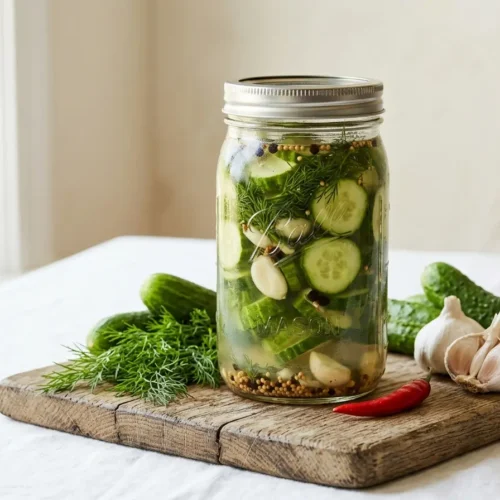
Refrigerator Pickles
Equipment
- 1-quart mason jar with tight-fitting lid
- Medium saucepan
- Measuring cups and spoons
- Sharp knife
- Cutting board
- Large mixing bowl
Ingredients
- 1.5 pounds Kirby cucumbers or small pickling cucumbers, sliced into 1/4-inch rounds
- 1 medium onion thinly sliced (optional)
- 2 cloves garlic peeled and smashed
- 1 cup apple cider vinegar 5% acidity (or white vinegar for milder flavor)
- 1 cup filtered water
- 2 tablespoons coconut sugar or maple syrup for natural sweetness
- 1 tablespoon sea salt non-iodized
- 2 tablespoons fresh dill chopped, or 1 tablespoon dried dill
- 1 teaspoon mustard seeds
- 1 teaspoon coriander seeds
- 1/2 teaspoon black peppercorns
- 1/4 teaspoon red pepper flakes optional, for heat
- 2 sprigs fresh thyme or 1 bay leaf
Instructions
- Wash and slice cucumbers into 1/4-inch rounds. If using onion, slice thinly. Lightly smash garlic cloves with the flat side of a knife to release oils.
- Layer cucumber slices, onion, and garlic in a large mixing bowl. Sprinkle with 1 teaspoon salt and toss gently. Let sit for 10 minutes to draw out excess moisture.
- In a medium saucepan, combine apple cider vinegar, water, coconut sugar, and remaining salt. Bring to a boil over medium-high heat, stirring until sugar and salt completely dissolve.
- Remove from heat and let cool for 5 minutes. The brine should be warm but not boiling hot when added to vegetables.
- Rinse the salted vegetables under cold water and pat dry with paper towels. This removes excess salt and prevents overly salty pickles.
- Layer the spice blend (dill, mustard seeds, coriander seeds, peppercorns, red pepper flakes, and thyme) in the bottom of your clean quart jar.
- Pack the vegetables tightly into the jar, leaving 1/2 inch headspace at the top. Pour the warm brine over vegetables, ensuring they are completely submerged.
- Tap jar gently on counter to release air bubbles. Add more brine if needed to cover vegetables completely. Seal with tight-fitting lid.
- Refrigerate for minimum 2 hours for lightly pickled flavor, or overnight for fully developed tangy taste. Pickles will continue to improve in flavor over the first 24-48 hours.
- Serve chilled as a side dish, sandwich topping, or snack. Always use clean utensils when removing pickles to maintain freshness.
Notes
Apple cider vinegar provides a mellow, slightly sweet flavor while white vinegar creates sharper, more traditional pickles. Both work equally well for preservation. READINESS TIMING:
Light pickle flavor develops in 2 hours, medium tang in 4-6 hours, and full pickle flavor in 24 hours. Taste-test to find your preference. VEGETABLE VARIATIONS:
Try radishes (ready in 1 hour), carrots (slice thin, ready in 4 hours), green beans (blanch 2 minutes first), or cauliflower florets for variety. STORAGE:
Keep refrigerated for up to 2 months. Pickles will soften slightly over time but remain safe to eat as long as they stay submerged in brine. TROUBLESHOoting:
If pickles turn mushy, cucumbers were too ripe or brine was too hot. For less salty taste, reduce salt to 2 teaspoons. Cloudy brine is normal after a few days.
Nutrition Highlights (Per Serving – Approximate)
Understanding your food’s composition is key to balanced eating. Here is an approximate nutritional breakdown calculated for a standard serving based on wholesome preparation guidelines:
Culinary Selection Notes
- Adjusting sweetener densities or using refined-sugar alternatives will directly optimize the overall glycemic load without breaking structural balance.
- Focusing on high-quality whole fats maximizes trace micronutrient retention across low-temperature or baking environments.
Troubleshooting and Tips for Perfect Pickles
Achieving the Perfect Crunch
Maintaining optimal pickle crunch requires attention to several critical factors throughout the preparation process. Cucumber freshness plays the primary role – vegetables should be used within 24 hours of harvest or purchase for maximum cell integrity. Older cucumbers develop softer flesh that won’t maintain crispness regardless of preparation technique.
Salt concentration in the brine directly affects texture preservation by drawing moisture from vegetable cells while strengthening their structure. A brine that’s too weak allows excess water retention, leading to mushy pickles. Conversely, overly salty solutions can make vegetables tough and unpalatable.
Temperature control during the initial pickling phase impacts final texture significantly. Extremely hot brine can partially cook vegetables, destroying their natural crunch. Allow brine to cool to lukewarm temperature before adding to jars for optimal results.
Balancing Pickle Flavors
Achieving harmonious refrigerator pickles storage requires balancing sweet, sour, salty, and aromatic elements within the brine. Start with the basic vinegar-to-water ratio, then adjust salt and sugar levels based on intended use and personal preference. Pickles served as appetizers benefit from slightly higher sugar content, while condiment pickles work better with more pronounced acidity.
Garlic intensity can overwhelm other flavors if used excessively. Begin with one clove per jar and increase gradually based on taste testing after 24 hours. Fresh garlic provides more robust flavor than pre-minced alternatives, though it may develop stronger bite over extended storage periods.
Spice combinations require careful consideration of individual potency levels. Whole spices release flavor more gradually than ground versions, allowing better control over final intensity. Taste-test pickles after 48 hours and adjust future batches based on flavor development patterns.
Common Problems and Solutions
Cloudy brine often indicates bacterial activity or excessive salt dissolution issues. Ensure all equipment receives thorough cleaning with hot, soapy water before use. Use filtered water if your tap water contains high mineral content that could affect brine clarity.
Overly sour pickles result from excessive vinegar concentration or extended storage without consumption. Dilute future batches with additional water, or add more sugar to balance the acidity. Remember that flavor intensity increases over time, so initial mildness often develops into perfect seasoning.
Soft, mushy texture usually stems from poor cucumber selection, excessive heat exposure, or inadequate salt levels. Choose firm, fresh vegetables and maintain proper brine ratios. If problems persist, try soaking sliced cucumbers in ice water before packing to enhance cellular integrity.
Variations to Try
Sweet Refrigerator Pickles
Sweet refrigerator pickles offer a delightful contrast to traditional dill varieties, providing balanced flavor that appeals to diverse palates. Increase sugar content to 1/4 cup per batch while maintaining standard vinegar levels for proper preservation. This adjustment creates the characteristic sweet-tart profile that complements sandwiches and charcuterie boards beautifully.
Add warm spices like cinnamon sticks, whole cloves, or allspice berries to enhance the sweet profile with aromatic complexity. These additions work particularly well with seasonal vegetables like carrots, beets, or turnips that naturally complement sweeter preparations.
Consider using apple cider vinegar instead of white vinegar for sweet variations. The fruit-based acid provides subtle sweetness and depth that enhances the overall flavor profile without requiring additional sugar adjustments.
Dill and Herb Variations
Classic dill refrigerator pickles benefit from fresh herb combinations that create more complex flavor profiles than single-herb preparations. Combine dill fronds with fresh oregano, thyme, or marjoram for Mediterranean-inspired pickles that pair excellently with grilled vegetables and grain salads.
Fresh basil leaves create an unexpected but delightful variation that works particularly well with cherry tomato pickles. The herb’s natural sweetness balances vinegar acidity while providing aromatic complexity that elevates simple vegetable preparations.
Experiment with herb timing by adding delicate herbs like parsley or chives after the initial 24-hour pickling period. This technique preserves their bright color and fresh flavor without the wilting that occurs during extended brine exposure.
Low-Sodium and Natural Sweeteners Options
Reducing sodium content in refrigerator pickles variations requires careful adjustment of other flavoring elements to maintain proper taste balance. Cut salt by half and increase acidic components slightly to compensate for reduced preservation power. Add extra herbs and spices to provide flavor complexity that offsets the missing saltiness.
Natural sweeteners like maple syrup, coconut sugar, or date paste offer alternatives to refined white sugar while contributing unique flavor notes. These options may affect brine clarity slightly but provide more complex sweetness profiles that enhance vegetable flavors naturally.
Stevia or monk fruit sweeteners work for sugar-free versions, though they require careful measurement since their sweetening power far exceeds traditional sugar. Start with small amounts and adjust gradually, as these alternatives can develop bitter notes if overused.
Seasonal Vegetable Pickles
Expand beyond cucumbers by incorporating seasonal vegetables that benefit from quick pickling techniques. Summer radishes, snap peas, and green beans all pickle beautifully using the same basic brine formula with minor timing adjustments for different vegetable densities.
Fall vegetables like carrots, turnips, and cauliflower require slightly longer brining time to achieve proper flavor penetration. Cut these denser vegetables into smaller pieces or blanch briefly before pickling to accelerate the process without compromising texture.
Winter root vegetables such as beets, parsnips, and daikon radish create colorful, flavorful pickles that store exceptionally well. These varieties often improve with extended refrigeration, developing deeper, more complex flavors over 5 to 7 days of storage.
Storage and Safety
How to Store Refrigerator Pickles
Proper refrigerator pickles storage begins with selecting appropriate containers that maintain food safety while preserving optimal flavor development. Glass jars with tight-fitting lids provide the best storage environment, preventing contamination while allowing easy monitoring of pickle condition throughout the storage period.
Maintain consistent refrigeration at 40°F or below to ensure food safety and quality preservation. Temperature fluctuations can accelerate spoilage or create conditions favorable for harmful bacteria growth. Store pickle jars in the main refrigerator compartment rather than door shelves where temperature varies more significantly.
Keep vegetables completely submerged beneath brine level throughout storage to prevent exposure-related spoilage. If brine levels drop due to vegetable absorption, top off with fresh brine made using the same ratios as the original recipe. This maintains proper acidity levels and prevents oxidation.
Shelf Life and When to Discard
Properly prepared and stored refrigerator pickles maintain peak quality for 2 to 4 weeks under optimal conditions. Flavor continues developing throughout this period, with most varieties reaching ideal taste balance within the first week of refrigeration. Quality gradually declines after the one-month mark, though safety may remain acceptable for several additional weeks.
Monitor pickle appearance, aroma, and texture regularly to identify signs of spoilage before consumption. Discard immediately if you notice cloudy brine with sediment, off odors, unusually soft texture, or visible mold growth on vegetables or jar surfaces. These indicators suggest bacterial contamination that poses health risks.
Trust your senses when evaluating pickle safety – any questionable appearance, smell, or texture warrants disposal rather than consumption. The acidic environment provides some protection against harmful bacteria, but refrigerator pickles lack the processing steps that ensure long-term stability of traditionally canned varieties.
Conclusion
Recap of Key Points
Mastering how to make refrigerator pickles opens up endless possibilities for preserving seasonal vegetables while adding vibrant flavors to your culinary repertoire. The simplified process requires no special equipment or extensive time investment, making it accessible to cooks of all skill levels who want to create professional-quality pickles at home.
Success depends on selecting quality vegetables, maintaining proper brine ratios, and following safe storage practices throughout the process. Fresh cucumbers, balanced seasoning, and consistent refrigeration form the foundation of exceptional homemade pickles that surpass store-bought alternatives in both flavor and texture.
Remember that pickle-making is both science and art – precise measurements ensure safety and consistency, while creative seasoning combinations allow for personal expression and flavor exploration. Each batch provides learning opportunities that improve your technique and expand your understanding of flavor development.
Encouragement to Experiment with Recipes
Don’t hesitate to customize basic refrigerator pickle recipes according to your taste preferences and available ingredients. Start with the fundamental brine formula, then gradually introduce new spices, herbs, or vegetables to create signature varieties that reflect your culinary style.
Document successful combinations and timing adjustments for future reference. Keep notes about vegetable varieties, seasoning ratios, and flavor development timelines to replicate favorite results and avoid disappointing experiments. This systematic approach accelerates your learning curve significantly.
Share your pickle creations with friends and family to gather feedback and inspire new variations. Different palates often suggest improvements or combinations you might not have considered, expanding your pickle-making repertoire through collaborative tasting and experimentation. Try pairing your homemade pickles with fresh cucumber salad for a refreshing summer meal, or serve alongside cooling soups like watermelon gazpacho or cucumber gazpacho for perfectly balanced flavor combinations.