Salsa Recipe: Easy Homemade Salsa Guaranteed Delicious
Discover a quick and easy salsa recipe with fresh ingredients and perfect texture. Get this foolproof homemade salsa today and delight your family.
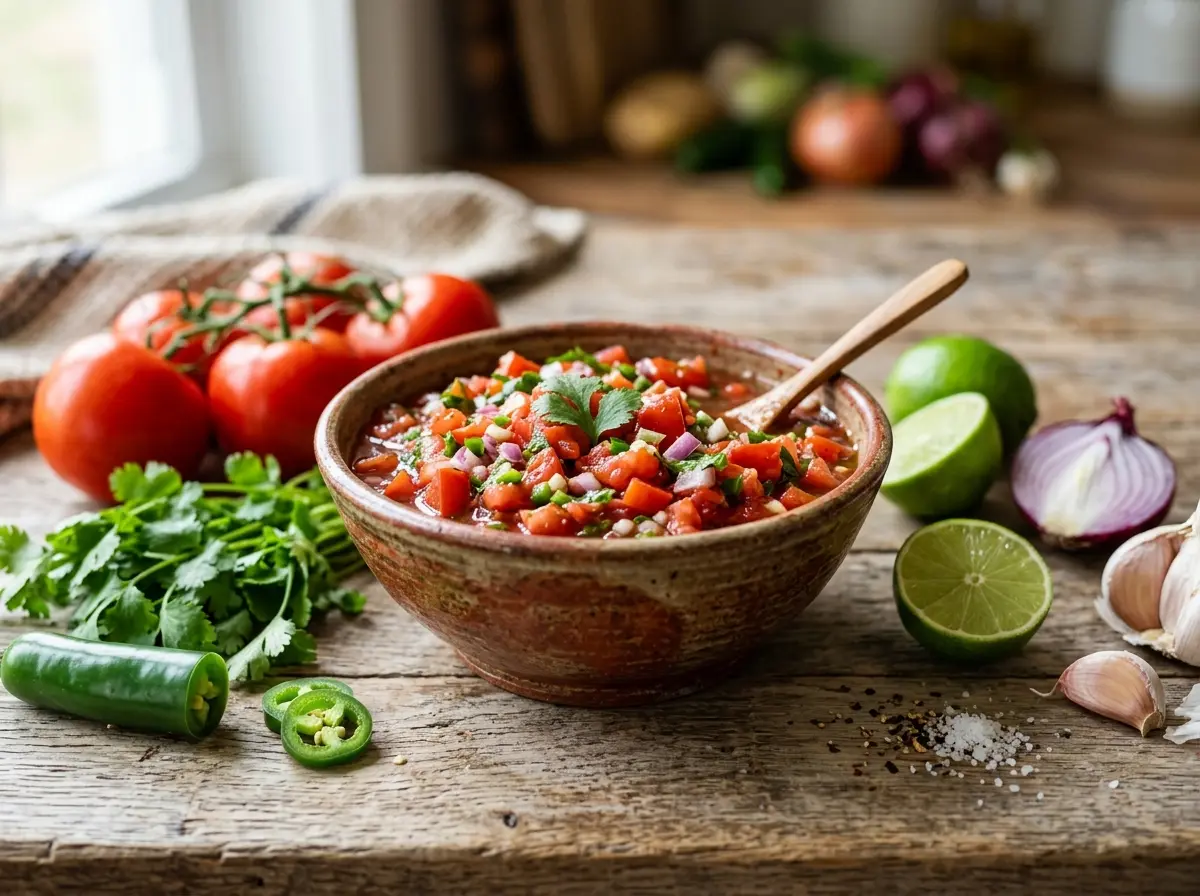
This homemade salsa recipe transforms simple fresh ingredients into a vibrant, flavorful condiment that outshines any store-bought version. With just a handful of wholesome ingredients and minimal prep time, you’ll create a chunky, restaurant-quality salsa that’s perfect for entertaining or everyday snacking. The beauty of making your own salsa lies in the control you have over texture, heat level, and ingredient quality.
Each spoonful delivers the perfect balance of juicy tomatoes, sharp onions, aromatic garlic, and bright cilantro, all brought together with a splash of fresh lime juice. The natural sweetness of ripe tomatoes pairs beautifully with the mild heat from jalapeños, creating a complex flavor profile that enhances everything from tortilla chips to grilled proteins.
Introduction
Salsa stands as one of America’s most beloved condiments, transcending cultural boundaries to become a staple in kitchens nationwide. This versatile mixture of chopped vegetables and seasonings serves as the perfect complement to countless dishes, from simple tortilla chips to elaborate Mexican-inspired meals.
The beauty of homemade salsa lies in its simplicity and the control it gives you over every ingredient. Unlike commercial versions loaded with preservatives and artificial flavors, a fresh salsa recipe showcases the natural sweetness of ripe tomatoes and the bright acidity of fresh lime juice.
Making salsa at home requires no special equipment or advanced cooking techniques. With just a sharp knife and a mixing bowl, you can create a restaurant-quality condiment that’s customizable to your family’s taste preferences and dietary needs.
Ingredients for the Best Salsa Recipe
The foundation of any exceptional salsa recipe starts with selecting high-quality, fresh ingredients. Each component plays a crucial role in building the complex flavor profile that makes homemade salsa so irresistible.
Fresh Tomatoes and Their Selection
Roma tomatoes serve as the ideal choice for salsa making due to their lower water content and firmer flesh. These plum-shaped varieties hold their structure better during mixing and storage, preventing your salsa from becoming watery.
Look for tomatoes that feel heavy for their size with smooth, unblemished skin. The fruit should yield slightly to gentle pressure but not feel mushy or overly soft.
If Roma tomatoes aren’t available, vine-ripened or beefsteak varieties work well too. Simply remove excess seeds and liquid to maintain the proper texture in your finished salsa.
Key Flavor Enhancers (Onion, Garlic, Cilantro, Lime Juice)
Yellow or white onions provide the sharp, pungent bite that balances the sweetness of tomatoes. Red onions offer a milder flavor with beautiful color contrast, making them perfect for those who prefer less aggressive onion notes.
Fresh garlic cloves, minced finely, contribute aromatic depth without overwhelming the other ingredients. Always use fresh garlic rather than pre-minced varieties for the best flavor impact.
Fresh cilantro leaves bring bright, herbaceous notes that define traditional salsa flavor. Remove thick stems but don’t worry about picking every single leaf – thin stems add extra flavor and won’t affect the texture.
Optional Ingredients and Variations (Jalapeño, Bell Peppers, Corn)
Jalapeño peppers provide controlled heat that can be adjusted by removing or including the seeds and white membrane. Start with half a pepper and taste before adding more to avoid overwhelming sensitive palates.
Bell peppers contribute sweetness and crunch while adding vibrant color to your salsa. Red, yellow, or orange varieties work particularly well, though green peppers offer a more vegetal flavor profile.
Sweet corn kernels transform basic salsa into a hearty corn salsa recipe that’s perfect for summer gatherings. Use fresh corn when possible, though high-quality frozen corn works in a pinch.
How to Make Homemade Salsa Recipe
Creating perfect homemade salsa requires attention to knife skills and timing to achieve the ideal balance of flavors and textures. The preparation method you choose significantly impacts the final result.
Preparing Ingredients (Chopping Techniques, Mincing Garlic)
Start by washing all produce thoroughly under cold running water. Pat tomatoes dry and remove the core before cutting them into uniform pieces, roughly ¼-inch in size for optimal texture.
Dice onions into pieces slightly smaller than your tomato chunks to ensure even distribution in each bite. A sharp chef’s knife makes this process safer and more efficient.
Mince garlic by first crushing each clove with the flat side of your knife, then rocking the blade back and forth until you achieve a fine paste-like consistency. This releases maximum flavor while preventing large chunks in your finished salsa.
Blender vs Hand Chopped: Pros and Cons
Hand-chopped salsa offers superior texture control and allows you to customize the size of each ingredient piece. This method creates the chunky, restaurant-style texture that many people prefer.
Blender salsa provides convenience and speed but can quickly become too smooth if over-processed. Use short pulses and check frequently to avoid creating tomato soup instead of chunky salsa.
For best results with blender salsa, add ingredients in stages and pulse briefly rather than running continuously. This prevents over-mixing while still achieving consistent chopping.
Mixing and Seasoning for Perfect Flavor Balance
Combine all chopped ingredients in a large mixing bowl, starting with tomatoes as your base. Add salt gradually while tasting, as it helps release natural juices and intensifies all other flavors.
Fresh lime juice not only adds brightness but also helps preserve the salsa’s color and freshness. Start with the juice of one lime and adjust based on your taste preferences.
Allow the mixed salsa to rest for at least 15 minutes before serving. This resting period lets flavors meld together while salt draws out natural juices from the vegetables.
Texture and Consistency Guide
Understanding salsa consistency preferences helps you create the perfect texture for your family’s taste. The right consistency enhances both the eating experience and the salsa’s versatility in different applications.
Chunky vs Smooth Salsa Explained
Chunky salsa features distinct pieces of each ingredient, creating varied textures in every bite. This style works best with tortilla chips and provides satisfying substance when used as a topping.
Smooth salsa blends ingredients into a more uniform consistency that’s ideal for mixing into recipes or as a sauce base. However, completely smooth salsa can become watery more quickly than chunky versions.
Medium-textured salsa strikes a balance between the two extremes, offering some chunk while maintaining easy scooping and spreading qualities. Most home cooks find this consistency most versatile for everyday use.
Adjusting Thickness and Moisture Levels
If your salsa becomes too watery, strain excess liquid through a fine-mesh sieve for 10-15 minutes. Reserve this flavorful liquid for cooking rice, seasoning soups, or adding to smoothies.
Overly thick salsa can be loosened with small amounts of fresh lime juice or the reserved tomato liquid. Add liquids gradually to avoid over-thinning.
Salt plays a crucial role in moisture control by drawing water from vegetables. Add salt early in the process and allow time for this natural drainage to occur before final seasoning adjustments.
Variations on the Classic Salsa Recipe
Adapting your basic salsa recipe opens up endless possibilities for customization based on seasonal ingredients, dietary preferences, and heat tolerance levels. These variations maintain the fundamental salsa structure while offering unique flavor profiles.
Mild Salsa Recipe for Families and Kids
Creating a kid-friendly salsa recipe involves reducing or eliminating spicy elements while maintaining interesting flavors. Replace jalapeños with sweet bell peppers or mild banana peppers for crunch without heat.
Increase the proportion of sweet ingredients like corn or finely diced sweet onions to balance any residual heat. A small amount of honey or maple syrup can also help mellow sharp flavors.
Consider adding finely diced cucumber or jicama for extra crunch that appeals to young palates. These ingredients provide texture variety without introducing unfamiliar flavors.
Corn Salsa Recipe Variation
Transform your basic salsa into a hearty corn salsa recipe by adding 1-2 cups of sweet corn kernels. Fresh corn provides the best texture and flavor, though quality frozen corn works year-round.
Lightly char fresh corn kernels in a dry skillet before adding to salsa for enhanced smoky flavor. This extra step elevates the overall taste profile significantly.
Balance the sweetness of corn with additional lime juice and a pinch of cumin. These seasonings complement corn’s natural flavors while maintaining the salsa’s bright, fresh character.
Roasted Tomato and Bell Pepper Salsa
Roasting vegetables before chopping intensifies their flavors and adds complex, caramelized notes to your finished salsa. This technique works particularly well during winter months when fresh tomatoes lack peak flavor.
Roast halved tomatoes and bell peppers under the broiler until edges begin to char and blister. Allow vegetables to cool before peeling away any loose skin and chopping.
The roasting process concentrates flavors while reducing water content, creating a more intense, complex salsa that pairs beautifully with grilled meats and vegetables.
Serving Suggestions
Fresh homemade salsa extends far beyond the traditional chip-and-dip scenario, offering versatile applications that enhance numerous dishes throughout your weekly meal planning. Understanding these uses maximizes your salsa-making efforts.
Pairing Salsa with Chips, Tacos, and Other Dishes
Thick, chunky salsa pairs perfectly with sturdy tortilla chips that can support substantial scooping without breaking. Choose restaurant-style chips with enough structure to hold generous amounts.
As a taco topping, salsa provides fresh contrast to rich meats and creamy elements like cheese or avocado. The acidity helps cut through fatty flavors while adding moisture and color.
Grilled chicken, fish, or pork benefit from fresh salsa as a light, healthy sauce alternative. The bright flavors complement protein without masking natural tastes or adding excessive calories.
Using Salsa as a Healthy Dip or Condiment
Fresh vegetables like bell pepper strips, cucumber rounds, and jicama sticks make excellent salsa dippers for those seeking lower-carb snack options. These combinations provide satisfying crunch with minimal calories.
Scrambled eggs topped with salsa create a protein-rich breakfast that’s both satisfying and nutritious. The vegetables add fiber and vitamins while the herbs provide antioxidants.
Baked potatoes benefit from salsa as a lighter alternative to traditional toppings like sour cream and butter. This combination offers more nutrients while reducing overall calorie content.
Storage Tips for Salsa
Proper salsa storage techniques preserve freshness, maintain food safety, and extend your homemade creation’s usable life. Understanding these principles prevents waste while ensuring optimal flavor retention.
Best Containers for Keeping Salsa Fresh
Glass containers with tight-fitting lids provide the best storage environment for fresh salsa. Glass doesn’t absorb flavors or odors and allows easy visibility of contents.
Choose containers that minimize air exposure by selecting sizes that closely match your salsa quantity. Excess air accelerates oxidation and flavor deterioration.
Plastic containers work for short-term storage but may absorb acidic flavors from tomatoes and lime juice. If using plastic, choose BPA-free options designed for acidic foods.
Storage Duration and Signs of Spoilage
Fresh homemade salsa maintains peak quality for 3-4 days when properly refrigerated at 40°F or below. The high acid content from tomatoes and lime juice helps preserve freshness naturally.
Watch for signs of spoilage including off odors, mold growth, or significant color changes. Excessive liquid separation after the first day may indicate bacterial growth.
Trust your senses when evaluating salsa freshness. Any questionable odors, textures, or appearances warrant immediate disposal to prevent foodborne illness.
Make-Ahead and Batch Cooking Tips
Prepare salsa ingredients up to 24 hours in advance but store them separately to prevent premature softening. Combine just before serving for optimal texture.
Double or triple recipe quantities work well for meal prep or entertaining, though avoid making more than you can consume within a week. Fresh salsa doesn’t freeze well due to high water content.
Label containers with preparation dates to track freshness and rotation. This system prevents confusion when multiple batches exist in your refrigerator.
Troubleshooting Common Salsa Problems
Even experienced home cooks encounter occasional salsa challenges that can affect texture, flavor, or overall enjoyment. Understanding these common issues and their solutions ensures consistent results every time.
Watery Salsa Fixes
Excess liquid often results from using tomatoes with high water content or inadequate draining time. Strain liquid through a fine-mesh sieve for 15-20 minutes before final seasoning.
Salt plays a crucial role in moisture control by drawing water from vegetables through osmosis. Add salt early and allow sufficient time for this natural process to work.
Remove seeds and gel from tomatoes before chopping to reduce initial water content. This preventive measure works better than trying to fix watery salsa after mixing.
Balancing Heat Levels
Overly spicy salsa can be mellowed by adding more tomatoes, onions, or sweet ingredients like corn. These additions dilute heat while maintaining flavor balance.
Dairy products like yogurt or sour cream can be stirred in just before serving to reduce heat perception. However, this changes the traditional salsa character significantly.
For future batches, start with less pepper and taste frequently during preparation. It’s much easier to add heat than to remove it once incorporated.
Flavor Adjustments
Bland salsa usually lacks sufficient salt or acid to bring out ingredient flavors. Add salt gradually while tasting, then brighten with additional lime juice as needed.
Over-salty salsa can be balanced by adding more tomatoes or a small amount of sugar to counteract excess sodium. Fresh ingredients dilute saltiness naturally.
Missing flavor depth often indicates insufficient resting time. Allow mixed salsa to sit for at least 30 minutes so salt can draw out natural juices and flavors can meld properly.
Nutritional Benefits of Homemade Salsa
Fresh homemade salsa delivers impressive nutritional value while remaining naturally low in calories, making it an ideal choice for health-conscious eaters and those managing their weight.
Fresh Ingredients and Health Advantages
Tomatoes provide lycopene, a powerful antioxidant that supports heart health and may reduce cancer risk. The cooking or processing involved in salsa-making actually increases lycopene bioavailability compared to whole raw tomatoes.
Onions and garlic contribute sulfur compounds that support immune function and may help reduce inflammation throughout the body. These compounds also provide the characteristic sharp flavors that make salsa so appealing.
Fresh cilantro offers vitamin K for bone health and vitamin C for immune support. This herb also contains compounds that may help the body eliminate heavy metals naturally.
Lime juice provides vitamin C and citric acid, which enhances iron absorption from other foods when consumed together. The acidity also helps preserve the salsa’s vibrant colors and fresh flavors.
Unlike commercial salsas that often contain high sodium levels and preservatives, homemade versions allow complete control over salt content and ingredient quality. This control makes salsa suitable for various dietary restrictions and health goals.
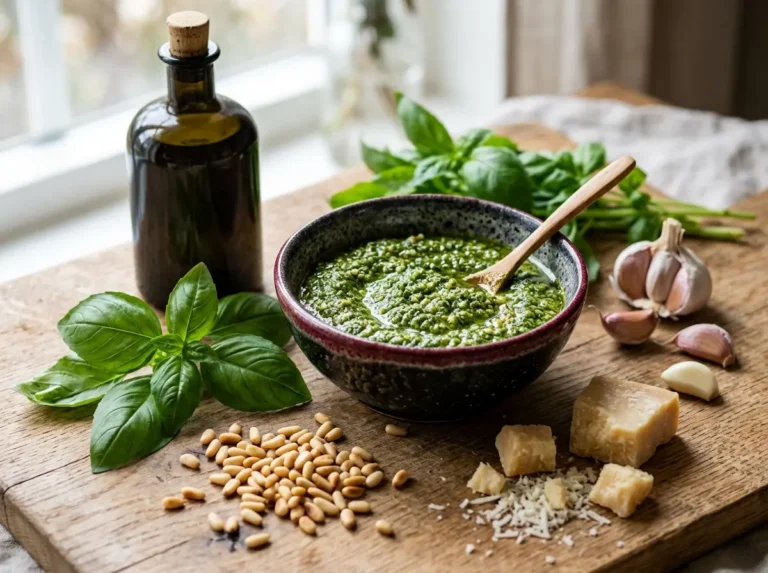
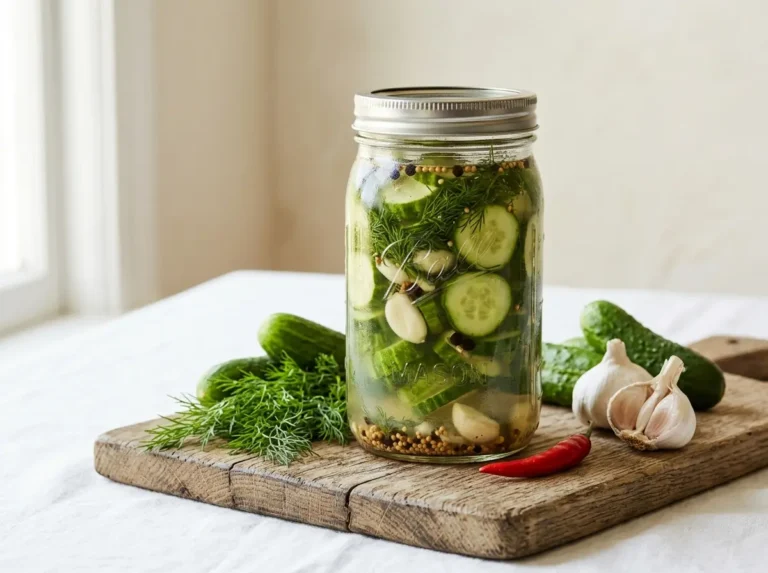
For those looking to complement their salsa with other homemade condiments, consider trying our fresh pesto recipe or quick refrigerator pickles for a complete array of fresh flavors.
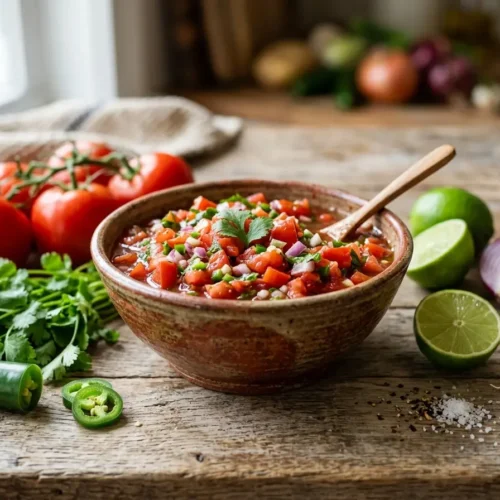
Easy Homemade Salsa
Equipment
- Large mixing bowl
- Sharp chef's knife
- Cutting board
- Fine mesh strainer
- Citrus Juicer
Ingredients
- 4 large Roma Tomatoes diced, or use fire-roasted canned tomatoes for deeper flavor
- 1 medium Red Onion finely diced, or substitute white onion for milder flavor
- 1 medium Sweet Bell Pepper any color, diced for added crunch and sweetness
- 2 cloves Fresh Garlic minced
- 1-2 whole Jalapeño Peppers seeded and minced, adjust quantity for heat preference
- 1/4 cup Fresh Cilantro chopped, or substitute with fresh parsley or oregano
- 2 tablespoons Fresh Lime Juice or substitute with lemon juice for brighter acidity
- 1 teaspoon Sea Salt adjust to taste
- 1/2 teaspoon Ground Cumin optional, for earthy depth
- 1/4 teaspoon Black Pepper freshly ground
Instructions
- Prepare all vegetables by washing and patting dry. Dice tomatoes into uniform 1/4-inch pieces, removing excess seeds if desired for less watery salsa.
- Finely dice the red onion and sweet bell pepper into pieces slightly smaller than the tomatoes for balanced texture in every bite.
- Mince garlic cloves and jalapeño peppers. For mild salsa, remove all seeds and membranes from jalapeños. For medium heat, keep half the seeds. For hot salsa, include all seeds and membranes.
- Finely chop fresh cilantro, discarding thick stems but keeping tender ones for added flavor.
- In a large mixing bowl, combine diced tomatoes, onion, bell pepper, garlic, jalapeños, and cilantro. Mix gently to distribute ingredients evenly.
- Add fresh lime juice, salt, cumin (if using), and black pepper. Stir thoroughly to combine all seasonings.
- Taste and adjust seasoning as needed - add more lime juice for acidity, salt for flavor enhancement, or jalapeños for additional heat.
- Let salsa rest at room temperature for 10 minutes to allow flavors to meld, then serve immediately or refrigerate until ready to use.
Notes
For chunkier salsa, dice vegetables larger. For smoother consistency, pulse briefly in food processor or chop ingredients finer. STORAGE:
Store in refrigerator for up to 5 days in airtight container. Salsa may release liquid over time - simply drain or stir before serving. SCALING:
Easily double or triple recipe for larger gatherings. Recipe serves 6 as appetizer with tortilla chips, or makes about 2 cups total. TROUBLESHOOTING:
If salsa becomes too watery, drain in fine-mesh strainer for 15 minutes before serving. Add salt gradually as it intensifies flavors and helps preserve freshness.
Nutrition Highlights (Per Serving – Approximate)
Understanding your food’s composition is key to balanced eating. Here is an approximate nutritional breakdown calculated for a standard serving based on wholesome preparation guidelines:
Culinary Selection Notes
- Adjusting sweetener densities or using refined-sugar alternatives will directly optimize the overall glycemic load without breaking structural balance.
- Focusing on high-quality whole fats maximizes trace micronutrient retention across low-temperature or baking environments.
Conclusion
Making your own salsa recipe at home rewards you with fresh flavors, complete ingredient control, and the satisfaction of creating something delicious from simple, wholesome ingredients. The versatility of this easy salsa recipe means you’ll never run out of ways to enjoy it.
Whether you prefer chunky texture, smooth consistency, or something in between, homemade salsa adapts to your preferences while delivering superior taste compared to store-bought alternatives. The ability to adjust heat levels, add seasonal ingredients, and control sodium content makes this recipe perfect for any household.
Start with this basic fresh salsa recipe and experiment with variations as you gain confidence. Soon you’ll discover your family’s favorite combinations and wonder why you ever bought jarred salsa from the store.
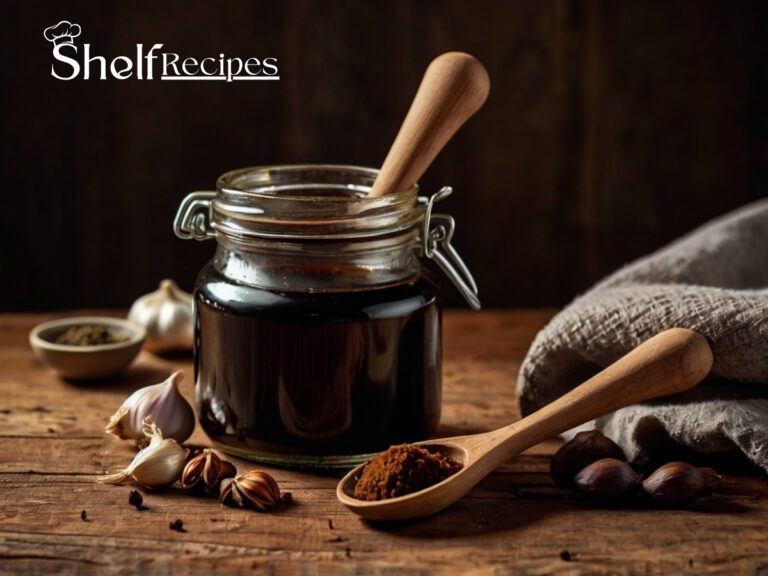
For more homemade condiment recipes that pair beautifully with fresh salsa, explore our homemade Worcestershire sauce for added umami depth in your cooking adventures.