Takis Homemade Recipe: Delicious & Easy Spicy Corn Chips
Learn how to make crunchy, flavorful takis at home with our easy 3-step recipe. Perfectly spicy and family-friendly. Get the recipe today!
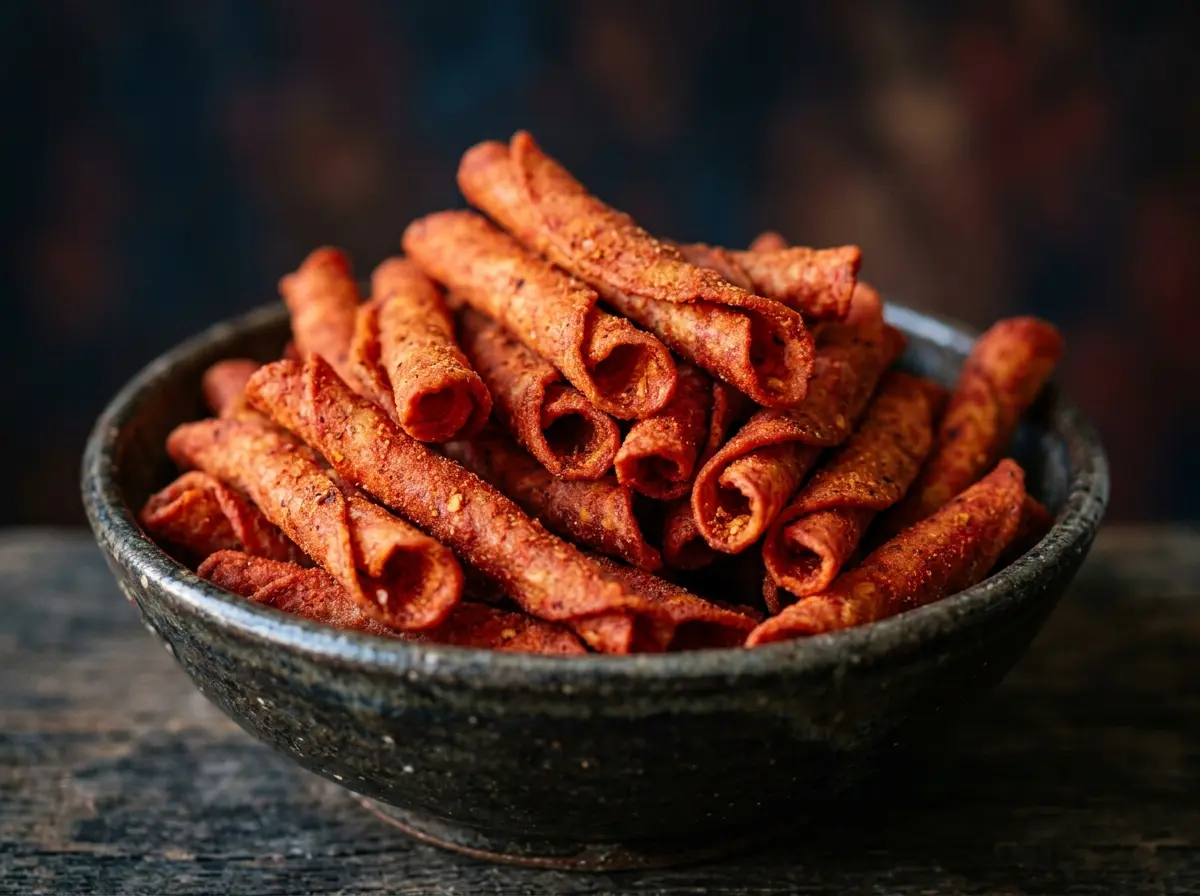
Creating homemade takis brings the beloved crunch and bold flavors of this iconic snack right to your kitchen. These rolled corn tortilla chips deliver that perfect balance of spicy heat and tangy lime that makes takis so irresistible. The beauty of making them at home lies in controlling every ingredient while achieving that signature spiral shape and satisfying crunch.
The aroma of toasted corn and vibrant spices fills your kitchen as these colorful chips transform from simple tortillas into addictive snacks. Each bite delivers layers of flavor that build from the initial corn sweetness to the lingering heat. Your family will be amazed at how closely these homemade versions capture the essence of their favorite store-bought snacks.
Introduction to Takis and Its Popularity
The explosive popularity of takis has transformed these rolled corn tortilla chips into a global snacking phenomenon. Originally launched in Mexico, these intensely flavored snacks have conquered taste buds across North America and beyond. Their distinctive rolled shape and bold seasoning blends create an eating experience that’s both visually striking and flavor-packed.
What sets these spicy corn chips apart from traditional snacks is their commitment to extreme flavors and unique textures. The combination of heat, tanginess, and crunch creates an almost addictive quality that keeps people reaching for more. Social media has amplified their popularity, with countless videos showcasing creative ways to enjoy these vibrant snacks.
The Science Behind the Craving
The appeal of takis lies in their perfect balance of flavor compounds that trigger multiple taste receptors simultaneously. The capsaicin from chili peppers creates heat, while citric acid provides tartness that makes your mouth water. This combination stimulates saliva production, which actually enhances flavor perception and creates that “can’t stop eating” effect.
The rolled shape isn’t just for show – it maximizes surface area for seasoning adhesion while creating pockets that hold flavor. This engineering marvel ensures every bite delivers consistent taste intensity from the first chip to the last.
What Are Takis? Understanding the Snack
At their core, takis are corn masa-based snacks that undergo a specialized rolling and seasoning process. The base starts with masa harina – the same corn flour used for authentic tortillas – which gets formed into thin sheets. These sheets are then carefully rolled into tubes and cut into individual pieces before seasoning and cooking.
The transformation from simple corn flour to the final product involves precise moisture control and temperature management. The rolling process creates layers within each chip that contribute to the characteristic crunch. Understanding this structure helps home cooks replicate the texture successfully.
History and Brand Overview
Takis emerged from Barcel, a Mexican snack company, in the late 1990s as part of a wave of intense-flavored snacks targeting younger consumers. The brand revolutionized the snack industry by pushing flavor boundaries beyond traditional mild options. Their success opened doors for numerous spicy corn chips and bold snack innovations.
The marketing strategy focused on extreme experiences and bold personalities, positioning takis as more than just food – they became a lifestyle statement. This approach resonated particularly well with teenagers and young adults seeking authentic, intense flavors.
Common Takis Flavors and Taste Profiles
The flagship Fuego flavor combines chili pepper heat with lime tartness, creating the signature takis experience that most people recognize. This blend typically features cayenne, paprika, and citric acid as primary flavor drivers. The heat builds gradually, allowing the lime notes to shine through before the spice peaks.
Other popular varieties include Nitro with its habanero-based heat profile and Blue Heat featuring a mysterious blue-colored seasoning blend. Each flavor maintains the core rolled corn chip base while showcasing different spice combinations and heat levels.
Ingredients Breakdown
Commercial takis contain a complex blend of ingredients designed to create their signature taste and visual appeal. The base always starts with corn masa flour, vegetable oil for frying, and salt for basic flavor enhancement. These foundational ingredients provide the neutral canvas for the bold seasonings that follow.
The seasoning blends typically incorporate chili powder, paprika extract for color, citric acid for tartness, and various natural and artificial flavoring agents. Understanding these components helps home cooks create authentic-tasting versions using readily available ingredients.
Core Ingredients in Takis
Masa harina forms the structural foundation, providing that distinctive corn flavor and sturdy texture that holds up to intense seasonings. This specially treated corn flour has been nixtamalized – a process that improves nutritional value and flavor while creating better dough properties. The quality of your masa harina directly impacts the final texture and taste.
Vegetable oils serve multiple purposes beyond just cooking medium – they help seasonings adhere to the chip surface and contribute to mouthfeel. Different oils can subtly alter the flavor profile, with neutral options like canola allowing seasonings to shine through clearly.
Artificial vs. Natural Ingredients – What to Know
Many commercial spicy corn chips rely on artificial colors and flavor enhancers to achieve their vibrant appearance and intense taste. Red dye #40 commonly creates that signature bright red color, while MSG or other flavor enhancers amplify umami notes. These ingredients are generally recognized as safe but some families prefer avoiding them.
Natural alternatives can achieve similar results with ingredients like paprika extract, beet powder, or annatto for coloring. Nutritional yeast, garlic powder, and onion powder provide umami depth without artificial enhancers. The trade-off often involves slightly less intense colors or flavors, but many find the natural versions more satisfying.
How to Make Homemade Takis
Creating takis recipe success at home requires mastering three key elements: proper dough consistency, effective rolling technique, and balanced seasoning application. The process begins with mixing masa harina with just enough warm water to create a pliable dough that won’t crack when rolled. Temperature and timing become crucial factors in achieving that perfect texture.
The rolling process demands patience and practice to create uniform tubes that will cook evenly. Each piece needs consistent thickness and tight rolling to prevent unraveling during cooking. Proper preparation at this stage determines whether your final product matches the commercial texture.
Step-by-Step Recipe Instructions
Begin by creating your seasoning blend, combining chili powder, paprika, citric acid, garlic powder, onion powder, and salt according to your heat preference. This takis seasoning blend can be adjusted to family tastes and stored for future batches. Mix thoroughly to ensure even distribution of all flavor components.
Prepare your masa dough by gradually adding warm water to masa harina until it reaches a smooth, pliable consistency similar to play dough. The dough shouldn’t stick to your hands but should remain flexible enough to roll without cracking. Cover and let rest for 15 minutes to allow proper hydration.
Roll small portions of dough into thin rectangles, then carefully roll into tight tubes and cut into chip-sized pieces. This homemade takis shaping technique requires gentle but firm pressure to create the signature rolled appearance. Work quickly to prevent drying while maintaining consistent sizing.
Making the Signature Crunch: Baking vs Frying Techniques
Frying produces the most authentic texture, creating that satisfying crunch and allowing for optimal seasoning adherence. Heat oil to 350°F and fry small batches until golden and crispy, typically 2-3 minutes per batch. The high heat quickly sets the exterior while maintaining the layered interior structure.
Baking offers a healthier alternative that still achieves good results with proper technique. Brush rolled chips lightly with oil, arrange on parchment-lined baking sheets, and bake at 425°F until golden and crispy. This baked takis method requires slightly longer cooking time but reduces oil content significantly.
Crafting the Seasoning Blend – Chili Lime and More
The classic chili lime flavor profile requires balancing heat sources with acidic components and savory enhancers. Combine cayenne pepper for heat, paprika for color and mild pepper flavor, and citric acid for that characteristic tang. Garlic and onion powders add depth without overwhelming the primary chili lime notes.
Experiment with different chili varieties to find your preferred heat level and flavor complexity. Chipotle powder adds smokiness, while habanero powder increases intensity. Always taste-test your blend on a small batch before seasoning the entire quantity.
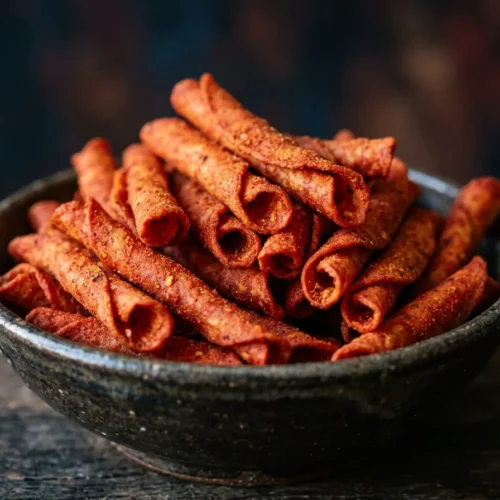
Homemade Takis Spicy Corn Chips
Equipment
- Sharp knife
- Large Baking Sheet
- Parchment paper
- Small Mixing Bowl
- Pastry Brush
- Wire cooling rack
Ingredients
- 8 Organic Corn Tortillas 6-inch diameter, room temperature
- 2 tablespoons Avocado Oil or vegetable oil for brushing
- 1 tablespoon Chili Powder pure, without preservatives
- 1 teaspoon Paprika smoked or sweet
- 1 teaspoon Garlic Powder
- 1 teaspoon Onion Powder
- 1/2 teaspoon Cayenne Pepper adjust to taste
- 1/2 teaspoon Salt fine sea salt
- 1/4 teaspoon Lime Zest freshly grated
- 1/4 teaspoon Natural Red Food Coloring beet powder or paprika extract, optional
Instructions
- Preheat oven to 400°F (200°C). Line a large baking sheet with parchment paper.
- In a small mixing bowl, combine chili powder, paprika, garlic powder, onion powder, cayenne pepper, salt, lime zest, and natural red coloring if using. Mix thoroughly until evenly combined.
- Using a sharp knife, cut each tortilla into 6-8 triangular wedges, similar to cutting a pizza.
- Gently roll each triangle from the wide end to the point, creating small cone-shaped rolls. Place seam-side down on the prepared baking sheet.
- Using a pastry brush, lightly brush each rolled chip with avocado oil, ensuring all surfaces are coated.
- Sprinkle the seasoning blend generously over all the chips, turning them gently to coat all sides evenly.
- Bake for 10-12 minutes, turning the chips halfway through, until they are golden brown and crispy.
- Remove from oven and immediately transfer to a wire cooling rack. Let cool for 3-5 minutes before serving.
Notes
Adjust cayenne pepper from 1/4 teaspoon (mild) to 3/4 teaspoon (very spicy) based on your heat preference. Add 1/4 teaspoon cumin for extra smoky flavor. STORAGE:
Store completely cooled chips in an airtight container for up to 5 days at room temperature. For maximum crispness, add a small packet of food-safe silica gel or uncooked rice wrapped in cheesecloth. TROUBLESHOOTING:
If chips unroll during baking, secure with toothpicks for the first 6 minutes, then remove carefully. If chips aren't crispy enough, bake an additional 2-3 minutes, watching closely to prevent burning.
Nutrition Highlights (Per Serving – Approximate)
Understanding your food’s composition is key to balanced eating. Here is an approximate nutritional breakdown calculated for a standard serving based on wholesome preparation guidelines:
Culinary Selection Notes
- Adjusting sweetener densities or using refined-sugar alternatives will directly optimize the overall glycemic load without breaking structural balance.
- Focusing on high-quality whole fats maximizes trace micronutrient retention across low-temperature or baking environments.
Healthier Takis Alternatives
Creating a healthier takis alternative doesn’t mean sacrificing flavor or satisfaction – it’s about making smarter ingredient choices that support your family’s wellness goals. Organic corn tortillas provide a cleaner base with fewer processing chemicals and often superior flavor. These alternatives can actually enhance the overall taste while reducing artificial additives.
The key lies in understanding how natural ingredients can replicate commercial flavors and textures. With the right techniques, homemade versions often surpass store-bought options in both taste and nutritional value. Your family will appreciate knowing exactly what goes into their favorite snack.
Using Organic Corn Tortillas and Clean Spice Blends
Organic masa harina contains no synthetic pesticides or artificial processing aids, creating a purer corn flavor that actually complements bold seasonings better. The cleaner taste allows spice blends to shine through more clearly. Look for brands that specify “nixtamalized” corn, which indicates traditional processing methods that enhance both nutrition and flavor.
Clean spice blends focus on single-ingredient spices rather than commercial seasoning mixes that may contain anti-caking agents or preservatives. Combine pure chili powders, sea salt, organic garlic powder, and natural citric acid for authentic flavors. This approach gives you complete control over sodium levels and heat intensity.
Natural Food Coloring Alternatives
Paprika extract creates vibrant red colors while contributing sweet pepper flavors that complement the heat from other spices. Beet powder offers deep red hues with subtle earthy notes that enhance overall flavor complexity. These natural options provide visual appeal without synthetic dyes.
Turmeric powder creates golden-orange tones while adding anti-inflammatory compounds and a subtle warmth. Annatto seed powder delivers traditional orange-red coloring used in authentic Mexican cooking. Both options contribute nutritional benefits beyond mere aesthetics.
Tips for Storing Homemade Takis
Proper storage determines whether your homemade rolled corn tortilla chips maintain their satisfying crunch for days or turn stale within hours. The enemy of crispy snacks is moisture, so creating barriers against humidity becomes your primary defense strategy. Understanding storage science helps maximize both freshness and flavor retention.
Temperature fluctuations can cause condensation that ruins texture, while exposure to light can degrade spice colors and flavors over time. Strategic storage planning ensures your takis copycat recipe efforts pay off with long-lasting results.
Best Practices for Maintaining Crunch and Freshness
Allow chips to cool completely before storage to prevent condensation inside containers that would create sogginess. Room temperature chips sealed while still warm trap moisture that quickly destroys crispiness. This cooling period typically requires 15-20 minutes after cooking.
Use airtight containers with tight-fitting lids rather than bags that allow air exchange over time. Glass jars with rubber gaskets or plastic containers with locking lids provide superior moisture barriers. Add a small packet of food-safe silica gel to absorb any residual moisture.
Shelf Life and Storage Containers
Properly stored homemade takis maintain optimal crunch for 5-7 days at room temperature in airtight containers. Refrigeration isn’t recommended as temperature changes when removing containers can cause condensation. Store in cool, dark pantry locations away from heat sources that might affect container seals.
For longer storage, consider vacuum-sealed bags that remove air completely, extending freshness up to 2 weeks. Divide large batches into smaller portions to minimize air exposure each time you open containers. Label containers with preparation dates to track freshness accurately.
Customizing Your Takis
The beauty of homemade takis lies in endless customization possibilities that commercial versions simply cannot offer. Adjusting spice levels allows every family member to enjoy their preferred heat intensity. Creating multiple flavor variations from a single base recipe maximizes your cooking efficiency while satisfying diverse taste preferences.
Experimentation with different spice combinations opens up exciting flavor territories beyond traditional options. Document successful variations to build your personal collection of family-friendly takis recipe modifications. This approach transforms a simple snack recipe into a versatile foundation for creative cooking.
Adjusting Spice Levels for Family-Friendly Options
Start with a mild base seasoning using sweet paprika instead of hot chili powder for heat-sensitive family members. Gradually increase cayenne or chipotle powder in small increments until reaching desired intensity levels. This method allows precise control over heat while maintaining other flavor components.
Create separate seasoning batches for different family members rather than trying to find a middle ground that satisfies no one completely. Prepare mild, medium, and hot versions using the same base spices in different proportions. This strategy ensures everyone enjoys their perfect heat level.
Flavor Variations and Experimentation
Ranch seasoning powder combined with dill creates a tangy, herb-forward variation that appeals to those who prefer savory over spicy profiles. Nutritional yeast adds cheesy notes without dairy, while garlic powder intensifies savory satisfaction. These modifications create entirely new snacking experiences using familiar flavors.
International spice blends open up global flavor possibilities – try za’atar for Middle Eastern flair, or curry powder for Indian-inspired heat. Smoked paprika creates barbecue-style notes, while lime zest powder intensifies citrus brightness. Each variation builds on the basic rolled corn chip foundation while exploring new taste territories.
Don’t overlook sweet variations using cinnamon and sugar for dessert-style chips that satisfy different cravings. These family-friendly takis recipe adaptations prove that the basic technique supports both savory and sweet applications. Consider creating seasonal flavors using pumpkin spice blends or holiday-inspired seasoning combinations.
Conclusion and Where to Enjoy Your Homemade Takis
Mastering homemade takis opens up a world of snacking possibilities that extend far beyond simple hunger satisfaction. These spicy corn chips become conversation starters at gatherings, lunchbox favorites for kids, and satisfying treats for movie nights. The control over ingredients means you can feel good about serving them to family and friends.
The skills learned from this takis recipe transfer beautifully to other snack-making adventures, from zombie takis variations to crispy pasta chips. Building confidence with homemade snacks encourages further culinary exploration and creativity.
Consider expanding your repertoire with other crunchy snack recipes like homemade Chex mix that complement your takis perfectly for entertaining spreads. The combination of textures and flavors creates memorable snacking experiences that bring people together around good food and great company.