Apple Cinnamon Cake: Easy Moist Recipe with Fall Flavors
Discover how to make a moist apple cinnamon cake with fresh apples and warm spices. Follow our easy steps and start baking today at home.
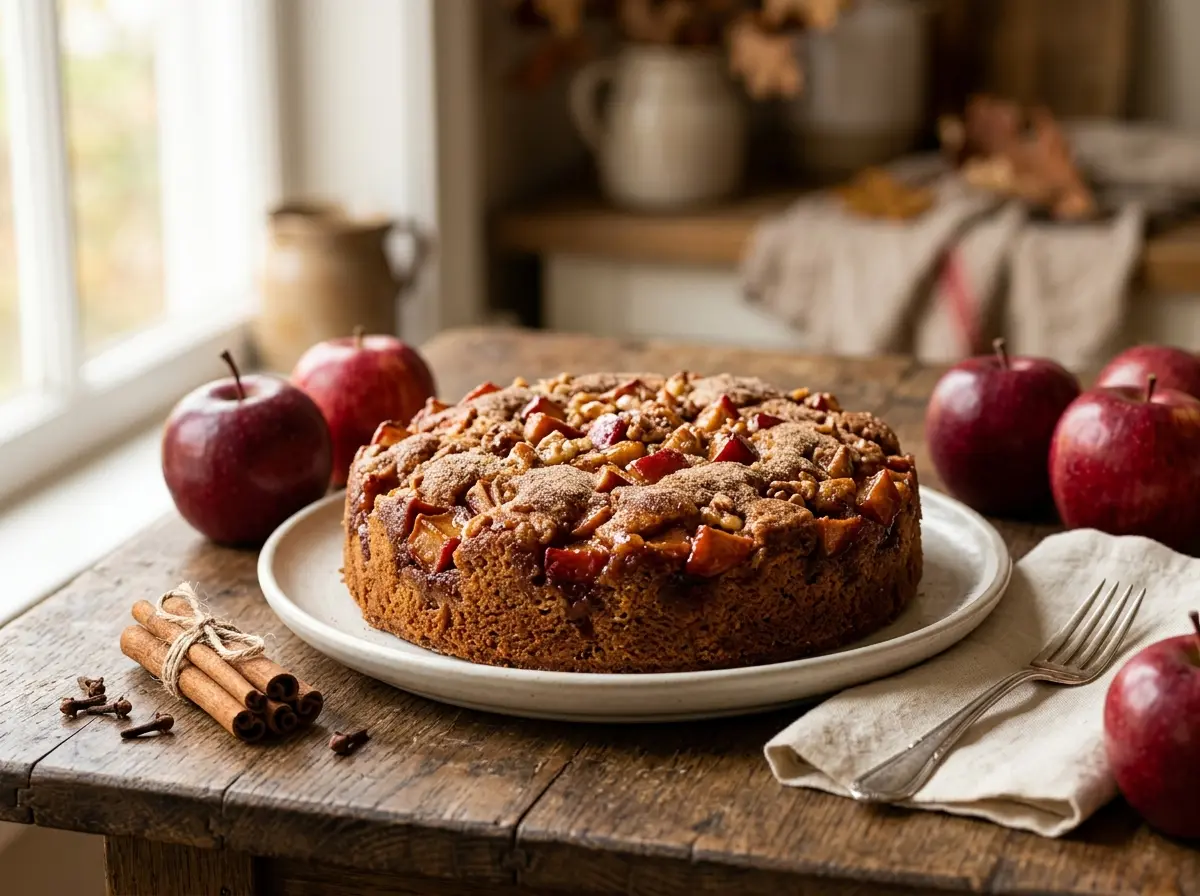
This apple cinnamon cake combines the warm comfort of autumn spices with tender, juicy apple pieces in every bite. The natural sweetness of fresh apples pairs beautifully with aromatic cinnamon to create a dessert that’s both wholesome and indulgent. Whether you’re a beginner baker or an experienced home cook, this recipe delivers consistent results with a perfectly moist crumb.
The fragrance of this cake baking fills your kitchen with the essence of fall harvest season. Each slice reveals pockets of caramelized apple pieces surrounded by a tender, golden cake that practically melts in your mouth. The balanced sweetness allows the natural fruit flavors to shine through without overwhelming your palate.
Introduction to Apple Cinnamon Cake
Apple cinnamon cake represents the perfect marriage between seasonal fruit and warming spices that transforms ordinary baking ingredients into something extraordinary. The key to achieving the best apple cinnamon cake lies in understanding how moisture from fresh apples interacts with flour proteins to create structure. This knowledge helps you avoid common pitfalls like dense texture or uneven baking that can frustrate home bakers.
Why Apple Cinnamon Cake is a Perfect Fall Dessert
Fall apple varieties like Honeycrisp, Granny Smith, and Braeburn reach peak flavor during autumn harvest season. These apples contain optimal sugar-to-acid ratios that enhance both sweetness and tartness in baked goods. The natural pectin in apples also helps maintain moisture throughout the baking process, creating that coveted tender crumb texture.
Cinnamon contains compounds called cinnamaldehyde and eugenol that complement apple’s natural flavor profile while adding antimicrobial properties. These aromatic compounds become more pronounced when heated, which is why your easy apple cinnamon cake smells so inviting during baking. The spice also helps balance the fruit’s acidity, creating a more complex flavor experience.
Key Ingredients and Their Roles
Understanding ingredient functions helps you create a consistently moist apple cinnamon cake every time you bake. Fresh apples contribute natural sugars, moisture, and pectin that affects the final texture. The variety you choose impacts sweetness levels, so tart apples like Granny Smith balance well with added sweeteners, while sweeter varieties like Gala require less sugar adjustment.
Quality cinnamon makes a significant difference in flavor depth and aromatic intensity. Ceylon cinnamon offers a delicate, sweet profile, while Cassia cinnamon provides the bold, warming flavor most people associate with classic apple cinnamon combinations. Ground cinnamon should be fresh and fragrant rather than stale or bitter.
Flour protein content affects structure development in your homemade apple cinnamon cake. All-purpose flour with 10-12% protein creates the ideal balance between tenderness and stability. Too much mixing activates gluten excessively, while gentle folding preserves the delicate crumb texture that makes each bite satisfying.
Step-by-Step Recipe Guide
Successful apple cinnamon butter cake starts with proper ingredient preparation and understanding the science behind each step. Room temperature ingredients blend more easily and create smoother batters, while properly prepared apples distribute evenly without sinking to the bottom. These foundational techniques separate amateur results from bakery-quality outcomes.
Preparing the Apples and Choosing the Right Variety
Apple preparation significantly impacts your final cake texture and flavor distribution. Dice apples into uniform ¼-inch pieces to ensure even cooking and prevent large chunks from creating dense spots. Toss apple pieces lightly with flour before folding into batter to prevent sinking during baking.
Different apple varieties contribute unique characteristics to your apple cinnamon crumb cake. Here are the best options for baking:
- Granny Smith: Maintains shape well, adds tartness that balances sweetness
- Honeycrisp: Provides natural sweetness and crisp texture contrast
- Braeburn: Offers complex flavor with hints of spice and good moisture retention
- Gala: Mild sweetness that won’t overpower other flavors
- Jonagold: Excellent balance of sweet and tart with firm texture
Avoid Red Delicious or overly soft varieties that break down during baking and create mushy textures. Leave peels on for added fiber, color, and nutritional value, or peel for smoother texture preferences.
Mixing Techniques and Ingredient Substitutions
Proper mixing technique prevents tough, dense cake texture while ensuring even ingredient distribution. Cream butter and sugar until light and fluffy, typically 3-4 minutes with an electric mixer. This process incorporates air bubbles that create lift and tenderness in the final product.
Add eggs one at a time, mixing just until incorporated before adding the next. Overmixing at this stage can cause the batter to separate or develop too much gluten. Alternate adding dry ingredients and liquid ingredients in three additions, beginning and ending with flour mixture.
Common substitutions for dietary preferences or ingredient availability include:
- Butter alternatives: Neutral oil, applesauce, or vegan butter for dairy-free options
- Sugar substitutes: Coconut sugar, maple syrup, or stevia-based sweeteners
- Flour alternatives: Almond flour, oat flour, or gluten-free blends for dietary restrictions
- Egg replacements: Flax eggs, applesauce, or commercial egg replacers for vegan versions
Baking Tips Including Temperature and Pan Size
Oven temperature accuracy directly impacts your gluten free apple cinnamon cake success. Use an oven thermometer to verify actual temperature, as many home ovens run 25°F higher or lower than the setting indicates. Preheat for at least 15 minutes to ensure even heat distribution throughout the oven cavity.
Pan selection affects baking time and texture development. Light-colored aluminum pans promote even browning, while dark pans absorb more heat and may cause over-browning on edges. Glass pans require temperature reduction of 25°F and longer baking times due to slower heat transfer properties.
Standard pan size conversions for recipe scaling:
- 9-inch round: Standard serving size, 45-55 minute bake time
- 8-inch square: Thicker cake, increase time by 10-15 minutes
- 9×13 sheet: Thinner cake, reduce time by 15-20 minutes
- Bundt pan: Even heat distribution, 55-65 minute bake time
Baking Troubleshooting and Tips
Understanding common baking challenges helps you achieve consistent results with your healthy apple cinnamon cake every time. Most issues stem from ingredient temperature, mixing technique, or oven environment factors that are easily corrected once you identify the root cause. Professional bakers rely on these troubleshooting skills to maintain quality standards.
Common Issues and How to Fix Them
Dense, heavy texture often results from overmixing the batter after flour addition. Gluten development creates tough, chewy results instead of tender crumb structure. Mix just until ingredients are barely combined, with a few flour streaks still visible for optimal texture.
Sunken centers indicate several possible causes that require different solutions:
- Underbaking: Test doneness with toothpick in center, not just edges
- Too much leavening: Excess baking powder causes rapid rise then collapse
- Opening oven door: Temperature fluctuations disrupt structure development
- Altitude issues: High elevation requires recipe adjustments for air pressure
Dry, crumbly cake typically stems from overbaking or insufficient moisture content. Check your oven temperature accuracy and reduce baking time slightly. Adding an extra egg yolk or replacing some flour with cornstarch increases moisture retention.
Uneven browning results from hot spots in your oven or improper rack positioning. Rotate the pan halfway through baking time and position racks in the center of the oven. Dark pans may require temperature reduction to prevent over-browning.
Ingredient Temperature and Baking Environment
Room temperature ingredients blend more easily and create smoother batters that bake evenly. Cold eggs and dairy can cause butter to solidify in chunks, creating uneven texture throughout your one bowl apple cinnamon cake. Plan ahead by removing ingredients from refrigeration 1-2 hours before baking.
Quick warming techniques for last-minute baking include placing eggs in warm water for 5-10 minutes or microwaving butter in 10-second intervals. Avoid overheating, which can cook eggs or melt butter completely, both of which negatively impact final results.
Environmental factors affect baking outcomes significantly. High humidity requires slight flour increase to absorb excess moisture, while dry conditions may need additional liquid. Barometric pressure changes during weather systems can affect leavening agent performance, particularly in sensitive recipes.
Altitude adjustments become necessary above 3,000 feet elevation:
- Reduce baking powder: Decrease by 1/8 teaspoon per teaspoon used
- Increase liquid: Add 2-4 tablespoons extra for moisture compensation
- Raise temperature: Increase by 15-25°F to set structure faster
- Reduce sugar: Decrease by 2 tablespoons to prevent collapse
Variations and Dietary Modifications
Modern home baking accommodates diverse dietary needs without compromising flavor or texture quality. Understanding ingredient substitution science helps you create successful variations that maintain the essential characteristics of traditional apple cinnamon cake. These modifications expand your recipe repertoire while serving family members and guests with different nutritional requirements.
Gluten-Free and Healthy Ingredient Swaps
Creating successful gluten-free versions requires understanding how different flour alternatives behave in baking applications. Almond flour adds protein and healthy fats but absorbs more liquid than wheat flour. Oat flour provides fiber and mild sweetness while maintaining tender texture when ground from certified gluten-free oats.
Effective gluten-free flour blends typically combine multiple grain and starch sources:
- Rice flour base: Provides structure and neutral flavor foundation
- Tapioca starch: Adds chewiness and helps bind ingredients together
- Potato starch: Contributes moisture retention and soft texture
- Xanthan gum: Replaces gluten binding properties, use 1/4 teaspoon per cup flour
Healthy ingredient swaps reduce calories and increase nutritional density without sacrificing taste. Replace half the all-purpose flour with whole wheat pastry flour for added fiber and B vitamins. Greek yogurt can substitute for some butter while adding protein and probiotics to support digestive health.
Natural sweetener alternatives provide different flavor profiles and glycemic impacts. Coconut sugar offers trace minerals and lower glycemic index than refined sugar. Pure maple syrup adds complex flavor but requires liquid reduction elsewhere in the recipe to maintain proper batter consistency.
One-Bowl Recipes and Quick Mix Options
Streamlined mixing methods reduce cleanup time while maintaining excellent results for busy home bakers. The muffin method combines all wet ingredients first, then folds in dry ingredients just until moistened. This technique works especially well for rustic-style cakes where perfect uniformity isn’t the primary goal.
One-bowl preparation steps for efficient baking:
- Whisk all dry ingredients in large mixing bowl to distribute evenly
- Create well in center and add all liquid ingredients at once
- Fold gently with rubber spatula until just combined with visible flour streaks
- Add prepared apple pieces and fold 2-3 more times to distribute
Quick mix variations save time during busy seasons while delivering satisfying homemade results. Easy dump cake methods combine convenience with fresh apple flavor when time is limited. These simplified approaches still produce delicious desserts that satisfy autumn cravings without extensive preparation time.
Storage, Freezing, and Make-Ahead Instructions
Proper storage techniques preserve the moist texture and fresh flavor that make apple cinnamon cake so appealing. Understanding moisture migration and staling processes helps you maintain bakery-quality results for several days after baking. These methods also enable advance preparation for special occasions and holiday gatherings.
Best Practices for Storing Cake
Room temperature storage works best for maintaining optimal texture and flavor in apple cinnamon cake. Wrap cooled cake tightly in plastic wrap or store in airtight containers to prevent moisture loss and staling. Avoid refrigeration unless your kitchen temperature exceeds 75°F, as cold temperatures accelerate staling in baked goods.
Layer separation prevents sticking when storing multiple pieces. Place parchment paper or wax paper between cake layers in storage containers. This method preserves presentation quality and makes individual serving removal easier without damaging other pieces.
Proper storage timeline for optimal quality:
- Room temperature: 3-4 days in airtight container
- Refrigerated: 5-6 days wrapped tightly (texture may firm)
- Frozen whole: 3-4 months with minimal quality loss
- Frozen slices: 2-3 months for convenient individual servings
Reviving day-old cake involves gentle reheating to restore moisture and soften texture. Microwave individual slices for 10-15 seconds or warm whole cake in 300°F oven for 5-8 minutes. Cover with damp paper towel during microwaving to add steam and prevent drying.
How to Freeze and Reheat Safely
Freezing apple cinnamon cake requires careful wrapping to prevent freezer burn and preserve moisture content. Double-wrap cooled cake first in plastic wrap, then in aluminum foil or freezer bags. Label with date and contents for easy identification in your freezer inventory.
Pre-freezing slices on baking sheets before packaging prevents pieces from sticking together. This technique allows you to remove individual portions without thawing the entire cake. Arrange slices on parchment-lined trays, freeze until solid, then transfer to freezer bags for long-term storage.
Thawing methods depend on your timeline and serving preferences:
- Overnight thawing: Remove from freezer to counter 8-12 hours before serving
- Quick thaw method: Microwave individual slices from frozen for 30-45 seconds
- Oven reheating: Warm frozen cake in 325°F oven for 15-20 minutes
Make-ahead baking strategies help manage holiday preparation schedules. Bake cake up to one month in advance and freeze, or prepare batter and freeze in lined pans for fresh-baked results later. Frozen batter requires additional 10-15 minutes baking time and should not be thawed before baking.
Quality indicators after freezing include maintained moisture, no ice crystals on surface, and original flavor intensity. Properly frozen cake tastes nearly identical to fresh-baked when thawed correctly. Avoid refreezing previously thawed cake, which degrades texture and increases food safety risks.
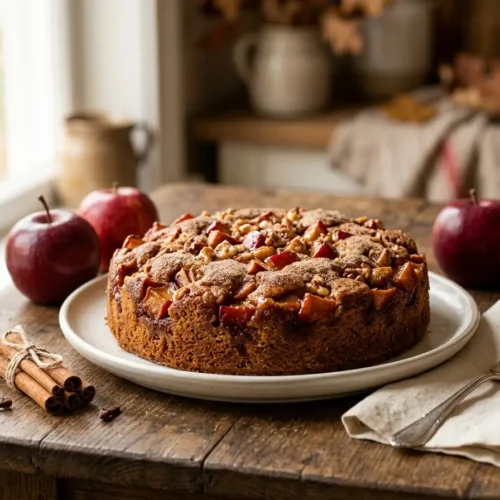
Apple Cinnamon Cake
Equipment
- 9-inch round cake pan or 8x8 square baking pan
- Large mixing bowl
- Medium Mixing Bowl
- Electric hand mixer or whisk
- Measuring cups and spoons
- Apple peeler and corer
- Wire cooling rack
- Rubber Spatula
- Instant-Read Thermometer
Ingredients
- 1½ cups whole wheat flour 240g, or substitute with all-purpose flour
- 1 teaspoon baking powder
- ½ teaspoon baking soda
- 1 teaspoon ground cinnamon
- ¼ teaspoon ground nutmeg
- ½ teaspoon salt
- ⅔ cup coconut sugar 135g, or substitute with maple syrup (reduce liquid by 2 tbsp)
- ⅓ cup melted coconut oil 75ml, cooled slightly, or substitute with vegetable oil
- ½ cup plain Greek yogurt 120g, at room temperature
- 2 large eggs at room temperature
- ⅓ cup unsweetened almond milk 80ml, or substitute with any plant-based milk
- 1 teaspoon pure vanilla extract
- 2 medium apples peeled and diced into ½-inch pieces, Granny Smith or Honeycrisp preferred
- 1 tablespoon whole wheat flour for coating apples
- ½ teaspoon ground cinnamon for apple mixture
Instructions
- Preheat oven to 350°F (175°C). Grease your 9-inch round cake pan or 8x8 square baking pan with coconut oil and lightly dust with flour, tapping out excess.
- In a medium bowl, toss the diced apples with 1 tablespoon flour and ½ teaspoon cinnamon until evenly coated. Set aside.
- In a large mixing bowl, whisk together whole wheat flour, baking powder, baking soda, 1 teaspoon cinnamon, nutmeg, and salt until well combined.
- In a medium bowl, whisk together coconut sugar and melted coconut oil until smooth. Add Greek yogurt, eggs (one at a time), almond milk, and vanilla extract, whisking until completely combined and smooth.
- Pour the wet ingredients into the dry ingredients and gently fold together using a rubber spatula until just combined. Do not overmix - a few lumps are perfectly fine.
- Gently fold in the cinnamon-coated apple pieces, distributing them evenly throughout the batter.
- Pour the batter into your prepared pan and spread evenly with a spatula. Gently tap the pan on the counter 2-3 times to release air bubbles.
- Bake for 40-45 minutes, or until a toothpick inserted in the center comes out with just a few moist crumbs attached and the internal temperature reaches 200°F (93°C).
- Remove from oven and cool in the pan for 10 minutes, then turn out onto a wire rack to cool completely before slicing.
Notes
Ensure all ingredients are at room temperature for optimal mixing. If using maple syrup instead of coconut sugar, reduce the almond milk by 2 tablespoons to maintain proper batter consistency. VISUAL DONENESS CUES:
The cake is done when it springs back lightly when touched in the center, pulls slightly away from the pan edges, and has a golden-brown color. The internal temperature should reach 200°F (93°C). STORAGE:
Store covered at room temperature for up to 3 days, or refrigerate for up to 1 week. Wrap individual slices in plastic wrap and freeze for up to 3 months. TROUBLESHOOTING:
If your cake is too dense, you may have overmixed the batter or used ingredients that were too cold. For a lighter texture, sift the flour before measuring. If the top browns too quickly, tent with foil during the last 10-15 minutes of baking. SCALING:
This recipe doubles easily for a 9x13 inch pan - increase baking time to 35-40 minutes and check for doneness with a toothpick.
Nutrition Highlights (Per Serving – Approximate)
Understanding your food’s composition is key to balanced eating. Here is an approximate nutritional breakdown calculated for a standard serving based on wholesome preparation guidelines:
Culinary Selection Notes
- Adjusting sweetener densities or using refined-sugar alternatives will directly optimize the overall glycemic load without breaking structural balance.
- Focusing on high-quality whole fats maximizes trace micronutrient retention across low-temperature or baking environments.
Serving Suggestions and Visual Presentation
Thoughtful presentation elevates your apple cinnamon cake from simple dessert to memorable culinary experience. Understanding texture contrasts, temperature variations, and complementary flavors helps you create serving combinations that highlight the cake’s best qualities. These techniques transform everyday baking into special occasion worthy treats.
Textural Enhancements Like Toppings and Frostings
Contrasting textures create more interesting eating experiences that keep each bite engaging. Smooth cream cheese frosting provides rich, tangy balance against the cake’s tender crumb and soft apple pieces. Whipped cream offers light airiness that doesn’t compete with the cake’s substantial texture.
Crunchy elements add textural variety that enhances the overall sensory experience:
- Toasted nuts: Walnuts, pecans, or almonds provide healthy fats and protein
- Granola clusters: Add fiber and complex carbohydrates for sustained energy
- Caramel drizzle: Creates glossy visual appeal and concentrated sweetness
- Cinnamon sugar dust: Reinforces spice flavors and adds sparkly appearance
Temperature contrasts create memorable serving experiences that surprise and delight guests. Serve warm cake with cold vanilla ice cream or frozen yogurt for temperature interplay. Room temperature cake pairs beautifully with warm custard or pudding for comforting dessert combinations.
Seasonal garnishes connect your dessert to autumn harvest themes. Apple crumble toppings can be sprinkled over cake slices for doubled apple flavor and textural interest. Fresh apple slices, cinnamon sticks, and autumn leaves create beautiful plating presentations for special occasions.
Pairing Ideas (Non-Alcoholic Beverages and Snacks)
Beverage pairings complement rather than compete with apple cinnamon cake’s warm spice profile. Hot beverages enhance the cozy, comfort-food aspect that makes this dessert so appealing during cooler months. The key lies in balancing complementary flavors while providing palate-cleansing properties between bites.
Ideal warm beverage companions include:
- Spiced chai tea: Echoes cinnamon notes while adding cardamom and ginger complexity
- Apple cider: Reinforces apple flavors with warm spice aromatics
- Vanilla coffee: Rich, smooth base that doesn’t overpower cake flavors
- Herbal teas: Chamomile or rooibos provide gentle, soothing accompaniment
Cold beverage options work especially well during transitional weather when you crave autumn flavors but prefer refreshing drinks. Fresh apple juice, sparkling water with lemon, or iced herbal teas provide crisp contrast to rich cake texture. Milk-based drinks like vanilla almond milk or oat milk lattes complement the cake’s wholesome character.
Complementary snack pairings extend dessert enjoyment into casual entertaining scenarios. Quick bread recipes like zucchini bread create variety within similar flavor families for dessert buffets. Fresh fruit platters with grapes, pears, and berries provide palate-cleansing options between richer cake servings.
Presentation techniques maximize visual impact and guest satisfaction. Dust serving plates with cinnamon before placing cake slices for restaurant-style presentation. Arrange complementary garnishes asymmetrically for modern plating aesthetics, or create symmetrical patterns for formal dining situations.