Zucchini Bread Recipe: 5 Secrets to Moist Homemade Perfection
Discover the secret to moist, tender zucchini bread with our easy, foolproof zucchini bread recipe. Start baking delicious homemade bread today.
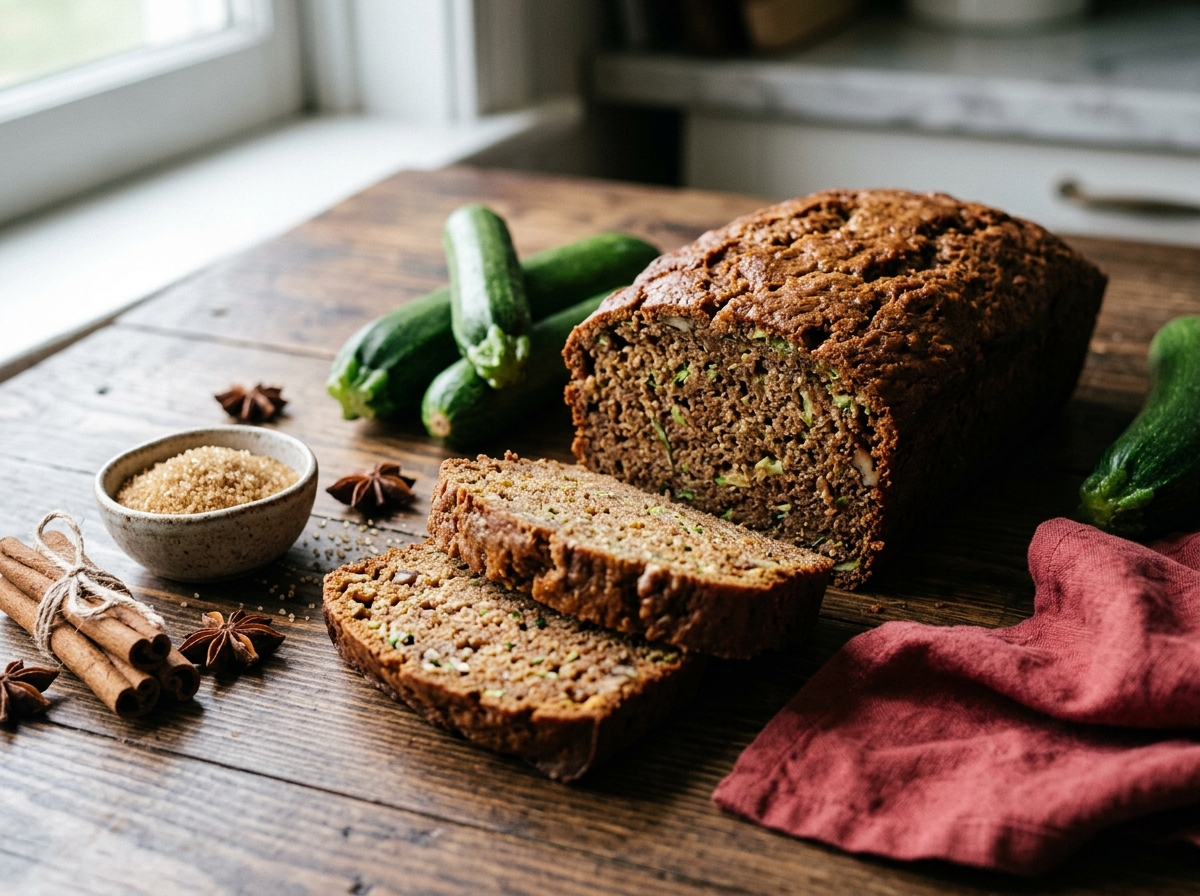
This zucchini bread recipe transforms summer’s abundant harvest into moist, tender loaves that disappear faster than you can slice them. The secret lies in balancing moisture retention with proper preparation techniques that create bakery-quality results every time.
Each bite delivers the perfect harmony of subtle vegetable sweetness and warming spices. The texture remains incredibly soft for days, making this easy zucchini bread a household favorite across all seasons.
Introduction to Zucchini Bread Recipe
Baking enthusiasts have embraced zucchini bread as the ultimate way to transform excess garden produce into beloved comfort food. This versatile quick bread combines the nutritional benefits of vegetables with the satisfying richness of traditional baked goods. The result creates a naturally moist texture that requires minimal added fats while delivering maximum flavor impact.
Why Zucchini Bread is a Favorite
Home bakers appreciate how this moist zucchini bread recipe consistently produces reliable results without complex techniques or specialized equipment. The forgiving nature of the batter accommodates ingredient variations while maintaining structural integrity. Families love the subtle sweetness that appeals to both children and adults without overwhelming vegetable flavors.
The versatility extends beyond basic preparation methods to include numerous dietary adaptations. Gluten-free modifications, dairy-free alternatives, and sugar substitutions all work seamlessly within this foundational framework. This adaptability makes homemade zucchini bread suitable for diverse household needs and dietary preferences.
What Makes This Recipe Moist and Delicious
The moisture retention in this best zucchini bread comes from carefully balanced wet and dry ingredient ratios combined with proper zucchini preparation. Grated zucchini releases natural moisture during baking, creating steam that keeps the crumb tender while preventing dryness. The addition of oil rather than butter provides lasting moisture that remains stable at room temperature.
Ingredient temperature plays a crucial role in achieving optimal texture results. Room temperature eggs emulsify more effectively with other wet ingredients, creating a smoother batter that bakes evenly. The gradual incorporation of dry ingredients prevents gluten overdevelopment, which could result in tough, dense loaves.
Ingredients Overview
Essential Ingredients and Their Roles
Each component in this simple zucchini bread serves a specific structural or flavor purpose that contributes to the final product quality. All-purpose flour provides the protein structure necessary for proper rise and crumb formation. The moderate gluten content creates enough framework to support the moisture-heavy vegetables without becoming chewy.
Sugar contributes more than sweetness by retaining moisture through hygroscopic properties and promoting proper browning reactions. The combination of white and brown sugars adds complexity while maintaining the tender crumb structure. Baking soda acts as the primary leavening agent, reacting with acidic ingredients to create lift and lightness.
Vegetable oil ensures consistent moisture distribution throughout the batter while remaining liquid at room temperature. This characteristic prevents the hardening that occurs with solid fats as the bread cools. Eggs bind ingredients together while adding richness and contributing to the golden color development during baking.
Healthy Substitutions and Variations
Health-conscious bakers can successfully modify this healthy zucchini bread without compromising taste or texture quality. Whole wheat pastry flour can replace up to half the all-purpose flour for increased fiber content and nutritional density. Applesauce or mashed banana can substitute for portion of the oil while maintaining adequate moisture levels.
Natural sweetener alternatives like maple syrup or coconut sugar work effectively when adjusted for moisture content differences. These substitutions may require slight reductions in other liquid ingredients to maintain proper batter consistency. Greek yogurt adds protein while contributing to the tender crumb structure when replacing some of the oil content.
Preparing the Zucchini
How to Grate and Drain Zucchini Properly
Proper zucchini preparation forms the foundation for successful moisture management in your easy zucchini bread. Select firm, medium-sized zucchini with smooth skin and minimal seeds for the best texture results. Wash thoroughly and trim both ends before grating, leaving the nutrient-rich peel intact for added color and fiber.
Use the large holes of a box grater or food processor shredding disc to create uniform pieces that distribute evenly throughout the batter. Avoid over-grating into a pulpy consistency that releases excessive moisture during mixing. The ideal grated size allows individual pieces to remain distinct while integrating seamlessly with other ingredients.
Do you squeeze water out of zucchini for bread? The answer depends on your desired moisture level and baking environment. For standard conditions, light pressing with paper towels removes surface moisture without eliminating the natural juices that create tender texture. In humid climates or when using particularly watery zucchini, gentle squeezing in a clean kitchen towel may be necessary.
Tips for Managing Moisture Content
Successful moisture control begins with selecting zucchini at the proper ripeness stage for optimal water content balance. Young, tender zucchini contain less water and firmer flesh that maintains structure during baking. Oversized or overripe specimens often contain excess water and large seeds that can negatively impact final texture.
Salt-drawing techniques can help regulate moisture when working with particularly wet vegetables. Lightly salt grated zucchini and let it sit for 15 minutes before pressing out released liquids. This method concentrates flavors while preventing soggy bottom crusts or overly dense centers in the finished loaves.
Environmental factors like humidity levels and altitude affect how much moisture evaporates during baking. In dry climates, retain more zucchini juice to prevent excessive dryness. High-altitude locations may require slight flour increases to accommodate faster moisture evaporation rates during the baking process.
Step-by-Step Baking Instructions
Mixing and Combining Ingredients
The mixing method significantly impacts the final texture quality of your homemade zucchini bread. Begin by whisking together all dry ingredients in a large bowl to ensure even distribution of leavening agents and spices. This preliminary step prevents pockets of concentrated baking soda or cinnamon that could create uneven flavors or textures.
In a separate bowl, thoroughly combine all wet ingredients until smooth and well-integrated. Room temperature ingredients blend more easily and create a more homogeneous mixture that bakes evenly. Add the prepared zucchini to the wet mixture and fold gently to distribute without breaking down the vegetable pieces.
Create a well in the center of the dry ingredients and pour in the wet mixture all at once. Using a rubber spatula, fold ingredients together with gentle strokes until just combined and no dry flour streaks remain visible. Overmixing develops gluten strands that result in tough, dense bread with poor rise characteristics.
Baking Times and Oven Temperature Settings
Preheat your oven to 350°F (175°C) and position the rack in the center for optimal heat circulation around the bread pans. This moderate temperature allows gradual moisture evaporation while developing proper crust color and internal doneness. Higher temperatures risk burning the exterior before the center cooks completely.
How long to bake zucchini bread depends on pan size and batter depth, with standard 9×5-inch loaf pans requiring approximately 50-60 minutes. Mini loaves bake faster at 25-30 minutes, while muffin-sized portions need only 18-22 minutes for complete doneness. Always rely on doneness tests rather than timing alone for accurate results.
Avoid opening the oven door during the first 40 minutes of baking to prevent temperature fluctuations that cause improper rise or collapsed centers. The initial baking period establishes the bread’s structure, and temperature drops can permanently affect the final texture quality.
Testing for Doneness with Visual and Texture Cues
Visual indicators provide the first clues about doneness status in properly baked zucchini bread. The surface should appear golden brown with slight cracks along the center line indicating proper expansion during baking. The edges will pull slightly away from pan sides when internal structure has set completely.
The toothpick test remains the most reliable method for determining internal doneness throughout the loaf. Insert a wooden skewer or toothpick into the center of the bread, penetrating to the bottom of the pan. It should emerge with just a few moist crumbs clinging to the surface, indicating residual moisture without raw batter.
Gently press the center of the loaf surface with your fingertip to test for springback elasticity. Properly baked bread springs back immediately when pressed, while underbaked loaves leave indentations or feel soft and spongy. The internal temperature should reach 200-205°F (93-96°C) when measured with an instant-read thermometer.
Tips for Success
Troubleshooting Common Baking Problems
Dense, heavy texture typically results from overmixing the batter or using flour with too high protein content. Switch to all-purpose flour instead of bread flour, and mix ingredients only until combined to maintain tender crumb structure. Measure flour correctly using the spoon-and-level method to avoid adding excess that creates heavy, dry results.
Soggy bottoms occur when excess moisture cannot evaporate properly during baking or cooling processes. Ensure adequate drainage of grated zucchini and avoid overcrowding vegetables in the batter. Place pans on the center oven rack with proper air circulation, and cool loaves on wire racks immediately after removal from pans.
Sunken centers indicate interrupted baking or temperature fluctuations that prevent proper structure development. Maintain consistent oven temperature and avoid opening the door prematurely during the crucial first 40 minutes of baking. Test oven accuracy with a separate thermometer to ensure proper heat levels throughout the baking process.
Adjusting for Altitude and Other Variables
High-altitude baking requires specific adjustments to accommodate reduced air pressure and faster moisture evaporation rates. Increase flour by 1-2 tablespoons per cup and reduce baking soda slightly to prevent excessive rise that leads to collapsed structures. Add an extra 1-2 tablespoons of liquid to compensate for rapid moisture loss during baking.
Humid climates may require flour increases or moisture reductions to achieve proper batter consistency and prevent soggy results. Dry environments benefit from slight liquid increases or reduced baking times to maintain adequate moisture retention in the finished product. Monitor local weather conditions and adjust recipes accordingly for consistent results.
Oven variations significantly impact baking success, with some models running hotter or cooler than indicated temperatures. Use an oven thermometer to verify actual temperatures and adjust accordingly for accurate results. Convection ovens may require temperature reductions of 25°F and shorter baking times due to improved heat circulation efficiency.
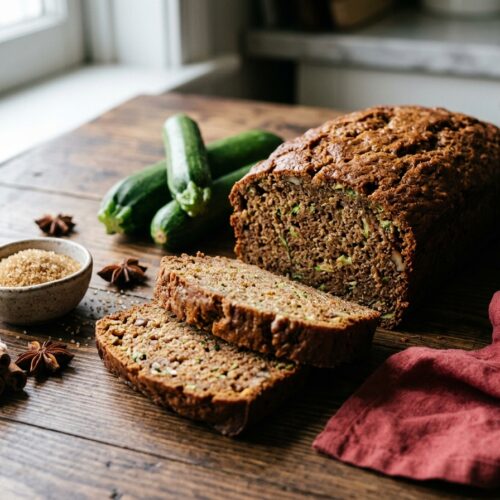
Perfect Moist Zucchini Bread
Equipment
- 9x5-inch loaf pan
- Large mixing bowl
- Medium Mixing Bowl
- Box grater or food processor
- Clean kitchen towel
- Whisk
- Rubber Spatula
- Toothpick or cake tester
- Wire cooling rack
Ingredients
- 2 cups zucchini grated and drained
- 1/2 cup pure maple syrup or honey
- 1/3 cup coconut oil melted and cooled
- 2 large eggs room temperature
- 1/4 cup unsweetened almond milk or milk of choice
- 1 teaspoon pure vanilla extract
- 1 1/2 cups whole wheat flour or all-purpose flour
- 1/2 teaspoon baking soda
- 1/2 teaspoon fine sea salt
- 1 teaspoon ground cinnamon
- 1/4 teaspoon ground nutmeg
- 1/2 cup chopped walnuts or pecans
- 1/3 cup dried cranberries or raisins
- 2 tablespoons chia seeds or sunflower seeds
Instructions
- Preheat oven to 350°F (175°C). Grease a 9x5-inch loaf pan with coconut oil or line with parchment paper, leaving overhang for easy removal.
- Grate zucchini using the large holes of a box grater. Place grated zucchini in a clean kitchen towel and squeeze firmly to remove excess moisture - you should extract about 2-3 tablespoons of liquid. This is SECRET #1 for preventing soggy bread.
- In a large mixing bowl, whisk together the drained zucchini, maple syrup, melted coconut oil, eggs, almond milk, and vanilla extract until well combined. SECRET #2: Let the melted coconut oil cool slightly before adding to prevent cooking the eggs.
- In a separate medium bowl, whisk together flour, baking soda, salt, cinnamon, and nutmeg until evenly distributed.
- Add the dry ingredients to the wet ingredients and gently fold together using a rubber spatula until just combined. SECRET #3: Don't overmix - stop as soon as you no longer see dry flour streaks to ensure tender texture.
- If using add-ins, gently fold in nuts, dried fruit, and seeds until evenly distributed.
- Pour batter into prepared loaf pan and spread evenly. SECRET #4: Gently tap the pan on the counter twice to release air bubbles and create an even surface.
- Bake for 55-65 minutes, until the top is golden brown and a toothpick inserted in the center comes out with just a few moist crumbs attached. SECRET #5: The bread is done when the top springs back lightly when touched and the edges start pulling away from the sides of the pan.
- Cool in pan for 15 minutes, then turn out onto a wire rack to cool completely before slicing. This prevents the bread from falling apart and allows the texture to set properly.
Notes
Always drain grated zucchini thoroughly - excess moisture is the #1 cause of soggy bread. You can salt the grated zucchini and let it sit for 10 minutes before squeezing for even better drainage. VISUAL DONENESS CUES:
Look for a golden-brown top that springs back when lightly touched. The edges should just start pulling away from the pan sides. A toothpick should come out with a few moist crumbs, not wet batter. STORAGE:
Store covered at room temperature for up to 3 days, refrigerate for up to 1 week, or freeze wrapped tightly for up to 3 months. Slice before freezing for easy individual portions. TROUBLESHOOTING:
If bread is too dense, you likely overmixed the batter or didn't drain the zucchini enough. If it's dry, check your oven temperature and don't overbake - natural sweeteners can make the bread seem less sweet when overcooked.
Nutrition Highlights (Per Serving – Approximate)
Understanding your food’s composition is key to balanced eating. Here is an approximate nutritional breakdown calculated for a standard serving based on wholesome preparation guidelines:
Culinary Selection Notes
- Adjusting sweetener densities or using refined-sugar alternatives will directly optimize the overall glycemic load without breaking structural balance.
- Focusing on high-quality whole fats maximizes trace micronutrient retention across low-temperature or baking environments.
Storage and Serving Suggestions
How to Store Zucchini Bread
Proper storage maintains the moist texture and fresh flavor of your kid-friendly zucchini bread for extended periods. Allow loaves to cool completely before wrapping to prevent condensation that creates soggy surfaces or promotes mold growth. Wrap tightly in plastic wrap or aluminum foil to create an airtight seal that prevents moisture loss.
Room temperature storage keeps zucchini bread fresh for up to 4 days when properly wrapped and stored in a cool, dry location. Avoid refrigeration, which accelerates staling and creates dry, crumbly textures that diminish eating quality. Store sliced portions in airtight containers with parchment paper between layers to prevent sticking.
For optimal freshness, slice only the portions you plan to consume immediately and keep the remaining loaf intact. Cut surfaces expose more area to air and accelerate moisture loss compared to whole loaves. This approach maximizes storage life while maintaining peak texture quality for later consumption.
Freezing and Make-Ahead Meal Prep Instructions
Can you freeze zucchini bread? Absolutely, and freezing actually helps maintain optimal moisture levels for up to 3 months when properly prepared. Wrap cooled loaves in plastic wrap, then aluminum foil for double protection against freezer burn and odor absorption. Label with date and contents for easy identification in frozen storage.
Individual slice preparation creates convenient grab-and-go portions perfect for meal prep routines. Place parchment paper between slices before wrapping to prevent sticking and enable easy separation while frozen. This method allows thawing only needed portions without compromising the remaining bread quality.
Thawing procedures affect final texture quality, with gradual room temperature defrosting providing the best results. Remove desired portions from freezer and unwrap completely before thawing to prevent condensation buildup on surfaces. Allow 2-3 hours for complete thawing, or toast frozen slices directly for warm, crispy exteriors with soft centers.
Variations and Add-ins
Gluten Free and Dairy Free Options
Gluten free zucchini bread requires careful flour substitutions that maintain proper structure and moisture balance. A blend of almond flour, coconut flour, and gluten-free flour mix creates the best texture results without compromising taste quality. Add xanthan gum if not included in the flour blend to provide binding properties typically contributed by gluten proteins.
Dairy-free modifications work seamlessly with this recipe since it already relies on oil rather than butter for moisture content. Plant-based milk alternatives like almond or oat milk can replace any dairy milk requirements without affecting final texture or flavor profiles. Coconut oil substitutions require melting and cooling to room temperature before mixing to prevent ingredient separation.
These dietary modifications may require slight adjustments in liquid ratios or baking times to achieve optimal results. Start with recommended substitution ratios and monitor texture during mixing, adding small amounts of liquid or flour as needed to maintain proper batter consistency for successful baking outcomes.
Flavor Enhancements like Nuts, Dried Fruits, and Spices
Chopped walnuts or pecans add delightful textural contrast and nutty flavors that complement the subtle zucchini base perfectly. Toast nuts lightly before adding to enhance their flavor contribution and prevent them from becoming soggy during baking. Limit additions to 1/2 cup to maintain proper batter balance without overwhelming the delicate vegetable flavors.
Dried fruits like cranberries, raisins, or chopped dates provide natural sweetness bursts that enhance the overall flavor complexity. Toss dried fruits in a small amount of flour before folding into batter to prevent sinking during baking. This coating technique ensures even distribution throughout the finished loaves rather than concentration at the bottom.
Warm spices transform basic zucchini bread into aromatic variations that appeal to different taste preferences. Cinnamon, nutmeg, and vanilla create classic flavor profiles, while cardamom, ginger, or lemon zest add sophisticated twists. Start with small amounts and taste-test batter before adding more, as spice intensities vary significantly between sources and storage ages.
Frequently Asked Questions (FAQs)
Addressing Common Queries About Zucchini Bread
How do I prevent my zucchini bread from being too moist or soggy? Control moisture by properly draining grated zucchini and avoiding overpacking vegetables into measuring cups. Use the correct flour-to-liquid ratios and ensure adequate baking time for complete internal doneness. Check that your oven temperature is accurate, as low temperatures can cause inadequate moisture evaporation.
Can I make zucchini bread without eggs? Yes, substitute each egg with 1/4 cup unsweetened applesauce, mashed banana, or commercial egg replacer for binding properties. These alternatives maintain moisture while providing necessary structure for proper rise and texture development. Expect slightly denser results compared to traditional egg-based versions.
Why did my zucchini bread sink in the middle? Center sinking typically indicates underbaking, opening the oven door too early, or altitude-related issues. Ensure complete doneness with proper testing methods and maintain consistent oven temperature throughout baking. At high altitudes, reduce leavening agents slightly and increase flour to strengthen structure against rapid rise and collapse.
Like our easy dump cake recipe, this zucchini bread offers simple preparation with impressive results. For more baking inspiration, try our cinnamon rolls with heavy cream for weekend treat preparation.
Conclusion and Encouragement to Bake
Mastering this how to make zucchini bread recipe opens countless opportunities for creative variations and seasonal adaptations. The fundamental techniques transfer easily to other quick bread recipes, building your confidence and expanding your baking repertoire. Each successful loaf reinforces proper mixing methods and doneness recognition skills that improve all your baking endeavors.
The satisfaction of transforming humble garden vegetables into beloved family treats creates lasting memories around shared meals and homemade comfort. This simple zucchini bread recipe proves that exceptional results don’t require complicated techniques or expensive ingredients, just attention to detail and quality preparation methods.
Start your baking journey today and discover how easy it becomes to create consistently moist, flavorful zucchini bread that rivals any bakery offering. For a nutritious breakfast complement, pair your fresh bread with our green smoothie bowl recipe for balanced morning nutrition.