Ful Medames Recipe: Easy, Protein-Rich Middle Eastern Breakfast
Learn how to make authentic ful medames, a protein-rich, easy-to-follow Middle Eastern breakfast recipe you can enjoy any day. Get the recipe today.
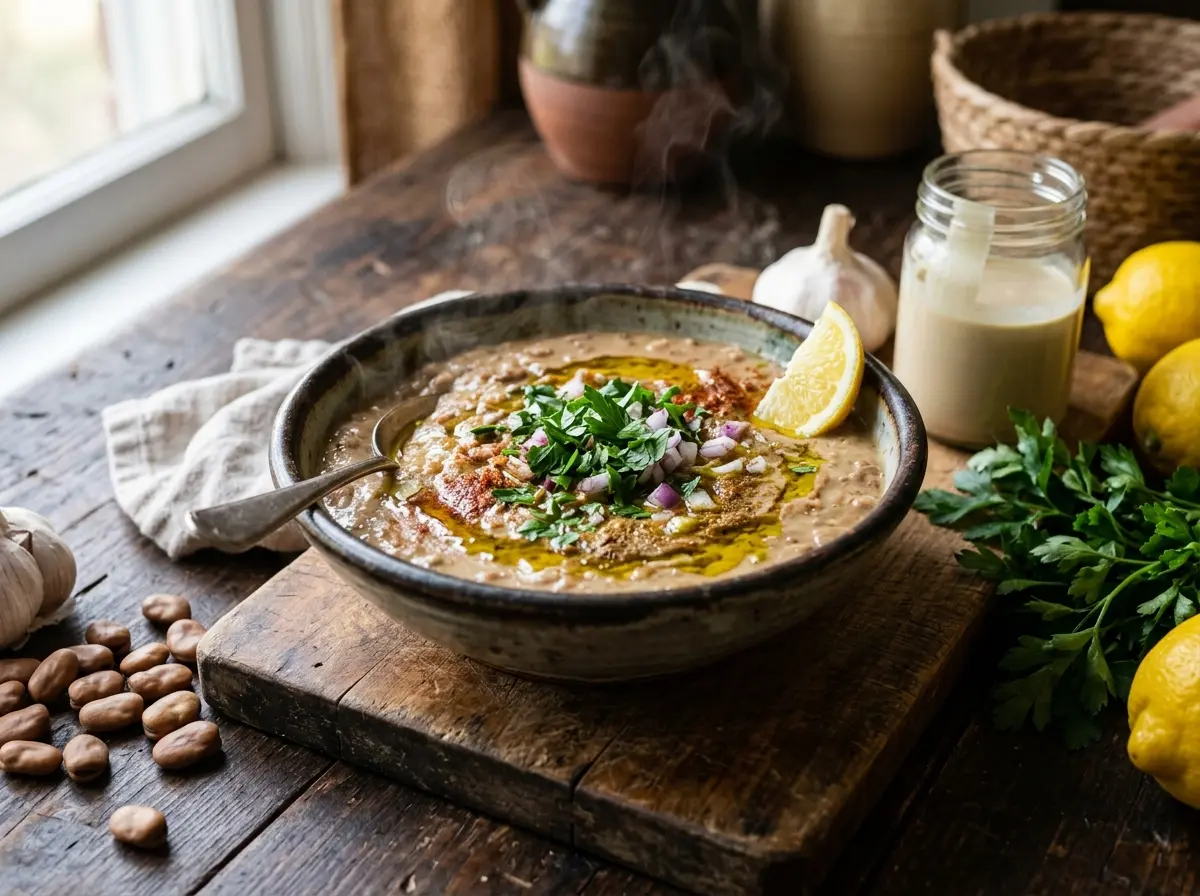
Ful medames stands as one of the most beloved and nourishing breakfast dishes across the Middle East, particularly cherished in Egyptian households for centuries. This hearty fava bean stew delivers exceptional protein content while offering a comforting, soul-warming start to any morning. With its rich, earthy flavors and satisfying texture, this traditional dish transforms simple ingredients into a nutritional powerhouse that keeps you energized throughout the day.
The aromatic blend of tender fava beans, fragrant herbs, and warm spices creates an unforgettable sensory experience that awakens both palate and spirit. Each spoonful delivers a perfect balance of creamy beans and vibrant seasonings, making every bite a celebration of authentic Middle Eastern culinary heritage.
Introduction to Ful Medames
This ancient Egyptian fava beans dish represents far more than a simple breakfast option. Ful medames has nourished families across North Africa and the Levant for thousands of years, earning its place as a cornerstone of regional cuisine. Archaeological evidence suggests that ancient Egyptians were cultivating and consuming fava beans as early as 6000 BCE, making this one of humanity’s oldest documented meals.
Cultural and Nutritional Significance
The cultural importance of authentic ful medames extends beyond its nutritional value into the realm of social bonding and community gathering. In traditional Egyptian households, preparing this hearty breakfast becomes a ritual that brings families together around the table each morning. The slow-cooking process allows for conversation and connection while the beans transform into their signature creamy texture.
From a nutritional standpoint, fava beans provide an exceptional source of plant-based protein, containing all essential amino acids when paired with whole grains. This makes the dish particularly valuable for vegetarian and vegan diets seeking complete protein sources. The high fiber content supports digestive health while complex carbohydrates provide sustained energy release throughout the morning hours.
Why Ful Medames Is a Perfect Protein-Rich Breakfast
Modern nutrition science validates what Middle Eastern cultures have known for millennia: starting the day with protein-rich breakfast options significantly improves metabolic function and satiety levels. A single serving of properly prepared egyptian fava beans delivers approximately 15-18 grams of high-quality protein, rivaling many animal-based breakfast options.
The combination of protein, fiber, and complex carbohydrates creates a trifecta of nutritional benefits that stabilize blood sugar levels and prevent mid-morning energy crashes. Unlike processed breakfast cereals or sugary pastries, this traditional dish provides sustained nourishment that supports both physical and mental performance throughout the day.
Ingredients Overview
Understanding the role of each component in your fava bean stew ensures optimal flavor development and nutritional density. Quality ingredients form the foundation of exceptional ful medames, with each element contributing unique characteristics to the final dish.
Key Ingredients and Their Roles
Dried fava beans serve as the protein-rich foundation, providing both substance and nutritional value. When properly soaked and cooked, these legumes develop a creamy interior while maintaining enough structure to create satisfying texture. The natural starches released during cooking help thicken the cooking liquid into a flavorful broth.
Extra virgin olive oil contributes healthy monounsaturated fats while enhancing flavor absorption throughout the cooking process. Quality olive oil also provides vitamin E and antioxidants that complement the beans’ nutritional profile. Fresh garlic adds antimicrobial properties alongside its distinctive aromatic intensity.
Cumin and coriander seeds deliver warm, earthy notes that define the dish’s characteristic Middle Eastern flavor profile. These spices also contribute digestive benefits and anti-inflammatory compounds that enhance the meal’s overall health value.
Optional Fresh Herb and Vegetable Variations
Fresh parsley brightens the dish with chlorophyll-rich nutrition and a clean, herbaceous finish that balances the beans’ earthiness. Chopped tomatoes add acidity and vitamin C, creating flavor complexity while contributing natural umami compounds. Diced onions provide sweetness and additional fiber when sautéed until translucent.
Lemon juice serves multiple purposes: its citric acid enhances iron absorption from the beans while adding brightness that prevents the dish from tasting too heavy. The acidic component also helps preserve the vibrant green color of fresh herbs when added at the end of cooking.
Step-by-Step Cooking Instructions
Mastering the technique behind homemade ful medames from scratch requires attention to timing, temperature, and texture development. Each phase of preparation builds upon the previous step to create the signature creamy consistency that defines this beloved breakfast dish.
Preparing and Soaking Dried Fava Beans
Proper soaking represents the most critical step in achieving perfect texture and reducing cooking time significantly. Begin by sorting through dried fava beans to remove any damaged specimens or debris that might affect the final dish quality. Rinse the beans thoroughly under cold running water until the water runs clear.
For optimal results, soak the beans in cool water using a 3:1 water-to-bean ratio for 12-24 hours. Longer soaking times result in more even cooking and better texture development throughout the beans. Change the soaking water once during extended soaking periods to prevent fermentation and maintain freshness.
After soaking, drain and rinse the beans again before cooking. Properly soaked fava beans should feel plump and show visible size increase compared to their dried state. This preparation ensures even cooking and prevents some beans from remaining hard while others become mushy.
Cooking Methods and Texture Tips
Traditional cooking methods involve slow simmering to develop the characteristic creamy interior while maintaining structural integrity. Begin cooking with fresh water covering the beans by approximately 2 inches, allowing room for expansion during the cooking process. Maintain a gentle simmer rather than vigorous boiling to prevent skin breakage and uneven cooking.
Cooking time varies between 45-90 minutes depending on bean age, soaking duration, and desired final texture. Test for doneness by pressing individual beans between your fingers – they should yield easily while retaining some structure. Avoid overcooking, which leads to mushy consistency that cannot be corrected.
For enhanced flavor development, consider adding a bay leaf or whole garlic cloves during cooking. These aromatics infuse subtle complexity without overwhelming the beans’ natural taste. Remove these whole seasonings before serving to maintain the dish’s traditional presentation.
Flavoring with Spices and Herbs
Spice integration timing significantly impacts flavor depth and aromatic intensity throughout your middle eastern breakfast creation. Add ground spices during the final 15-20 minutes of cooking to preserve their volatile compounds while allowing sufficient time for flavor melding. This timing prevents bitter notes that develop from overcooking delicate spice oils.
Fresh herbs require different handling to maintain their bright flavors and vibrant colors. Add chopped parsley and cilantro just before serving to preserve their fresh taste and nutritional content. Wilted herbs lose both visual appeal and flavor impact, diminishing the dish’s overall quality.
Salt addition timing affects both flavor development and texture outcomes. Adding salt too early can toughen bean skins and extend cooking time unnecessarily. Season during the final cooking stages when beans reach desired tenderness for optimal results.
Serving Suggestions
Presentation and accompaniment choices transform simple vegetarian fava beans into a complete, satisfying meal experience. Traditional serving methods honor cultural heritage while modern adaptations allow for creative personalization based on dietary preferences and available ingredients.
Traditional Middle Eastern Accompaniments
Fresh pita bread or warm flatbread serves as the perfect vehicle for enjoying every drop of flavorful bean juices. The bread’s soft texture contrasts beautifully with the beans’ creamy consistency while providing additional carbohydrates for sustained energy. Toast the bread lightly for added textural interest and improved flavor development.
Hard-boiled eggs represent a classic protein complement that enhances the meal’s nutritional completeness. The eggs’ rich yolks create additional creaminess when mixed with the beans, while their protein content further boosts the dish’s satiating power. Slice eggs just before serving to maintain optimal texture and visual appeal.
Traditional garnishes include diced tomatoes, cucumber slices, and pickled vegetables that provide refreshing contrast to the warm, hearty beans. These fresh elements add valuable vitamins and minerals while creating textural variety that keeps each bite interesting and engaging.
Modern Twists and Meal Pairing Ideas
Contemporary serving approaches expand the traditional framework while respecting the dish’s essential character. Consider serving your traditional egyptian ful medames over toasted whole grain bread or alongside roasted vegetables for added nutritional diversity. These modifications maintain authenticity while accommodating modern dietary preferences.
For enhanced protein content, top with crumbled cheese or a dollop of Greek yogurt that adds probiotics and calcium to the meal. These dairy additions create creamy richness while providing additional satiety factors that extend fullness throughout the morning hours.
Pair with other Middle Eastern breakfast items like shakshuka or fresh fruit for a complete breakfast spread. This combination provides balanced macronutrients and diverse flavors that create a memorable dining experience suitable for weekend gatherings or special occasions.
Meal Prep and Storage
Strategic meal preparation transforms this nutritious dish into a convenient weekday breakfast solution without compromising flavor quality or nutritional value. Proper storage techniques preserve both taste and texture while maximizing food safety throughout the storage period.
How to Store Ful Medames Safely
Refrigerated storage maintains optimal quality for 3-4 days when stored in airtight containers that prevent moisture loss and contamination. Cool completely before refrigerating to prevent condensation that can lead to texture degradation and bacterial growth. Divide large batches into individual serving portions for convenient reheating and portion control.
Freezing extends storage life up to 3 months while maintaining acceptable texture and flavor characteristics. Leave headspace in freezer containers to accommodate expansion during freezing, preventing container breakage and freezer burn development. Label containers with preparation dates to ensure optimal quality management.
For optimal reheating results, thaw frozen portions overnight in the refrigerator before gentle stovetop warming. Add small amounts of water or broth if the mixture appears too thick after storage, as natural moisture loss occurs during refrigeration and freezing processes.
Tips for Make-Ahead Breakfasts
Batch cooking during weekend hours provides convenient ful medames meal prep options for busy weekday mornings. Prepare double or triple recipes to maximize cooking efficiency while ensuring consistent flavor development across all portions. This approach saves significant time during hectic morning routines.
Consider partially cooking large batches, then completing the seasoning and final cooking stages just before serving for optimal freshness. This method preserves the beans’ texture while allowing flavor customization for different family members’ preferences. Store partially cooked beans using the same refrigeration guidelines.
Prepare accompaniments like chopped vegetables and herbs separately to maintain their fresh qualities throughout the storage period. Combine these fresh elements with reheated beans just before serving to preserve optimal texture contrast and nutritional value.
Ful Medames
Equipment
- Medium saucepan
- Potato Masher or Fork
- Wooden Spoon
- Garlic Press
- Sharp knife
- Cutting board
Ingredients
- 2 cans Fava Beans 15 oz each, drained and rinsed, or 1 cup dried beans soaked overnight
- 3 cloves Garlic minced
- 1/4 cup Extra Virgin Olive Oil divided
- 1/2 cup Water or Vegetable Broth adjust for desired consistency
- 1 teaspoon Ground Cumin
- 1/2 teaspoon Paprika
- 1/4 teaspoon Cayenne Pepper optional, adjust to taste
- 1 teaspoon Salt or to taste
- 1 medium Tomato diced
- 1/2 medium Bell Pepper red or yellow, finely diced
- 1 medium Carrot finely diced, optional
- 1/4 cup Fresh Parsley chopped
- 2 tablespoons Fresh Mint chopped, or cilantro
- 3 tablespoons Fresh Lemon Juice or lime juice
- 2 tablespoons Tahini or sunflower seed butter
- 1 tablespoon Pomegranate Molasses optional, for tangy sweetness
- 4 pieces Pita Bread warmed
- 2 tablespoons Extra Virgin Olive Oil for drizzling
- 1/4 teaspoon Sumac for garnish, optional
Instructions
- If using dried fava beans, drain soaked beans and boil in fresh water for 45-60 minutes until tender. If using canned beans, drain and rinse thoroughly under cold water.
- Heat 2 tablespoons olive oil in a medium saucepan over medium heat. Add minced garlic and sauté for 30 seconds until fragrant, being careful not to burn.
- Add diced bell pepper and carrot (if using) to the pan. Cook for 3-4 minutes until vegetables begin to soften.
- Add the fava beans, cumin, paprika, cayenne, and salt. Stir gently to combine all ingredients.
- Pour in water or broth gradually, starting with 1/4 cup. Bring to a gentle simmer and cook for 10-15 minutes, stirring occasionally.
- Using a potato masher or fork, lightly mash about half the beans for a chunky texture, or mash more thoroughly for a smoother consistency. Add more liquid if mixture becomes too thick.
- Stir in diced tomatoes and cook for 2-3 minutes until tomatoes are warmed through but still hold their shape.
- Remove from heat and stir in fresh herbs, lemon juice, and tahini. Taste and adjust seasoning with salt, lemon juice, or spices as needed.
- Transfer to serving bowls and create a shallow well in the center. Drizzle with remaining olive oil and tahini if desired.
- Garnish with additional fresh herbs, a sprinkle of sumac, and a few whole beans for texture contrast.
- Serve immediately with warm pita bread, alongside sliced vegetables, pickles, or hard-boiled eggs for a complete breakfast.
Notes
For chunky texture, mash only 1/3 of the beans. For smooth consistency, mash 2/3 or use an immersion blender briefly. Adjust liquid gradually to achieve your preferred thickness. TROUBLESHOOTING:
If ful becomes too thick, add warm water or broth 1 tablespoon at a time. If too thin, simmer uncovered for 2-3 minutes to reduce liquid. Mushy texture usually results from over-mashing or overcooking. NUTRITIONAL HIGHLIGHTS:
Each serving provides approximately 15g plant-based protein and 12g fiber. Fava beans are rich in folate, iron, and potassium, making this an excellent nutritious breakfast option. MAKE-AHEAD:
Prepare base mixture up to 2 days ahead and refrigerate. Reheat gently, adding liquid as needed. Stir in fresh herbs and lemon juice just before serving for best flavor. STORAGE:
Refrigerate leftovers for up to 4 days. Ful thickens when cold, so add warm broth when reheating. Can be frozen for up to 3 months.
Nutrition Highlights (Per Serving – Approximate)
Understanding your food’s composition is key to balanced eating. Here is an approximate nutritional breakdown calculated for a standard serving based on wholesome preparation guidelines:
Culinary Selection Notes
- Adjusting sweetener densities or using refined-sugar alternatives will directly optimize the overall glycemic load without breaking structural balance.
- Focusing on high-quality whole fats maximizes trace micronutrient retention across low-temperature or baking environments.
Nutritional Benefits
The exceptional nutritional profile of this healthy breakfast stew positions it as an ideal choice for health-conscious individuals seeking plant-based protein sources. Understanding these nutritional advantages helps maximize the health benefits while supporting various dietary goals and restrictions.
Protein and Fiber Content
Fava beans deliver approximately 17 grams of high-quality plant protein per serving, providing essential amino acids necessary for muscle maintenance and metabolic function. This protein content rivals many animal-based breakfast options while offering additional fiber benefits that support digestive health and satiety regulation.
The impressive fiber content – approximately 12 grams per serving – supports healthy cholesterol levels and blood sugar regulation throughout the day. Soluble fiber forms gel-like substances that slow nutrient absorption, preventing rapid blood sugar spikes common with processed breakfast foods.
This combination of protein and fiber creates exceptional satiety that extends well beyond typical breakfast foods. The sustained fullness prevents mid-morning snacking while supporting steady energy levels that enhance both physical and mental performance throughout morning hours.
Benefits for Vegetarian and Vegan Diets
Plant-based diets benefit enormously from incorporating this protein-rich breakfast option that provides complete amino acid profiles when combined with whole grains. The iron content supports healthy red blood cell formation, while folate contributes to cellular repair and DNA synthesis processes.
Vitamin B6 present in fava beans supports neurotransmitter production and cognitive function, making this dish particularly valuable for maintaining mental clarity during morning hours. The potassium content helps regulate blood pressure while supporting proper muscle and nerve function throughout the day.
For those following plant-based eating patterns, this dish provides essential nutrients often lacking in vegetarian diets, including significant amounts of magnesium, phosphorus, and zinc. These minerals support bone health, immune function, and metabolic processes crucial for optimal wellness.
Troubleshooting Common Issues
Even experienced home cooks encounter occasional challenges when preparing this traditional dish. Understanding common problems and their solutions ensures consistent results while building confidence in your cooking abilities.
How to Fix Mushy or Thick Texture
Mushy texture typically results from overcooking or using beans that were soaked too long before cooking. If your beans become overly soft during cooking, avoid stirring vigorously, which breaks down the bean structure further. Instead, gently fold in additional liquid and reduce heat to prevent continued texture degradation.
Excessively thick consistency can be corrected by gradually adding warm water or vegetable broth while gently stirring. Add liquid in small increments to prevent over-thinning, which requires additional cooking time to concentrate flavors again. Maintain gentle heat during liquid incorporation to preserve existing flavor development.
Prevention strategies include monitoring cooking progress regularly and testing individual beans for doneness rather than relying solely on timing. Different bean varieties and ages require varying cooking times, making regular testing essential for optimal results.
Adjusting Flavors to Personal Preference
Bland flavor profiles often indicate insufficient seasoning or premature salt addition that prevented proper flavor absorption. Taste the dish during final cooking stages and adjust seasonings gradually, allowing time between additions for flavors to develop and integrate properly.
Excessive saltiness can be balanced by adding small amounts of lemon juice or additional cooked beans to dilute the overall sodium content. Acidic ingredients help balance salty flavors while enhancing the dish’s overall complexity and brightness.
Spice intensity adjustments require careful consideration of individual heat tolerances and flavor preferences. Start with smaller spice quantities and increase gradually, remembering that flavors intensify during storage and reheating processes.
Summary and Encouragement to Try Ful Medames
This remarkable Egyptian breakfast dish offers an exceptional combination of nutritional benefits, cultural richness, and satisfying flavors that make every morning special. The high protein content, fiber density, and complex flavor profile create a breakfast experience that nourishes both body and soul while connecting you to thousands of years of culinary tradition.
Whether you’re seeking plant-based protein sources, exploring Middle Eastern cuisine, or simply wanting a heartier breakfast option, ful medames delivers exceptional value on every level. The meal prep versatility and storage convenience make it practical for busy lifestyles while maintaining authentic flavors that transport you to bustling Cairo breakfast tables.
Start your culinary adventure with this time-tested recipe and discover why generations have relied on this nourishing dish to fuel their days. For additional Middle Eastern inspiration, explore our hearty lentil soup recipe or try our refreshing Mediterranean chickpea salad for more plant-based protein options that complement this traditional breakfast perfectly.