
Pineapple Coconut Water: Easy Refreshing Tropical Recipe
Learn how to make refreshing Pineapple Coconut Water at home with our easy, quick recipe that’s packed with tropical flavor. Get the recipe today.
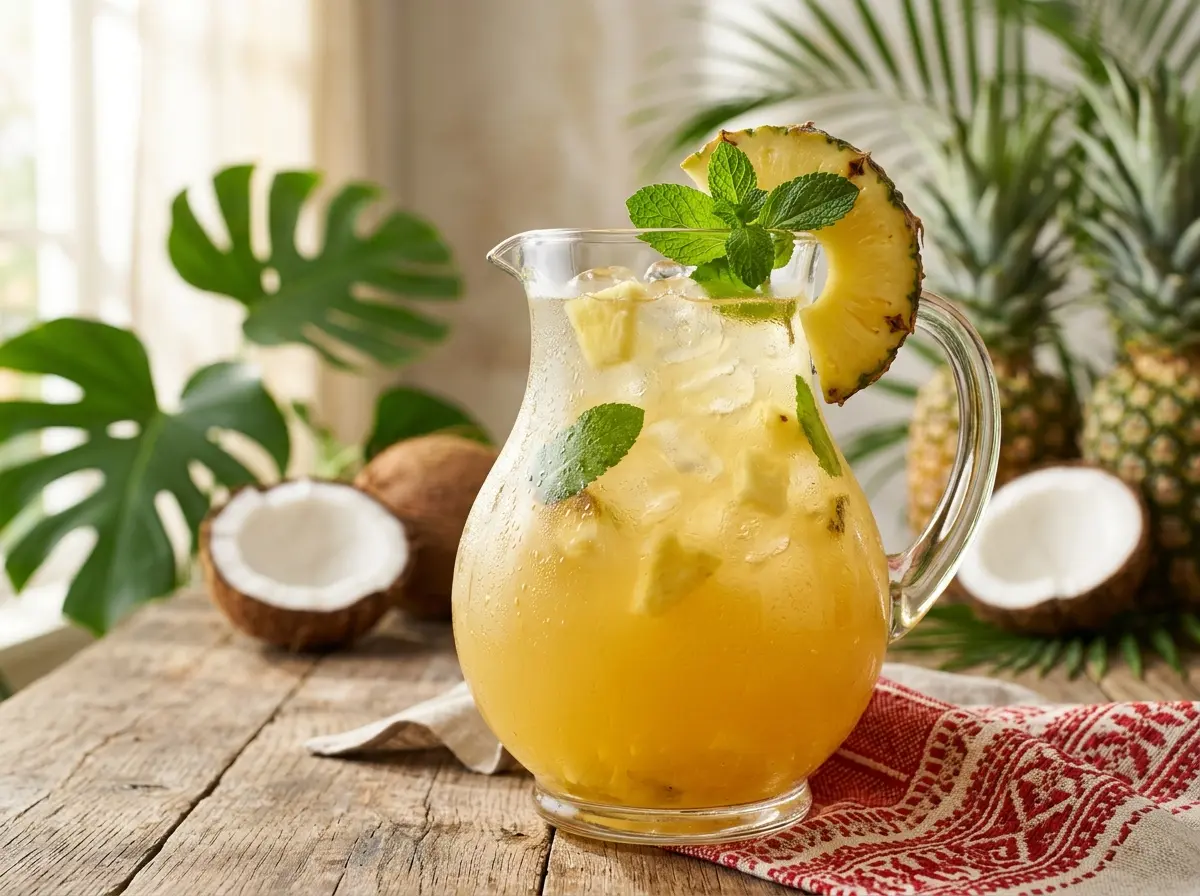
Pineapple Coconut Water combines the tropical sweetness of fresh pineapple with the natural hydration power of coconut water, creating a refreshing drink that’s perfect for any time of day. This homemade tropical coconut drink delivers pure flavor without artificial additives or excessive sugars. You’ll taste the difference when you blend these wholesome ingredients at home.
The natural enzymes in fresh pineapple perfectly complement coconut water’s electrolyte profile, making this beverage both delicious and functional. Each sip offers a burst of tropical sunshine that energizes your body while keeping you naturally hydrated. The combination creates a balanced flavor that’s neither too sweet nor too tart.
Introduction to Pineapple Coconut Water
What is Pineapple Coconut Water?
Fresh pineapple coconut water is a natural beverage that combines the tropical flavor of ripe pineapple with the hydrating properties of pure coconut water. This coconut water recipe represents the perfect marriage of sweet, tangy pineapple juice with the subtle, refreshing taste of coconut water. The result is a drink that’s naturally energizing and incredibly satisfying.
Unlike commercial fruit drinks that rely on artificial flavors and high sugar content, this homemade version celebrates the natural sweetness found in quality ingredients. The pineapple provides natural fruit sugars and digestive enzymes, while coconut water contributes essential electrolytes like potassium and magnesium. Together, they create a beverage that’s both nourishing and delicious.
Why Choose Homemade over Store-bought?
Making your own fresh pineapple coconut water gives you complete control over ingredient quality and flavor balance. Commercial versions often contain added sugars, preservatives, and artificial flavors that mask the natural taste of these tropical ingredients. When you prepare this drink at home, you can adjust the sweetness level and ensure every ingredient meets your standards.
Homemade coconut water blends are also more cost-effective than premium bottled versions. Fresh pineapple yields more juice than you might expect, and a single coconut or quality coconut water can create multiple servings. The preparation process is simple and requires no special equipment beyond a blender or juicer.
The freshness factor makes a significant difference in taste and nutritional value. When you blend this drink fresh, you preserve the maximum amount of vitamins, enzymes, and natural flavors that can deteriorate during commercial processing and storage.
Ingredients and Selection Tips
Choosing Fresh Pineapple
Selecting the right pineapple is crucial for achieving the perfect balance in your pineapple juice drink. A ripe pineapple should have a sweet aroma at the base, golden-yellow skin color, and leaves that pull away easily from the crown. The fruit should feel firm but give slightly when pressed, indicating optimal ripeness and juice content.
Avoid pineapples with dark spots, overly soft areas, or a fermented smell, as these indicate overripeness that can create an unbalanced flavor profile. A medium-sized pineapple typically yields about 2 cups of fresh juice, which is perfect for making multiple servings of this tropical coconut drink.
The sweetness level of your pineapple will directly impact the final taste of your beverage. If your pineapple is slightly tart, you can balance this with natural sweetener alternatives or by adjusting the coconut water ratio to create a milder flavor profile.
Selecting Quality Coconut Water
Pure coconut water forms the hydrating base of this refreshing drink, so quality matters significantly. Look for coconut water that contains no added sugars, artificial flavors, or preservatives. The ingredient list should show only coconut water, indicating you’re getting the purest form possible.
Fresh coconut water extracted directly from young coconuts offers the cleanest taste and highest nutritional value. However, high-quality packaged coconut water provides convenience without sacrificing too much flavor. Choose brands that use flash-pasteurization to maintain freshness while ensuring food safety.
The color should be clear to slightly cloudy, and the taste should be mildly sweet with a clean finish. Avoid coconut water that tastes overly sweet or has an artificial aftertaste, as this indicates added sugars or processing that will interfere with your recipe’s natural flavor balance.
Optional Add-ins (Lime, Ginger, Fresh Herbs)
Fresh lime juice adds a bright, citrusy note that enhances both the pineapple and coconut flavors while providing additional vitamin C. Start with just a tablespoon per serving and adjust to taste, as lime can quickly overpower the delicate balance of this tropical drink.
Fresh ginger root contributes a warming spice element that complements the tropical flavors beautifully. Use it sparingly – a thin slice or small grated piece per serving is sufficient to add complexity without overwhelming the primary flavors. Ginger also provides digestive benefits that pair well with pineapple’s natural enzymes.
Fresh herbs like mint or basil create sophisticated flavor variations that elevate this simple drink into something special. Mint provides cooling properties that enhance the refreshing qualities, while basil adds an unexpected aromatic dimension that works surprisingly well with tropical fruits.
Step-by-Step Preparation Guide
Extracting Fresh Coconut Water
Working with fresh coconuts requires proper technique to access the pure coconut water inside. Choose young, green coconuts when possible, as they contain more water and have a sweeter, milder flavor than mature brown coconuts. You’ll need a sturdy knife, ice pick, or coconut opener to pierce the soft spots at the top.
Look for the three “eyes” at the top of the coconut and find the softest one by testing with gentle pressure. Pierce this spot with your tool and drain the coconut water into a clean bowl or measuring cup. Fresh coconut water should be clear and taste mildly sweet with no sour or fermented notes.
If fresh coconuts aren’t available, high-quality bottled coconut water works perfectly for this recipe. The key is maintaining the proper ratios to achieve the ideal balance between pineapple sweetness and coconut water’s subtle flavor.
Preparing Pineapple Juice
Fresh pineapple juice extraction maximizes the natural enzymes and vibrant flavor that make this drink special. Remove the pineapple’s tough outer skin and core, then cut the flesh into chunks that fit your juicer or blender. If using a blender, you may need to strain the mixture to remove fiber for a smoother texture.
The natural sugars in pineapple concentrate as the fruit ripens, so taste your juice before mixing to understand its sweetness level. This helps you adjust the coconut water ratio for perfect balance. Fresh pineapple juice should be consumed quickly to preserve its nutritional value and prevent oxidation.
When blending pineapple chunks, add a small amount of coconut water to help the process and reduce the final mixture’s thickness. This technique creates a smoother blend while maintaining the tropical coconut drink’s refreshing consistency.
Mixing Instructions and Ratios
The ideal recipe ratios create a harmonious balance where neither ingredient overpowers the other. Start with a 2:1 ratio of coconut water to pineapple juice, then adjust based on your taste preferences and the pineapple’s natural sweetness level. This foundation provides enough coconut water to maintain hydrating properties while showcasing the pineapple’s tropical flavor.
Combine ingredients gradually, tasting as you go to achieve your preferred flavor profile. Some people prefer a more pronounced pineapple taste, while others enjoy the subtle coconut water flavor taking the lead. The beauty of homemade coconut water drinks lies in this customization ability.
Mix thoroughly to ensure even distribution of flavors, and consider chilling all ingredients beforehand for the most refreshing result. Serve immediately over ice, or refrigerate for up to 24 hours for the best taste and nutritional value.
Nutritional Benefits Explained
Hydration and Electrolytes
Coconut water naturally contains essential electrolytes that support proper hydration and muscle function. Potassium, magnesium, and sodium work together to maintain fluid balance in your body, making this drink an excellent choice for post-workout recovery or daily hydration needs.
The electrolyte profile in coconut water closely mimics what your body loses through perspiration, making it a natural alternative to commercial sports drinks. Unlike artificial beverages, this combination provides hydration without excessive sodium or artificial additives that can interfere with your body’s natural processes.
Pineapple contributes additional water content while providing natural fruit sugars that help with electrolyte absorption. This combination creates a beverage that hydrates more effectively than water alone while tasting significantly better than plain coconut water.
Potassium and Other Key Nutrients
Both pineapple and coconut water are excellent sources of potassium, an essential mineral that supports heart health, muscle function, and blood pressure regulation. A single serving of this drink can provide a significant portion of your daily potassium needs while supporting overall cardiovascular health.
Pineapple brings vitamin C, manganese, and bromelain – a digestive enzyme that helps break down proteins and may reduce inflammation. These nutrients work synergistically with coconut water’s mineral profile to create a beverage that supports both immediate hydration needs and long-term health goals.
The magnesium content in coconut water supports nerve function and bone health, while pineapple’s vitamin C enhances iron absorption and supports immune system function. Together, these nutrients create a naturally functional beverage without artificial supplementation.
Natural Energy Boosting Properties
The natural fruit sugars in pineapple provide quick energy without the crash associated with refined sugar drinks. These natural sugars are accompanied by fiber and enzymes that moderate absorption, creating sustained energy rather than rapid spikes and drops in blood sugar levels.
Coconut water’s electrolyte content supports cellular energy production by maintaining proper fluid balance and nutrient transport throughout your body. This makes the combination particularly effective for pre- or post-exercise consumption when your body needs both hydration and energy replenishment.
The B vitamins present in both ingredients support energy metabolism at the cellular level. Unlike caffeinated beverages that provide artificial stimulation, this natural energy boost works with your body’s systems rather than against them.
Serving Suggestions and Variations
Flavor Customizations
Natural sweetener alternatives allow you to adjust this drink’s sweetness without compromising its wholesome character. Raw honey adds floral notes that complement tropical flavors, while pure maple syrup contributes depth and complexity. Start with small amounts and adjust gradually to avoid overwhelming the natural fruit flavors.
Spice additions create exciting flavor variations that transform this simple drink into something extraordinary. A pinch of ground cinnamon adds warmth, while fresh grated ginger provides a zesty kick that enhances the tropical elements. Vanilla bean paste introduces creamy sweetness without artificial flavoring.
Fresh herb infusions elevate this beverage from refreshing to sophisticated. Muddle fresh mint leaves for cooling properties, or try basil for an unexpected aromatic twist. These additions work particularly well when you’re serving this drink to guests who appreciate unique flavor combinations.
Smoothie and Tropical Drink Ideas
Transform your pineapple juice drink into a creamy smoothie by adding frozen banana or mango chunks during blending. The frozen fruit creates a thick, satisfying texture while contributing additional tropical flavors and natural sweetness. This variation works perfectly as a breakfast drink or afternoon snack.
Create tropical drink variations by incorporating other complementary fruits like passion fruit, guava, or papaya. These additions maintain the tropical theme while introducing new flavor dimensions that keep this drink interesting for regular consumption.
For a more substantial beverage, blend in coconut meat from fresh coconuts or add a small amount of coconut cream. This creates a richer texture that’s perfect for special occasions or when you want something more indulgent than the basic recipe.
Family-friendly and Post-workout Uses
This naturally sweet drink appeals to children while providing better nutrition than commercial fruit drinks or sodas. The familiar pineapple flavor makes it approachable for young palates, while the coconut water provides hydration and nutrients that support growing bodies.
Post-workout consumption maximizes this drink’s hydrating and recovery benefits. The natural electrolytes help replenish what you lose through perspiration, while the fruit sugars provide energy for muscle recovery. Consume within 30 minutes after exercise for optimal benefits.
Consider making larger batches for family gatherings or meal preparation. This drink stores well in the refrigerator and provides a healthy alternative to sugary beverages that often dominate family meals and celebrations.
Storage and Shelf Life
How to Store Fresh Pineapple Coconut Water
Proper storage techniques preserve both flavor and nutritional value in your homemade coconut water blend. Store the finished drink in glass containers rather than plastic to maintain taste purity and prevent absorption of unwanted flavors. Airtight sealing prevents oxidation that can degrade vitamin content and alter taste.
Refrigerate immediately after preparation and keep at temperatures below 40°F to prevent bacterial growth and maintain food safety. Glass mason jars or bottles work excellently for single-serving portions, while larger glass pitchers accommodate family-sized batches.
Avoid storing this drink in metal containers, as the natural acids in pineapple can react with certain metals and create off-flavors. Glass provides the most neutral storage environment that preserves the drink’s intended taste profile.
Shelf Life and Signs of Spoilage
Freshly prepared pineapple coconut water maintains optimal quality for 24-48 hours when properly refrigerated. After this timeframe, you may notice slight changes in flavor as the natural enzymes continue working and the ingredients begin to separate or oxidize.
Signs of spoilage include sour or fermented odors, visible mold growth, or significant separation that doesn’t remix with gentle stirring. The drink should maintain its fresh, tropical aroma and clean taste throughout its storage period. Any off-odors or unusual appearances indicate it’s time to discard the beverage.
For best results, consume this drink within 24 hours of preparation when the flavors are most vibrant and the nutritional content is at its peak. The natural enzymes in pineapple remain most active during this timeframe, providing maximum digestive benefits.
Fresh Pineapple Coconut Water
Equipment
- Sharp knife
- Cutting board
- Blender or food processor
- Fine mesh strainer
- Measuring cups
- Serving glasses
- Coconut Opener or Hammer
Ingredients
- 1 cup Fresh Pineapple cored and chopped, preferably golden ripe
- 1.5 cups Fresh Coconut Water from 1 young green coconut, or high-quality bottled
- 2 tablespoons Fresh Coconut Meat optional, for extra richness
- 1 tablespoon Raw Honey or 2 pitted dates, adjust to taste
- 4 leaves Fresh Mint plus extra for garnish
- 1 tablespoon Fresh Lime Juice optional, for brightness
- 1 cup Ice Cubes for serving
Instructions
- If using fresh coconut, carefully crack open the coconut using a hammer or coconut opener. Drain the coconut water into a measuring cup and scrape out 2 tablespoons of the soft coconut meat if desired.
- Select a ripe pineapple with golden skin and sweet aroma at the base. Remove the skin and core, then chop into 1-inch pieces to yield 1 cup of fruit.
- Wash the mint leaves thoroughly and pat dry with paper towels.
- Add the chopped pineapple, coconut water, coconut meat (if using), honey or dates, and mint leaves to a blender.
- Blend on high speed for 45-60 seconds until the mixture is completely smooth and frothy.
- Taste and adjust sweetness by adding more honey or dates as needed. Add lime juice if desired for extra brightness.
- Strain the mixture through a fine-mesh strainer into a pitcher to remove any pulp for a smoother texture, or leave unstrained for more fiber.
- Fill two glasses with ice cubes and pour the pineapple coconut water over the ice.
- Garnish each glass with fresh mint leaves and serve immediately for best flavor and nutrition.
Notes
Choose pineapples with golden skin, sweet aroma at the base, and leaves that pull out easily. Avoid fruits with dark spots or overly soft areas. COCONUT WATER EXTRACTION:
Young green coconuts provide the sweetest, most nutritious water. Look for coconuts that feel heavy and sound full of liquid when shaken. STORAGE:
Fresh pineapple coconut water is best consumed immediately but can be refrigerated for up to 24 hours. Stir before serving as natural separation may occur. CUSTOMIZATION OPTIONS:
Replace honey with 2 pitted Medjool dates for refined sugar-free sweetness. Add ginger for spice, or coconut milk for creaminess. Frozen pineapple can be used for a thicker, smoothie-like consistency. NUTRITIONAL BENEFITS:
Each serving provides approximately 80 calories, rich in vitamin C, potassium, and natural electrolytes. Fresh preparation preserves maximum enzyme content and nutritional value.
Nutrition Highlights (Per Serving – Approximate)
Understanding your food’s composition is key to balanced eating. Here is an approximate nutritional breakdown calculated for a standard serving based on wholesome preparation guidelines:
Culinary Selection Notes
- Adjusting sweetener densities or using refined-sugar alternatives will directly optimize the overall glycemic load without breaking structural balance.
- Focusing on high-quality whole fats maximizes trace micronutrient retention across low-temperature or baking environments.
Conclusion and Final Tips
Quick Recap of Preparation and Benefits
Creating perfect Pineapple Coconut Water requires attention to ingredient quality and proper ratios for optimal flavor balance. Fresh, ripe pineapple combined with pure coconut water creates a naturally hydrating beverage that surpasses commercial alternatives in both taste and nutritional value. The key lies in tasting as you mix and adjusting ratios to suit your preferences.
This tropical coconut drink provides natural electrolytes, essential vitamins, and digestive enzymes without artificial additives or excessive sugars. The preparation process is straightforward, requiring minimal equipment and time while delivering maximum flavor and health benefits.
Remember that storage tips matter significantly for maintaining quality – consume within 24 hours for best results and store in glass containers under proper refrigeration. These simple guidelines ensure every glass tastes as fresh and vibrant as the first.
Encouragement to Try Homemade Recipes
Making your own fresh pineapple coconut water opens up endless possibilities for customization and experimentation. Once you master the basic recipe ratios, you can explore natural sweetener alternatives, herb infusions, and seasonal fruit additions that keep this drink interesting throughout the year.
The satisfaction of creating something wholesome and delicious from simple, natural ingredients extends beyond just this single recipe. This foundation teaches you principles of flavor balancing and natural sweetness that apply to many other homemade beverage recipes you might want to explore.
Start with this basic coconut water recipe and let your taste preferences guide you toward your perfect version. The beauty of homemade drinks lies in their adaptability – every batch can be slightly different while maintaining the core benefits that make this beverage so appealing and nourishing.