Eggnog Recipe: Easy Homemade Non-Alcoholic Holiday Favorite
Learn how to make the perfect eggnog recipe with our easy, creamy, non-alcoholic version. Enjoy a rich holiday treat—get the recipe today.
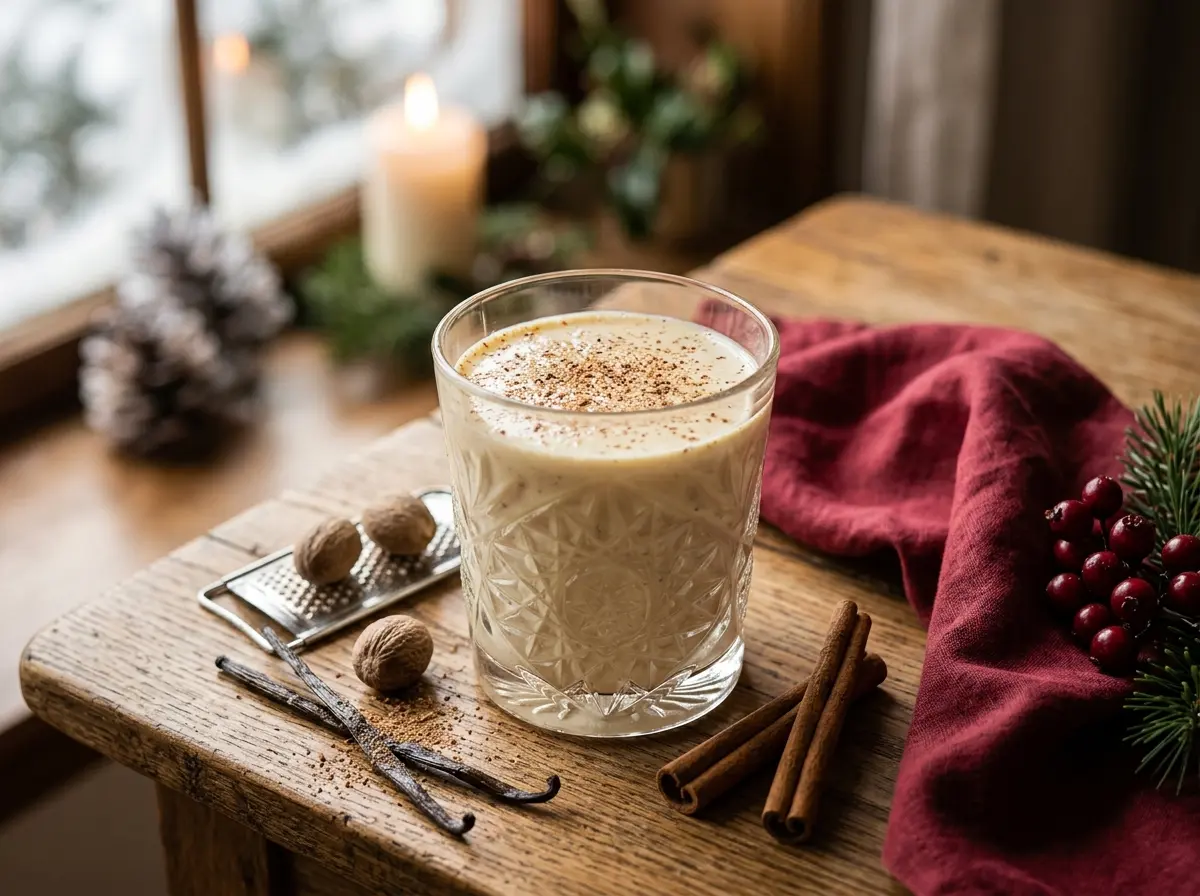
This eggnog recipe transforms simple pantry staples into a luxurious holiday beverage that captures the essence of festive celebration. The rich, velvety texture combined with warm spices creates a comforting drink that appeals to all ages. Our non-alcoholic version ensures everyone can enjoy this classic holiday treat without compromising on flavor or tradition.
The aroma of freshly grated nutmeg and cinnamon mingles with creamy vanilla notes, creating an inviting fragrance that fills your kitchen. Each sip delivers a perfect balance of sweetness and spice, with a silky smooth consistency that coats your palate. This homemade eggnog offers a depth of flavor that store-bought versions simply cannot match.
Introduction to Eggnog Recipe
Creating the perfect homemade eggnog requires understanding the delicate balance between eggs, cream, and spices that defines this beloved holiday beverage. Traditional eggnog dates back centuries, evolving from European posset drinks into the rich, custard-like treat we know today. The science behind achieving the ideal consistency lies in proper emulsification and temperature control throughout the preparation process.
What Makes This Eggnog Special
This best eggnog recipe stands apart through its emphasis on technique and ingredient quality rather than complicated additions. The key difference lies in the tempering method, which creates a stable emulsion without the risk of scrambled eggs. Fresh whole eggs provide the essential lecithin for proper binding, while high-quality dairy contributes to the signature richness.
The spice blend in this easy eggnog recipe features freshly ground nutmeg as the star, complemented by subtle notes of vanilla and cinnamon. Unlike commercial versions that rely on artificial flavors, this recipe builds complexity through natural ingredients. The result is a clean-tasting beverage that highlights the pure flavors of each component.
Why Choose a Non-Alcoholic Version
Non-alcoholic eggnog offers numerous advantages beyond simply accommodating different dietary preferences. Without the interference of spirits, the delicate egg and cream flavors can truly shine through. This approach also makes the recipe accessible to families with children and those who prefer to avoid consumption of any potentially intoxicating substances.
The absence of ethanol also means the eggnog maintains a smoother, more consistent texture. Traditional recipes with spirits sometimes develop a thinner consistency as the liquid content increases. This kid-friendly eggnog maintains its luxurious mouthfeel while remaining appropriate for all occasions.
Ingredients Needed
Quality ingredients form the foundation of exceptional quick eggnog recipe results. Each component serves a specific purpose in creating the final texture and flavor profile. Understanding these roles helps you make informed substitutions when necessary while maintaining the integrity of the original recipe.
Dairy and Dairy-Free Options
Whole milk provides the liquid base while heavy cream contributes richness and helps achieve the signature thick consistency. The fat content in these dairy products creates the smooth mouthfeel that defines quality eggnog. For optimal results, use dairy products that are as fresh as possible and avoid ultra-pasteurized options when available.
Full-fat coconut milk serves as an excellent dairy-free substitute, offering comparable richness and natural sweetness. Cashew cream or oat milk can also work effectively, though they may require slight adjustments to the sweetener quantities. These alternatives maintain the creamy texture while accommodating various dietary restrictions.
Natural Sweeteners and Spices
Pure cane sugar dissolves easily and provides clean sweetness without interfering with the eggnog’s delicate flavor balance. Maple syrup offers an alternative with subtle caramel notes that complement the spice profile beautifully. Honey can also work, though it will add its own distinct character to the finished beverage.
Freshly grated whole nutmeg delivers the most vibrant flavor compared to pre-ground alternatives. Ceylon cinnamon provides warmth without overwhelming heat, while pure vanilla extract adds depth and complexity. These spices should be added gradually, as their potency can vary significantly between sources.
Safety Tips for Eggs
Fresh, high-quality eggs from reputable sources minimize food safety concerns in raw preparations. Check expiration dates carefully and inspect each egg for cracks before use. Room temperature eggs incorporate more easily into the mixture, reducing the likelihood of curdling during preparation.
The tempering process effectively reduces potential bacterial risks by gently heating the egg mixture to safe temperatures. Maintaining proper refrigeration throughout storage further ensures food safety. Always consume homemade eggnog within the recommended timeframe to maintain both quality and safety.
Step-by-Step Preparation
Mastering the preparation technique transforms simple ingredients into restaurant-quality warm eggnog results. The process requires patience and attention to temperature control, but the steps themselves are straightforward. Success depends on gradual temperature changes and constant gentle stirring throughout the cooking phase.
Tempering the Eggs
Tempering represents the most critical step in preventing curdled eggnog disasters. Begin by whisking egg yolks with sugar until the mixture becomes pale and slightly thickened. This creates a stable base that can accept hot liquids without immediately coagulating.
Heat the milk mixture to approximately 160°F (71°C), monitoring with a reliable thermometer for accuracy. Remove from heat and add small amounts of the hot liquid to the egg mixture while whisking constantly. This gradual introduction allows the proteins to adjust slowly to the temperature change.
Continue adding hot milk in increments, whisking continuously until about half has been incorporated. At this point, the egg mixture should feel noticeably warmer and maintain a smooth consistency. Only then should you return the combined mixture to the saucepan for final heating.
Combining Ingredients
Return the tempered mixture to low heat and cook while stirring constantly until it reaches 160°F (71°C) again. This second heating phase ensures food safety while developing the custard-like texture characteristic of quality eggnog. The mixture should coat the back of a spoon when properly thickened.
Remove from heat immediately upon reaching target temperature to prevent overcooking. Strain the mixture through a fine-mesh sieve to remove any small lumps that may have formed despite careful technique. This step guarantees the silky smooth texture that defines professional-quality results.
Achieving the Perfect Creamy Texture
Cooling the cooked base rapidly helps maintain the desired consistency and prevents further cooking from residual heat. Place the saucepan in an ice bath while stirring occasionally until the temperature drops below 40°F (4°C). This rapid cooling technique preserves the delicate emulsion structure.
Whip heavy cream to soft peaks separately before folding into the cooled eggnog base. This incorporates air and creates additional volume while maintaining the rich mouthfeel. Gentle folding motions preserve the whipped texture and prevent deflation of the incorporated air.
Troubleshooting Common Problems
Even experienced cooks occasionally encounter challenges when preparing festive eggnog variations. Understanding common issues and their solutions helps ensure consistent results every time. Most problems stem from temperature control or timing issues that can be prevented with proper technique.
Preventing Curdling
Curdling occurs when egg proteins coagulate too rapidly due to excessive heat or temperature shock. If you notice small lumps forming during preparation, immediately remove the mixture from heat and whisk vigorously. Straining through a fine mesh can often salvage slightly curdled batches.
Prevention remains the best strategy for avoiding curdling altogether. Maintain gentle heat throughout the cooking process and never allow the mixture to come to a boil. Constant stirring distributes heat evenly and prevents hot spots that could cause localized protein coagulation.
Using a double boiler provides additional insurance against overheating, though it extends the preparation time slightly. This indirect heating method offers more precise temperature control, making it ideal for beginners or those working in challenging kitchen conditions.
Adjusting Thickness and Sweetness
Thin eggnog can be thickened by returning it to gentle heat and cooking for additional time while stirring constantly. Alternatively, whisking in additional egg yolk that has been tempered separately can increase richness and body. These adjustments should be made gradually to maintain proper balance.
Overly thick consistency can be corrected by gradually whisking in cold milk or cream until the desired texture is achieved. Make these adjustments while the eggnog is cold to better gauge the final consistency. Remember that the mixture will thicken slightly as it chills completely.
Sweetness levels can be modified even after preparation by incorporating simple syrup, which dissolves more readily than granulated sugar in cold mixtures. Taste adjustments should be made incrementally, allowing flavors to meld before adding more sweetener.
Serving Suggestions and Garnishes
Proper presentation elevates homemade eggnog from simple beverage to elegant holiday centerpiece. Traditional serving vessels include glass mugs, punch cups, or stemmed glasses that showcase the creamy color and texture. Chilled glasses enhance the drinking experience by maintaining optimal temperature longer.
Classic garnishes include freshly grated nutmeg, cinnamon sticks, or a light dusting of ground cinnamon. Whipped cream dollops add visual appeal and extra richness for special occasions. Orange zest provides a bright citrus note that complements the warm spices beautifully.
Consider serving alongside complementary treats like our indulgent Oreo milkshake for chocolate lovers. For tropical-themed gatherings, pair with our refreshing pina colada mocktail to offer variety in your beverage selection.
Storage and Make-Ahead Tips
Proper storage techniques maximize both safety and quality of your homemade eggnog over time. Understanding optimal conditions helps you prepare larger batches for entertaining while maintaining the fresh taste and smooth texture. These eggnog storage tips ensure your efforts aren’t wasted due to improper handling.
Optimal Refrigeration Practices
Store finished eggnog in airtight containers to prevent absorption of refrigerator odors and maintain freshness. Glass containers work exceptionally well as they don’t retain flavors and allow easy monitoring of the contents. Plastic containers are acceptable but should be thoroughly cleaned to remove any residual odors.
Maintain consistent refrigeration at 40°F (4°C) or below throughout the storage period. Temperature fluctuations can affect texture and potentially compromise food safety. Store containers toward the back of the refrigerator where temperatures remain most stable.
Stir gently before serving as natural separation may occur during storage. This is normal and doesn’t indicate spoilage, but rather the natural settling of the emulsion over time. A few gentle stirs will restore the original smooth consistency.
Shelf Life and Reheating Advice
Fresh homemade eggnog maintains optimal quality for 3-4 days when properly refrigerated. After this period, while still safe if properly stored, the flavor may begin to diminish and texture can become slightly thinner. Always trust your senses – discard any eggnog that develops off odors or flavors.
For warm eggnog service, reheat gently over low heat while stirring constantly to prevent curdling. Microwave reheating works but requires careful attention and frequent stirring to ensure even heating. Never allow the mixture to boil during reheating as this will destroy the smooth texture.
Make-ahead preparation works excellently for entertaining purposes. Prepare the base up to two days in advance, then add freshly whipped cream just before serving for optimal texture and presentation. This approach maximizes convenience while maintaining quality standards.
Variations for Dietary Needs
Modern dietary preferences and restrictions don’t have to exclude anyone from enjoying this holiday classic. Understanding ingredient substitutions allows you to create versions that accommodate various needs while maintaining the essential character of traditional eggnog.
Dairy-Free Versions
Dairy-free eggnog relies on plant-based milk alternatives that provide similar richness to traditional dairy products. Full-fat coconut milk creates the closest texture match, while cashew milk offers neutral flavor that won’t compete with the spices. Oat milk provides natural sweetness and creamy consistency that works particularly well in this application.
Coconut cream can substitute for heavy cream in whipped applications, though it requires chilling both the cream and mixing bowl beforehand for optimal results. The natural fats in these alternatives create satisfying richness without compromising the essential eggnog character.
Ensure all plant-based ingredients are unsweetened to maintain control over the final sweetness level. Flavored alternatives often contain additives that can interfere with the delicate spice balance or create unexpected flavor combinations.
Sugar-Free Alternatives
Sugar-free eggnog can be achieved using natural sweeteners like stevia, monk fruit, or erythritol-based blends. These alternatives require careful measurement as their sweetening power differs significantly from traditional sugar. Start with smaller amounts and adjust gradually to achieve the desired sweetness level.
Liquid sweeteners like sugar-free maple syrup or vanilla-flavored stevia drops integrate more easily into cold mixtures. These options also contribute additional flavor complexity that can enhance the overall taste profile. Consider the impact of each sweetener on texture as some may affect the final consistency.
Natural fruit sweeteners like pureed dates or banana can work in small quantities, though they will add their own flavor notes to the finished product. These options work best when you want to create unique flavor variations rather than traditional eggnog taste.
Classic Non-Alcoholic Eggnog
Equipment
- Medium Heavy-Bottomed Saucepan
- Wire whisk
- Fine mesh strainer
- Instant-Read Thermometer
- Large mixing bowl
- Electric Hand Mixer
- Measuring cups and spoons
- Ladle
Ingredients
- 2 cups Whole Milk or coconut milk for dairy-free option
- 1 cup Heavy Cream or full-fat coconut cream for dairy-free
- 1/3 cup Pure Maple Syrup or 1/4 cup sugar, adjust to taste
- 1/4 teaspoon Pure Vanilla Extract
- 1/4 teaspoon Ground Nutmeg freshly grated preferred
- 1/8 teaspoon Ground Cinnamon
- 1 pinch Sea Salt
- 4 Large Egg Yolks pasteurized eggs recommended for safety
- 2 Large Egg Whites pasteurized, for optional whipped topping
- 1 pinch Ground Nutmeg for dusting
- 4 Cinnamon Sticks optional, for stirring
Instructions
- In a medium heavy-bottomed saucepan, combine milk, cream, half the maple syrup (about 3 tablespoons), vanilla, nutmeg, cinnamon, and salt. Heat over medium-low heat, stirring occasionally, until mixture reaches 160°F (71°C) and is steaming but not boiling.
- In a large mixing bowl, whisk egg yolks with remaining maple syrup until pale and slightly thickened, about 2 minutes with electric mixer on medium speed.
- Remove hot milk mixture from heat. Slowly drizzle about 1/2 cup of the hot milk into the egg yolk mixture while whisking constantly to temper the eggs and prevent curdling.
- Continue adding hot milk in a thin stream, whisking continuously, until all milk is incorporated into the egg mixture.
- Pour the entire mixture back into the saucepan and return to medium-low heat. Stir constantly with whisk until mixture thickens slightly and coats the back of a spoon, reaching 160°F (71°C). Do not let it boil or eggs will scramble.
- Immediately strain the eggnog through a fine-mesh strainer into a clean bowl to remove any lumps. Cover with plastic wrap directly touching surface to prevent skin formation.
- Refrigerate for at least 2 hours or until completely chilled. Stir before serving and adjust sweetness if needed.
- Optional: Beat egg whites to soft peaks and gently fold into chilled eggnog for extra richness. Serve in chilled glasses with a dusting of nutmeg and cinnamon stick stirrers.
Notes
Use pasteurized eggs when possible, especially for vulnerable groups (children, pregnant women, elderly, immunocompromised). Heat mixture to 160°F (71°C) to ensure safety. TEMPERING TIPS:
Add hot milk very slowly to eggs while whisking constantly. If mixture curdles, strain through fine-mesh sieve and whisk vigorously, or blend briefly to smooth. STORAGE:
Refrigerate covered for up to 3 days. Stir well before serving as separation is natural. Do not freeze as texture will change. SCALING:
Easily double recipe for larger gatherings. Use 500ml (2 cups) = 473ml metric conversion for international users. MAKE-AHEAD:
Best made day before serving to allow flavors to meld. Taste and adjust spices before serving as they intensify overnight.
Nutrition Highlights (Per Serving – Approximate)
Understanding your food’s composition is key to balanced eating. Here is an approximate nutritional breakdown calculated for a standard serving based on wholesome preparation guidelines:
Culinary Selection Notes
- Adjusting sweetener densities or using refined-sugar alternatives will directly optimize the overall glycemic load without breaking structural balance.
- Focusing on high-quality whole fats maximizes trace micronutrient retention across low-temperature or baking environments.
Frequently Asked Questions (FAQ)
Can I make eggnog without raw eggs?
Yes, this recipe uses a tempering and heating method that brings the egg mixture to 160°F, effectively cooking the eggs while maintaining the smooth texture. This eliminates the food safety concerns associated with consuming raw eggs while preserving the traditional flavor and consistency.
How long does homemade eggnog last in the refrigerator?
Properly stored homemade eggnog maintains optimal quality for 3-4 days in the refrigerator. Store in airtight containers and maintain consistent refrigeration at 40°F or below. Always check for off odors or flavors before consuming, and stir gently before serving as natural separation may occur.
Why did my eggnog turn out thin?
Thin consistency usually results from insufficient cooking time or inadequate egg content. Return the mixture to gentle heat and cook while stirring constantly until it coats the back of a spoon. Alternatively, temper and whisk in an additional egg yolk to increase richness and body.
Can I freeze eggnog for later use?
Freezing is not recommended as it can cause the emulsion to break, resulting in a separated, grainy texture upon thawing. The dairy proteins and fats don’t maintain their structure well through freeze-thaw cycles. Instead, prepare fresh batches as needed or store refrigerated for short-term use.
What’s the best way to serve eggnog at parties?
Serve eggnog chilled in pre-chilled glasses or cups to maintain optimal temperature. Consider offering garnish options like grated nutmeg, cinnamon sticks, or whipped cream so guests can customize their drinks. For larger gatherings, consider pairing with other festive beverages like our sophisticated espresso martini mocktail to provide variety.
How can I make my eggnog thicker?
Increase thickness by cooking the custard base longer while stirring constantly, or by adding more egg yolks during the tempering process. You can also reduce the liquid content slightly or increase the heavy cream ratio. Make adjustments gradually and test consistency as you go.