Sazerac Recipe: Easy 5-Step Family-Friendly Mocktail Guide
Discover the easy 5-step sazerac recipe perfect for family-friendly mocktails. Quick, simple, and delicious. Get the recipe today.
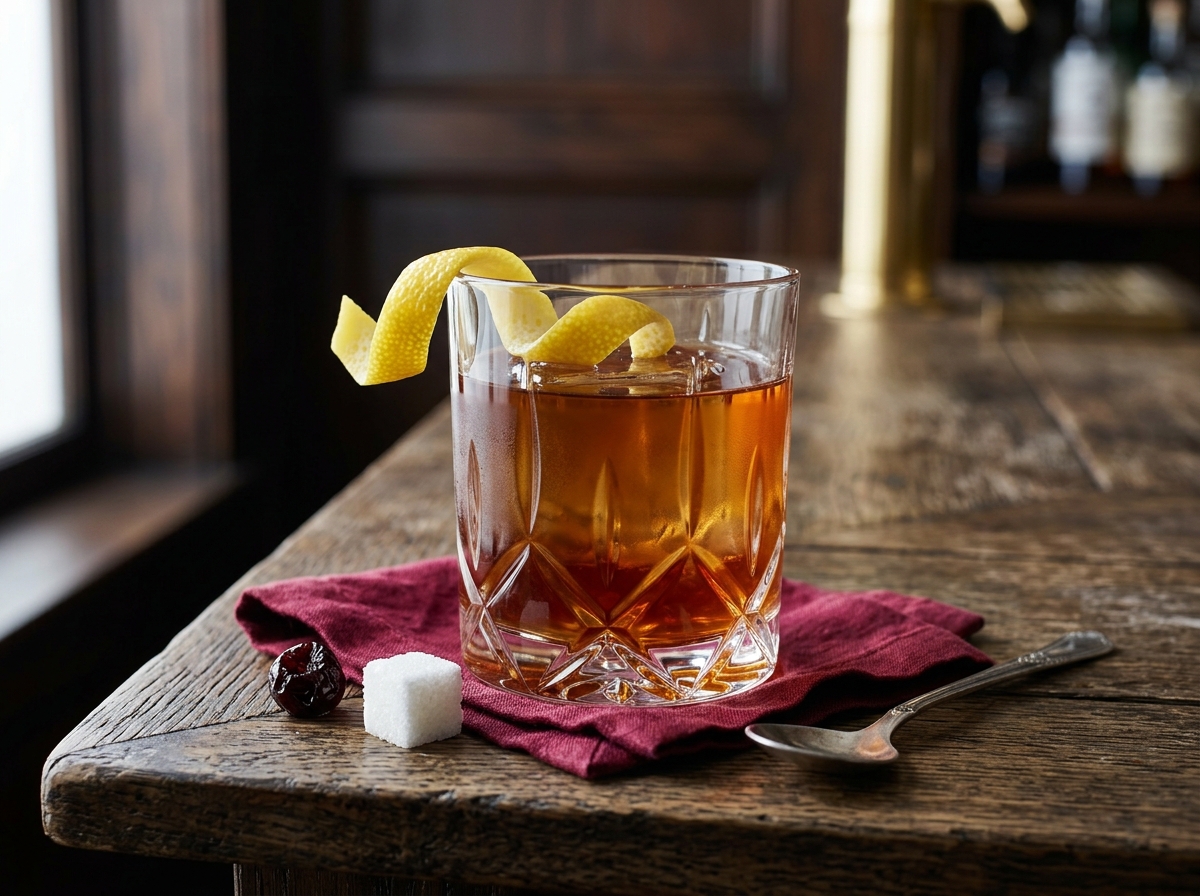
This sazerac recipe transforms the classic New Orleans cocktail into a family-friendly mocktail that captures all the aromatic complexity without any alcohol. You’ll discover how simple ingredients create sophisticated flavors that rival the original.
The distinctive anise aroma and herbal bitters blend beautifully with citrus notes in this refreshing beverage. Each sip delivers the perfect balance of sweet, bitter, and aromatic elements that make this mocktail truly special.
Introduction to the Sazerac Recipe
The sazerac stands as one of America’s oldest cocktails, originating in New Orleans during the 1850s. This iconic drink traditionally combines cognac or whiskey with absinthe and Peychaud’s bitters. Our non-alcoholic version maintains the sophisticated flavor profile while making it accessible for all ages.
What is a Sazerac?
A sazerac cocktail recipe centers around the interplay of aromatic bitters, anise flavoring, and citrus oils. The drink’s signature characteristic comes from the glass preparation method, where anise extract coats the interior before adding other ingredients. This technique creates layers of flavor that develop with each sip.
The mocktail sazerac preserves these essential elements through careful ingredient selection. Natural anise extract replaces absinthe, while aromatic bitters provide the complex herbal notes. The result delivers an authentic taste experience without compromising family-friendly values.
History and Origin of the Sazerac Cocktail
The classic sazerac emerged from Antoine Peychaud’s New Orleans pharmacy in the mid-1800s. Peychaud created his signature bitters blend, which became the foundation for this legendary cocktail. The drink originally used Sazerac cognac, giving the cocktail its distinctive name.
Over time, American whiskey replaced cognac as the base spirit due to availability changes. The addition of absinthe came later, creating the glass-coating ritual that defines modern sazerac preparation. Our family-friendly sazerac honors this rich history while adapting traditional methods for contemporary home kitchens.
Essential Sazerac Ingredients
Understanding sazerac ingredients helps you create an authentic-tasting mocktail that respects the original’s complexity. Each component serves a specific purpose in building the drink’s signature flavor profile. Quality ingredients make the difference between a good mocktail and an exceptional one.
Traditional Ingredients Explained
Peychaud’s bitters form the heart of any sazerac, providing cherry-forward notes with subtle spice undertones. These aromatic bitters contain significantly less alcohol than traditional spirits, making them suitable for family consumption in small quantities. The distinctive red color and complex flavor cannot be replicated by other bitter varieties.
Anise extract serves as our alcohol-free substitute for absinthe, delivering the characteristic licorice aroma. Pure anise extract provides cleaner flavors than artificial versions, though both work effectively. The glass-coating technique concentrates these aromatics, creating the sensory experience that defines a proper sazerac.
Fresh lemon peel contributes essential citrus oils that brighten the drink’s overall profile. The oils release when twisted over the glass, adding both aromatic and flavor elements. Quality lemons with thick, oil-rich peels produce the best results for garnishing.
Non-Alcoholic and Natural Substitutions
White grape juice or apple cider provides the base liquid that replaces whiskey in our homemade sazerac. These natural fruit juices offer subtle sweetness while maintaining the drink’s sophisticated character. Cold-pressed juices deliver superior flavor compared to concentrate-based alternatives.
Simple syrup made from organic cane sugar balances the bitters’ intensity without overpowering delicate flavors. Honey syrup or maple syrup work as natural alternatives, though they introduce distinct flavor notes. The sweetener quantity adjusts based on your family’s taste preferences and the base juice’s natural sweetness.
Sparkling water adds effervescence that mimics the complexity found in traditional preparations. The carbonation enhances aroma release while providing textural interest. Choose unflavored sparkling water to avoid conflicting with the carefully balanced flavor profile.
Step-by-Step Sazerac Preparation Guide
Mastering the step-by-step sazerac requires attention to technique rather than complex skills. The preparation method influences the final taste more than ingredient quality alone. Following proper sequences ensures optimal flavor development and presentation.
Preparing the Glass and Ingredients
Chill your serving glass in the freezer for at least 15 minutes before preparation begins. Cold glasses prevent ice from melting too quickly while maintaining the drink’s intended temperature. Old-fashioned glasses or rocks glasses work best for authentic presentation.
Measure all ingredients before starting the mixing process to ensure smooth preparation. Room temperature ingredients blend more easily than cold ones straight from refrigeration. Having everything ready prevents flavor imbalances from rushed mixing or incorrect proportions.
Prepare the anise coating by adding a small amount of pure anise extract to the chilled glass. Swirl the extract to coat all interior surfaces, then discard excess liquid. This technique concentrates aromatic compounds where they’ll have maximum impact on each sip.
Mixing Instructions for the Mocktail Version
Combine the base juice, simple syrup, and Peychaud’s bitters in a separate mixing vessel with ice. Stir gently for 20-30 seconds to achieve proper dilution and temperature without over-mixing. The goal is thorough integration while preserving the bitters’ distinct character.
Strain the mixture into your prepared glass over a single large ice cube or sphere. Large ice melts slowly, preventing rapid dilution that weakens flavor concentration. The straining process removes ice chips that could create unwanted textural elements.
Top with a splash of sparkling water if desired, though this step remains optional based on preference. Some families prefer the still version for stronger flavor concentration. The carbonation adds celebration-worthy effervescence perfect for special occasions.
Garnishing and Serving Suggestions
Express lemon peel oils over the drink’s surface by holding the peel skin-side down and twisting firmly. The citrus oils create an aromatic cloud that enhances the first sip experience. Drop the twisted peel into the glass or discard it based on visual preference.
Serve immediately while the drink maintains optimal temperature and carbonation levels. The flavor profile changes as ice melts and aromatics dissipate over time. Present on small cocktail napkins to complete the sophisticated presentation.
Consider serving alongside light appetizers that complement the drink’s herbal complexity. Cheese and crackers or mixed nuts pair beautifully without overwhelming the delicate flavors. This negroni mocktail recipe offers another sophisticated option for your beverage repertoire.
Tips and Troubleshooting for Perfect Sazerac
Common preparation mistakes can easily be avoided with proper understanding of each technique’s purpose. Temperature control and ingredient ratios require attention to detail but become intuitive with practice. Troubleshooting skills help you adjust flavors to achieve consistent results every time.
Common Mistakes and How to Avoid Them
Over-dilution from excessive stirring or small ice cubes weakens the drink’s intended strength. Use larger ice cubes and stir just until properly chilled, typically 20-30 seconds maximum. The mixture should feel cold against the mixing vessel when ready.
Insufficient anise coating leaves the drink lacking its signature aroma and flavor complexity. Use enough extract to coat the entire glass interior, ensuring every sip encounters these essential aromatics. Don’t skip this step even if it seems minor – it makes a significant difference.
Incorrect bitter-to-sweet ratios create unbalanced flavors that taste either too harsh or overly sweet. Start with recommended proportions, then adjust gradually based on taste preferences. Remember that sazerac bitters should provide backbone without overwhelming other elements.
Ingredient Storage and Batch Preparation Tips
Store Peychaud’s bitters in a cool, dark location away from direct sunlight to preserve potency. Properly stored bitters maintain quality for years, making them excellent pantry investments. Keep the bottle tightly sealed between uses to prevent evaporation.
Prepare simple syrup in larger batches and refrigerate for up to one month in sealed containers. This approach saves time during individual drink preparation while ensuring consistent sweetness levels. Label containers with preparation dates for freshness tracking.
For party preparation, pre-mix the base components without ice and store refrigerated until serving time. Add ice and sparkling water individually for each serving to maintain optimal texture and temperature. This method allows you to serve multiple drinks quickly without compromising quality.
Variations and Family-Friendly Alternatives
Sazerac variations allow creative expression while maintaining the drink’s essential character. Different base juices create unique flavor profiles that appeal to various taste preferences. Understanding these alternatives helps you customize the recipe for different occasions and family members.
Classic vs. Non-Alcoholic Versions
The family-friendly sazerac preserves 90% of the original’s complexity through careful ingredient substitution. While traditional versions rely on alcohol for body and warmth, our version achieves similar depth through concentrated fruit juices and proper technique. The aromatic elements remain virtually identical between versions.
Texture differences between alcoholic and non-alcoholic versions are minimal when prepared correctly. The key lies in achieving proper dilution and temperature control during preparation. Many tasters struggle to identify the non-alcoholic version in blind comparisons.
Sazerac for beginners benefits from starting with the mocktail version to understand flavor relationships. This approach builds appreciation for the drink’s complexity without alcohol’s intensity. Once comfortable with the basic preparation, variations become easier to master.
Seasonal and Herbal Garnish Options
Winter variations incorporate warming spices like cinnamon sticks or star anise for additional aromatic complexity. These elements complement the existing anise flavors while adding seasonal appeal. Steep spices briefly in warm simple syrup before cooling for best integration.
Summer adaptations might include fresh mint leaves or basil for herbaceous notes that brighten the overall profile. These garnishes work particularly well when serving the drink over crushed ice for additional cooling. This homemade strawberry lemonade recipe offers another refreshing summer option.
Orange peel provides an alternative citrus expression that pairs beautifully with the bitters’ cherry notes. The broader citrus oils create a different aromatic experience while maintaining the drink’s sophisticated character. Experiment with different citrus varieties to discover personal preferences.
Nutrition Highlights (Per Serving – Approximate)
Understanding your food’s composition is key to balanced eating. Here is an approximate nutritional breakdown calculated for a standard serving based on wholesome preparation guidelines:
Culinary Selection Notes
- Adjusting sweetener densities or using refined-sugar alternatives will directly optimize the overall glycemic load without breaking structural balance.
- Focusing on high-quality whole fats maximizes trace micronutrient retention across low-temperature or baking environments.
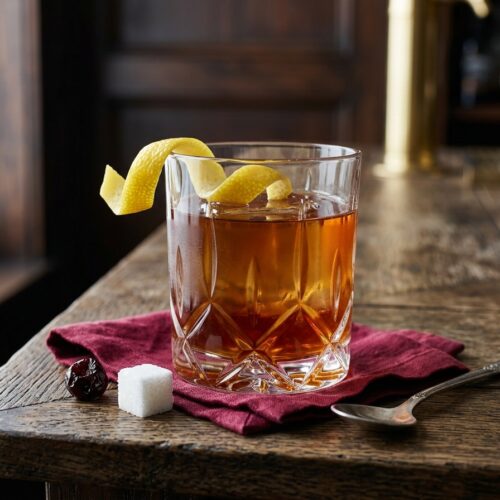
Virgin Sazerac Mocktail
Equipment
- Old Fashioned Glass
- Cocktail Shaker
- Bar Spoon
- Fine mesh strainer
- Measuring Jigger
Ingredients
- 4 oz Strong Black Tea cooled, preferably Earl Grey or English Breakfast
- 1 tsp Pure Vanilla Extract alcohol-free or vanilla bean paste
- 1 oz Natural Apple Juice Concentrate diluted to half strength
- 1/2 tsp Homemade Simple Syrup made with natural honey or maple syrup
- 2 dashes Angostura Bitters alcohol-free version preferred
- 1/4 tsp Anise Extract alcohol-free, or fennel seed tea
- 1 strip Fresh Lemon Peel for expressing oils
- 1 sprig Fresh Thyme optional, for herbal complexity
Instructions
- Brew a strong cup of black tea using 2 tea bags in 6 oz hot water. Steep for 5 minutes, remove bags, and let cool completely. This can be done ahead of time and stored in refrigerator for up to 3 days.
- Prepare homemade simple syrup by combining equal parts water and natural honey or maple syrup in a small saucepan. Heat gently until dissolved, then cool completely.
- Rinse an old fashioned glass with a small amount of anise extract, swirling to coat the sides. Pour out excess - this creates the signature anise aroma without overwhelming the drink.
- In a cocktail shaker filled with ice, combine the cooled tea, vanilla extract, diluted apple juice concentrate, simple syrup, and bitters. Shake vigorously for 10-15 seconds.
- Fine strain the mixture into the prepared glass over one large ice cube or several smaller ones.
- Express the oils from the lemon peel by holding it over the drink and giving it a firm twist. Drop the peel into the glass and garnish with fresh thyme sprig if desired.
Notes
Replace apple juice concentrate with white grape juice concentrate for a lighter flavor, or use strong chamomile tea instead of black tea for a more floral profile. Anise extract can be substituted with a pinch of ground fennel seeds steeped in the tea. SERVING TIPS:
Serve immediately over ice for best flavor. The drink is best enjoyed within 15 minutes of preparation to maintain optimal temperature and carbonation if using sparkling water as a topper. STORAGE:
Tea base can be prepared up to 3 days in advance and stored in refrigerator. Simple syrup keeps for up to 1 month refrigerated in an airtight container. TROUBLESHOOTING:
If the drink tastes too strong, add a splash of sparkling water. If too weak, increase the tea concentration or add an extra dash of bitters. For those sensitive to anise flavor, start with just a few drops of extract and adjust to taste.
Nutritional Insights and Cost-Effective Ingredient Swaps
Smart ingredient choices maximize nutritional value while controlling costs and maintaining authentic flavors. Understanding each component’s contribution helps you make informed substitutions based on dietary needs and budget constraints. Natural alternatives often provide superior taste and nutritional profiles compared to processed options.
Natural Sweetener Alternatives
Pure maple syrup adds mineral content and complex flavors that complement the drink’s herbal elements. Grade A Dark Robust maple syrup provides the most concentrated flavor for mocktail applications. Use approximately 25% less maple syrup than simple syrup due to its higher sweetness intensity.
Raw honey offers antimicrobial properties and trace enzymes that support digestive health. Local honey varieties can introduce subtle floral notes that enhance the overall drinking experience. Dissolve honey completely in warm water before adding to prevent separation in cold preparations.
Stevia extract provides zero-calorie sweetening for families managing sugar intake or diabetic considerations. Start with minimal amounts since stevia’s intensity exceeds traditional sweeteners significantly. Some brands include bitter aftertastes, so quality selection matters for optimal results.
Budget-Friendly Ingredient Tips
Purchase Peychaud’s bitters in larger bottles when available, as they maintain quality indefinitely when properly stored. The cost per serving drops significantly with bulk purchases, making this premium ingredient more accessible. Share larger bottles with friends who enjoy craft beverages to split costs.
Make simple syrup at home using a 1:1 ratio of sugar to water rather than purchasing commercial versions. Homemade syrups cost approximately 70% less than store-bought alternatives while offering superior freshness. Store in sterilized containers for maximum shelf life and safety.
Substitute white grape juice with apple juice during apple season when prices drop significantly. Both juices provide similar sweetness levels and neutral flavor profiles that work well in sazerac preparations. Buy in larger quantities when seasonal sales occur and freeze in ice cube trays for future use.
Conclusion and Serving Recommendations
This sazerac troubleshooting guide provides everything needed to create sophisticated mocktails that honor the original’s legacy. The techniques and ingredient knowledge transfer to other classic cocktail adaptations, expanding your family-friendly beverage repertoire. Practice builds confidence and allows for creative variations that suit individual preferences.
Best Occasions to Serve Your Sazerac Mocktail
Holiday gatherings benefit from the sazerac’s sophisticated presentation and complex flavors that appeal to adult palates. The drink’s elegant appearance makes it perfect for celebratory toasts and special dinner parties. Children feel included with their own “grown-up” beverages that match the adults’ sophistication.
Weekend brunches pair beautifully with the sazerac’s bright citrus notes and herbal complexity. The moderate sweetness complements both savory and sweet brunch dishes without overwhelming delicate flavors. This tamarind margarita mocktail recipe offers another excellent brunch beverage option.
Warm weather entertaining showcases the drink’s refreshing qualities when served over plenty of ice. The anise aromatics provide cooling sensations that make hot days more comfortable. Consider preparing pitcher batches for pool parties or outdoor gatherings.
Encouragement to Experiment with Variations
Confidence grows through experimentation with different juice bases, sweetener combinations, and garnish options. Start with small test batches when trying new variations to avoid waste and disappointment. Keep notes on successful combinations for future reference and sharing with friends.
Regional ingredient availability opens opportunities for unique local adaptations that reflect your area’s specialties. Local fruit juices, honey varieties, or specialty bitters can create signature versions that become family traditions. Seasonal adaptations keep the recipe interesting throughout the year.
Teaching children proper mixing techniques builds their kitchen confidence while creating shared family memories. The non-alcoholic nature makes it safe for young helpers to participate fully in preparation. These skills transfer to other beverage and cooking applications as they grow.
Additional Resources
For more information about cocktail history and techniques, explore these authoritative sources: