Boulevardier Mocktail Secrets for an Easy, Perfect Sip
Discover how to make a delicious boulevardier mocktail with easy ingredients and simple steps. Get the perfect sip every time today.
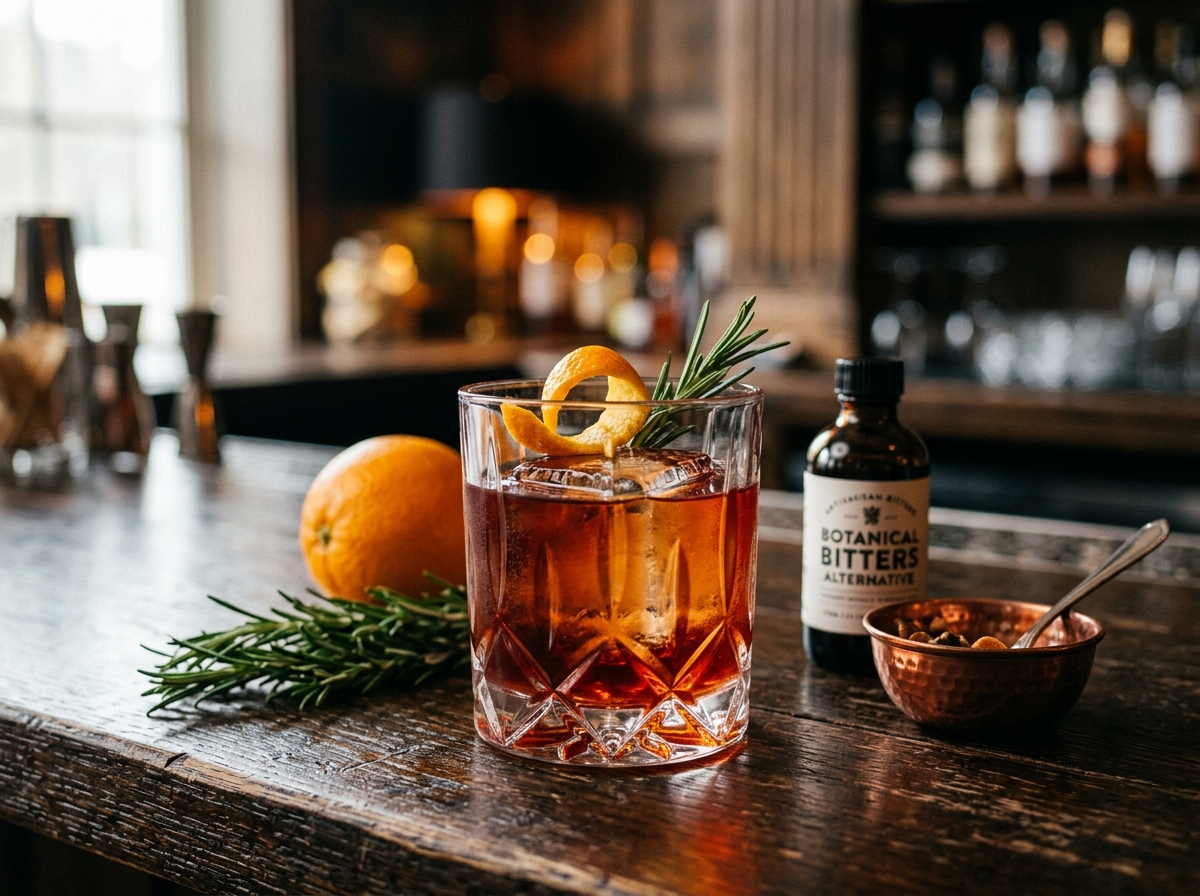
The boulevardier represents a sophisticated balance of bitter, sweet, and citrus notes that transforms any ordinary gathering into an elegant affair. This non-alcoholic version captures all the complexity of the classic cocktail while remaining accessible to everyone at your table. With the right techniques and fresh ingredients, you’ll master this refined mocktail in minutes.
Imagine the aromatic dance of orange zest mingling with herbal bitters as you lift this ruby-colored drink to your lips. The first sip delivers layers of flavor that unfold slowly—earthy depth from quality bitters, bright citrus brightness, and a gentle sweetness that ties everything together. Each element works in harmony to create a drink worthy of the finest establishments.
Introduction to the Boulevardier Mocktail
What is a Boulevardier?
The boulevardier originated in the 1920s as a whiskey-forward variation of the classic Negroni. Created by Erskine Gwynne, an American writer living in Paris, this cocktail traditionally combines bourbon, sweet vermouth, and Campari in equal proportions. The drink earned its name from Gwynne’s literary magazine “Boulevardier,” which celebrated the sophisticated cafe culture of Parisian life.
Unlike its gin-based cousin the Negroni, the boulevardier recipe showcases deeper, more robust flavors through its whiskey foundation. The bourbon adds vanilla and caramel notes that complement rather than compete with the bitter-sweet balance. This creates a more mellow drinking experience that appeals to those who prefer warmer, earthier flavor profiles.
Why Choose a Non-Alcoholic Version?
Crafting a boulevardier mocktail opens this elegant drink to everyone, regardless of their relationship with traditional spirits. The mocktail version maintains the sophisticated flavor complexity while focusing on pure ingredient quality and precise mixing techniques. You’ll discover that removing the traditional components forces creativity and often leads to even more nuanced flavor combinations.
Non-traditional approaches to classic cocktails also allow for experimentation with seasonal ingredients and dietary considerations. Whether you’re hosting guests with varying preferences or simply want to enjoy the ritual of cocktail crafting without the effects, this version delivers full satisfaction. The focus shifts entirely to craftsmanship and ingredient harmony rather than potency.
Essential Boulevardier Ingredients
Core Boulevardier Ingredients
Building an exceptional boulevardier drink requires understanding how each component contributes to the final flavor profile. The traditional trinity consists of a base spirit, sweet vermouth, and bitter liqueur, each serving a specific purpose in the overall balance. In our mocktail adaptation, we’ll recreate these roles using carefully selected alternatives that honor the original intent.
Quality bitters serve as the backbone of any boulevardier preparation, providing the complex herbal notes that define the drink’s character. Orange bitters work particularly well in mocktail versions, delivering citrus brightness without overwhelming the other flavors. Angostura bitters add depth and complexity, while chocolate or walnut bitters can introduce interesting variations for adventurous palates.
Sweet elements balance the bitter components and provide body to the drink. Pure maple syrup offers natural sweetness with subtle vanilla undertones that mirror bourbon’s characteristics. Alternatively, brown sugar syrup or date syrup can provide similar depth while allowing for personal preference adjustments.
Alcohol-Free Alternatives and Substitutions
Creating the whiskey-like base requires ingredients that provide warmth, complexity, and slight spice without traditional spirits. Strong black tea, particularly smoky varieties like Lapsang Souchong, creates an excellent foundation with its robust, earthy character. Cold-brew coffee concentrate adds similar depth while contributing natural oils that enhance mouthfeel.
Apple cider vinegar serves as an excellent vermouth substitute when properly diluted and sweetened. Its natural acidity brightens the drink while adding complexity that traditional sweet vermouth would provide. Start with small amounts and adjust to taste, as the vinegar’s intensity can quickly overpower more delicate flavors.
For the bitter component traditionally filled by Campari, combine orange juice concentrate with a pinch of gentian root powder or additional bitters. This creates the characteristic bitter-sweet balance while maintaining the signature ruby color. Pomegranate juice also works beautifully, adding both color and natural tartness that complements the other elements.
Homemade Boulevardier Syrup Recipe
Creating a custom boulevardier syrup allows for precise flavor control and ensures consistency across multiple drinks. Combine equal parts water and brown sugar in a small saucepan over medium heat, stirring until completely dissolved. Add orange zest, a few drops of vanilla extract (alcohol-free), and a pinch of cinnamon for warmth.
Simmer the mixture gently for 5-10 minutes, allowing the flavors to meld and concentrate slightly. Strain out any solid pieces and cool completely before storing in a clean glass jar. This syrup will keep refrigerated for up to two weeks and provides the perfect sweetener base for multiple boulevardier variations.
Advanced home bartenders can experiment with different sugar types and flavor additions. Demerara sugar adds molasses notes, while coconut sugar provides subtle tropical undertones. Fresh herbs like rosemary or thyme can introduce interesting seasonal variations when infused during the simmering process.
Step-by-Step Mixing Guide
Tools and Glassware Needed
Proper boulevardier preparation requires specific tools that ensure optimal mixing and presentation. A mixing glass or shaker provides the necessary space for combining ingredients while maintaining temperature control. A long bar spoon allows for gentle stirring that preserves delicate flavors without over-aerating the mixture.
Traditional boulevardier glassware centers around the rocks glass, also known as an old-fashioned glass. The wide opening concentrates aromatics near the nose while the heavy base provides stability and elegance. Choose glasses with thick bottoms that can handle ice without cracking and hold approximately 6-8 ounces comfortably.
A fine-mesh strainer becomes essential when working with fresh citrus or herbal infusions that might contain pulp or small particles. Quality ice makes a significant difference in both dilution rate and final temperature, so consider investing in larger cube molds that melt more slowly than standard ice.
Mixing Techniques Explained
The boulevardier ingredients respond best to gentle stirring rather than aggressive shaking, which can bruise delicate flavors and create unwanted cloudiness. Add all liquid ingredients to your mixing glass first, then fill with ice to about three-quarters full. Stir in a smooth, circular motion for 15-20 seconds to achieve proper dilution and chilling.
Temperature control plays a crucial role in the final taste profile, as overly warm drinks fail to properly integrate their components. The ideal serving temperature sits around 40-45°F, cold enough to be refreshing but not so cold that flavors become muted. Monitor the mixing time carefully, as over-stirring can lead to excessive dilution.
Proper technique involves lifting the spoon slightly during stirring to create a gentle vortex that incorporates ingredients without excessive agitation. This method preserves the drink’s clarity while ensuring even mixing throughout. Practice this motion until it becomes second nature, as consistent technique leads to consistent results.
Ice Recommendations
Ice quality dramatically impacts both the mixing process and final presentation of your boulevardier mocktail. Large format ice cubes, typically 1.5-2 inches square, provide the ideal balance of cooling power and slow dilution rate. These cubes maintain their shape longer and create less surface area for rapid melting.
For mixing, standard cubes work perfectly as they provide adequate surface area for efficient heat transfer during the stirring process. Avoid using crushed ice or small cubes for mixing, as these melt too quickly and can over-dilute the drink before proper integration occurs. Fresh ice should always be used for serving, even if different ice was used for mixing.
Consider freezing ice in filtered water to eliminate any off-flavors that might compete with your carefully balanced ingredients. Some enthusiasts freeze ice with a small amount of the boulevardier syrup incorporated, creating flavored cubes that enhance rather than dilute the drink as they melt.
Straining and Serving Tips
Proper straining technique ensures a clean, professional presentation while removing any ice chips or ingredient particles. Hold the strainer firmly against the mixing glass rim and pour in a smooth, steady motion to avoid splashing. The liquid should flow in a controlled stream directly into the center of the serving glass.
Timing becomes critical during the straining and serving process, as the drink continues to warm and dilute even after mixing is complete. Work efficiently but carefully to maintain the optimal temperature achieved during mixing. Have your serving glass pre-chilled in the freezer for 10-15 minutes before use to extend the drink’s optimal serving window.
Consider the visual presentation during serving by ensuring the liquid sits at an appropriate level in the glass. The boulevardier preparation should fill about two-thirds of a rocks glass, leaving room for garnish and preventing overflow when adding the final ice cube for serving.
Boulevardier Garnish and Presentation
Classic and Creative Garnish Ideas
The classic boulevardier garnish features an orange twist, created by expressing the oils from fresh orange peel directly over the drink’s surface. This technique releases aromatic compounds that enhance the drinking experience before the liquid ever touches your lips. Use a sharp paring knife to cut a 2-inch strip of peel, avoiding the bitter white pith underneath.
Creative garnish variations can transform the drink’s character while maintaining its sophisticated appeal. Candied orange peel adds visual drama and complementary sweetness, while fresh rosemary sprigs introduce herbal aromatics that pair beautifully with the drink’s earthy notes. A single large ice sphere creates an impressive presentation while melting slowly to preserve flavor concentration.
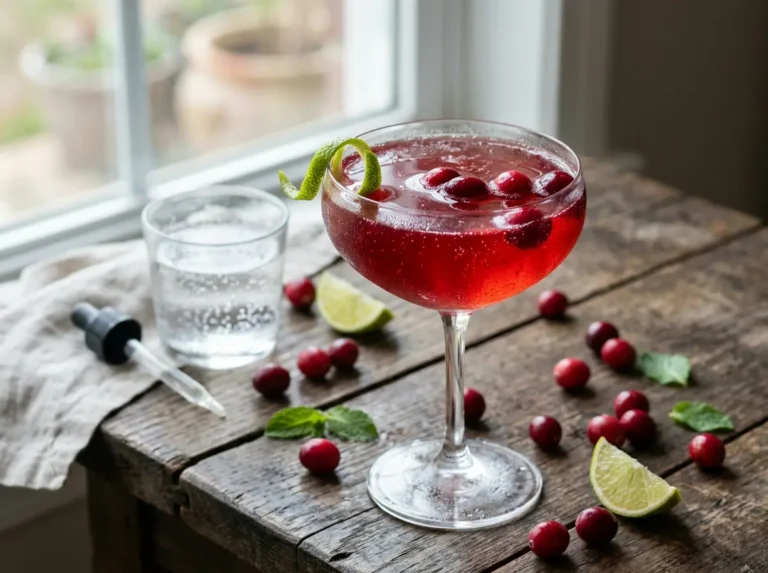
Seasonal adaptations might include cinnamon sticks during fall months or fresh cranberries for winter celebrations. Edible flowers like violets or pansies create stunning visual impact for special occasions. Always consider how the garnish will interact with the drink’s flavor profile rather than choosing based purely on aesthetics.
Seasonal Variations
Spring boulevardier variations can incorporate fresh herbs like mint or basil, which complement the drink’s botanical elements while adding bright, green notes. Muddle a few leaves gently in the bottom of the glass before adding the mixed drink, or use herb sprigs as aromatic garnishes that release fragrance with each sip.
Summer adaptations might include fresh berries or stone fruit elements that add natural sweetness and seasonal appeal. Grilled peach slices or blackberry skewers create impressive presentations while contributing complementary flavors. Consider freezing berries into ice cubes for a dramatic color-changing effect as they melt.
Winter presentations can embrace warming spices like star anise, cardamom pods, or cinnamon bark as both garnish and subtle flavor enhancers. These elements work particularly well when the drink is served slightly less chilled during colder months. Dried orange wheels or dehydrated citrus create shelf-stable garnish options that maintain their visual impact.
Boulevardier Storage and Batch Preparation
How to Store Boulevardier Mocktail
Individual boulevardier storage requires attention to ingredient stability and flavor preservation over time. Mixed drinks without traditional spirits can be stored refrigerated for up to 24 hours in sealed glass containers, though optimal flavor occurs within the first few hours of preparation. Avoid storing drinks with ice, as continued dilution will throw off the carefully balanced proportions.
Component storage offers more flexibility and better results than pre-mixed drinks. Keep homemade syrups refrigerated in clean glass jars for up to two weeks, while fresh citrus elements should be prepared daily for optimal flavor and aroma. Bitters maintain their potency indefinitely when stored in cool, dark conditions away from direct sunlight.
For optimal results, prepare base mixtures without citrus elements, which can be added fresh at serving time. This approach maintains bright, vibrant flavors while allowing for advance preparation convenience. Label all stored components with preparation dates to ensure freshness and food safety.
Making Large Batches for Gatherings
Batch boulevardier preparation allows hosts to focus on guests rather than individual drink mixing during events. Calculate ingredients based on the number of expected servings, then mix everything except ice and garnish in a large pitcher or dispenser. Plan for approximately 4-5 ounces of mixed drink per serving, plus additional volume for ice dilution.
Large batch mixing requires different proportions than individual drinks due to reduced dilution from ice during the mixing process. Reduce the base liquid components by approximately 15-20% and add measured amounts of water to compensate for the missing dilution. This ensures consistency between batched and individually prepared drinks.
Presentation becomes crucial for large batches, as guests will serve themselves rather than receiving individually crafted drinks. Provide appropriate glassware, fresh ice, and pre-prepared garnishes in separate containers. Consider creating simple instruction cards that guide guests through proper serving techniques and garnish application.
Flavor Profiles and Pairings
Comparing Boulevardier to Negroni
The boulevardier ingredients create a distinctly different flavor profile compared to the classic Negroni mocktail, despite sharing similar structural components. Where the Negroni emphasizes bright, botanical gin notes, the boulevardier focuses on warmer, more mellow flavors that provide greater depth and complexity. This makes it particularly appealing to those who find traditional Negronis too sharp or aggressive.
Texture differences also distinguish these two classic cocktails, with the boulevardier offering a fuller, richer mouthfeel due to its traditional whiskey base components. Our mocktail version maintains this characteristic through careful ingredient selection that mimics bourbon’s natural oils and weight. The overall drinking experience feels more substantial and warming compared to the Negroni’s bright, refreshing character.
Seasonal preferences often determine which drink appeals more to individual palates, with boulevardiers performing exceptionally well during cooler months when their warming qualities provide additional comfort. The Sazerac shares some similar warming characteristics, making it another excellent option for whiskey-style mocktail enthusiasts.
Perfect Food Pairings
The boulevardier’s complex flavor profile pairs beautifully with rich, savory foods that can stand up to its assertive character. Aged cheeses, particularly those with nutty or caramel notes, create harmonious combinations that enhance both the drink and food elements. Dark chocolate desserts provide complementary bitterness while adding luxurious texture contrasts.
Grilled or roasted meats work exceptionally well with the drink’s earthy, robust flavors, particularly when prepared with herbs or spices that echo the boulevardier’s botanical elements. The drink’s natural acidity helps cut through rich, fatty foods while its sweetness complements caramelized surfaces from proper cooking techniques.
Lighter pairings might include spiced nuts, charcuterie selections, or herb-crusted breads that provide textural interest without overwhelming the drink’s nuanced flavors. Consider the overall meal progression when serving, as the boulevardier works best as an aperitif or with appetizer courses rather than competing with delicate final courses.
Conclusion and Enjoyment Tips
Mastering the boulevardier mocktail opens doors to sophisticated entertaining and personal enjoyment that transcends traditional beverage boundaries. The key lies in respecting the classic proportions while embracing creative substitutions that honor the original spirit. Quality ingredients and careful technique will always produce superior results compared to shortcuts or compromises.
Experimentation becomes part of the journey, as personal taste preferences and seasonal availability create opportunities for unique variations. Keep detailed notes about successful modifications and ingredient sources to ensure reproducible results. Share discoveries with fellow enthusiasts, as the mocktail community thrives on collaboration and shared knowledge.
Remember that the boulevardier experience extends beyond the liquid itself to encompass the ritual of preparation, the quality of ingredients, and the company with whom you share the results. Like the tamarind margarita mocktail, this drink celebrates craftsmanship and creativity while remaining accessible to everyone at your table.
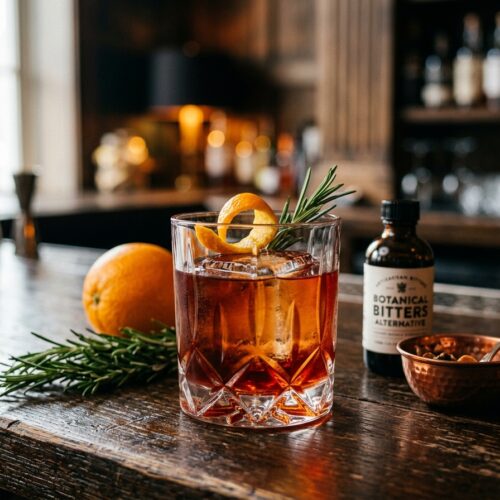
Virgin Boulevardier Mocktail
Equipment
- Cocktail Shaker
- Jigger or Measuring Cups
- Fine mesh strainer
- Rocks Glass
- Bar Spoon
- Citrus Peeler or Sharp Knife
Ingredients
- 2 oz Strong Black Tea cooled to room temperature, preferably Earl Grey or English Breakfast
- 1 oz Tart Cherry Juice 100% pure, no added sugar
- 0.5 oz Homemade Simple Syrup or maple syrup for deeper flavor
- 3 dashes Angostura Bitters alcohol-free version if preferred
- 2 oz Sparkling Water chilled, for topping
- 1 Orange Peel large strip, for expressing oils
- 2 Fresh Thyme Sprigs optional, for aromatic garnish
- 1 cup Ice Cubes large cubes preferred for slower dilution
Instructions
- Brew strong black tea using 2 tea bags in 4 oz hot water. Steep for 5 minutes, remove bags, and let cool to room temperature. This can be done hours ahead and refrigerated.
- Fill your rocks glass with large ice cubes, leaving about 1/2 inch from the rim. The larger the ice, the slower it melts and dilutes your drink.
- In your cocktail shaker, combine the cooled black tea, tart cherry juice, and simple syrup. Add 3-4 ice cubes to the shaker.
- Shake vigorously for 10-15 seconds until the outside of the shaker feels cold. This ensures proper mixing and slight dilution for balance.
- Using your fine mesh strainer, double-strain the mixture over the ice-filled rocks glass to remove any tea particles or ice chips.
- Add 3 dashes of Angostura bitters directly on top. Use a bar spoon to gently stir 2-3 times, creating a beautiful marbled effect.
- Top with chilled sparkling water, pouring slowly down the side of the glass to preserve carbonation and create a gentle fizz.
- Express the orange peel by holding it skin-side down over the drink and giving it a firm twist to release the citrus oils. You should see a light mist of oils hitting the surface.
- Drop the expressed orange peel into the drink and add a fresh thyme sprig if using. Gently stir once more and serve immediately with a cocktail napkin.
Notes
Replace tart cherry juice with pomegranate juice for a different flavor profile, or use grape juice mixed with a splash of apple cider vinegar for tartness. Simple syrup can be substituted with honey syrup (1:1 honey to warm water) or agave nectar. VISUAL DONENESS CUES:
The finished mocktail should have a beautiful deep amber-red color with a slight foam on top from the sparkling water. The bitters should create attractive swirls throughout the drink when properly stirred. SERVING SUGGESTIONS:
Serve alongside charcuterie boards, dark chocolate, or roasted nuts. This sophisticated mocktail pairs beautifully with evening appetizers and makes an excellent dinner party alternative to alcoholic cocktails. STORAGE:
The tea base can be prepared up to 2 days ahead and stored in the refrigerator. The complete mocktail is best enjoyed immediately after preparation to maintain carbonation and optimal flavor balance.
Nutrition Highlights (Per Serving – Approximate)
Understanding your food’s composition is key to balanced eating. Here is an approximate nutritional breakdown calculated for a standard serving based on wholesome preparation guidelines:
Culinary Selection Notes
- Adjusting sweetener densities or using refined-sugar alternatives will directly optimize the overall glycemic load without breaking structural balance.
- Focusing on high-quality whole fats maximizes trace micronutrient retention across low-temperature or baking environments.