Whiskey Sour Recipe: 5 Easy Steps to Perfect Homemade Mix
Make a smooth and balanced whiskey sour recipe in 5 easy steps with fresh lemon juice and simple syrup. Get the recipe and enjoy today.
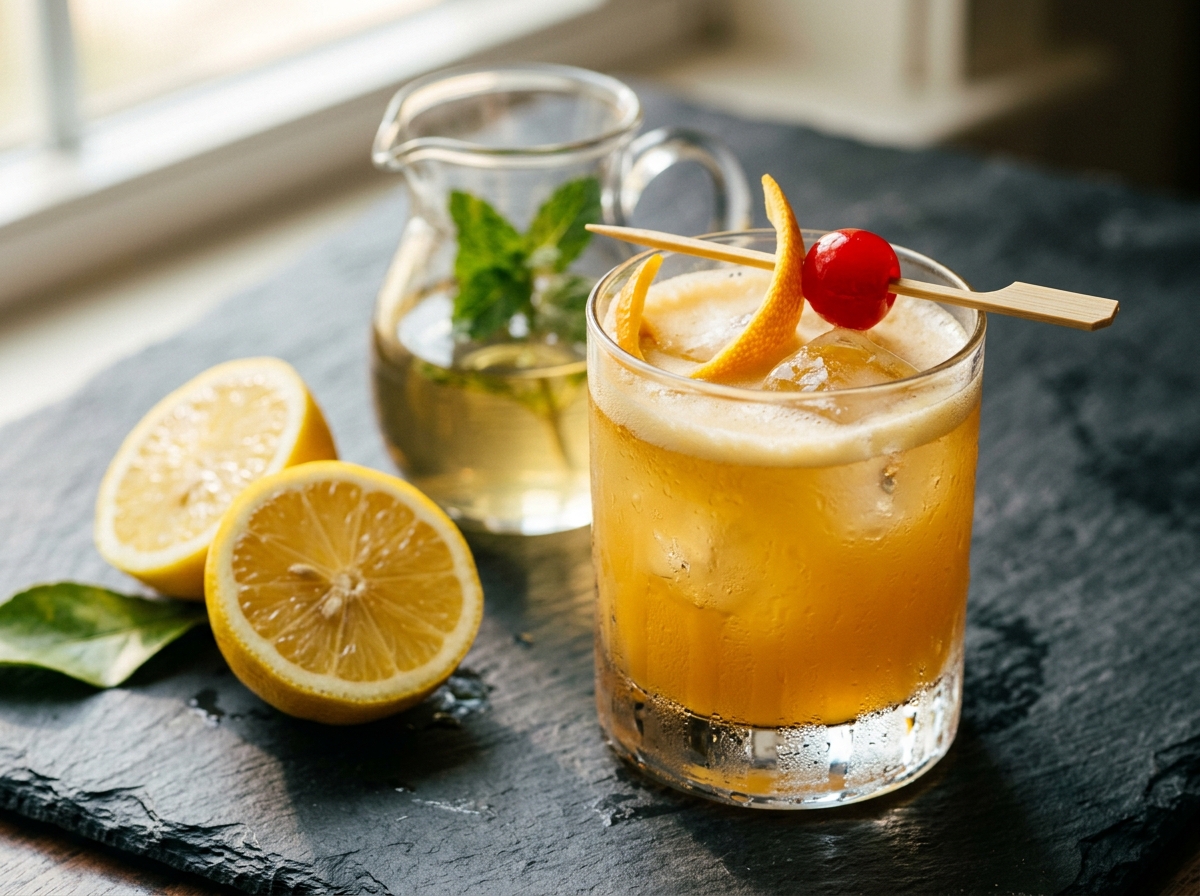
This non-alcoholic whiskey sour recipe mocktail delivers all the complex flavors and satisfying foam of the classic drink without any alcohol. Using natural whiskey flavoring alternatives and fresh ingredients, you’ll create a sophisticated mocktail that’s perfect for any occasion.
The key to achieving that signature tangy-sweet balance lies in the homemade sour mix and proper foaming technique. Our recipe uses aquafaba as an egg white alternative, creating that luxurious foam topping that makes this mocktail truly special.
Introduction to Non-Alcoholic Whiskey Sour recipe Mocktail
What is a Non-Alcoholic Whiskey Sour?
A non-alcoholic whiskey sour mocktail captures the essence of the classic drink through carefully selected flavor components. The traditional drink’s characteristic smoky, oaky notes are replicated using natural extracts and aromatics. This mocktail maintains the signature tart-sweet balance that makes the original so beloved.
The beauty of this alcohol-free version lies in its accessibility and sophisticated flavor profile. Unlike simple fruit punches, this mocktail offers complexity through layered ingredients. The result is a drink that satisfies both casual sippers and discerning palates.
Key Mocktail Ingredients and Their Roles
Fresh lemon juice forms the backbone of any quality sour mix, providing essential acidity and brightness. The juice should be squeezed just before use to maintain maximum vitamin content and flavor intensity. Bottled lemon juice lacks the aromatic oils found in fresh citrus.
Natural whiskey flavoring or vanilla extract with a touch of liquid smoke creates the signature base notes. These ingredients work together to simulate the complex flavor profile traditionally provided by aged spirits. Food-grade liquid smoke adds depth without overwhelming the citrus elements.
Simple syrup balances the tartness while allowing customization of sweetness levels. Making syrup at home ensures you control both sugar content and flavor additions. Some recipes benefit from honey or maple syrup alternatives for added complexity.
Step-by-Step Guide to Making Non-Alcoholic Whiskey Sour
Preparing the Homemade Sour Mix
Combine equal parts fresh lemon juice and simple syrup in a measuring cup. The standard ratio is 1:1, but you can adjust based on your tartness preference. Always taste and adjust before proceeding to the next step.
Add natural whiskey flavoring or vanilla extract according to package directions. Start with less than recommended and build up to avoid overpowering the citrus. A few drops of liquid smoke can enhance the smoky character if desired.
Proper Shaking Techniques for Balanced Foam
Fill your cocktail shaker with ice, leaving room for vigorous movement. Add your prepared sour mix and any foam-creating agent. The ice should fill roughly two-thirds of the shaker volume.
Shake vigorously for 15-20 seconds to achieve proper dilution and temperature. The shaking action incorporates air and creates the foundation for foam development. Listen for the ice movement to gauge shaking effectiveness.
Double strain through both a coarse strainer and fine mesh to remove ice chips. This technique ensures a smooth texture in your final mocktail. The straining process also helps incorporate the foam elements.
Using Aquafaba or Alternatives for Foam
Aquafaba, the liquid from canned chickpeas, creates excellent foam without any animal products. Use approximately 1 tablespoon per serving for optimal foam production. The natural proteins in aquafaba trap air bubbles effectively.
Alternative foam creators include commercial foam bitters or cream of tartar mixed with water. Each option produces slightly different foam characteristics and stability. Experiment to find your preferred texture and appearance.
For best results, add the foaming agent during the initial shake rather than after straining. This allows maximum air incorporation and foam development. The foam should hold its shape for several minutes when properly created.
Straining and Serving Suggestions
Pour the strained mocktail into your chosen glass, leaving space for foam to settle. The liquid should fill roughly three-quarters of the glass volume. This proportion allows the foam to create an attractive visual contrast.
Top with the collected foam using a bar spoon or small ladle. The foam layer should be approximately half an inch thick for optimal presentation. Gentle pouring preserves the foam structure and creates clean layers.
Tips and Variations
Garnish Ideas Beyond Lemon Wheels
Fresh cherry garnishes add color and complement the mocktail’s flavor profile beautifully. Use maraschino cherries or fresh sweet cherries depending on availability. The fruit provides a pleasant contrast to the tart citrus base.
Orange peel twists contribute aromatic oils when expressed over the drink’s surface. The citrus oils enhance the overall sensory experience without altering the base flavor significantly. Twist the peel directly over the glass for maximum impact.
Consider herb garnishes like fresh thyme or rosemary for sophisticated presentations. These additions introduce subtle aromatic notes that complement the smoky undertones. Lightly bruise herbs before garnishing to release their essential oils.
Glassware Choices for Presentation
Rocks glasses or old-fashioned glasses provide the traditional serving vessel for sour-style drinks. The wide opening showcases the foam layer effectively while allowing easy garnish placement. Choose glasses with thick bottoms for temperature retention.
Coupe glasses offer an elegant alternative that highlights the foam beautifully. The shallow bowl concentrates aromas near the rim, enhancing the drinking experience. This glassware choice works particularly well for special occasions.
Seasonal and Natural Ingredient Variations
Summer variations might include fresh berry purees or seasonal fruit additions. Muddled strawberries or blackberries create colorful and flavorful alternatives. These additions complement the base recipe without overwhelming the sour character.
Winter spice additions like cinnamon simple syrup or vanilla bean paste enhance warmth and comfort. These ingredients pair naturally with the smoky flavor profile. Start with small amounts and adjust to taste preference.
Herbal variations using lavender, basil, or mint create unique flavor profiles for adventurous palates. These ingredients should be used sparingly to avoid overpowering the base mocktail. Consider making flavored simple syrups for consistent results.
Make-Ahead and Batch Serving Tips
Storage Instructions and Timeline
Pre-made sour mix can be stored in the refrigerator for up to one week when properly sealed. Glass containers preserve flavor better than plastic alternatives. Label containers with preparation dates for food safety tracking.
Batch preparation works well for parties by mixing larger quantities of the base ingredients. Multiply recipe proportions accordingly, but add foaming agents individually per serving. This approach maintains foam quality while streamlining preparation.
Ice should always be added fresh when serving, never pre-mixed with the base ingredients. Pre-dilution affects both flavor concentration and temperature control. Prepare garnishes in advance but add them just before serving.
Troubleshooting Common Issues
Weak foam often results from insufficient shaking time or old aquafaba. Fresh chickpea liquid produces better foam than liquid that’s been opened for several days. Increase shaking time to 25-30 seconds if foam seems insufficient.
Overly tart mocktails can be balanced by adding small amounts of simple syrup after preparation. Taste adjustments should be made gradually to avoid over-sweetening. Consider the garnish’s contribution to overall sweetness as well.
Separation issues typically indicate insufficient emulsification during shaking. Ensure all ingredients are properly combined before adding ice. Double-check that your shaking technique incorporates sufficient air and movement.
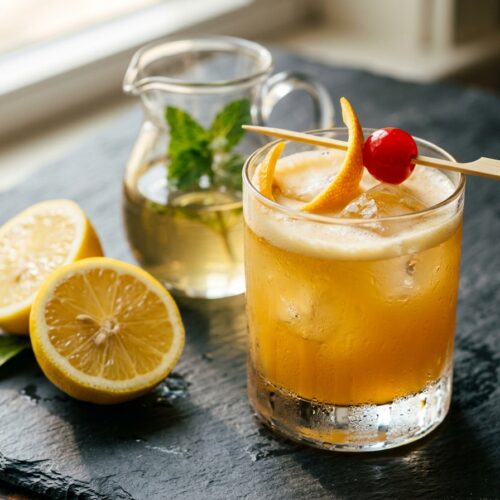
Virgin Whiskey Sour
Equipment
- Cocktail Shaker
- Fine mesh strainer
- Jigger or Measuring Cup
- Rocks Glass
- Bar Spoon
Ingredients
- 2 oz Apple Cider Vinegar diluted with 4 oz water as whiskey alternative
- 1 oz Fresh Lemon Juice about 1/2 large lemon, strained
- 3/4 oz Honey Syrup 2 parts honey mixed with 1 part warm water
- 1 Pasteurized Egg White for foam and texture
- 2 dashes Angostura Bitters halal-certified, optional
- 1 cup Ice Cubes for shaking and serving
- 1 Fresh Lemon Wheel for garnish
- 1 sprig Fresh Thyme for aromatic garnish
Instructions
- Prepare honey syrup by mixing 2 tablespoons honey with 1 tablespoon warm water until fully dissolved. Set aside to cool.
- Add diluted apple cider vinegar, fresh lemon juice, honey syrup, and pasteurized egg white to cocktail shaker without ice.
- Perform a dry shake (without ice) vigorously for 15-20 seconds to create initial foam structure.
- Add ice cubes to shaker and shake vigorously again for another 15-20 seconds until well-chilled and foamy.
- Double strain through fine-mesh strainer into rocks glass filled with fresh ice.
- Add 2 dashes of halal-certified Angostura bitters on top of foam, if using.
- Garnish with fresh lemon wheel and thyme sprig. Serve immediately while foam is at its peak.
Notes
Use only pasteurized egg whites to eliminate salmonella risk, especially important for children, pregnant women, elderly, and immunocompromised individuals. SHAKING TECHNIQUE:
The double-shake method (dry shake first, then with ice) is crucial for achieving proper foam texture. Insufficient shaking results in weak foam that dissipates quickly. STORAGE:
Best consumed immediately for optimal foam and temperature. Honey syrup can be prepared up to 1 week ahead and stored refrigerated. TROUBLESHOoting:
If foam doesn't form properly, ensure egg white is fresh and room temperature before shaking. Shake more vigorously if needed.
Nutrition Highlights (Per Serving – Approximate)
Understanding your food’s composition is key to balanced eating. Here is an approximate nutritional breakdown calculated for a standard serving based on wholesome preparation guidelines:
Culinary Selection Notes
- Adjusting sweetener densities or using refined-sugar alternatives will directly optimize the overall glycemic load without breaking structural balance.
- Focusing on high-quality whole fats maximizes trace micronutrient retention across low-temperature or baking environments.
Conclusion
Recap of Why This Non-Alcoholic Whiskey Sour Stands Out
This mocktail recipe succeeds by focusing on authentic flavor recreation rather than simple substitution. The careful balance of tartness, sweetness, and smoky undertones creates a sophisticated drinking experience. Each component serves a specific purpose in building the overall flavor profile.
The foam element elevates this mocktail from simple mixed drink to restaurant-quality presentation. Using aquafaba ensures consistent results while maintaining dietary inclusivity. Professional techniques make the difference between good and exceptional mocktails.
Encouragement to Try and Experiment
Start with the basic recipe and adjust according to your taste preferences and seasonal ingredient availability. The foundation is solid enough to support creative variations and personal touches. Keep notes on successful modifications for future reference.
Share this mocktail with friends and family to gather feedback and inspiration for new variations. The social aspect of crafting drinks enhances the overall experience beyond just the flavors. Consider hosting mocktail-making sessions to explore different techniques together.