Chocolate Buttercream Frosting: 5 Secrets for Fluffy Perfection
Learn how to make fluffy, creamy chocolate buttercream frosting in just 5 easy steps. Perfect your frosting texture and flavor today. Try it now!
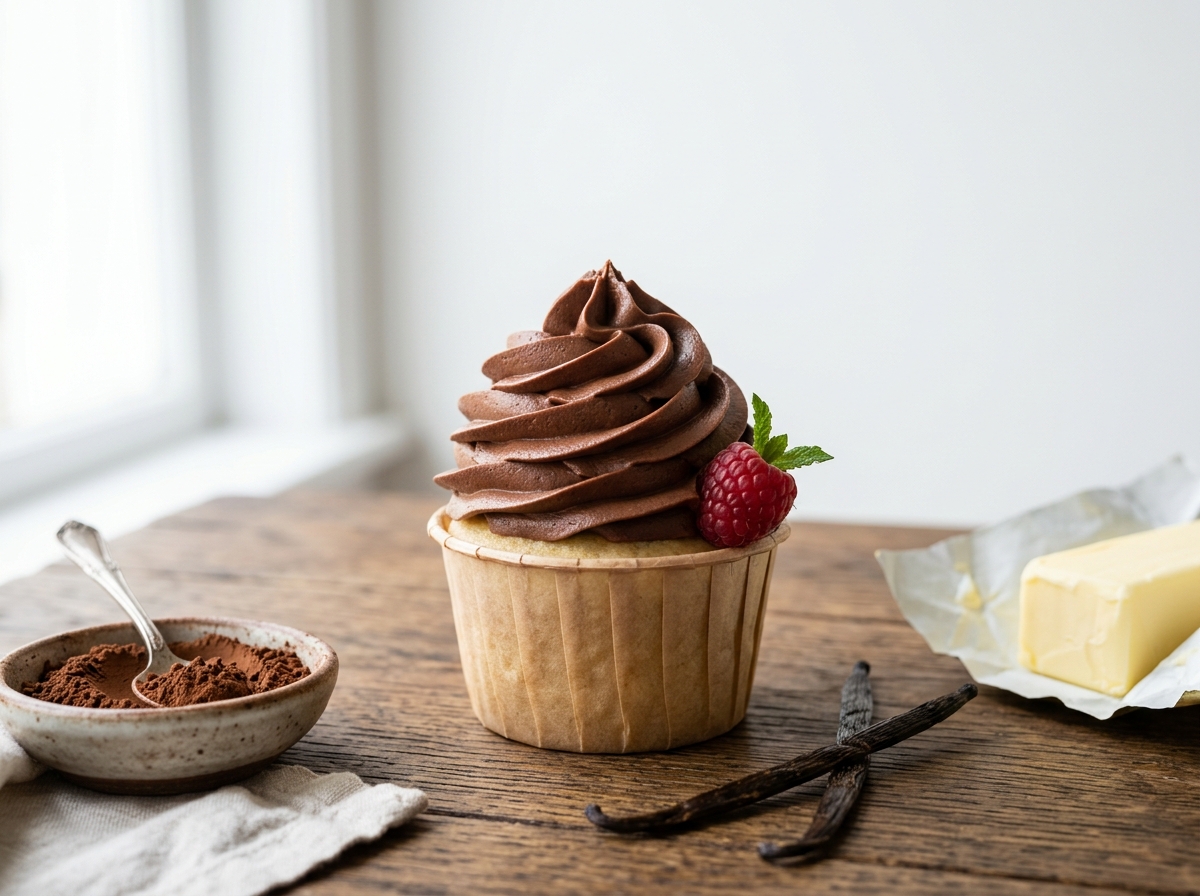
There’s nothing quite like the velvety richness of homemade chocolate buttercream frosting to transform ordinary desserts into extraordinary treats. This creamy, decadent frosting combines the deep flavor of cocoa with the smooth luxury of butter for a perfect balance that melts beautifully on your tongue. Whether you’re frosting cupcakes for a birthday party or creating an elegant layer cake, mastering this essential technique will elevate your baking game significantly.
The secret to achieving that perfect fluffy texture lies in understanding the science behind each ingredient and the precise techniques that create air incorporation. When done correctly, this easy chocolate buttercream frosting becomes incredibly smooth, holds its shape for piping, and delivers an intense chocolate flavor that isn’t overly sweet. The result is a professional-quality frosting that rivals any bakery creation.
Introduction to Chocolate Buttercream Frosting
Chocolate buttercream frosting stands as one of the most versatile and beloved frostings in the baking world. Unlike cream cheese frostings that require refrigeration or whipped cream toppings that deflate quickly, this rich chocolate buttercream frosting maintains its structure at room temperature while delivering exceptional flavor depth. The combination of butter, powdered sugar, and cocoa creates a stable emulsion that can be piped into intricate designs or spread smoothly across cake layers.
What sets the best chocolate buttercream frosting apart from store-bought alternatives is the quality of ingredients and the careful attention to mixing techniques. Commercial frostings often contain stabilizers and artificial flavors that create an overly sweet, artificial taste. Homemade versions allow you to control the sweetness level, chocolate intensity, and texture according to your preferences.
The Science Behind Perfect Texture
The magic of fluffy chocolate buttercream frosting lies in the proper incorporation of air during the mixing process. When butter is creamed at the correct temperature and speed, it traps tiny air bubbles that give the frosting its light, airy texture. Adding powdered sugar gradually allows these air pockets to expand without breaking the emulsion.
Temperature plays a crucial role in achieving success. Butter that’s too cold won’t cream properly, while butter that’s too warm will create a greasy, unstable mixture. The ideal butter temperature is around 65-68°F, where it yields slightly to pressure but still holds its shape.
Ingredients and Their Roles
Understanding each ingredient’s function in creamy chocolate buttercream frosting helps you make informed substitutions and troubleshoot issues effectively. Every component serves a specific purpose in creating the final texture, flavor, and stability of your frosting. Quality ingredients make a noticeable difference in both taste and performance.
Choosing the Right Cocoa Powder: Natural vs Dutch-process
The type of cocoa powder you select dramatically impacts your chocolate frosting recipe’s final flavor profile and color. Natural cocoa powder offers a more acidic, fruity chocolate taste with a lighter brown color, while Dutch-process cocoa provides a deeper, more mellow flavor with a darker appearance. For most chocolate buttercream applications, Dutch-process cocoa creates a more luxurious, bakery-style result.
Sifting cocoa powder before incorporating it prevents lumps and ensures even distribution throughout the frosting. Even high-quality cocoa can clump during storage, and these lumps won’t dissolve completely during mixing. A fine-mesh strainer or flour sifter eliminates this common texture issue.
Butter and Cream Alternatives for Dietary Needs
Traditional butter provides the richness and stability that makes chocolate buttercream for cupcakes so appealing. European-style butter with higher fat content (82-84%) creates an even richer, more stable frosting than standard American butter. The additional fat content helps the frosting hold its shape better in warm conditions.
For those requiring dairy-free options, high-quality vegan butter substitutes can produce excellent results. Look for brands that contain similar fat percentages to dairy butter and avoid those with high water content, which can make the frosting unstable.
Heavy cream or milk serves to adjust consistency and add smoothness. Start with minimal amounts since you can always add more, but removing excess liquid is much more difficult once incorporated.
Sweeteners: Powdered Sugar and Natural Alternatives
Powdered sugar provides both sweetness and structure to your frosting while contributing to its smooth texture. The cornstarch in commercial powdered sugar acts as a stabilizer, helping prevent separation. Always sift powdered sugar to eliminate lumps that can create gritty textures in the finished frosting.
Natural alternatives like coconut sugar powder or monk fruit sweetener can replace traditional powdered sugar for health-conscious bakers. These alternatives may require slight recipe adjustments since they don’t always behave identically to conventional powdered sugar in terms of texture and sweetness intensity.
Step-by-Step Chocolate Buttercream Frosting Recipe
Preparing the Ingredients
Proper ingredient preparation sets the foundation for success with your homemade chocolate buttercream. Remove butter from refrigeration 1-2 hours before beginning, depending on your kitchen temperature. The butter should yield to gentle pressure but not be soft enough to leave fingerprints easily.
Sift both the cocoa powder and powdered sugar into separate bowls to eliminate lumps. This step seems tedious but prevents texture issues that are difficult to correct later. Measure your cream or milk into a small cup so you can add it gradually during mixing.
Mixing Techniques for Fluffy, Smooth Frosting
Begin by creaming the butter alone using an electric mixer on medium speed for 2-3 minutes until it becomes pale and fluffy. This initial creaming incorporates air that creates the light texture characteristic of the best chocolate buttercream frosting. Scrape down bowl sides frequently to ensure even mixing.
Add cocoa powder next, mixing on low speed until just combined to prevent cocoa dust from flying everywhere. Once incorporated, return to medium speed and beat for another minute to fully blend the chocolate flavor throughout the butter base.
Alternate adding powdered sugar and cream in small increments. Add about one-third of the sifted powdered sugar, mix until combined, then add a tablespoon of cream. Continue this process, adjusting liquid amounts based on your desired consistency for piping or spreading.
Adjusting Consistency for Piping and Spreading
The final texture should hold its shape when piped but spread smoothly when applied with an offset spatula. If your frosting seems too thick, add cream one teaspoon at a time until you reach the desired consistency. For frosting that’s too thin, gradually add more sifted powdered sugar.
Beat the finished frosting on high speed for 2-3 minutes to maximize fluffiness and ensure all ingredients are perfectly incorporated. This final beating creates the smooth, professional appearance that makes homemade frosting superior to store-bought versions.
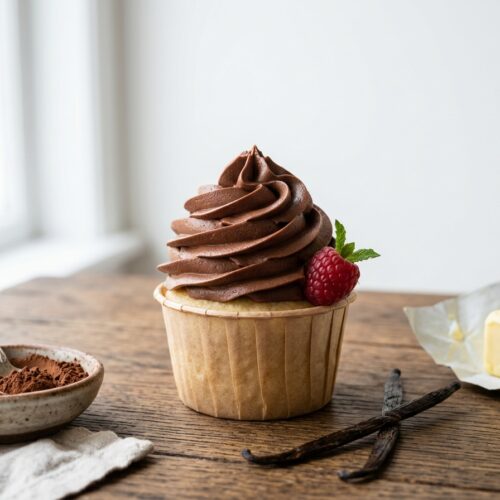
Perfect Chocolate Buttercream Frosting
Equipment
- Stand Mixer or Hand Mixer
- Large mixing bowl
- Fine-Mesh Sieve
- Rubber Spatula
- Kitchen Scale (for metric measurements)
- Measuring cups and spoons
Ingredients
- 1 cup Unsalted Butter 226g, room temperature, organic preferred
- 3-4 cups Powdered Sugar 360-480g, sifted, or coconut sugar powder for healthier option
- 3/4 cup Natural Cocoa Powder 75g, unsweetened (Dutch-process creates smoother flavor but natural works perfectly)
- 1/4 cup Heavy Cream 60ml, or plant-based alternative like coconut cream or oat cream
- 2 teaspoons Pure Vanilla Extract 10ml, organic preferred
- 1/4 teaspoon Salt fine sea salt enhances chocolate flavor
Instructions
- Sift the cocoa powder and powdered sugar together through a fine-mesh sieve into a bowl. This prevents lumps and ensures ultra-smooth frosting.
- In a large mixing bowl, beat room temperature butter with mixer on medium speed for 2-3 minutes until light and fluffy. The butter should look pale and increase in volume.
- Reduce mixer speed to low. Gradually add the sifted cocoa-sugar mixture, one cup at a time, beating well after each addition to prevent a powdered sugar cloud.
- Add vanilla extract and salt. Beat on medium speed for 1 minute to incorporate fully.
- With mixer on low speed, slowly drizzle in the cream (or plant-based alternative). Increase speed to medium-high and beat for 2-3 minutes until frosting is light, fluffy, and pipeable.
- Stop mixer and scrape bowl sides. Beat for an additional 30 seconds. The frosting should hold its shape when piped but spread smoothly when applied with an offset spatula.
Notes
Perfect buttercream should hold stiff peaks when piped but spread smoothly when applied. If too thick, add cream 1 tablespoon at a time. If too thin, add more sifted powdered sugar 1/4 cup at a time. COCOA POWDER COMPARISON:
Natural cocoa powder provides tangy chocolate flavor and lighter color. Dutch-process cocoa creates deeper, mellower chocolate taste and darker appearance. Both work excellently in this recipe. STORAGE:
Store covered at room temperature for up to 3 days, refrigerate for up to 1 week, or freeze for up to 3 months. Bring to room temperature and re-whip before using if refrigerated or frozen. TROUBLESHOoting:
If frosting appears curdled, the butter may be too cold or warm. Let it come to proper room temperature (68-72°F) and re-whip. If grainy, ensure powdered sugar was properly sifted before adding.
Nutrition Highlights (Per Serving – Approximate)
Understanding your food’s composition is key to balanced eating. Here is an approximate nutritional breakdown calculated for a standard serving based on wholesome preparation guidelines:
Culinary Selection Notes
- Adjusting sweetener densities or using refined-sugar alternatives will directly optimize the overall glycemic load without breaking structural balance.
- Focusing on high-quality whole fats maximizes trace micronutrient retention across low-temperature or baking environments.
Tips for Perfect Chocolate Buttercream Frosting
Troubleshooting Common Issues
Grainy texture typically results from insufficiently sifted powdered sugar or cocoa powder. Always sift dry ingredients before use, and if grittiness develops during mixing, continue beating for several additional minutes to break down remaining lumps. In severe cases, pass the finished frosting through a fine-mesh strainer.
Frosting that’s too sweet can be balanced by adding a pinch of salt or a small amount of unsweetened cocoa powder. The salt enhances the chocolate flavor while reducing the perception of excessive sweetness. Add these adjustments gradually, tasting frequently to avoid overcorrection.
Separation or curdled appearance usually indicates temperature issues with the butter or adding liquid too quickly. If this occurs, continue beating on high speed for 3-5 minutes. The mixture should come together as the ingredients reach the proper temperature and emulsification occurs.
How to Sweeten Without Overpowering
Balancing sweetness in chocolate frosting requires understanding that cocoa powder’s natural bitterness needs adequate sugar to become palatable, but excess sugar masks the chocolate flavor entirely. Start with less powdered sugar than the recipe calls for, then gradually add more while tasting frequently.
Consider adding depth with complementary flavors rather than just more sugar. A small amount of pure vanilla extract or a pinch of espresso powder can enhance the chocolate taste without increasing sweetness. These additions create complexity that makes the frosting taste more sophisticated.
Altitude and Seasonal Adjustments
High-altitude baking affects frosting consistency due to lower air pressure and reduced humidity. At elevations above 3,000 feet, you may need slightly less liquid and additional powdered sugar to maintain proper texture. The reduced air pressure can also make butter cream faster, so monitor mixing times carefully.
Seasonal humidity changes require minor adjustments to achieve consistent results. In humid conditions, frosting may seem softer and require additional powdered sugar for stability. During dry winter months, you might need slightly more cream or milk to prevent the frosting from becoming too stiff.
Storage and Make-ahead Tips
Proper Storage Methods and Containers
Fresh chocolate buttercream frosting can be stored at room temperature for up to 2 days when covered tightly with plastic wrap or stored in an airtight container. For longer storage, refrigerate for up to one week or freeze for up to three months. Use glass or plastic containers rather than metal, which can affect flavor.
When storing in the refrigerator, place plastic wrap directly on the frosting surface before sealing the container to prevent a skin from forming. This technique maintains the smooth texture and prevents absorption of refrigerator odors that could compromise the chocolate flavor.
How to Refresh Stored Frosting
Refrigerated frosting needs time to return to room temperature before use. Remove from refrigeration 30-60 minutes before needed, depending on the amount. Once at room temperature, re-whip with an electric mixer for 1-2 minutes to restore the original fluffy texture.
Frozen frosting should be thawed overnight in the refrigerator, then brought to room temperature before re-whipping. The texture may seem slightly different initially, but proper re-whipping usually restores the original consistency completely. Add a tablespoon of cream if the texture seems too thick after thawing.
Make-ahead Strategies for Busy Bakers
Prepare frosting up to three days in advance and store in the refrigerator for optimal convenience. This timeline allows the flavors to meld while maintaining peak texture quality. Label containers with the preparation date to track freshness accurately.
For large projects, consider making a double batch and freezing half for future use. Portion frozen frosting into usable quantities (enough for one cake or dozen cupcakes) for easy thawing. This strategy saves time during busy periods while ensuring you always have quality frosting available.
Variations and Decorating Ideas
Dairy-free and Vegan Options
Creating dairy-free chocolate buttercream requires high-quality vegan butter substitutes that maintain similar fat content to dairy butter. Brands like Miyoko’s or Earth Balance work well, though the flavor profile may be slightly different from traditional versions. Ensure your vegan butter is at the proper temperature for successful creaming.
Replace heavy cream with full-fat coconut milk or oat cream for consistency adjustments. These alternatives provide richness while maintaining the proper texture. Start with smaller amounts since plant-based creams can have different viscosities than dairy cream.
Using Natural Sugar Alternatives
Coconut sugar powder creates a subtle caramel undertone that complements chocolate beautifully. However, it’s less sweet than traditional powdered sugar, so you may need to increase the quantity or add a small amount of stevia to achieve desired sweetness levels.
Monk fruit sweetener offers intense sweetness without the glycemic impact of traditional sugar. Use it sparingly, as the concentration is much higher than regular sweeteners. Blend monk fruit with a small amount of arrowroot powder to replicate the texture-building properties of cornstarch found in commercial powdered sugar.
Decorating Tips for Beginners and Kids
Start with simple techniques like spreading frosting with an offset spatula to create smooth surfaces or swirl patterns. These methods require no special equipment and produce professional-looking results with minimal practice. Focus on even coverage rather than elaborate designs when beginning.
For piping adventures, begin with basic round tips to create rosettes, dots, or simple borders. Large star tips create impressive-looking designs with minimal skill required. Practice on parchment paper before decorating actual desserts to build confidence and muscle memory.
Involve children by letting them help with simple spreading techniques or adding sprinkles and decorations. Their natural creativity often produces delightful results, and the experience builds positive associations with homemade baking. Consider this an excellent opportunity to pair your frosting with a delicious chocolate cake recipe for a complete dessert experience.
Frequently Asked Questions (FAQ)
Can I make chocolate buttercream frosting without a mixer?
While an electric mixer produces the best results, you can make frosting by hand using a large wooden spoon and significant elbow grease. The process takes much longer and requires more effort, but it’s possible. Ensure your butter is slightly softer than usual to ease the mixing process.
Why did my frosting turn out too runny?
Runny frosting typically results from butter that was too warm during mixing or adding too much liquid too quickly. Chill the mixture for 15-20 minutes, then re-whip to see if it firms up. If not, gradually add more sifted powdered sugar until you achieve the desired consistency.
How do I fix frosting that’s too thick to spread?
Add liquid (cream, milk, or melted butter) one teaspoon at a time while mixing until you reach the proper consistency. Always add liquids gradually since it’s easier to thin frosting than to thicken it once you’ve added too much.
Can I add food coloring to chocolate buttercream?
Yes, but the dark color of cocoa limits the final color options. Gel food coloring works better than liquid versions since it won’t thin the frosting. You can achieve deep colors like burgundy or black more easily than lighter shades.
What’s the difference between buttercream and cream cheese frosting?
Buttercream uses butter as the primary fat source and remains stable at room temperature, while cream cheese frosting requires refrigeration and has a tangier flavor profile. Buttercream also holds piped shapes better and has a longer shelf life.
How far in advance can I frost my cake?
Cakes frosted with chocolate buttercream can sit at room temperature for up to 24 hours in cool conditions. For longer storage or in warm weather, refrigerate the frosted cake and bring to room temperature before serving for the best texture and flavor.
Perfect chocolate buttercream frosting opens up countless decorating possibilities for your favorite treats. Whether you’re creating simple chocolate rice krispie balls or elegant Dubai chocolate strawberry cups, this versatile frosting enhances any chocolate dessert with its rich, creamy texture and deep flavor profile. Master these techniques, and you’ll have a reliable frosting recipe that consistently delivers bakery-quality results in your home kitchen.