Beef Tagine Recipe: Easy Authentic Moroccan Comfort Meal
Learn how to make a tender and flavorful beef tagine recipe with simple steps and authentic Moroccan spices. Get the recipe and start cooking today.
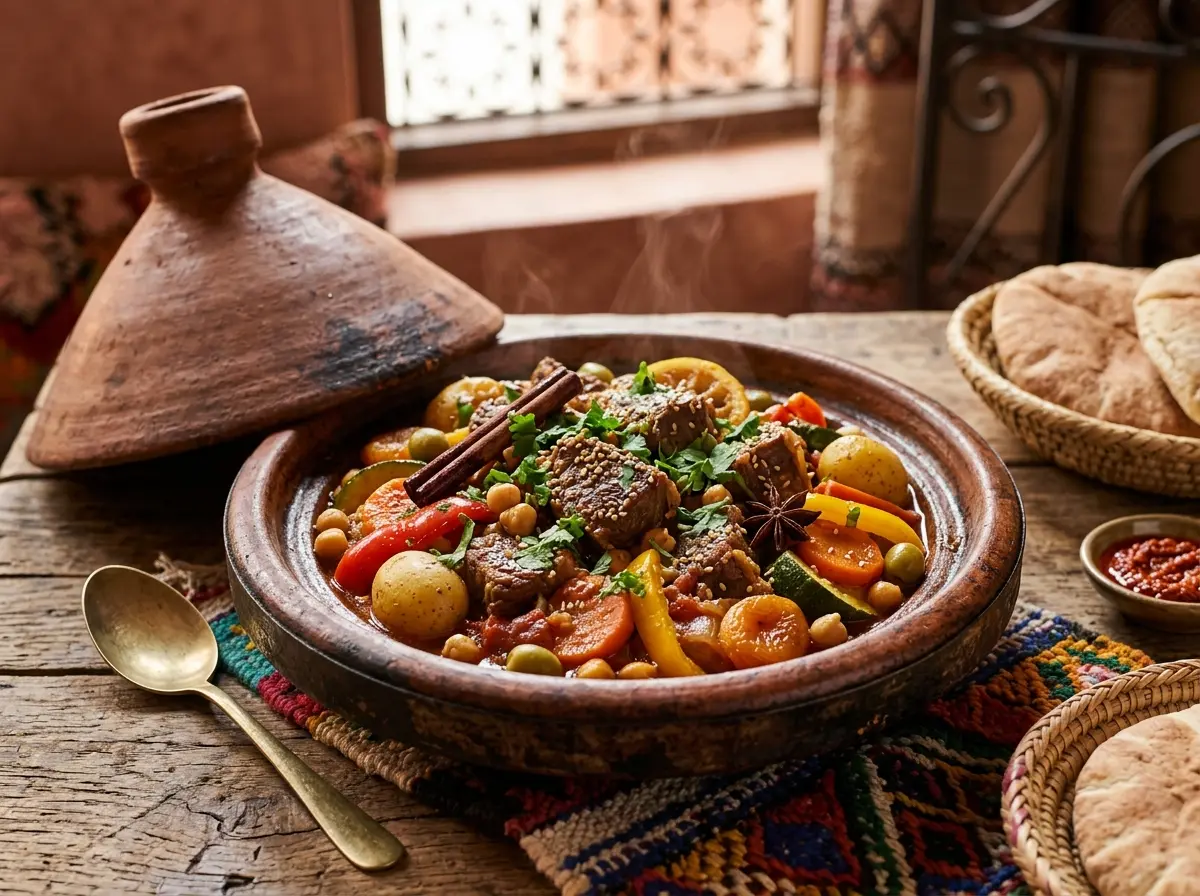
This authentic beef tagine recipe transforms tender chunks of beef into a fragrant Moroccan masterpiece that fills your kitchen with warming spices and creates memories around the dinner table. The slow-braised meat melts beautifully alongside aromatic vegetables, creating a comforting one-pot meal perfect for family gatherings.
Picture the rich, earthy aroma of toasted cumin and cinnamon mingling with succulent beef as it slowly transforms in your kitchen. This traditional Moroccan dish delivers restaurant-quality flavors using simple techniques that any home cook can master with confidence.
Introduction to Beef Tagine Recipe
A beef tagine recipe represents the heart of Moroccan home cooking, where patience and spice mastery create dishes that nourish both body and soul. This slow-cooked stew showcases how simple ingredients transform into complex, layered flavors through traditional techniques passed down through generations.
The beauty of this moroccan beef stew lies in its forgiving nature and endless adaptability. Whether you’re feeding a crowd or preparing a quiet weeknight dinner, this dish scales beautifully while maintaining its authentic character and depth.
What is a Tagine?
A tagine refers both to the distinctive cone-shaped clay cooking vessel and the slow-cooked stew prepared within it. The unique design creates a self-basting environment where steam condenses on the conical lid and drips back down, keeping ingredients moist throughout the cooking process.
This ingenious cooking method developed in North Africa’s arid climate, where conserving moisture was essential. The tagine pot’s ability to cook food gently with minimal liquid makes it perfect for creating tender, flavorful meals from tougher cuts of meat.
Origins and Moroccan Culinary Context
Moroccan cuisine emerged from the crossroads of Berber, Arab, and Mediterranean influences, creating a unique flavor profile that balances sweet and savory elements. The spice trade routes that passed through Morocco brought exotic seasonings that became integral to dishes like this easy beef tagine.
Traditional tagine cooking reflects the communal nature of Moroccan dining, where families gather around shared dishes. The slow cooking process encourages patience and conversation, making meal preparation a social activity rather than a rushed chore.
Ingredients Breakdown
Understanding each component in your moroccan beef recipe ensures optimal flavor development and texture. Quality ingredients make a significant difference in the final dish, particularly when it comes to spices and meat selection.
Key Spices and Their Roles (Including Ras El Hanout)
Ras el hanout, meaning “head of the shop,” represents the spice merchant’s finest blend, typically containing 10-30 different spices. This complex mixture forms the flavor foundation of authentic tagine recipes, providing warmth without overwhelming heat.
Cinnamon adds subtle sweetness that balances the earthiness of cumin and coriander. Ginger brings brightness and mild heat, while turmeric contributes both color and anti-inflammatory properties that make this dish as nourishing as it is delicious.
Ground ginger works differently than fresh ginger, offering a more concentrated, warming flavor that penetrates the meat during slow cooking. Fresh ginger can be substituted but use sparingly to avoid overpowering the other delicate spice notes.
Choosing The Right Beef Cut (Chuck Roast, Braising Beef)
Chuck roast provides the ideal balance of marbling and connective tissue for slow braising. The collagen breaks down during extended cooking, creating natural gelatin that enriches the sauce and ensures fork-tender results.
Braising cuts like beef short ribs or bottom round also work excellently, though cooking times may vary slightly. Avoid lean cuts like sirloin or tenderloin, as they become tough and dry without sufficient fat and connective tissue.
Cut your beef into 2-inch chunks for optimal cooking. Smaller pieces may fall apart during the long braising process, while larger chunks may not cook evenly throughout the cooking time.
Vegetables and Add-ins
Root vegetables like carrots, potatoes, and turnips hold their shape beautifully during slow cooking while absorbing the rich spiced broth. Sweet potatoes add natural sweetness that complements the warming spices without requiring added sugar.
Dried fruits such as apricots or dates provide traditional Moroccan flavor complexity. Add them during the final hour of cooking to prevent them from breaking down completely while still allowing their sweetness to permeate the dish.
Fresh herbs like cilantro and parsley should be added at the end of cooking to maintain their vibrant color and fresh flavor. Preserved lemons, if available, add authentic Moroccan brightness that elevates the entire dish.
Spice Substitutions and Alternatives
If ras el hanout isn’t available, create a substitute blend using equal parts cumin, coriander, and cinnamon, with smaller amounts of ginger, turmeric, and paprika. This simplified version captures the essential flavor profile while remaining accessible.
Ground allspice can substitute for cinnamon in equal amounts, though it will create a slightly different flavor profile. Smoked paprika adds depth when regular paprika feels too mild, but use half the amount to avoid overwhelming the other spices.
Whole spices, when toasted and ground fresh, provide superior flavor compared to pre-ground versions. However, pre-ground spices work perfectly well and offer convenience for weeknight cooking without sacrificing too much authenticity.
Cooking Equipment and Techniques
The right equipment enhances your cooking experience and ensures consistent results. While traditional tagine pots create authentic flavors, modern alternatives can produce equally delicious results with proper technique adjustments.
Using a Traditional Tagine Pot
Clay tagine pots require seasoning before first use and gentle temperature changes to prevent cracking. Always start with room temperature ingredients and gradually increase heat to protect the clay from thermal shock.
The conical lid creates a unique steam circulation pattern that keeps food moist without adding extra liquid. This self-basting effect concentrates flavors while preventing the meat from drying out during extended cooking periods.
Never place a cold tagine pot directly on high heat or in a preheated oven. Allow the pot to warm gradually with the food inside, and avoid sudden temperature changes that could cause cracking or breakage.
Tagine Pot Alternatives for Home Cooks
A heavy-bottomed Dutch oven provides excellent heat retention and even cooking, making it the best substitute for traditional tagine pots. The tight-fitting lid traps steam similarly to a tagine’s conical design.
Slow cookers work well for this beef tagine with vegetables, though the texture will be slightly different due to the different cooking environment. Reduce liquid by about 25% when adapting the technique for slow cooker use.
Large, oven-safe skillets with tight-fitting lids can also create excellent results. Choose heavy materials like cast iron or enameled steel that distribute heat evenly and won’t develop hot spots during long cooking periods.
Step-by-Step Spice Toasting
Toast whole spices in a dry skillet over medium-low heat for 2-3 minutes until fragrant. Watch carefully and shake the pan frequently to prevent burning, which creates bitter flavors that can ruin the entire dish.
Cool toasted spices completely before grinding in a spice grinder or mortar and pestle. Grinding hot spices releases oils too quickly, leading to loss of volatile compounds that provide the most complex flavors.
Bloom ground spices in hot oil for 30-60 seconds before adding other ingredients. This technique, called tempering, activates flavor compounds and ensures the spices penetrate the meat rather than sitting on the surface.
Step-by-Step Cooking Instructions
Proper technique transforms simple ingredients into this authentic tagine recipe that rivals restaurant versions. Taking time with each step ensures optimal flavor development and texture in the finished dish.
Preparation and Marinating Tips
Pat beef completely dry before seasoning to ensure proper browning and prevent steaming. Moisture on the meat’s surface prevents the Maillard reaction that creates deep, complex flavors essential to quality braised dishes.
Season meat generously with salt and spices at least 30 minutes before cooking, or up to 24 hours for deeper flavor penetration. The salt draws out moisture initially, then reabsorbs along with the seasonings for enhanced taste throughout.
Room temperature meat cooks more evenly than cold meat straight from the refrigerator. Remove beef from refrigeration 30-45 minutes before cooking to ensure consistent results and prevent overcooking the exterior while the interior remains underdone.
Slow Cooking Guidelines
Brown meat in batches to avoid overcrowding, which leads to steaming rather than searing. Proper browning creates fond on the bottom of the pot, which deglazes into the sauce for additional depth and richness.
Maintain gentle simmering throughout the cooking process rather than vigorous boiling. High heat toughens proteins and can cause vegetables to break down into mush before the meat becomes tender.
Check liquid levels periodically during cooking and add warm broth if needed. The liquid should come about halfway up the meat, providing enough moisture for braising without diluting the concentrated flavors.
One-Pot Comfort Meal Approach
Layer ingredients by cooking time, adding longer-cooking items first and quicker-cooking vegetables later. This prevents overcooking delicate ingredients while ensuring everything finishes simultaneously for optimal texture and appearance.
Taste and adjust seasonings during the final 30 minutes of cooking when flavors have had time to meld. Add salt, pepper, or additional spices gradually, allowing each addition to incorporate before making further adjustments.
The dish is ready when meat shreds easily with a fork and vegetables are tender but still hold their shape. Total cooking time varies depending on meat cut and size, typically ranging from 2-3 hours for optimal results.
Moroccan Beef Tagine
Equipment
- Large Heavy-Bottomed Pot or Dutch Oven
- Sharp chef's knife
- Cutting board
- Wooden Spoon
- Measuring cups and spoons
Ingredients
- 2.5 lbs Beef Chuck Roast cut into 2-inch cubes, halal-certified
- 2 tbsp Olive Oil extra virgin
- 1 tsp Salt kosher or sea salt
- 1/2 tsp Black Pepper freshly ground
- 2 tsp Ground Cinnamon
- 2 tsp Ground Ginger
- 2 tsp Ground Cumin
- 1 tsp Ground Coriander
- 1 tsp Turmeric
- 1/2 tsp Cayenne Pepper adjust to taste
- 1/4 tsp Ground Cloves
- 1 large Yellow Onion diced
- 4 cloves Garlic minced
- 2 tbsp Tomato Paste
- 2 cups Natural Beef Broth halal-certified, low sodium
- 1 can Diced Tomatoes 14.5 oz, drained
- 3 medium Carrots peeled and cut into 2-inch pieces
- 1 large Sweet Potato peeled and cubed
- 1/2 cup Dried Apricots halved
- 1/3 cup Pitted Dates chopped
- 1/4 cup Golden Raisins
- 1/4 cup Fresh Cilantro chopped
- 1/4 cup Sliced Almonds toasted
- 2 tbsp Honey optional, for added sweetness
Instructions
- Pat the beef cubes completely dry with paper towels. Season generously with salt and pepper on all sides.
- In a small bowl, combine all spice blend ingredients (cinnamon, ginger, cumin, coriander, turmeric, cayenne, and cloves). Mix well and set aside.
- Prepare all vegetables by dicing the onion, mincing garlic, cutting carrots and sweet potato into uniform 2-inch pieces.
- Heat olive oil in a large heavy-bottomed pot or Dutch oven over medium-high heat until shimmering.
- Working in batches to avoid overcrowding, sear beef cubes for 3-4 minutes per side until deeply browned on all surfaces. Transfer to a plate and set aside.
- In the same pot, reduce heat to medium and add diced onion. Cook for 5-6 minutes until softened and translucent.
- Add minced garlic and prepared spice blend. Cook for 1 minute, stirring constantly, until fragrant.
- Stir in tomato paste and cook for 2 minutes until slightly darkened.
- Return seared beef to the pot along with any accumulated juices. Add beef broth, diced tomatoes, carrots, and sweet potato.
- Bring mixture to a boil, then reduce heat to low, cover, and simmer for 90 minutes, stirring occasionally.
- Add dried apricots, dates, and raisins to the pot. Continue simmering uncovered for 30-45 minutes until beef is fork-tender and sauce has thickened.
- Taste and adjust seasoning with salt, pepper, or honey if desired for balanced sweetness.
- Remove from heat and let stand for 5 minutes. Garnish with fresh cilantro and toasted almonds before serving.
Notes
Stovetop (as written): 2 hours 15 minutes total. Oven method: After step 8, transfer covered pot to 325°F oven for 2 hours, then add fruits and continue for 30 minutes uncovered. SPICE BLEND ALTERNATIVES:
Can substitute 3 tbsp Ras el Hanout spice blend for individual spices. For milder heat, reduce cayenne to 1/4 tsp or omit entirely. SEASONAL VEGETABLE VARIATIONS:
Winter: Add parsnips or butternut squash. Spring: Include baby turnips or fennel. Summer: Try zucchini added in final 15 minutes. STORAGE:
Refrigerates for up to 4 days. Freezes for up to 3 months. Reheat gently on stovetop, adding broth if needed to restore consistency. SERVING SUGGESTIONS:
Traditionally served over couscous, quinoa, or with warm flatbread. Rice pilaf also pairs beautifully with the rich sauce.
Nutrition Highlights (Per Serving – Approximate)
Understanding your food’s composition is key to balanced eating. Here is an approximate nutritional breakdown calculated for a standard serving based on wholesome preparation guidelines:
Culinary Selection Notes
- Adjusting sweetener densities or using refined-sugar alternatives will directly optimize the overall glycemic load without breaking structural balance.
- Focusing on high-quality whole fats maximizes trace micronutrient retention across low-temperature or baking environments.
Serving Suggestions
Proper presentation enhances the dining experience and showcases the beautiful colors and textures of this moroccan beef stew. Traditional accompaniments complement the rich flavors while providing textural contrast and nutritional balance.
Accompaniments and Side Dishes
Fluffy couscous serves as the classic base for tagine, absorbing the flavorful sauce while providing a neutral canvas for the spiced meat and vegetables. Warm flatbread or pita allows diners to scoop up every drop of the aromatic broth.
Moroccan mint tea provides a refreshing contrast to the warming spices, while fresh salads with cucumber and tomatoes add cooling elements. Simple steamed rice also works beautifully for families preferring familiar grains over traditional couscous.
Preserved lemon wedges and harissa paste served on the side allow each diner to customize their heat and acidity levels. These traditional condiments enhance the authentic Moroccan experience without overwhelming those sensitive to bold flavors.
Portion Sizes and Presentation Tips
Serve generous portions of approximately 6-8 ounces of meat and vegetables per person, ensuring everyone receives a satisfying amount of the tender beef and flavorful sauce. This hearty dish works as a complete meal requiring minimal additional components.
Present the tagine in the cooking vessel when possible, allowing diners to appreciate the traditional preparation method. If using alternative cookware, transfer to a warming dish to maintain optimal serving temperature throughout the meal.
Garnish with fresh herbs like cilantro or parsley just before serving to add color and brightness. A light sprinkle of toasted almonds or pine nuts provides textural interest and authentic Moroccan flair.
Storage and Make-Ahead Tips
This beef tagine meal prep friendly nature makes it perfect for busy households seeking wholesome, homemade meals throughout the week. Proper storage techniques maintain flavor and texture while ensuring food safety.
Freezer-Friendly Preparation
Cool the tagine completely before freezing to prevent ice crystals from forming and affecting texture. Portion into family-sized containers, leaving space for expansion during freezing to prevent container cracking.
Freeze for up to 3 months for best quality, though it remains safe indefinitely when properly stored. Label containers with contents and date to track freshness and ensure rotation of frozen meals.
Thaw overnight in the refrigerator rather than at room temperature for food safety. Reheat gently on the stovetop or in a low oven, adding liquid if needed to restore the original consistency.
Best Practices for Storing Leftovers
Refrigerate leftovers within 2 hours of cooking to prevent bacterial growth. Store in shallow containers to promote rapid cooling and maintain food safety standards in busy household kitchens.
Consume refrigerated leftovers within 3-4 days for optimal flavor and safety. The flavors often improve overnight as spices continue to meld, making day-two servings particularly delicious.
Reheat only the portion you plan to serve rather than the entire batch. Multiple heating and cooling cycles can affect both texture and safety of the finished dish.
Nutritional Information
This nutritious meal provides excellent protein content while incorporating vegetables and spices with proven health benefits. Understanding the nutritional profile helps with meal planning and dietary considerations.
Health Benefits of Ingredients
Beef provides complete protein containing all essential amino acids needed for muscle maintenance and repair. The slow cooking process breaks down tough connective tissues, making the protein more digestible while retaining nutritional value.
Turmeric contains curcumin, a compound with anti-inflammatory properties that may support joint health and overall wellness. Ginger aids digestion and adds warming properties that complement the protein-rich meal perfectly.
Root vegetables contribute fiber, vitamins, and minerals while adding natural sweetness without refined sugars. The variety of vegetables ensures a diverse micronutrient profile supporting overall nutritional balance.
Nutrition Facts for Beef Tagine
Each serving provides approximately 32 grams of high-quality protein, supporting muscle health and satiety. The moderate carbohydrate content comes primarily from vegetables and any grains served alongside the tagine.
Healthy fats from cooking oil and natural meat marbling provide essential fatty acids and fat-soluble vitamins. The overall macronutrient balance supports sustained energy without causing blood sugar spikes.
Sodium content can be controlled by adjusting added salt and choosing low-sodium broth when desired. The natural flavors from spices and herbs reduce the need for excessive salt while maintaining satisfying taste profiles.
Tips, Variations, and Troubleshooting
Mastering this dish requires understanding common challenges and knowing how to adapt the basic technique for different preferences and dietary needs. These insights help ensure success every time you prepare this comforting meal.
Family-Friendly Weeknight Versions
Reduce or omit spicy elements like cayenne pepper for sensitive palates while maintaining the warming spices that define the dish. Mild versions still provide authentic flavors without overwhelming young taste buds or those new to Moroccan cuisine.
Cut vegetables into larger chunks for children who prefer distinct pieces rather than items that break down during cooking. This also speeds preparation time while maintaining nutritional value and visual appeal.
Prepare components in advance for quicker weeknight assembly. Brown meat and prepare spice mixtures on weekends, then combine with fresh vegetables for efficient weekday cooking that doesn’t sacrifice quality.
Budget Cuts and Cost-Saving Tips
Chuck roast and other braising cuts typically cost less than premium steaks while providing superior results in slow-cooked dishes. These tougher cuts become incredibly tender when cooked properly, offering better value for tagine preparation.
Bulk spice purchases from ethnic markets often provide significant savings compared to small grocery store containers. Share purchases with friends or store properly to maintain freshness while reducing per-unit costs.
Seasonal vegetables cost less and taste better than out-of-season imports. Adapt the vegetable selection based on availability and pricing while maintaining the basic cooking techniques and spice profiles.
Common Mistakes and How to Avoid Them
Rushing the browning step produces less flavorful results and misses the opportunity to develop fond for sauce enrichment. Take time to properly sear meat in batches for optimal flavor development and visual appeal.
Adding all vegetables at once can result in mushy textures and uneven cooking. Layer ingredients by cooking time, adding heartier vegetables first and delicate items during the final stages of cooking.
Overcooking causes meat to become stringy rather than tender, while undercooking leaves tough, chewy textures. Test doneness with a fork, looking for meat that shreds easily without falling apart completely during the cooking process.
This instant pot beef tagine adaptation works wonderfully for busy schedules while maintaining authentic flavors. The pressure cooking method reduces cooking time significantly while still producing tender, flavorful results that satisfy the whole family.
Experimenting with different spice combinations and vegetable selections keeps this dish interesting for regular meal rotation. Each variation offers new flavors while maintaining the comforting, nourishing qualities that make this moroccan beef recipe so appealing.