Chicken Fatteh Recipe: Easy, Delicious Middle Eastern Comfort
Learn how to make chicken fatteh with this easy, flavorful recipe that combines crispy pita, spiced chicken, and creamy yogurt sauce. Get the recipe today.
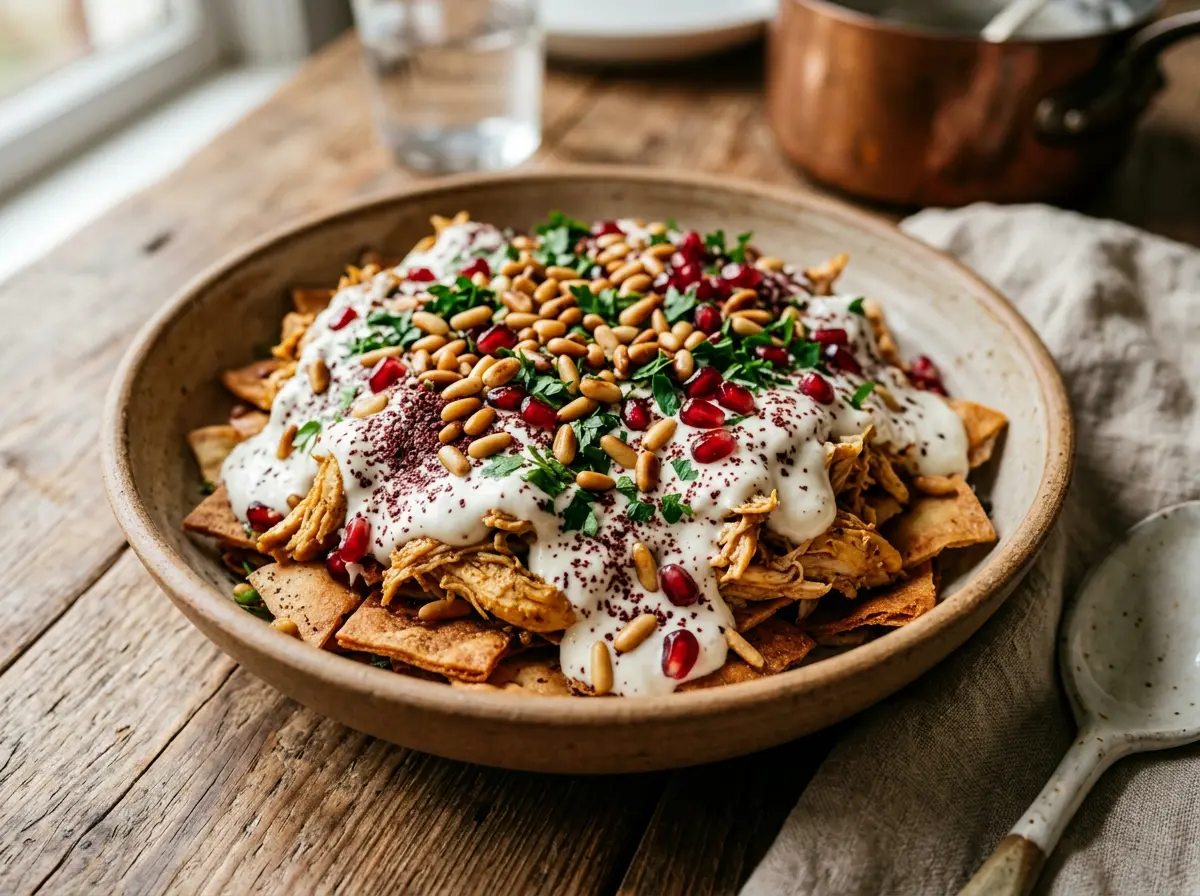
Discover the irresistible layers of chicken fatteh, a beloved Middle Eastern comfort dish that transforms simple ingredients into an extraordinary culinary experience. This authentic recipe brings together crispy toasted pita bread, tender seasoned chicken, and a luscious yogurt sauce that creates perfect harmony in every bite.
The beauty of this Lebanese chicken fatteh lies in its textural contrast and aromatic complexity. Each component plays a crucial role in building flavors that dance on your palate, from the satisfying crunch of golden pita to the creamy richness of perfectly spiced yogurt.
Introduction to Chicken Fatteh
The art of creating authentic chicken fatteh requires understanding its cultural significance and traditional preparation methods. This dish represents centuries of Middle Eastern culinary wisdom, where resourcefulness meets incredible flavor development.
Cultural Background and Origins
Fattet djaj originated in the Levantine region, where home cooks developed ingenious ways to transform leftover pita bread into spectacular meals. The word “fatteh” derives from the Arabic verb meaning “to break” or “to crumble,” referring to the broken bread foundation.
Lebanese families have passed down this easy chicken fatteh recipe through generations, with each household adding personal touches. The dish gained popularity across Syria, Palestine, and Jordan, creating regional variations that celebrate local spice preferences.
Why Chicken Fatteh is a Beloved Middle Eastern Dish
This Arabic chicken fatteh satisfies multiple comfort food criteria simultaneously. The combination of warm spices, cooling yogurt, and satisfying textures creates a balanced meal that works for any season.
The dish’s versatility makes it perfect for family gatherings, casual dinners, or special occasions. Its impressive presentation belies the simplicity of its preparation, making it an ideal choice for entertaining guests.
Ingredients Overview
Understanding each ingredient’s role in authentic chicken fatteh helps you achieve restaurant-quality results at home. Every component contributes to the dish’s signature flavor profile and textural complexity.
Key Ingredients and Their Roles
Pita bread forms the foundation, absorbing flavors while maintaining structural integrity when properly toasted. The bread’s starch content balances the protein-rich chicken and creates satisfying substance.
Greek yogurt provides tangy creaminess and acts as the binding element that unifies all components. Its natural acidity brightens the rich chicken flavors while adding beneficial probiotics.
Fresh garlic and lemon juice create the aromatic base that defines Middle Eastern cuisine. These ingredients work synergistically to enhance the overall flavor complexity without overwhelming the palate.
Ingredient Substitutions and Variations
For those avoiding dairy, coconut yogurt or cashew-based alternatives work beautifully in this homemade chicken fatteh. Adjust seasoning levels slightly to compensate for different tanginess profiles.
Leftover rotisserie chicken can replace freshly cooked chicken for quicker preparation. Shred the meat and warm it with Middle Eastern spices to maintain authentic flavors.
Pine nuts can be substituted with toasted almonds, pistachios, or sunflower seeds. Each option provides different flavor notes while maintaining the essential textural contrast.
Preparing the Pita Bread
Achieving perfectly crispy pita bread requires precise timing and temperature control. The bread should develop a golden exterior while maintaining enough structural integrity to support the toppings.
How to Achieve Crispy Pita Bread
Oven-toasting at 400°F produces superior results compared to stovetop methods. Cut pita into triangular pieces for optimal surface area exposure and even browning.
Brush lightly with olive oil before toasting to enhance browning and add subtle richness. Monitor closely during the final minutes to prevent burning while ensuring complete crispness.
Day-old pita actually works better than fresh bread for this chicken fatteh recipe. The slightly dried texture crisps more evenly and absorbs flavors more effectively.
Whole Wheat and Gluten-Free Alternatives
Whole wheat pita adds nutty complexity and increased fiber content to your healthy chicken fatteh. The denser texture requires slightly longer toasting time but provides superior nutritional value.
Gluten-free pita alternatives include rice-based or almond flour options. These tend to crisp faster, so reduce oven time by 2-3 minutes and watch carefully.
Corn tortillas can serve as an unexpected substitute when cut into triangles and toasted. They provide a slightly different flavor profile while maintaining the essential textural element.
Cooking the Chicken
Properly seasoned chicken elevates this dish from good to extraordinary. The key lies in building flavor layers through strategic spice application and cooking techniques.
Spicing and Marinating Techniques
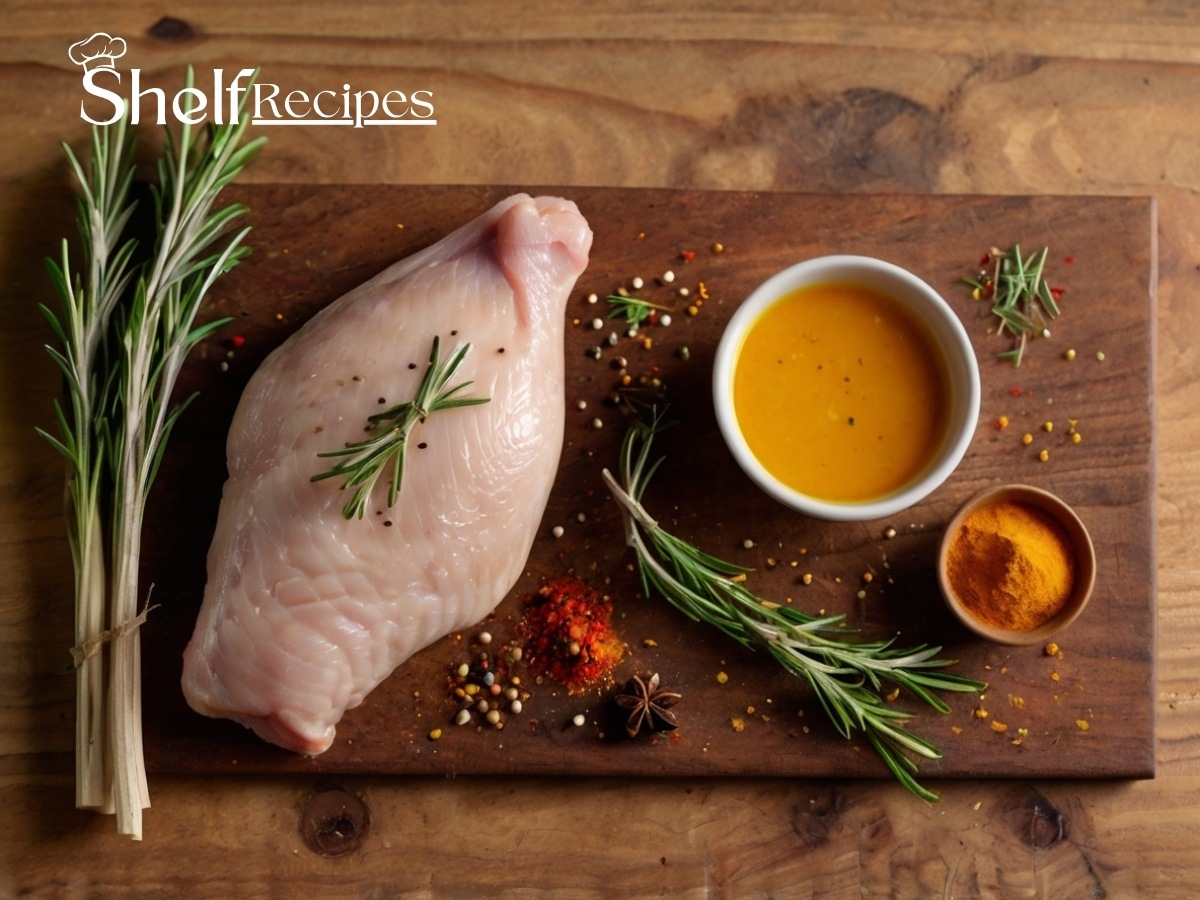
Seven-spice blend (baharat) forms the traditional flavor foundation for Lebanese chicken fatteh. This aromatic mixture includes allspice, black pepper, cinnamon, cloves, cardamom, nutmeg, and ginger.
Marinating chicken for at least 30 minutes allows spices to penetrate the meat fibers. For deeper flavor development, extend marinating time up to 4 hours in the refrigerator.
Salt application timing affects moisture retention significantly. Add salt 15 minutes before cooking to ensure proper seasoning without drawing out excessive moisture.
Different Chicken Preparation Methods
Pan-searing creates beautiful caramelization while maintaining juicy interiors. Use medium-high heat and avoid overcrowding to ensure proper browning.
Grilling imparts smoky notes that complement the traditional spice profile beautifully. This method works particularly well for chicken shawarma fatteh variations.
Slow-cooking produces incredibly tender results for meal prep chicken fatteh. The gentle heat allows tough connective tissues to break down while preserving moisture.
Making the Yogurt Sauce
The yogurt sauce serves as the creamy bridge between all components in your chicken fatteh variations. Achieving the perfect consistency and flavor balance requires attention to ingredient ratios and mixing techniques.
Balancing Consistency and Flavor
Room temperature yogurt mixes more smoothly than cold yogurt straight from the refrigerator. Allow it to sit for 15 minutes before combining with other ingredients.
Tahini adds richness and helps stabilize the sauce consistency. Start with one tablespoon per cup of yogurt and adjust according to your preference.
Fresh lemon juice brightens the entire dish while providing natural preservation properties. Add gradually and taste frequently to achieve optimal acidity balance.
Tips for Greek Yogurt vs Regular Yogurt
Greek yogurt’s thickness eliminates the need for straining but may require slight thinning. Add small amounts of water or lemon juice to reach pourable consistency.
Regular yogurt provides traditional texture but might separate when heated. Stabilize by whisking in a small amount of cornstarch if serving warm.
Full-fat versions deliver superior flavor and mouthfeel compared to low-fat alternatives. The extra richness complements the spiced chicken beautifully.
Assembling the Chicken Fatteh
Assembly order significantly impacts the final texture and presentation of your quick chicken fatteh. Each layer should be added strategically to maintain structural integrity while maximizing flavor distribution.
Step-by-Step Assembly Guide
Begin with warm toasted pita pieces as your foundation layer. This creates a sturdy base that will absorb the delicious sauce without becoming soggy too quickly.
Layer the seasoned chicken while it’s still warm to help meld flavors. The residual heat will gently warm the yogurt sauce when added, creating optimal serving temperature.
Pour the yogurt sauce evenly across the surface, ensuring every bite contains the perfect balance. Reserve some sauce for individual serving adjustments.
Layering Techniques for Flavor and Texture
Create depth by varying the pita piece sizes throughout the base layer. Smaller pieces fill gaps while larger pieces provide substantial texture contrast.
Distribute chicken pieces evenly but avoid overcrowding any single area. This ensures consistent protein distribution in every serving portion.
Finish with strategic garnish placement that adds both visual appeal and flavor bursts. Toasted nuts, fresh herbs, and spice dustings should complement rather than overwhelm.
Serving Suggestions and Presentation
Proper presentation transforms your authentic chicken fatteh from a simple meal into an impressive centerpiece. Traditional serving methods honor the dish’s cultural heritage while accommodating modern dining preferences.
Side Dishes that Complement Chicken Fatteh
Fresh cucumber and tomato salad provides cooling contrast to the warm, spiced components. Dress lightly with lemon juice and olive oil to maintain the Middle Eastern theme.
Pickled vegetables add bright acidity that cuts through the rich yogurt sauce beautifully. Try traditional pickled turnips or quick-pickled red onions.
Warm flatbread or additional pita allows guests to scoop and enjoy every last bit. This interactive element makes the meal more engaging and satisfying.
Garnishes: Toasted Pine Nuts, Fresh Herbs, and More
Toasted pine nuts provide luxurious richness and satisfying crunch that elevates the entire dish. Toast them carefully in a dry pan until golden and fragrant.
Fresh parsley and mint create bright color contrast while adding herbaceous notes. Chop finely and sprinkle generously just before serving for maximum impact.
A light dusting of sumac adds tangy, fruity notes and beautiful deep red color. This traditional Middle Eastern spice perfectly complements the yogurt’s creamy richness.
Middle Eastern Chicken Fatteh
Equipment
- Large Skillet or Sauté Pan
- Baking sheet
- Medium Mixing Bowl
- Sharp knife
- Cutting board
- Measuring cups and spoons
- Small saucepan
- Serving Platter
Ingredients
- 4 pieces whole wheat pita bread day-old preferred, or regular pita
- 3 tablespoons olive oil for brushing
- 1/2 teaspoon ground sumac optional, for extra tang
- 1.5 pounds boneless chicken thighs 680g, cut into bite-sized pieces
- 2 tablespoons olive oil
- 1 teaspoon ground cumin
- 1 teaspoon ground coriander
- 1/2 teaspoon ground cinnamon
- 1/2 teaspoon paprika
- 1 teaspoon salt
- 1/2 teaspoon black pepper freshly ground
- 3 cloves garlic minced
- 1 medium onion diced
- 2 cups Greek yogurt 480ml, full-fat preferred over regular yogurt for richness
- 2 cloves garlic minced
- 2 tablespoons tahini
- 2 tablespoons fresh lemon juice about 1 lemon
- 1/2 teaspoon salt or to taste
- 1/4 cup pine nuts or sliced almonds as cost-effective alternative
- 1/4 cup fresh parsley chopped
- 2 tablespoons fresh mint chopped
- 1 teaspoon ground sumac for sprinkling
- 1 cup chicken broth 240ml, warm
Instructions
- Preheat oven to 400°F (200°C). Cut pita bread into bite-sized triangular pieces.
- Toss pita pieces with olive oil and sumac (if using). Spread on baking sheet in single layer.
- Bake for 8-10 minutes until golden and crispy. Set aside to cool.
- In a small bowl, combine cumin, coriander, cinnamon, paprika, salt, and pepper to create spice blend.
- Season chicken pieces with the spice blend, tossing to coat evenly.
- Heat olive oil in large skillet over medium-high heat. Add diced onion and cook for 3-4 minutes until softened.
- Add minced garlic and cook for another 30 seconds until fragrant.
- Add seasoned chicken pieces and cook for 12-15 minutes, stirring occasionally, until chicken is fully cooked and golden brown (internal temperature 165°F/74°C).
- In medium mixing bowl, whisk together Greek yogurt, minced garlic, tahini, lemon juice, and salt until smooth and creamy.
- Taste and adjust seasoning with additional lemon juice or salt as needed.
- In a small dry pan, toast pine nuts (or almonds) over medium heat for 2-3 minutes until golden and fragrant. Set aside.
- Arrange crispy pita pieces on serving platter as the base layer.
- Drizzle warm chicken broth evenly over the pita to soften slightly while maintaining some texture.
- Spread yogurt sauce generously over the moistened pita.
- Top with cooked chicken and any pan juices.
- Garnish with toasted nuts, fresh parsley, mint, and a generous sprinkle of sumac. Serve immediately.
Notes
Whole wheat pita can be replaced with regular pita or even naan bread. Greek yogurt provides superior thickness and protein compared to regular yogurt, but regular plain yogurt can work if strained through cheesecloth for 30 minutes. Pine nuts can be substituted with sliced almonds or chopped walnuts for a more budget-friendly option. TROUBLESHOoting:
If yogurt sauce is too thick, thin with 1-2 tablespoons of warm water or lemon juice. If pita becomes too soggy, add broth gradually and serve immediately. Chicken should reach internal temperature of 165°F (74°C) for food safety. MAKE-AHEAD:
Chicken can be cooked up to 2 days ahead and reheated gently. Yogurt sauce can be prepared 1 day in advance. Assemble just before serving to prevent soggy pita. STORAGE:
Leftovers can be stored in refrigerator for up to 2 days. Reheat chicken gently in microwave or skillet. Best assembled fresh, but components can be stored separately and assembled when ready to serve. SCALING:
Recipe easily doubles for 8 servings. For larger crowds, prepare components separately and set up assembly station for guests to build their own portions.
Nutrition Highlights (Per Serving – Approximate)
Understanding your food’s composition is key to balanced eating. Here is an approximate nutritional breakdown calculated for a standard serving based on wholesome preparation guidelines:
Culinary Selection Notes
- Adjusting sweetener densities or using refined-sugar alternatives will directly optimize the overall glycemic load without breaking structural balance.
- Focusing on high-quality whole fats maximizes trace micronutrient retention across low-temperature or baking environments.
Storage and Make-Ahead Tips
Strategic meal prep transforms this dish into a convenient weeknight option without sacrificing quality. Understanding proper storage techniques preserves both texture and flavor integrity.
Proper Storage for Freshness
Store each component separately to maintain optimal texture and prevent sogginess. Toasted pita bread stays crispy for up to 3 days in an airtight container at room temperature.
Cooked chicken keeps fresh in the refrigerator for up to 4 days when properly sealed. Cool completely before refrigerating to prevent condensation that could affect texture.
Yogurt sauce maintains quality for up to 5 days when stored in a glass container. Stir gently before using as natural separation may occur over time.
Reheating Guide Without Losing Texture
Warm chicken components gently in a covered pan with a splash of broth. This prevents drying while restoring serving temperature without overcooking.
Avoid microwaving assembled portions as this creates uneven heating and compromises the bread texture. Instead, warm components separately and assemble fresh.
Re-crisp stored pita pieces in a 350°F oven for 2-3 minutes if they’ve lost their crunch. This simple step restores the essential textural contrast.
Nutritional Information and Healthier Variations
This healthy chicken fatteh provides excellent protein content while delivering essential nutrients from diverse ingredient sources. Understanding the nutritional profile helps you make informed dietary choices.
Benefits of Using Whole Wheat Pita and Greek Yogurt
Whole wheat pita increases fiber content significantly while adding B vitamins and minerals. The complex carbohydrates provide sustained energy release compared to refined alternatives.
Greek yogurt delivers concentrated protein and beneficial probiotics that support digestive health. Its calcium content contributes to bone health and muscle function.
The combination creates a more satisfying meal that maintains stable blood sugar levels. This makes it an excellent choice for balanced nutrition goals.
Making a Lightened-Up Chicken Fatteh
Reduce olive oil usage by using cooking spray for pita toasting. This maintains crispness while significantly lowering overall calorie content.
Choose skinless chicken breast or thigh meat to control fat content while preserving flavor. Lean proteins provide excellent nutritional value without excess calories.
Increase vegetable content by adding diced cucumber, tomatoes, or roasted vegetables. This boosts nutrients while adding natural fiber and water content.
Final Tips and Troubleshooting
Mastering chicken fatteh requires understanding common challenges and their solutions. These professional tips help you achieve consistent, restaurant-quality results every time.
Common Issues and How to Fix Them
Soggy bread results from assembling too far in advance or using insufficient toasting. Always toast until completely crispy and assemble just before serving.
Bland flavors indicate underseasoning or insufficient marinating time. Taste each component separately and adjust seasonings before final assembly.
Separated yogurt sauce occurs when ingredients are too cold or mixed too vigorously. Use room temperature ingredients and fold gently to maintain smooth consistency.
Frequently Asked Questions
Can you make chicken fatteh vegetarian? Absolutely! Replace chicken with roasted eggplant, chickpeas, or seasoned cauliflower for delicious plant-based variations.
How spicy should authentic chicken fatteh be? Traditional versions are mildly spiced, focusing on aromatic warmth rather than heat. Adjust spice levels according to your family’s preferences.
What’s the difference between chicken fatteh and other Middle Eastern bread dishes? Fatteh specifically features the yogurt sauce component and crispy bread base, distinguishing it from similar regional preparations.