
Pineapple Juice Recipe: Easy, Refreshing, and Nutrient-Packed
Discover how to make fresh pineapple juice easily at home with simple steps. Enjoy a refreshing, nutrient-packed drink—get the recipe today.
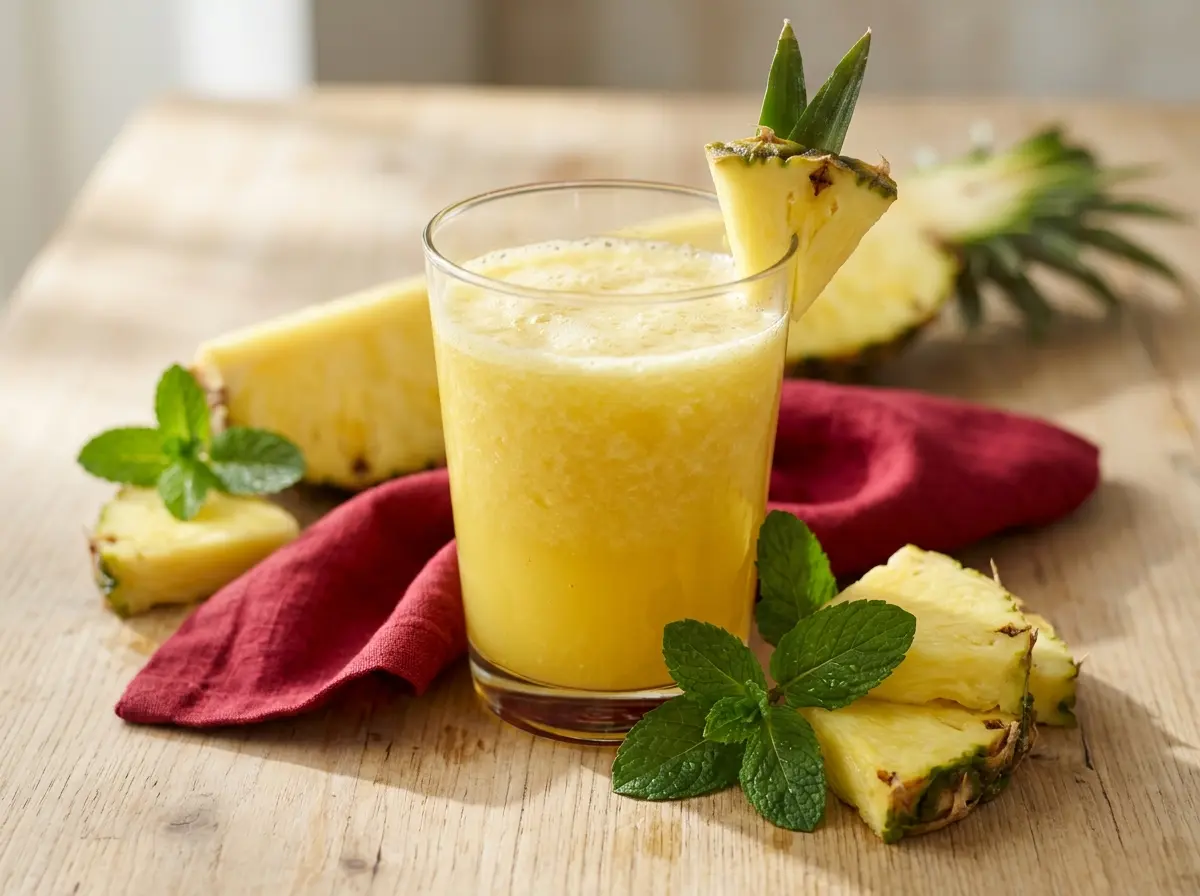
Nothing beats the tropical sweetness and vibrant flavor of fresh pineapple juice made right in your own kitchen. This golden elixir delivers natural enzymes, essential vitamins, and a refreshing taste that store-bought varieties simply cannot match.
The aromatic essence of ripe pineapple transforms into a smooth, nutrient-dense beverage that energizes your morning routine. Each sip offers a perfect balance of natural sweetness and tangy brightness that awakens your senses.
Introduction to Pineapple Juice
What is Pineapple Juice?
Pineapple juice represents the extracted liquid essence of the tropical pineapple fruit (Ananas comosus). This golden beverage captures the fruit’s natural sugars, enzymes, and vital nutrients in concentrated liquid form.
The extraction process involves crushing or pressing fresh pineapple flesh to release its cellular contents. Modern juicing techniques preserve the fruit’s delicate enzyme structure while creating a smooth, pulp-free consistency.
History and Popularity of Pineapple Juice
Pineapple cultivation originated in South America over 1,000 years ago before spreading throughout tropical regions worldwide. Commercial pineapple juice production began in Hawaii during the early 1900s, establishing the foundation for today’s global industry.
The beverage gained widespread popularity due to its exceptional vitamin C content and digestive benefits. Health-conscious consumers increasingly seek homemade pineapple juice as a natural alternative to processed fruit drinks.
How to Make Pineapple Juice at Home
Selecting the Best Pineapples for Juicing
Choose pineapples with golden-yellow skin color and a sweet aroma at the base. The fruit should yield slightly to gentle pressure while maintaining firm structural integrity.
Avoid pineapples with dark spots, soft patches, or fermented smells that indicate overripeness. Fresh pineapples harvested during peak season (March through July) deliver optimal sugar content and enzyme activity.
Seasonal Selection Guidelines
Peak season pineapples offer superior juice quality compared to off-season alternatives. Look for fruits with vibrant green crown leaves and minimal brown discoloration around the base.
Store whole pineapples at room temperature for 2-3 days to enhance natural sweetness. Refrigerate ripe fruits immediately to prevent over-fermentation and maintain cellular structure.
Step-by-Step Juicing Instructions
Remove the pineapple’s outer skin using a sharp knife, cutting away all brown “eyes” for optimal juice clarity. Cut the prepared flesh into chunks sized appropriately for your juicing equipment.
Feed pineapple pieces slowly through a centrifugal juicer to maximize extraction efficiency. Strain the resulting juice through fine mesh to remove any remaining pulp particles.
Equipment Considerations
Centrifugal juicers work effectively for fresh pineapple juice extraction, producing clear liquid with minimal fiber content. Masticating juicers preserve more enzymes but may create slightly thicker consistency.
High-speed blenders require additional straining steps but offer budget-friendly alternatives for occasional juicing. Add small amounts of filtered water if blending to achieve desired consistency.
Natural Sweetener Alternatives (Honey, Dates)
Enhance naturally tart pineapple juice with pure honey, providing complementary floral notes and additional antioxidants. Start with one teaspoon per cup and adjust according to taste preferences.
Medjool dates offer natural sweetening power while contributing fiber and potassium to the final beverage. Blend 1-2 pitted dates with fresh juice for smooth integration.
Adding Flavors: Ginger, Lime, and Mint
Fresh ginger root adds warming spice and digestive support to homemade pineapple juice. Use a small knob (about 1/2 inch) per cup of juice for balanced heat.
Lime juice brightens the overall flavor profile while providing additional vitamin C and natural preservation properties. Fresh mint leaves contribute cooling aromatics perfect for summer consumption.
Troubleshooting Common Juicing Issues
Excessive pulp indicates insufficient straining or overripe fruit selection. Double-strain through cheesecloth or fine mesh sieves for restaurant-quality clarity.
Bitter aftertaste often results from including too much pineapple core material during processing. Focus extraction on the sweet outer flesh areas for optimal flavor balance.
Foam formation during juicing occurs naturally due to enzyme activity and doesn’t affect nutritional quality. Allow foam to settle before serving or skim gently with a spoon.
Health Benefits of Pineapple Juice
Rich in Vitamin C and Immune Support
Fresh pineapple juice delivers approximately 78mg of vitamin C per cup, meeting nearly 87% of daily recommended intake. This essential nutrient supports collagen synthesis and enhances iron absorption from plant-based foods.
Regular consumption of vitamin C-rich beverages strengthens immune system function and provides antioxidant protection against cellular damage. The bioavailable form found in fresh juice surpasses synthetic supplement absorption rates.
Bromelain and Digestive Health
Pineapple juice contains bromelain, a powerful proteolytic enzyme that aids protein digestion and reduces inflammation. This natural compound supports digestive comfort and may help alleviate bloating after protein-rich meals.
Bromelain activity remains highest in fresh, unprocessed juice compared to heat-treated commercial varieties. Consume fresh pineapple juice within 24 hours of extraction for maximum enzymatic benefits.
Antioxidant Properties and Anti-Inflammatory Effects
The golden color of pineapple juice indicates high levels of beta-carotene and flavonoids that combat oxidative stress. These compounds protect cellular membranes from free radical damage associated with aging and chronic disease.
Regular intake of antioxidant-rich beverages supports cardiovascular health and may reduce inflammation markers throughout the body. The synergistic effect of multiple antioxidants enhances overall protective benefits.
Benefits for Hydration and Skin Health
Pineapple juice provides natural electrolytes including potassium and magnesium that support proper hydration balance. These minerals help maintain cellular fluid levels during physical activity or hot weather.
The vitamin C content promotes healthy collagen production, contributing to skin elasticity and wound healing processes. Natural fruit acids gently support skin cell turnover for a healthy complexion.
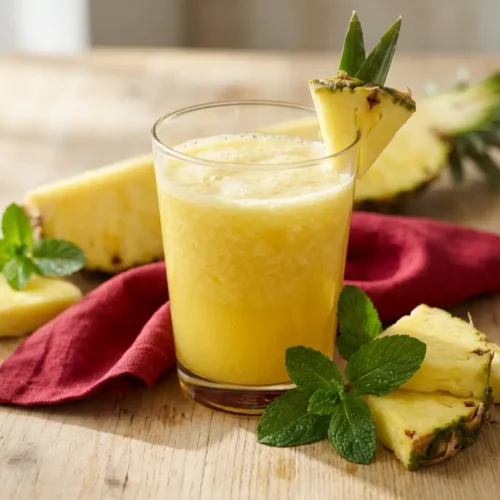
Fresh Pineapple Juice
Equipment
- High-speed blender or food processor
- Fine mesh strainer
- Large mixing bowl
- Sharp knife
- Cutting board
- Measuring cups
Ingredients
- 1 whole Fresh Pineapple ripe, about 3-4 pounds
- 1 inch Fresh Ginger Root peeled, for digestive benefits
- 2 tablespoons Fresh Lime Juice about 1 lime, for vitamin C boost
- 1-2 tablespoons Pure Honey optional, adjust to taste
- 6-8 leaves Fresh Mint Leaves optional, for refreshing twist
- 1/2 cup Cold Water filtered, adjust for desired consistency
Instructions
- Remove the pineapple skin and core completely. Cut the flesh into 1-inch chunks, removing any remaining eyes or tough spots.
- Peel the ginger root using a spoon edge to scrape away the skin, then roughly chop into small pieces.
- Add pineapple chunks, chopped ginger, and cold water to your high-speed blender or food processor.
- Blend on high speed for 60-90 seconds until the mixture is completely smooth and no chunks remain.
- Place a fine mesh strainer over a large mixing bowl and pour the blended mixture through it. Use a spoon to press the pulp and extract maximum juice.
- Stir in fresh lime juice and taste. Add honey gradually if additional sweetness is desired, stirring until completely dissolved.
- If using mint leaves, gently muddle 2-3 leaves in each serving glass before pouring the juice, or blend a few leaves with the pineapple for an infused flavor.
- Serve immediately over ice, or chill in refrigerator for 30 minutes for best flavor. Stir before serving as natural separation may occur.
Notes
One serving provides approximately 80mg vitamin C (90% daily value), digestive enzymes like bromelain, and anti-inflammatory compounds from ginger. STORAGE:
Fresh juice keeps refrigerated for up to 3 days in an airtight container. Natural separation is normal - simply stir before drinking. TROUBLESHOOTING:
If juice is too thick, add cold water 2 tablespoons at a time. If too tart, add honey or 2 pitted Medjool dates during blending. For smoother texture, strain twice through progressively finer mesh. SUBSTITUTION OPTIONS:
Replace honey with 2-3 pitted dates, maple syrup, or stevia to taste. Lemon juice can substitute for lime. Fresh turmeric root can replace ginger for anti-inflammatory benefits.
Nutrition Highlights (Per Serving – Approximate)
Understanding your food’s composition is key to balanced eating. Here is an approximate nutritional breakdown calculated for a standard serving based on wholesome preparation guidelines:
Culinary Selection Notes
- Adjusting sweetener densities or using refined-sugar alternatives will directly optimize the overall glycemic load without breaking structural balance.
- Focusing on high-quality whole fats maximizes trace micronutrient retention across low-temperature or baking environments.
Nutritional Information
Detailed Breakdown of Nutrients per Serving
One cup (240ml) of fresh pineapple juice provides significant amounts of essential vitamins and minerals. Vitamin C leads the nutritional profile with 78mg, followed by manganese (1.5mg) and vitamin B6 (0.2mg).
The natural sugar content consists primarily of fructose and glucose, providing quick energy for physical activities. Dietary fiber content remains minimal in strained juice, though whole fruit preparations retain more fibrous material.
Trace minerals including copper, potassium, and magnesium support various metabolic functions throughout the body. These micronutrients work synergistically to enhance overall absorption and utilization.
Comparing Fresh vs Store-Bought Pineapple Juice
Fresh homemade pineapple juice contains active bromelain enzymes that commercial pasteurization destroys completely. Heat treatment also reduces vitamin C content by approximately 15-25% compared to fresh preparations.
Store-bought varieties often include added sugars, preservatives, and artificial flavoring agents that alter nutritional composition. Reading ingredient labels reveals significant differences in additive content between premium and budget brands.
The benefits of pineapple juice remain highest when consumed fresh within 24-48 hours of extraction. Commercial processing extends shelf life but compromises enzymatic activity and vitamin potency.
Storage and Shelf Life
How to Store Fresh Pineapple Juice
Store fresh pineapple juice in airtight glass containers to prevent oxidation and flavor degradation. Refrigerate immediately after juicing and consume within 2-3 days for optimal taste and nutritional value.
Fill storage containers completely to minimize air exposure that accelerates vitamin C breakdown. Leave minimal headspace in bottles or jars to preserve enzymatic activity and prevent off-flavors.
Tips for Extending Freshness
Add a squeeze of fresh lemon juice to naturally preserve color and extend shelf life by 1-2 additional days. The citric acid acts as a natural antioxidant while complementing pineapple’s tropical flavor profile.
Freeze fresh pineapple juice in ice cube trays for convenient single-serving portions that maintain nutritional integrity. Frozen cubes last up to 6 months when stored in sealed freezer bags.
Consider portion control by freezing juice in small containers rather than large batches that require multiple thaw cycles. This approach prevents waste while maintaining consistent quality standards.
Best Pineapple Juice Brands and Homemade Vs Store-Bought
Premium organic pineapple juice brands typically offer superior flavor and nutritional profiles compared to conventional alternatives. Look for products with minimal ingredient lists containing only pineapple juice and natural vitamin C preservation.
Cold-pressed commercial varieties retain more nutrients than heat-processed options, though costs significantly exceed homemade preparations. Consider store-bought options for convenience while prioritizing fresh juice for optimal health benefits.
Homemade pineapple juice provides complete control over ingredient quality and processing methods while delivering maximum enzymatic benefits. The cost per serving often proves more economical than premium commercial alternatives when pineapples are purchased in season.
Quality differences become apparent when comparing fresh juice’s bright, complex flavor against commercial varieties’ often flat or overly sweet characteristics. The investment in fresh preparation yields superior taste and nutritional returns.
Conclusion and Final Tips
Creating your own fresh pineapple juice transforms ordinary hydration into a nutrient-dense experience that commercial varieties cannot match. The process requires minimal equipment while delivering maximum flavor and health benefits.
Remember to select ripe pineapples during peak season for optimal sweetness and enzyme content. Store fresh juice properly to maintain its nutritional integrity and vibrant tropical taste.
Experiment with natural flavor additions like ginger or mint to create personalized variations that suit your taste preferences. The versatility of homemade pineapple juice allows endless creative possibilities while maintaining its wholesome foundation.
For more tropical beverage inspiration, explore our pineapple coconut water recipe or discover refreshing alternatives like our green tea shot and Washington apple drink for year-round healthy beverage options.