Shrimp Scampi: Easy, Delicious Family-Friendly Recipe
Learn how to make perfect shrimp scampi in just 30 minutes with easy steps and simple ingredients. Get this family-friendly recipe today.
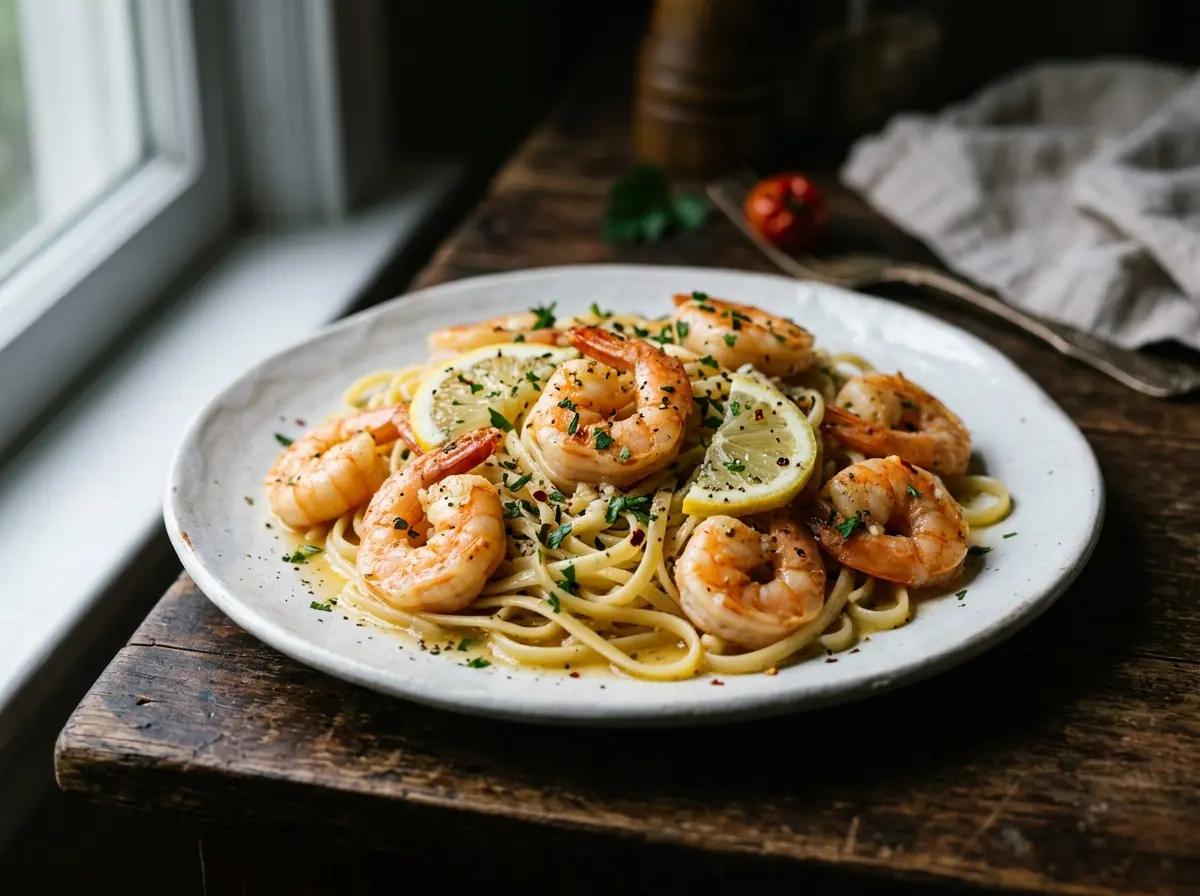
Shrimp scampi transforms simple ingredients into an elegant meal that feels restaurant-quality yet remains surprisingly approachable for home cooks. This beloved dish combines succulent shrimp with aromatic garlic, rich butter, and fresh herbs to create a sauce that perfectly coats tender pasta. With just 30 minutes from start to finish, you can deliver a memorable dinner that satisfies both weeknight convenience and special occasion expectations.
The secret lies in understanding how heat, timing, and ingredient quality work together to build layers of flavor. When done correctly, each shrimp remains plump and tender while the sauce achieves that perfect glossy consistency that clings beautifully to every strand of pasta. The aroma alone will draw everyone to the kitchen before you even plate the final dish.
Introduction
Garlic butter shrimp scampi represents the perfect marriage of Italian-American culinary tradition and modern convenience cooking. This dish originated from Italian coastal regions where fresh seafood met simple pantry staples to create something extraordinary. The beauty of this easy shrimp scampi lies in its versatility—it works equally well as a romantic dinner for two or a family-friendly meal that pleases even picky eaters.
Unlike complex seafood preparations that require specialized techniques, this best shrimp scampi recipe relies on fundamental cooking principles that any home cook can master. The key is building flavors gradually, allowing each component to contribute its unique characteristics without overwhelming the delicate sweetness of the shrimp. Understanding these basics transforms what could be a simple pasta dish into something memorable and sophisticated.
What makes this version particularly appealing is its adaptability to different dietary needs and preferences. Whether you’re looking for a gluten-free option, need to avoid certain ingredients, or want to make it ahead for busy weeknights, this recipe framework provides the flexibility to customize while maintaining the essential character that makes shrimp scampi with pasta so beloved.
Ingredients
The foundation of exceptional garlic butter shrimp scampi starts with selecting quality ingredients that complement rather than compete with each other. Fresh shrimp provides the protein centerpiece, while garlic, butter, and herbs create the aromatic base that defines the dish. Each ingredient serves a specific purpose in building the complex yet balanced flavor profile that characterizes great scampi.
For families avoiding alcohol, chicken or vegetable broth makes an excellent substitute that maintains the sauce’s depth without compromising flavor. High-quality olive oil enhances the butter’s richness while providing a fruity backdrop that brightens the overall taste. Fresh lemon juice adds the essential acidic note that balances the richness and helps the flavors meld together harmoniously.
Essential Substitution Guidelines
Butter alternatives like ghee or high-quality plant-based options work well for those with dairy sensitivities. For gluten-free versions, rice pasta or chickpea pasta provides excellent texture while maintaining the dish’s integrity. Fresh herbs can be substituted with dried versions using a 1:3 ratio, though fresh parsley and basil deliver superior flavor and visual appeal.
Sea salt and freshly ground black pepper seem basic, but they’re crucial for enhancing the natural flavors without masking them. Red pepper flakes add optional heat that many families enjoy, while grated Parmesan cheese provides a savory finish that ties all elements together beautifully.
Preparing the Shrimp
Proper shrimp preparation forms the foundation of successful quick shrimp scampi, affecting both texture and flavor absorption. The size and preparation method you choose directly impacts cooking time and final presentation. Understanding these basics ensures your shrimp remain tender and flavorful rather than tough and rubbery.
How to Devein and Peel Shrimp Properly
Start by removing the shell, beginning at the legs and working toward the tail—leaving the tail on is optional but provides visual appeal. Make a shallow cut along the back curve of the shrimp, about 1/4 inch deep. This exposes the dark vein running along the back, which should be removed with the tip of your knife or rinsed away under cold water.
Pat each shrimp completely dry with paper towels after deveining. Moisture prevents proper browning and can cause the garlic butter sauce to separate. Season the cleaned shrimp lightly with salt and pepper just before cooking—seasoning too early can draw out moisture and affect texture.
For visual consistency, try to select shrimp of uniform size within the 16-20 count range. This ensures even cooking and professional-looking presentation. Smaller shrimp cook too quickly and can become overcooked before the sauce develops, while larger ones may not cook through in the timeframe needed for optimal sauce consistency.
Tips for Using Frozen vs Fresh Shrimp
Frozen shrimp often provides better value and quality than “fresh” shrimp that may have been previously frozen and thawed. When using frozen shrimp, thaw them completely in cold water, changing the water every 15 minutes until fully defrosted. Never use warm water, as this begins cooking the exterior while leaving the interior frozen.
Fresh shrimp should smell like the ocean—clean and slightly sweet—never fishy or ammonia-like. They should feel firm to the touch with translucent flesh and no dark spots. Purchase fresh shrimp the same day you plan to cook for optimal flavor and food safety.
Regardless of whether you start with fresh or frozen, the final preparation steps remain identical. The key is ensuring the shrimp reach room temperature before cooking, which promotes even heat distribution and prevents the garlic from burning while waiting for cold shrimp to cook through.
Cooking the Pasta
The pasta component of family-friendly shrimp scampi requires attention to timing and technique to achieve the perfect texture that complements rather than competes with the delicate seafood. Proper pasta preparation ensures the final dish maintains its intended consistency and allows the sauce to adhere properly to each strand.
Choosing the Right Pasta
Long, thin pasta shapes like linguine, angel hair, or spaghetti work best because they allow the garlic butter sauce to coat evenly while providing the right proportion of pasta to shrimp in each bite. Linguine is the traditional choice, offering enough surface area for sauce adherence without overwhelming the delicate shrimp flavors.
For gluten-free options, rice-based linguine maintains the closest texture to traditional wheat pasta. Chickpea or lentil pasta provides additional protein but requires slightly different cooking times—typically 1-2 minutes less than package directions to avoid mushiness.
Avoid thick or tubular pasta shapes like penne or rigatoni, as they don’t integrate well with the light sauce consistency. The goal is achieving harmony between all components rather than having distinct separate elements on the plate.
Cooking Pasta to Perfect Texture (Al Dente)
Use a large pot with plenty of salted water—approximately 4-6 quarts for one pound of pasta. The water should taste like mild seawater, which seasons the pasta from within and prevents bland results that even the best sauce can’t remedy.
Cook the pasta 1-2 minutes less than package directions specify, as it will finish cooking when combined with the hot sauce and shrimp. This technique, called “finishing in the pan,” allows the pasta to absorb flavors while achieving the perfect al dente texture.
Reserve at least one cup of pasta cooking water before draining. This starchy liquid becomes crucial for adjusting sauce consistency and helping everything bind together properly. The starches in pasta water act as a natural emulsifier, creating silky, restaurant-quality sauce texture.
Making the Sauce
The garlic butter sauce defines the character of excellent healthy shrimp scampi, transforming simple ingredients into something luxurious and memorable. Temperature control and timing are critical—too high heat burns the garlic while too low heat fails to develop the complex flavors that make this sauce special.
Garlic Butter Sauce Basics
Start with medium heat and high-quality butter, allowing it to melt slowly without browning. Fresh garlic should be minced finely and added to the warm butter, cooking just until fragrant—approximately 30-60 seconds. The garlic should sizzle gently without turning brown, which would introduce bitter flavors.
Add the broth or liquid gradually, whisking constantly to prevent separation. The mixture should simmer gently rather than boil vigorously, which helps maintain the emulsion and prevents the butter from breaking. Fresh lemon juice goes in toward the end to preserve its bright acidity.
Quality matters significantly in this simple sauce. European-style butter with higher fat content creates richer flavor and better emulsion stability. Fresh garlic provides more complex flavor than pre-minced varieties, while good olive oil adds fruity notes that complement the butter’s richness.
Adjusting Sauce Consistency
The perfect sauce consistency coats the back of a spoon without being thick or gluey. If the sauce appears too thin, add a small amount of cold butter piece by piece, whisking constantly. This technique, called “mounting,” creates glossy richness while thickening naturally.
When the sauce seems too thick or begins to separate, pasta cooking water becomes your rescue tool. Add small amounts gradually while whisking, using the starches to re-establish proper emulsion. The goal is achieving a silky texture that will cling to pasta without pooling at the bottom of the bowl.
Temperature management remains crucial throughout this process. If the sauce gets too hot, remove it from heat temporarily while continuing to whisk. A properly made garlic butter sauce should look glossy and unified, never greasy or broken into separate components.
Combining Pasta and Shrimp
The final assembly stage determines whether your baked shrimp scampi achieves restaurant-quality results or falls flat despite perfect individual components. This crucial step requires coordination and understanding of how heat, timing, and technique work together to create a unified dish where every element enhances the others.
Add the cooked shrimp to the warm sauce first, allowing them to absorb flavors while staying heated through. The residual heat keeps them warm without continued cooking that would make them tough. Toss gently to ensure even coating while maintaining the shrimp’s tender texture.
Introduce the al dente pasta to the sauce-shrimp mixture using tongs or a large spoon, lifting and folding rather than stirring aggressively. This gentle motion prevents breaking the pasta while ensuring every strand gets coated properly. The pasta should finish cooking in the sauce, absorbing flavors while contributing its starches to the overall consistency.
Flavor Integration Techniques
Allow the combined mixture to rest off heat for 1-2 minutes before serving. This brief pause lets flavors meld while the pasta absorbs sauce without becoming soggy. The residual heat continues the cooking process gently, achieving perfect texture balance.
Fresh herbs should be added during this resting period, wilting slightly from the heat while maintaining their bright color and fresh flavor. Grated cheese, if using, goes in just before serving to prevent clumping while ensuring even distribution throughout the dish.
Taste and adjust seasoning at this final stage, adding salt, pepper, or lemon juice as needed. The flavors should be balanced—rich but not heavy, garlicky but not overpowering, with bright acidity cutting through the butter’s richness to keep each bite interesting and satisfying.
Variations and Healthier Options
Creating family-friendly versions of this 30-minute shrimp scampi opens up possibilities for accommodating different dietary needs without sacrificing the essential character that makes this dish beloved. Smart substitutions and modifications can reduce calories, eliminate allergens, or adapt the recipe for specific nutritional goals while maintaining delicious results.
Wine-Free Family Versions
Chicken broth provides excellent depth and complexity without alcohol concerns. Vegetable broth works equally well for lighter flavor profiles or vegetarian households. Both options maintain the sauce’s liquid component while contributing savory notes that enhance rather than compete with the garlic and shrimp.
Lemon juice becomes even more important in alcohol-free versions, providing the acidic balance traditionally supplied by white wine. Increase the lemon juice slightly and consider adding a splash of white grape juice for subtle sweetness that mimics wine’s complexity.
Fresh herbs play a more prominent role in these variations, with basil, oregano, and thyme adding aromatic complexity. A pinch of red pepper flakes introduces warmth without overwhelming young palates, while extra garlic provides the robust flavor foundation that makes the dish satisfying for adults.
Gluten-Free Adaptations
Rice-based pasta maintains the closest texture to traditional wheat varieties while remaining completely gluten-free. Cook it slightly less than package directions suggest, as gluten-free pasta tends to become mushy more quickly than wheat pasta when finished in the sauce.
Ensure all other ingredients are certified gluten-free, particularly chicken broth and any seasonings or cheese. Many commercial products contain hidden gluten sources that could affect sensitive individuals, so careful label reading becomes essential for safe preparation.
The cooking techniques remain identical for gluten-free versions, though you may need slightly more pasta cooking water to achieve proper sauce consistency. Gluten-free pasta releases different starches that may require adjustment to achieve the same silky texture.
Healthier Butter Alternatives
Olive oil-based versions reduce saturated fat while providing heart-healthy monounsaturated fats. Use a combination of olive oil and a small amount of butter for richness, or try ghee for lactose-free richness with traditional butter flavor.
Plant-based butter alternatives work well in this application, though choose varieties specifically designed for cooking rather than spreading. These products typically have higher melting points and better emulsion properties for sauce-making.
Avocado oil provides neutral flavor and high heat tolerance, making it excellent for the initial shrimp cooking while contributing healthy fats. Finish with a smaller amount of butter or butter alternative for the signature richness that defines great scampi.
Meal Prep and Storage
Strategic meal prep transforms this elegant dish into a practical weeknight solution without compromising quality or flavor. Understanding which components can be prepared ahead and how to store them properly ensures you can enjoy restaurant-quality shrimp scampi meal prep even on the busiest evenings.
Best Practices for Make-Ahead
Prepare the shrimp through the cleaning and seasoning stage up to 24 hours in advance, storing them covered in the refrigerator. Pre-minced garlic can be prepared the same day but shouldn’t sit longer as it develops bitter compounds over time.
Cook pasta slightly more al dente than usual if preparing ahead, as it will soften further during reheating. Toss the cooled pasta with a small amount of olive oil to prevent sticking, then store in airtight containers for up to 3 days in the refrigerator.
The sauce components can be measured and organized in advance, but the actual sauce should be made fresh for best results. Having everything prepped and ready allows the final cooking to happen quickly while maintaining optimal texture and flavor in each component.
Storing Leftovers Safely
Cool leftover scampi to room temperature within 2 hours of cooking, then refrigerate in shallow containers for even cooling. Properly stored leftovers remain safe and delicious for 3-4 days in the refrigerator at 40°F or below.
Freeze portions in airtight containers for up to 3 months, though the texture changes slightly upon thawing. Label containers with contents and date to maintain quality control and ensure food safety compliance.
Separate any garnishes like fresh herbs or cheese before storing, adding them fresh upon reheating for best flavor and appearance. The pasta and shrimp components freeze well together, making this an excellent candidate for batch cooking and portion control.
Reheating Tips Without Losing Flavor or Texture
Gentle stovetop reheating preserves texture better than microwave methods. Add a splash of broth or water to the pan with the cold scampi, heating over medium-low heat while stirring gently until warmed through.
Avoid high heat during reheating, as this toughens the shrimp and can cause sauce separation. The goal is warming the dish evenly while maintaining the original textures and preventing overcooking of the seafood.
Fresh lemon juice and herbs added during reheating restore brightness and freshness to stored portions. A small pat of butter stirred in at the end can refresh the sauce’s richness and glossy appearance, making leftovers taste nearly as good as freshly made portions.
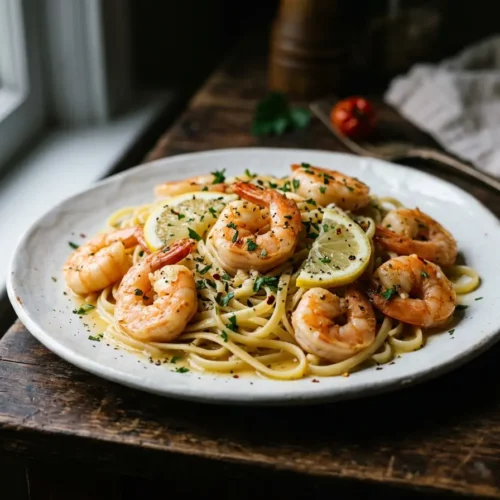
Classic Shrimp Scampi
Equipment
- Large Skillet or Sauté Pan
- Large Pot for Pasta
- Colander
- Tongs
- Sharp knife
- Cutting board
Ingredients
- 12 oz Linguine or Angel Hair Pasta or gluten-free pasta if needed
- 1 tablespoon Salt for pasta water
- 1.5 lbs Large Shrimp peeled, deveined, tails removed
- 4 tablespoons Unsalted Butter or olive oil for dairy-free option
- 2 tablespoons Extra Virgin Olive Oil
- 6 cloves Garlic minced
- 1/2 cup Low-Sodium Chicken Broth or vegetable stock for vegetarian option
- 3 tablespoons Fresh Lemon Juice about 1 large lemon
- 1/4 teaspoon Red Pepper Flakes optional, adjust to taste
- 1/2 teaspoon Salt
- 1/4 teaspoon Black Pepper freshly ground
- 1/3 cup Fresh Parsley chopped, or substitute with fresh basil or chives
- 1/4 cup Parmesan Cheese grated, optional for serving
Instructions
- Bring a large pot of water to a rolling boil. Add 1 tablespoon salt and stir to dissolve.
- Add pasta and cook according to package directions until al dente, usually 8-10 minutes. Reserve 1/2 cup pasta cooking water before draining.
- Drain pasta in colander and set aside. Do not rinse.
- While pasta cooks, pat shrimp completely dry with paper towels. Season both sides with salt and pepper.
- Heat olive oil in a large skillet over medium-high heat until shimmering but not smoking.
- Add shrimp in a single layer, ensuring they don't overlap. Cook for 2-3 minutes until pink and opaque on one side, then flip and cook 1-2 minutes more until cooked through. Remove shrimp to a plate.
- In the same skillet, reduce heat to medium and add butter. Once melted, add minced garlic and red pepper flakes. Sauté for 30-60 seconds until fragrant but not browned.
- Pour in chicken broth and lemon juice. Bring to a gentle simmer and cook for 2-3 minutes, allowing the liquid to reduce slightly.
- Return cooked shrimp to the skillet and toss to coat in the sauce. Cook for 1 minute to reheat.
- Add the drained pasta to the skillet and toss with tongs to combine. If the mixture seems dry, add reserved pasta water 1 tablespoon at a time until desired consistency is reached.
- Remove from heat and stir in fresh parsley. Taste and adjust seasoning with additional salt, pepper, or lemon juice as needed.
- Serve immediately in warmed bowls, topped with grated Parmesan cheese if desired.
Notes
Look for shrimp that are firm, translucent, and smell fresh like the ocean. Avoid any with black spots or strong fishy odors. Pat completely dry before seasoning to ensure proper searing. VISUAL DONENESS CUES:
Shrimp are perfectly cooked when they turn pink and opaque, curling into a loose C-shape. Overcooked shrimp will curl tightly and become rubbery. SAUCE TROUBLESHOOTING:
If sauce appears to separate or look oily, remove from heat and whisk in 1-2 tablespoons of reserved pasta water to re-emulsify. The starch helps bind the sauce. STORAGE:
Store leftovers in refrigerator for up to 2 days. Reheat gently in a skillet over low heat, adding a splash of broth or pasta water to loosen the sauce. SCALING:
This recipe easily doubles for larger groups. Use a larger skillet or cook shrimp in batches to avoid overcrowding, which leads to steaming instead of searing.
Nutrition Highlights (Per Serving – Approximate)
Understanding your food’s composition is key to balanced eating. Here is an approximate nutritional breakdown calculated for a standard serving based on wholesome preparation guidelines:
Culinary Selection Notes
- Adjusting sweetener densities or using refined-sugar alternatives will directly optimize the overall glycemic load without breaking structural balance.
- Focusing on high-quality whole fats maximizes trace micronutrient retention across low-temperature or baking environments.
Frequently Asked Questions
Why does my sauce separate or look greasy?
Sauce separation typically occurs when the temperature gets too high or when ingredients are added too quickly. Keep heat at medium or below and add liquid components gradually while whisking constantly. If separation occurs, remove from heat and whisk in small amounts of pasta water to re-establish the emulsion.
Using cold butter and adding it piece by piece at the end helps create a stable emulsion. Quality ingredients also matter—higher fat European butter creates more stable sauces than lower-fat alternatives.
How can I prevent overcooked, rubbery shrimp?
Shrimp cook very quickly and continue cooking from residual heat even after removal from the stove. Cook just until they turn pink and start to curl—usually 2-3 minutes per side depending on size. Remove from heat immediately and let residual heat finish the cooking process.
Starting with room temperature shrimp ensures even cooking and prevents the garlic from burning while waiting for cold shrimp to cook through. Pat shrimp completely dry before cooking to promote proper browning.
Can I make this dish dairy-free?
Yes, substitute high-quality plant-based butter or use olive oil exclusively for a dairy-free version. The technique remains the same, though you may need to adjust seasoning slightly as plant-based alternatives have different flavor profiles than traditional butter.
Nutritional yeast can replace Parmesan cheese for a dairy-free option that still provides savory umami flavors. Start with small amounts and adjust to taste.
What’s the best way to reheat leftover scampi?
Gentle stovetop reheating works best to maintain texture and prevent overcooking. Add a splash of broth or water to prevent sticking and heat over medium-low temperature while stirring gently. Avoid microwaving if possible, as it tends to make shrimp rubbery.
Fresh herbs and a squeeze of lemon juice added during reheating help restore the dish’s brightness and fresh flavor.
What to Serve With Shrimp Scampi
The right accompaniments enhance shrimp scampi without competing with its delicate flavors and elegant presentation. Choose sides that complement the garlic butter richness while providing textural contrast and nutritional balance for a complete, satisfying meal.
Vegetable Companions
Crisp, lightly steamed asparagus provides excellent color contrast and a fresh, clean flavor that cuts through the richness. Roasted cherry tomatoes add sweetness and acidity that complements the lemon in the sauce. Simple steamed broccoli or green beans offer nutritional value without overwhelming the delicate seafood flavors.
A mixed green salad with light vinaigrette helps cleanse the palate between bites while adding fresh vegetables to balance the rich pasta dish. Arugula works particularly well, providing peppery notes that enhance the garlic without competing with it.
Bread and Starch Options
Crusty Italian bread or garlic breadsticks allow diners to soak up every drop of the precious garlic butter sauce. Keep bread simple to avoid overwhelming the dish’s elegant simplicity. Warm, crusty bread with a light brush of olive oil and herbs complements without competing.
For those wanting additional starch, creamy risotto or herb-roasted potatoes work well as side dishes, though the pasta component typically provides sufficient carbohydrates for most appetites.
Consider serving spicy shrimp tacos as an alternative preparation method for variety, or explore calamari recipes for additional seafood inspiration. For pasta lovers, creamy cajun pasta offers another flavorful option with different spice profiles.
Conclusion
Mastering shrimp scampi opens the door to countless variations and confident seafood cooking that will impress family and guests alike. The techniques you’ve learned—proper shrimp preparation, sauce emulsion, and timing coordination—transfer directly to other seafood dishes and expand your culinary repertoire significantly.
This recipe succeeds because it respects both the ingredients and the cooking process, allowing each element to contribute its best qualities to the final dish. Whether you’re preparing a quick weeknight dinner or an elegant weekend meal, these fundamentals ensure consistent, delicious results every time you make this beloved classic.
Remember that great cooking comes from understanding principles rather than just following steps. As you become more comfortable with these techniques, feel free to experiment with additional herbs, different pasta shapes, or complementary vegetables to make this dish uniquely yours while maintaining its essential character and appeal.