Semifreddo Secrets: 5 Easy Steps for Perfect Frozen Dessert
Learn how to make the perfect semifreddo with our easy 5-step recipe for a creamy, airy frozen dessert. Get the recipe and start today!
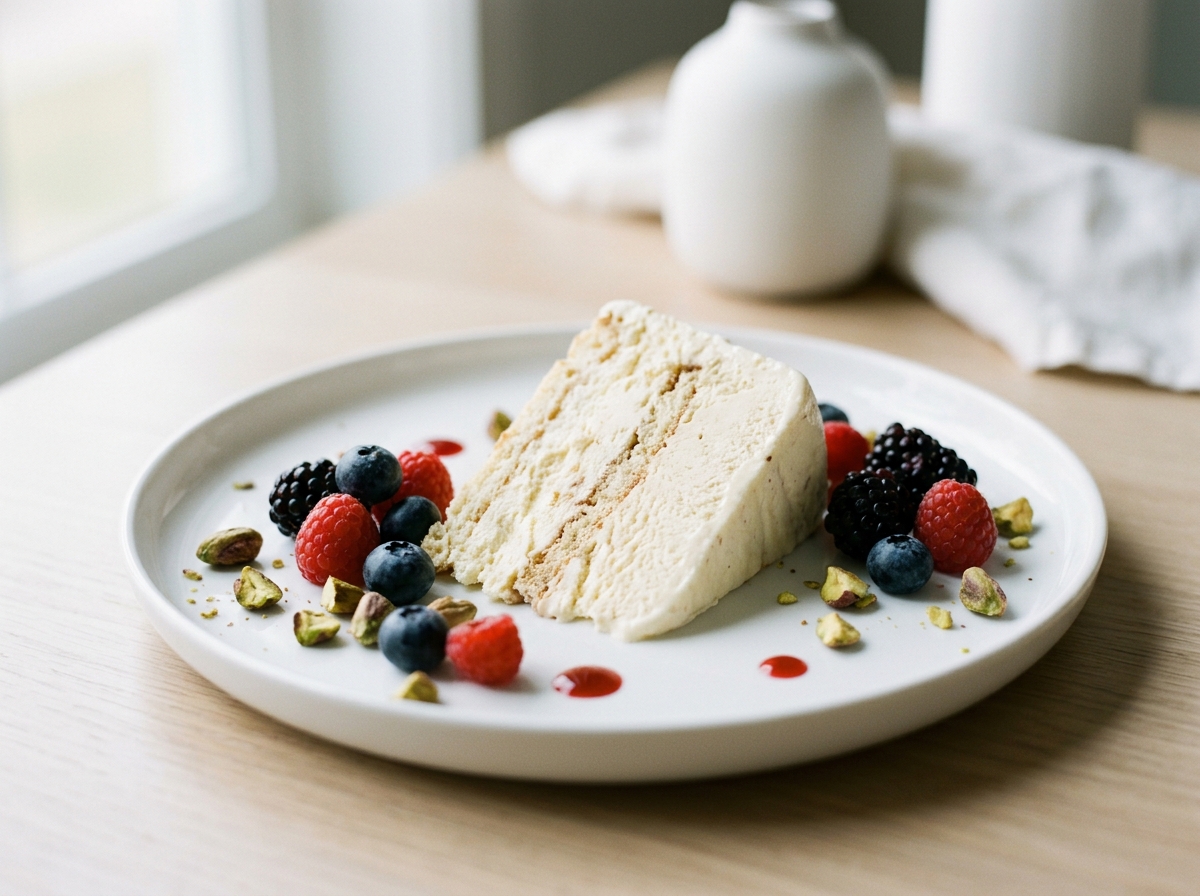
Discovering the art of semifreddo opens doors to one of Italy’s most beloved frozen desserts – a silky, mousse-like treat that requires no ice cream maker yet delivers restaurant-quality results. This half-frozen Italian dessert strikes the perfect balance between creamy gelato and airy mousse, creating an elegant dessert that’s surprisingly accessible for home cooks.
The beauty of semifreddo lies in its forgiving nature and incredible versatility. Unlike traditional ice cream that demands precise churning, this frozen mousse dessert relies on careful folding techniques and proper freezing to achieve its signature texture. Whether you’re planning a dinner party or seeking a make-ahead dessert solution, semifreddo delivers sophistication without complexity.
What is Semifreddo?
Semifreddo translates literally to “half-cold” in Italian, perfectly describing this dessert’s unique texture that sits between frozen solid and completely soft. This frozen mousse dessert combines the richness of custard with the lightness of whipped cream, creating a spoonable consistency that doesn’t require the intense churning of traditional ice cream.
History and Origin
Originating in Northern Italy during the Renaissance period, semifreddo was initially created as a way to serve elegant frozen desserts without modern refrigeration technology. Italian pastry chefs discovered that combining egg-based custards with whipped cream created a naturally stable frozen texture that maintained its creamy consistency even without constant churning.
The dessert gained popularity throughout Europe as a sophisticated alternative to heavier frozen treats. Today’s versions maintain the traditional technique while embracing modern dietary preferences and flavor innovations.
How Semifreddo Differs from Gelato and Ice Cream
Unlike gelato and ice cream, which require churning to incorporate air and prevent ice crystal formation, this half-frozen Italian dessert achieves its texture through folding techniques. The absence of churning creates a denser, more luxurious mouthfeel while the careful balance of fats and proteins prevents the formation of large ice crystals.
Traditional ice cream contains approximately 10-16% butterfat and requires constant agitation during freezing. Semifreddo typically contains higher fat content from cream and egg yolks, creating natural stability without mechanical intervention.
Essential Ingredients
The foundation of any successful semifreddo recipe relies on understanding how each ingredient contributes to the final texture and flavor profile. Quality ingredients make a noticeable difference in both taste and structural integrity.
Traditional Ingredients
Heavy cream forms the backbone of semifreddo, providing richness and stability when whipped to soft peaks. Egg yolks contribute emulsification properties and create the custard base that prevents ice crystal formation. Sugar not only sweetens but also affects freezing point, contributing to the characteristic soft texture.
Pure vanilla extract enhances flavor complexity without overpowering the delicate dairy notes. Some recipes incorporate mascarpone cheese or cream cheese for additional richness and tang, creating depth that distinguishes homemade versions from commercial alternatives.
Natural Sweetener Alternatives
Honey works exceptionally well in semifreddo, contributing moisture retention properties that enhance the creamy texture. Maple syrup adds complexity while maintaining the smooth consistency. Coconut sugar provides subtle caramel notes, though it may slightly alter the color.
When substituting sweeteners, maintain the liquid-to-dry ratio carefully. Reduce other liquids by approximately 1-2 tablespoons when using liquid sweeteners like honey or maple syrup to prevent texture issues.
Dairy-Free and Egg-Free Options
Coconut cream (the thick portion from chilled coconut milk) creates an excellent dairy-free base with similar fat content to heavy cream. Cashew cream, made from soaked and blended cashews, provides neutral flavor and smooth texture.
For egg-free versions, aquafaba (chickpea liquid) whips to peaks similar to egg whites, while cornstarch or arrowroot powder can provide thickening properties traditionally supplied by egg yolks. These adaptations require slightly longer freezing times but produce satisfying results.
Equipment Needed
Creating professional-quality no-churn semifreddo requires minimal specialized equipment, making it accessible to home cooks with basic kitchen tools. The key lies in understanding how each piece of equipment contributes to the final result.
No Ice Cream Maker Required
The beauty of semifreddo lies in its simplicity – no churning machinery necessary. This makes it perfect for households without ice cream makers or those seeking low-maintenance frozen dessert options. The technique relies entirely on proper whipping and folding methods.
This approach also means less cleanup, reduced preparation time, and no concerns about ice cream maker capacity limitations. Multiple flavors can be prepared simultaneously using the same basic equipment.
Suggested Tools for Best Results
A stand mixer or hand mixer with multiple speed settings ensures proper cream and egg white incorporation. Large mixing bowls prevent spillage during the whipping process. A flexible rubber spatula facilitates gentle folding without deflating the mixture.
Loaf pans lined with plastic wrap create easy unmolding, while springform pans work well for larger batches. An instant-read thermometer helps monitor custard base temperature when preparing cooked versions. Fine-mesh strainers remove any lumps for silky-smooth texture.
Nutrition Highlights (Per Serving – Approximate)
Understanding your food’s composition is key to balanced eating. Here is an approximate nutritional breakdown calculated for a standard serving based on wholesome preparation guidelines:
Culinary Selection Notes
- Adjusting sweetener densities or using refined-sugar alternatives will directly optimize the overall glycemic load without breaking structural balance.
- Focusing on high-quality whole fats maximizes trace micronutrient retention across low-temperature or baking environments.
Step-by-Step Instructions
Mastering semifreddo technique requires understanding the science behind each step. Proper timing and temperature control create the signature texture that distinguishes this dessert from other frozen treats.
Preparing the Base Mixture
Begin by separating eggs at room temperature, as warmer eggs whip more easily and create greater volume. If preparing a cooked custard base, heat cream gently to 170°F (77°C) – hot enough to dissolve sugar completely but not so hot that it scrambles the eggs when combined.
When combining hot cream with egg yolks, temper gradually by adding small amounts of hot liquid while whisking constantly. This prevents curdling and ensures smooth integration. Cool the mixture completely before proceeding to maintain proper texture development.
Whipping and Folding Techniques
Whip cream to soft peaks – overwhipping creates grainy texture and potential separation during freezing. The cream should hold its shape but still appear smooth and glossy. Similarly, egg whites should reach soft to medium peaks, providing structure without becoming too stiff to fold properly.
Folding technique is crucial for maintaining airiness. Use a rubber spatula to cut down through the center of the mixture, then sweep under and up the sides. Rotate the bowl quarter-turns between folds, working quickly but gently to preserve the incorporated air.
Freezing and Setting Tips
Line molds with plastic wrap, leaving overhang for easy removal. Pour mixture gently to avoid deflating, then tap lightly to eliminate air bubbles. Cover tightly with plastic wrap directly touching the surface to prevent ice crystals from forming.
Freeze for minimum 4 hours, though overnight produces optimal texture. Avoid temperature fluctuations by placing in the back of the freezer where temperature remains most consistent. The ideal serving consistency develops after 6-8 hours of freezing.
Unmolding and Slicing
Remove from freezer 10-15 minutes before serving to achieve the perfect slicing consistency. Use the plastic wrap overhang to lift semifreddo from the mold, then peel away the wrap. A sharp knife dipped in warm water between cuts creates clean slices without dragging.
For individual portions, consider using silicone molds that flex easily for removal. Ramekins work well but may require brief immersion in warm water to loosen the edges before turning out.
Serving Suggestions
Presenting Italian semifreddo dessert beautifully enhances the dining experience and showcases the elegant texture you’ve achieved. Simple accompaniments often work best, allowing the creamy base to shine while adding complementary flavors and textures.
Family-Friendly Flavor Combinations
Fresh berries provide natural sweetness and vibrant color contrast against the pale cream base. Toasted nuts add textural interest without overpowering the delicate flavors. Chocolate shavings or cocoa powder dusting creates visual appeal while contributing bitter notes that balance the richness.
Fruit compotes made from seasonal produce offer warmth and acidity that cuts through the cream’s richness. Simple biscotti or crisp cookies provide pleasant textural contrast. Consider serving alongside other frozen treats for variety during summer gatherings.
Presentation Tips for Home Cooks
Chilled plates help maintain the semifreddo’s texture during serving. Drizzle sauces in decorative patterns around the plate rather than directly on top to preserve the clean appearance. Fresh mint sprigs add color and aromatic appeal without competing flavors.
Individual portion sizes should be modest – semifreddo is rich and satisfying in smaller quantities. Consider using an ice cream scoop warmed in hot water for perfectly rounded portions that hold their shape beautifully on the plate.
Storage and Make-Ahead Tips
The make-ahead dessert nature of semifreddo makes it ideal for entertaining, as it actually improves with proper storage time. Understanding optimal storage conditions ensures consistent quality and prevents common texture issues.
Proper Storage Methods
Wrap semifreddo tightly in plastic wrap, ensuring no air pockets remain against the surface. Place in an airtight container for additional protection against freezer odors and temperature fluctuations. Label with preparation date for optimal rotation.
Store in the main freezer compartment rather than the door, where temperature variations occur more frequently. Maintain consistent freezer temperature at 0°F (-18°C) for best texture preservation. Avoid storing near items with strong odors, as semifreddo can absorb flavors.
Freeze Duration and Defrosting
Properly stored semifreddo maintains quality for up to 1 month, though optimal texture occurs within the first two weeks. After this period, ice crystals may begin forming, affecting the smooth consistency. Mark storage dates clearly to track freshness.
Never defrost completely before serving – semifreddo should maintain its semi-frozen state. Allow 10-15 minutes at room temperature for optimal slicing and serving consistency. Partially thawed semifreddo can be refrozen once, though texture may be slightly compromised.
Timing for Make-Ahead Preparation
Prepare semifreddo 1-3 days before serving for optimal texture development. This timeline allows flavors to meld while maintaining the characteristic creamy consistency. Avoid making more than a week in advance unless necessary.
For large gatherings, consider preparing multiple smaller portions rather than one large batch. Individual servings unmold more easily and allow for better portion control. This approach also accommodates different flavor preferences within the same meal.
Troubleshooting Common Issues
Understanding common semifreddo challenges and their solutions helps ensure consistent success. Most issues stem from temperature control, timing, or ingredient proportions that can be easily corrected with proper technique.
Texture Problems and Fixes
Icy texture typically results from inadequate fat content or overly rapid freezing. Ensure proper cream-to-liquid ratios and avoid placing hot mixture directly in the freezer. If texture is already compromised, allow partial thawing and re-whip gently before refreezing.
Dense, heavy texture often indicates overfolding, which deflates incorporated air. Practice gentle folding techniques and avoid mixing once the mixture appears uniform. Grainy texture may result from overwhipped cream or insufficient cooling before combining components.
Taste and Sweetness Adjustments
Sweetness levels can be adjusted during preparation by tasting the base mixture before freezing. Remember that freezing diminishes perceived sweetness, so the mixture should taste slightly oversweetened at room temperature. Add extracts or flavorings gradually, as frozen desserts require more intensity.
If the finished semifreddo tastes too sweet, serve with tart accompaniments like berry compotes or citrus zest. Insufficient flavor often indicates under-extraction of vanilla or other flavorings – increase quantities by 25% for frozen applications compared to room-temperature desserts.
Recipe Variations
The versatility of easy semifreddo recipe techniques allows for endless creativity while maintaining the fundamental structure that creates the signature texture. Each variation builds upon the basic method while introducing unique flavors and dietary accommodations.
Seasonal Fruit Semifreddo
Summer berries work exceptionally well, as their natural acidity balances the rich cream base. Puree fresh strawberries, raspberries, or peaches and strain to remove seeds before folding into the base mixture. Stone fruits like apricots or plums should be cooked briefly to concentrate flavors and reduce water content.
Winter citrus offers bright flavors that cut through richness beautifully. Use fresh lemon, lime, or orange zest along with small amounts of juice – too much liquid can prevent proper setting. Blood oranges create stunning color while providing complex sweet-tart flavor profiles.
Chocolate and Nut Varieties
Melted chocolate should be cooled slightly before incorporation to prevent seizing when it contacts the cold cream mixture. Dark chocolate provides sophisticated bitter notes, while milk chocolate creates family-friendly sweetness. Cocoa powder can be sifted directly into the base for intense chocolate flavor without added fats.
Toasted nuts contribute textural interest and complex flavors. Hazelnuts, almonds, or pistachios should be finely chopped to prevent large pieces from interfering with the smooth texture. Nut butters can be incorporated for intense flavor, though they may slightly alter the final consistency.
Vegan and Allergies Friendly Options
Coconut cream provides excellent richness and stability for dairy-free versions. Chill canned coconut milk overnight, then use only the solid cream portion for whipping. Cashew cream creates neutral flavor profiles that showcase added ingredients without competing tastes.
Aquafaba (chickpea liquid) substitutes effectively for egg whites in providing structure and lightness. Whip until soft peaks form, similar to traditional egg white preparation. These versions may require slightly longer freezing times but produce satisfying results for those with dietary restrictions.
Expert Tips and Final Notes
Mastering semifreddo techniques opens possibilities for creating restaurant-quality frozen desserts at home. These final considerations help elevate your results from good to exceptional while maintaining the approachable nature that makes this dessert so appealing.
Italian Authenticity Angle
Traditional Italian semifreddo emphasizes simplicity and quality ingredients over complex techniques. Authentic versions often feature seasonal ingredients and regional specialties – Sicilian pistachios, Amalfi lemons, or Piedmont hazelnuts. The focus remains on showcasing these premium ingredients rather than masking them with excessive sweetness or artificial flavors.
Italian pastry chefs prize texture above all else in semifreddo preparation. The goal is achieving perfect balance between richness and lightness, creating a dessert that feels indulgent yet refreshing. This philosophy guides ingredient selection and technique application throughout the process.
No-Churn Convenience
The no-churn semifreddo method offers significant advantages beyond equipment savings. The technique produces more consistent results since it doesn’t depend on churning speed or timing variables. This reliability makes it ideal for novice frozen dessert makers or busy home cooks seeking guaranteed success.
Additionally, the method allows for easy scaling – double or triple recipes work just as well as single batches. This flexibility proves invaluable when entertaining large groups or preparing multiple flavors simultaneously. Consider this frozen dessert approach as your go-to method for impressive results with minimal effort.
Elegant Presentation and Serving Temperature Recommendations
Optimal serving temperature for semifreddo ranges from 10-15°F (-12 to -9°C), slightly warmer than traditional ice cream. This temperature allows the characteristic creamy texture to shine while maintaining structural integrity. Use an instant-read thermometer to verify temperature if consistency seems off.
Professional presentation techniques include warming the serving spoon briefly in hot water, creating clean scoops that hold their shape beautifully. Garnish simply – a few fresh berries, a light dusting of cocoa, or a delicate mint sprig enhances without overwhelming the elegant simplicity that defines this classic Italian dessert.
Classic Vanilla Semifreddo
Equipment
- Stand Mixer or Hand Mixer
- Large mixing bowl
- Medium Mixing Bowl
- Loaf Pan (8x4 inch)
- Plastic wrap
- Rubber Spatula
- Fine mesh strainer
- Measuring cups and spoons
Ingredients
- 2 cups Heavy Cream chilled, or coconut cream for dairy-free option
- 4 large Egg Yolks room temperature, or 6 tbsp aquafaba for egg-free version
- 3/4 cup Granulated Sugar divided
- 2 tsp Pure Vanilla Extract or vanilla bean paste, or 1 vanilla bean scraped
- 1/4 cup Honey or maple syrup for different flavor profile
- 1/4 tsp Salt fine sea salt
- 1/2 cup Fresh Berry Puree strawberry, raspberry, or mango for natural fruit flavor
- 2 tbsp Lemon freshly squeezed, to brighten flavors
Instructions
- Line an 8x4 inch loaf pan with plastic wrap, leaving overhang for easy removal. Place the pan in the freezer to chill.
- In a large mixing bowl, whip the heavy cream with 2 tablespoons of sugar until soft peaks form (about 3-4 minutes). Do not overwhip. Refrigerate until needed.
- In a medium bowl, whisk egg yolks with remaining sugar, honey, vanilla extract, and salt until the mixture becomes pale and thick (about 3-4 minutes of vigorous whisking).
- If using fruit puree, strain it through a fine mesh strainer to remove seeds, then gently fold it into the egg yolk mixture along with lemon juice.
- Using a rubber spatula, gently fold one-third of the whipped cream into the egg mixture to lighten it. Then carefully fold in the remaining cream in two additions, maintaining the airy texture.
- Pour the semifreddo mixture into the prepared loaf pan, smoothing the top with a spatula. Tap gently to release air bubbles.
- Cover tightly with the plastic wrap overhang, then add an additional layer of plastic wrap to prevent ice crystals. Freeze for at least 4 hours or overnight until completely firm.
- To serve, remove from freezer and let sit at room temperature for 5-8 minutes to soften slightly. Lift out using plastic wrap and slice with a warm knife into 6 portions.
Notes
"Food Safety: This recipe contains raw egg yolks. For safety, use pasteurized eggs, especially when serving children, pregnant women, elderly, or immunocompromised individuals."
External Resources & Further Reading
- Bon Appétit’s Guide to Homemade Semifreddo – Professional techniques and flavor combinations
- Foodal’s Comprehensive Semifreddo Tutorial – Detailed troubleshooting and variations
- Love in My Oven’s Chocolate Semifreddo – Specialty chocolate techniques and tips