Quark: Easy Homemade Recipe Guaranteed Delicious
Discover how to make creamy, protein-rich quark at home with 5 easy recipes. Perfect for baking, spreads, and desserts. Get the recipe today.
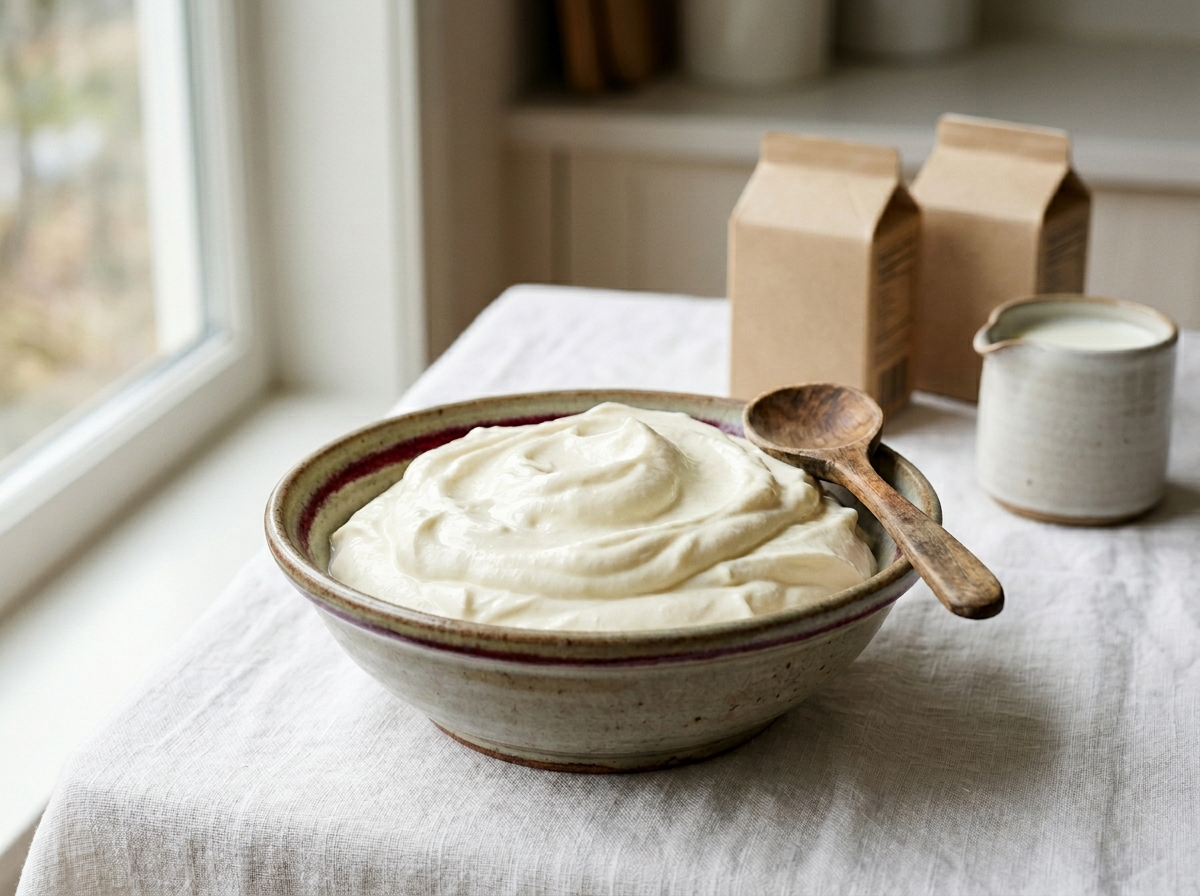
Quark is a versatile, creamy cheese that has been a European kitchen staple for centuries, offering endless culinary possibilities from savory spreads to decadent desserts. This mild, protein-rich dairy product transforms simple ingredients into something extraordinary with minimal effort. Whether you’re new to quark or looking to expand your homemade cheese repertoire, these foolproof techniques will help you master this incredible ingredient.
The silky texture and subtle tang of freshly made quark creates the perfect foundation for both sweet and savory applications. Its neutral flavor profile makes it incredibly adaptable, while its impressive nutritional benefits add wholesome value to every dish. You’ll discover why European bakers and home cooks have treasured this simple cheese for generations.
What is Quark?
Quark represents one of the oldest and simplest forms of fresh cheese, originating from Central and Eastern European culinary traditions. This unaged cheese develops through the natural fermentation of milk using specific bacterial cultures. The result is a smooth, creamy product with a mild tanginess that sits perfectly between cottage cheese and cream cheese in both texture and flavor.
Definition and History
The word “quark” comes from the German and Polish languages, literally meaning “curd.” Archaeological evidence suggests that variations of this fresh cheese have been produced for over 1,000 years across Germanic and Slavic regions. Traditional European households would make quark cheese weekly as a reliable source of protein and calcium, especially during colder months when fresh foods were scarce.
Unlike aged cheeses that require months of careful aging, quark dairy production happens within hours or days. The gentle acidification process preserves the milk’s natural nutrients while creating that characteristic creamy consistency. Modern commercial production still follows these time-tested principles, though home preparation remains surprisingly straightforward.
How Quark Differs from Other Cheeses
Understanding quark vs cottage cheese reveals key textural and nutritional differences that impact cooking applications. Cottage cheese maintains visible curds and a slightly grainy texture, while homemade quark achieves complete smoothness through straining. This makes quark ideal for baking applications where lumps would be undesirable.
Cream cheese contains significantly more fat content, typically around 33%, compared to quark’s average 10-18% fat content. This lower fat percentage allows quark to blend seamlessly into both sweet and savory preparations without overwhelming other flavors. The protein content in quark also surpasses most other soft cheeses, making it nutritionally superior for muscle building and satiety.
Greek yogurt shares similar protein levels with quark, but the fermentation process creates different bacterial cultures and acidity levels. Quark’s milder tang makes it more versatile for delicate dessert applications, while Greek yogurt’s pronounced sourness works better in savory contexts.
How to Make Quark at Home
Creating homemade quark requires minimal equipment and produces consistently excellent results with proper technique. The basic method involves gentle acidification followed by careful straining to achieve the perfect consistency. Temperature control and timing represent the two most critical factors for success.
Ingredients Needed
Quality milk selection directly impacts the final flavor and texture of your finished quark cheese. Whole milk produces the creamiest results, though low-fat versions work adequately for lighter applications. Always choose pasteurized milk rather than ultra-pasteurized varieties, as the latter’s altered protein structure prevents proper curd formation.
The acidification agent can be either cultured buttermilk, lemon juice, or white vinegar, each producing slightly different flavor profiles. Cultured buttermilk creates the most authentic European-style tang, while citric acid sources produce cleaner, more neutral results. Room temperature ingredients blend more easily and reduce the risk of temperature shock during the warming process.
Step-by-Step Instructions
Begin by gently warming your milk to exactly 185°F (85°C), monitoring with a reliable thermometer to prevent overheating. Excessive heat will create tough, rubbery curds instead of the desired silky texture. Stir occasionally during heating to ensure even temperature distribution throughout the milk.
Once the milk reaches proper temperature, remove it from heat and slowly add your chosen acidifying agent while stirring gently. The milk should begin separating into curds and whey within 2-3 minutes. If separation doesn’t occur, add slightly more acid and wait another minute before proceeding.
Allow the mixture to rest undisturbed for 10-15 minutes, letting the curds fully develop their structure. Line a fine-mesh strainer with several layers of cheesecloth or a clean kitchen towel. Pour the curd mixture through this setup, allowing gravity to drain the excess whey naturally.
Troubleshooting Common Issues
Grainy texture typically results from overheating the milk or adding acid too quickly to hot milk. Always remove the milk from heat before acidification and add the acid gradually while stirring. If graininess occurs, try blending the finished quark briefly in a food processor to smooth the texture.
Insufficient curd formation usually indicates inadequate acid levels or milk that’s past its prime freshness. Fresh milk should separate clearly within minutes of proper acidification. Ultra-pasteurized milk often fails to form proper curds and should be avoided for cheesemaking projects.
Overly sour results come from excessive acid addition or extended fermentation time. Start with smaller acid quantities and taste-test before adding more. The final product should have a mild, pleasant tang rather than sharp sourness.
Quark Recipe Variations
The neutral flavor profile of quark makes it an exceptional base for countless culinary applications. From traditional European baked goods to modern fusion desserts, this versatile cheese adapts beautifully to both sweet and savory preparations. Understanding proper incorporation techniques ensures consistent results across different recipe types.
Baking with Quark (Muffins, Cheesecakes, Strudel)
Quark baking tips focus on moisture retention and protein structure management during heat application. The high protein content helps create tender, moist textures in baked goods while adding nutritional value. Replace up to half the butter or oil in muffin recipes with quark for lighter, protein-rich results.
For cheesecake applications, quark creates incredibly smooth, creamy textures without the heavy richness of traditional cream cheese versions. Combine quark with eggs and minimal sweetener for protein-forward desserts that satisfy without excessive calories. The lower fat content prevents that overly dense mouthfeel common in standard cheesecakes.
Traditional strudel fillings benefit from quark’s ability to bind ingredients without adding excessive moisture. Mix quark with fresh or dried fruits, creating cohesive fillings that won’t make pastry dough soggy during baking. This technique works particularly well with apple, cherry, or berry combinations.
Quark for Spreads, Dips, and Parfaits
Savory quark spreads develop complex flavors through herb and spice integration, creating sophisticated alternatives to cream cheese preparations. Fresh herbs like dill, chives, or parsley complement quark’s mild base perfectly. Add minced garlic, black pepper, or paprika for more robust flavor profiles.
Sweet parfait applications showcase quark’s ability to create restaurant-quality desserts with minimal effort. Layer sweetened quark with fresh berries and crunchy elements like granola or nuts for balanced textures and flavors. A drizzle of honey or maple syrup enhances natural fruit sweetness without overwhelming the delicate cheese flavor.
Cold soup applications utilize quark’s smooth consistency to create refreshing summer dishes. Blend quark with cucumber, herbs, and vegetable broth for light, protein-rich cold soups. This technique works especially well with chilled pudding preparations that benefit from additional protein content.
Seasonal and Flavor Variations
Summer quark dessert recipes capitalize on peak fruit seasons, incorporating fresh berries, stone fruits, and citrus elements. The cheese’s neutral base allows seasonal flavors to shine while providing creamy contrast to acidic fruits. Lemon zest, vanilla bean paste, or orange blossom water create sophisticated flavor profiles.
Autumn applications focus on warming spices like cinnamon, nutmeg, and cardamom paired with apple, pear, or pumpkin preparations. Quark’s protein content makes it an excellent base for satisfying fall desserts that provide lasting energy. Consider incorporating these techniques into frozen dessert applications for year-round enjoyment.
Winter variations emphasize rich, comforting flavors through cocoa powder, coffee, or nut butter additions. The cheese’s smooth texture creates luxurious hot chocolate alternatives or protein-rich breakfast bowls. These preparations provide essential nutrients during colder months when fresh produce options may be limited.
Nutrition Benefits of Quark
Quark nutrition benefits extend far beyond basic caloric content, offering exceptional protein density with relatively low fat and carbohydrate levels. This macronutrient profile makes it valuable for muscle building, weight management, and sustained energy release. The biological value of quark protein approaches that of eggs, meaning your body can utilize nearly all available amino acids efficiently.
Protein Content and Health Benefits
A single serving of quark typically contains 14-18 grams of complete protein, rivaling Greek yogurt and surpassing cottage cheese in protein density. This high protein content supports muscle synthesis, bone health, and metabolic function throughout the day. The casein proteins in quark digest slowly, providing steady amino acid release for several hours post-consumption.
The leucine content in quark protein particularly benefits muscle protein synthesis, making it valuable for athletes and active individuals. Research suggests that leucine-rich foods consumed post-exercise enhance recovery and adaptation processes. Regular quark consumption can support healthy aging by preserving lean muscle mass and bone density.
Satiety benefits from quark’s protein content help regulate appetite and reduce between-meal snacking. The thermogenic effect of protein also increases caloric expenditure during digestion, supporting weight management goals naturally. This makes quark an excellent choice for those following higher-protein dietary approaches.
Vitamins and Minerals
Calcium content in homemade quark supports bone health, dental integrity, and proper muscle function throughout life. A typical serving provides approximately 15-20% of daily calcium needs, making it particularly valuable for growing children and aging adults. The bioavailable form of calcium in dairy products absorbs more efficiently than many plant-based alternatives.
B-vitamin complex in quark, particularly B12, riboflavin, and folate, supports energy metabolism and nervous system function. These nutrients often prove challenging to obtain from plant-based sources alone, making quark valuable for vegetarian dietary patterns. The phosphorus content works synergistically with calcium to support skeletal health and cellular energy processes.
Trace mineral content includes selenium, zinc, and magnesium, all crucial for immune function and metabolic health. These minerals support antioxidant enzyme systems that protect cells from oxidative damage. Regular consumption of nutrient-dense foods like quark contributes to optimal micronutrient status over time.
Comparison with Cottage Cheese and Yogurt
Protein quality differences between quark and cottage cheese favor quark’s smoother consistency and slightly higher protein concentration. While cottage cheese provides similar protein levels, its chunky texture limits versatility in baked goods and smooth preparations. Quark’s processing method also reduces sodium content compared to many commercial cottage cheese varieties.
Fat content variations significantly impact caloric density and cooking applications between these dairy products. Traditional quark contains moderate fat levels that enhance flavor and texture without excessive calories. Low-fat versions maintain most nutritional benefits while reducing overall caloric impact for weight-conscious consumers.
Probiotic potential differs between quark and cultured yogurt products, though both can support digestive health through beneficial bacterial cultures. Homemade quark using cultured buttermilk may retain some probiotic benefits, while commercial versions vary in live culture content. This consideration might influence choice for those specifically seeking digestive health benefits.
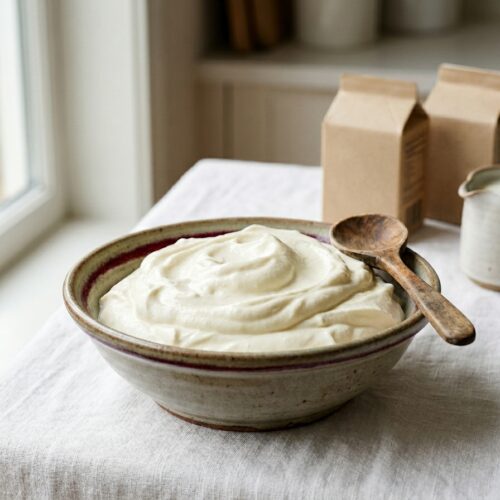
Classic Homemade Quark
Equipment
- Large Heavy-Bottomed Saucepan
- Digital Thermometer
- Fine mesh strainer
- Cheesecloth or Clean Kitchen Towel
- Large mixing bowl
- Wooden Spoon
Ingredients
- 4 cups Whole Milk preferably organic, not ultra-pasteurized
- 1/4 cup Fresh Lemon Juice or white vinegar as acid starter
- 1/4 teaspoon Salt optional, for enhanced flavor
Instructions
- Pour whole milk into a heavy-bottomed saucepan and heat gently over medium-low heat, stirring occasionally to prevent scorching.
- Monitor temperature with digital thermometer until milk reaches 185°F (85°C). Do not let it boil vigorously as this can create tough curds.
- Remove from heat and slowly stir in fresh lemon juice or vinegar. You'll immediately see curds forming and separating from the whey.
- Let the mixture sit undisturbed for 10-15 minutes to allow complete curd formation and separation.
- Line a fine-mesh strainer with cheesecloth or clean kitchen towel, place over a large bowl, and carefully pour the mixture through.
- Gather the corners of the cheesecloth and tie into a bundle. Let drain for 2-4 hours for soft quark, or 6-8 hours for firmer consistency.
- Transfer drained quark to a clean container, stir in optional salt if desired, and refrigerate until ready to use.
Notes
Nutrition Highlights (Per Serving – Approximate)
Understanding your food’s composition is key to balanced eating. Here is an approximate nutritional breakdown calculated for a standard serving based on wholesome preparation guidelines:
Culinary Selection Notes
- Adjusting sweetener densities or using refined-sugar alternatives will directly optimize the overall glycemic load without breaking structural balance.
- Focusing on high-quality whole fats maximizes trace micronutrient retention across low-temperature or baking environments.
Storage and Usage Tips
Proper quark storage tips ensure maximum freshness and safety while preserving the delicate texture and flavor characteristics. Homemade versions require more careful handling than commercial products due to lower preservative content and higher moisture levels. Understanding optimal storage conditions extends usability and maintains food safety standards.
How to Store Homemade Quark
Refrigeration represents the only safe storage method for fresh quark, maintaining temperatures below 40°F (4°C) consistently. Store in clean, airtight containers made of glass or food-grade plastic to prevent contamination and flavor absorption. Avoid metal containers, which can react with the cheese’s natural acidity and create off-flavors.
Surface protection prevents skin formation and moisture loss during storage periods. Press plastic wrap directly onto the quark surface before sealing the container, eliminating air exposure that causes texture degradation. This technique maintains the smooth, creamy consistency that makes quark so appealing in finished dishes.
Container selection impacts both flavor preservation and practical usage convenience. Wide-mouth jars allow easy scooping while providing excellent seal integrity for longer storage periods. Label containers with preparation dates to track freshness and ensure safe consumption timelines.
Shelf Life and Safety
Fresh homemade quark maintains peak quality for 5-7 days when stored properly under consistent refrigeration. Commercial varieties may last longer due to processing methods and preservative additions, but homemade versions require more vigilant monitoring. Trust your senses – fresh quark should smell clean and mild without any sour or off odors.
Visual inspection reveals important safety information about quark condition over time. Healthy quark maintains uniform white or cream coloration without dark spots, mold growth, or liquid separation. Any signs of discoloration, unusual odors, or mold formation indicate spoilage and require immediate disposal.
Temperature abuse significantly reduces safe storage time and can promote dangerous bacterial growth. Never leave quark at room temperature for more than 2 hours, and refrigerate immediately after use. Consider portioning larger batches into smaller containers to minimize repeated temperature exposure during regular use.
Creative Cooking Applications and Pairings
Savory applications showcase quark’s versatility beyond traditional sweet preparations, creating sophisticated flavor combinations. Mix with herbs and spices for elevated toast toppings that provide protein and complex flavors. Consider Mediterranean herb blends, Everything Bagel seasoning, or smoked paprika for varied taste profiles.
International cuisine integration allows quark to bridge European traditions with global flavors effectively. Indian-inspired versions with curry spices, Mexican variations with lime and cilantro, or Asian applications with ginger and scallions create fusion dishes with familiar techniques. The neutral base adapts beautifully to diverse seasoning approaches.
Texture modification through blending or whipping creates different consistencies for specific applications. Light whipping incorporates air for mousse-like textures perfect for dessert applications. Alternatively, pressing through fine sieves creates ultra-smooth consistencies ideal for sauce bases or delicate pastry fillings.
Cooking temperature considerations help maintain quark’s desirable texture characteristics in heated applications. Add quark to warm dishes at the end of cooking processes to prevent curdling or separation. Room temperature quark incorporates more easily into both hot and cold preparations than cold cheese straight from refrigeration.