Shrimp Cocktail: Easy Perfect Recipe with Homemade Sauce
Learn how to make shrimp cocktail with our foolproof, quick recipe featuring perfectly poached shrimp and homemade sauce. Get the recipe today.
Nothing beats the elegant simplicity of a perfectly crafted shrimp cocktail that combines sweet, tender crustaceans with a zesty homemade sauce. This classic appetizer transforms any gathering into a sophisticated affair while remaining surprisingly easy to prepare at home. The key lies in understanding proper poaching techniques and creating a sauce that perfectly complements the natural sweetness of fresh shrimp.
The aroma of perfectly poached shrimp fills your kitchen with oceanic freshness, while the vibrant red cocktail sauce adds both visual appeal and bold flavor. Each bite delivers a satisfying contrast between the shrimp’s delicate texture and the sauce’s tangy kick.
Introduction to Shrimp Cocktail
What is Shrimp Cocktail?
Shrimp cocktail represents one of America’s most beloved appetizers, featuring chilled cooked shrimp served alongside a tangy sauce. This dish gained popularity in the mid-20th century as a symbol of sophisticated dining. The combination of sweet crustaceans with acidic sauce creates a perfect balance of flavors.
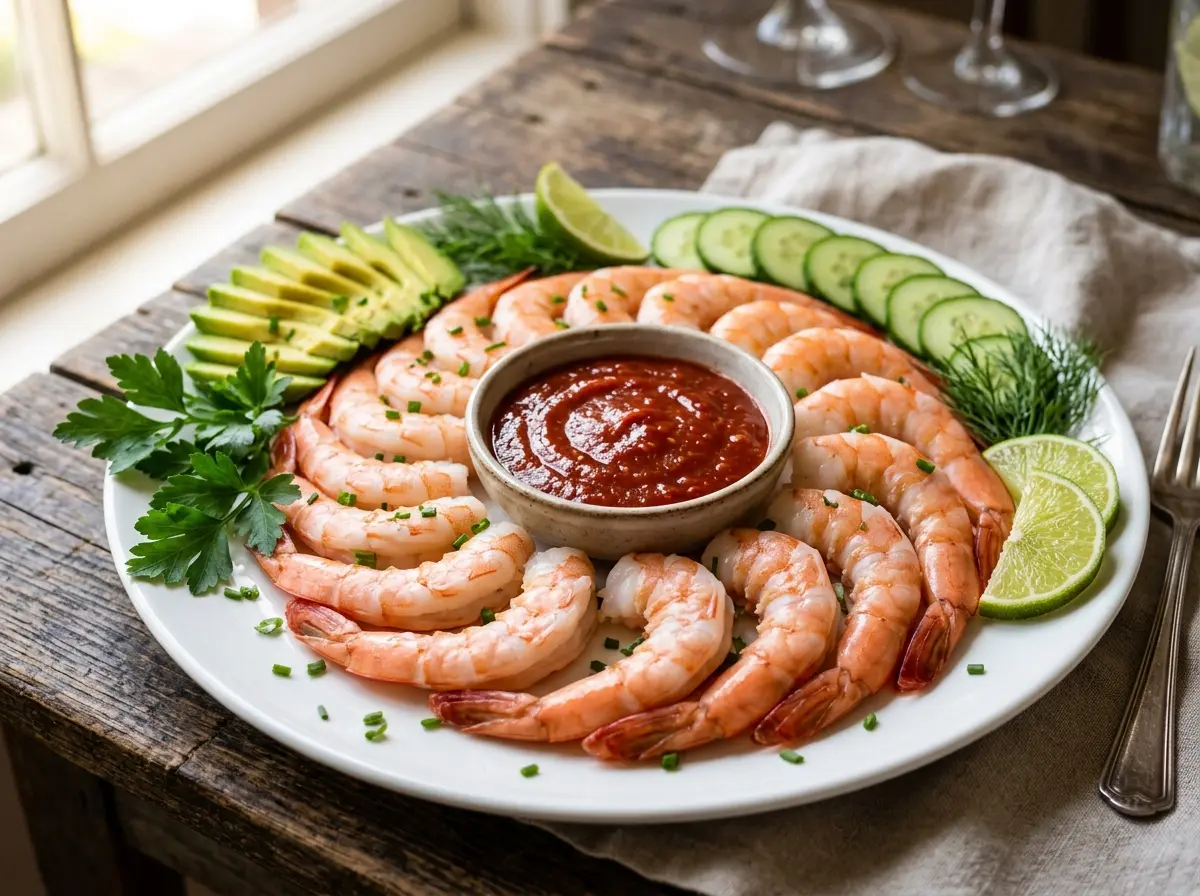
Traditional presentations involve arranging the shrimp around a bowl of cocktail sauce, often served on crushed ice. The visual appeal stems from the shrimp’s natural curve, which allows for elegant plating. Modern variations include different sauce styles and creative garnishing techniques.
Why Make It at Home?
Preparing shrimp cocktail recipe at home offers complete control over ingredient quality and freshness. Restaurant versions often use pre-cooked shrimp that may lack optimal texture. Home preparation ensures you select the finest crustaceans and avoid unnecessary preservatives.
Cost savings represent another significant advantage of homemade preparation. Fresh shrimp purchased in bulk costs substantially less than restaurant portions. You can also customize the sauce to match personal taste preferences and dietary requirements.
Ingredients Overview
Choosing the Right Shrimp (Size and Type)
Size selection dramatically impacts your final presentation and eating experience. Large shrimp (16-20 count per pound) provide the most impressive visual appeal for cocktail service. Medium shrimp (21-25 count) offer good value while maintaining substantial bite size.
Wild-caught varieties typically deliver superior flavor compared to farm-raised alternatives. Gulf shrimp and Pacific white shrimp represent excellent choices for their sweet taste and firm texture. Always purchase from reputable suppliers who follow proper handling protocols.
Fresh shrimp should smell like ocean water rather than fishy odors. The shells should appear translucent with no black spots or slimy textures. Frozen options work well when fresh isn’t available, but ensure proper thawing techniques.
Ingredients for the Cocktail Sauce
Quality ketchup forms the base of traditional cocktail sauce, providing sweetness and body. Select brands without high-fructose corn syrup for cleaner flavor profiles. Prepared horseradish adds the signature kick that defines this condiment.
Fresh lemon juice brightens the sauce while balancing rich tomato notes. Worcestershire sauce contributes umami depth and complexity. A dash of hot sauce allows for heat customization based on preferences.
Fresh Herb and Citrus Variations
Fresh dill pairs beautifully with shrimp’s natural sweetness while adding aromatic complexity. Chopped chives provide mild onion notes without overwhelming delicate flavors. Parsley offers bright freshness and attractive color contrast.
Lime juice creates a more tropical flavor profile compared to traditional lemon. Orange zest adds subtle sweetness and aromatic oils. These variations allow for seasonal adaptations and personal creativity.
Step-by-Step Shrimp Preparation
How to Poach Shrimp Perfectly
Proper poaching temperature ensures tender, never rubbery shrimp that maintains its natural sweetness. Water temperature should reach exactly 160°F for optimal results. Higher temperatures cause proteins to contract too quickly, resulting in tough texture.
Aromatics in the poaching liquid enhance flavor absorption during cooking. Bay leaves, peppercorns, and lemon slices infuse subtle complexity. Salt the water generously to season the shrimp from within during the brief cooking process.
Timing precision prevents overcooking, which ruins texture permanently. Large shrimp require approximately 2-3 minutes of gentle simmering. The cooking process continues even after removal from heat, making immediate cooling essential.
Indicators of Doneness
Visual cues provide reliable doneness indicators when properly understood. Shrimp change from translucent gray to opaque pink-white when fully cooked. The natural curve tightens into a C-shape rather than a tight O-shape that indicates overcooking.
Internal temperature should reach 120°F for food safety while maintaining tenderness. Overcooked shrimp feel rubbery and lose their sweet flavor. Practice helps develop the ability to recognize perfect doneness through visual assessment.
Cooling and Deveining Techniques
Immediate ice bath shock stops the cooking process and preserves optimal texture. Prepare the ice bath before cooking begins to ensure rapid cooling. This technique prevents carryover cooking that leads to tough results.
Deveining removes the dark digestive tract for both aesthetic and taste reasons. A small paring knife makes clean cuts along the outer curve. Remove the vein gently to avoid damaging the shrimp’s shape and presentation value.
Making the Perfect Homemade Cocktail Sauce
Classic Sauce Ingredients
The cocktail sauce recipe foundation combines ketchup with prepared horseradish in proper ratios for balanced flavor. Start with a 4:1 ratio and adjust based on heat tolerance. Quality ingredients make dramatic differences in the final product.
Lemon juice adds necessary acidity to cut through rich flavors and enhance shrimp’s natural taste. Fresh juice provides better results than bottled versions. Worcestershire sauce contributes savory depth that elevates the overall profile.
Natural and Healthy Sauce Alternatives
Greek yogurt-based sauces offer lighter alternatives without sacrificing flavor complexity. Mix plain yogurt with fresh herbs, lemon juice, and a touch of honey. This option provides protein while reducing sugar content significantly.
Avocado creates creamy, nutrient-dense alternatives that pair beautifully with shrimp’s texture. Blend ripe avocado with lime juice, cilantro, and jalapeño for Mexican-inspired variations. These alternatives accommodate various dietary preferences and restrictions.
Flavor Variations with Herbs and Spices
Chipotle powder adds smoky heat that complements shrimp’s sweetness perfectly. Start with small amounts and build gradually to avoid overpowering delicate flavors. Paprika provides color and mild pepper notes without excessive heat.
Fresh garlic enhances umami complexity when minced finely and allowed to mellow. Capers contribute briny pops of flavor that echo oceanic themes. These additions create signature variations that distinguish homemade sauces from commercial versions.
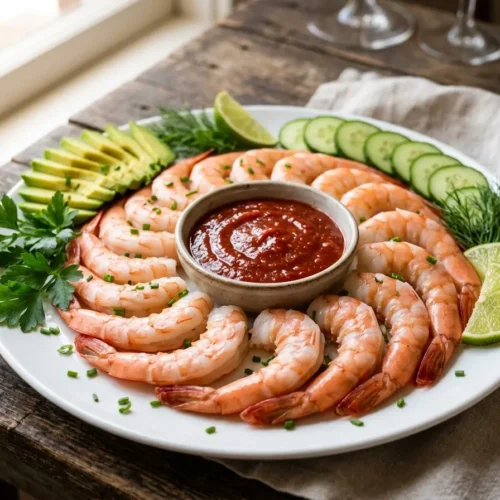
Classic Shrimp Cocktail with Homemade Cocktail Sauce
Equipment
- Large Saucepan
- Ice Bath Bowl
- Fine mesh strainer
- Serving Platter
- Small Mixing Bowl
- Kitchen Thermometer
Ingredients
- 2 lbs Large Raw Shrimp 31-40 count, peeled and deveined with tails on (900g)
- 8 cups Water for poaching (2 liters)
- 2 tablespoons Sea Salt for poaching liquid
- 1 Bay Leaf dried
- 1 Lemon halved and juiced
- 1 cup Natural Ketchup no high fructose corn syrup (240ml)
- 3 tablespoons Fresh Horseradish grated, or 2 tbsp prepared horseradish
- 2 tablespoons Fresh Lemon Juice about 1/2 large lemon
- 1 tablespoon Fresh Lime Juice about 1/2 lime
- 1 teaspoon Worcestershire Sauce halal-certified brand
- 1/2 teaspoon Hot Sauce adjust to taste
- 1/4 teaspoon Celery Salt
- 1 Lemon cut into wedges
- 2 stalks Fresh Celery cut into sticks for crunch
- 2 tablespoons Fresh Parsley chopped for garnish
Instructions
- In a small bowl, whisk together natural ketchup, grated fresh horseradish, lemon juice, lime juice, Worcestershire sauce, hot sauce, and celery salt until well combined.
- Taste and adjust seasoning - add more horseradish for heat, lemon juice for brightness, or hot sauce for spice. Cover and refrigerate while preparing shrimp.
- Fill a large saucepan with 8 cups water, add sea salt, bay leaf, and lemon juice. Bring to a rolling boil over high heat (212°F/100°C).
- Prepare an ice bath by filling a large bowl with ice and cold water. Set aside.
- Add shrimp to the boiling water and cook for exactly 2-3 minutes until they turn pink and curl into a C-shape. Do not overcook - shrimp are done when internal temperature reaches 145°F (63°C).
- Immediately transfer cooked shrimp to the ice bath using a fine-mesh strainer to stop cooking process. Let cool for 3-4 minutes until completely chilled.
- Drain shrimp thoroughly and pat dry with paper towels. Refrigerate for at least 30 minutes before serving.
- Arrange chilled shrimp on a serving platter in a circular pattern with tails pointing outward for easy grabbing.
- Place cocktail sauce in a small bowl in the center of the platter. Garnish with lemon wedges, celery sticks, and chopped fresh parsley.
- Serve immediately while shrimp are cold and cocktail sauce is at room temperature for best flavor contrast.
Notes
Shrimp are perfectly cooked when they turn opaque pink and curl into a loose C-shape. Overcooked shrimp will curl into tight O-shapes and become rubbery. STORAGE:
Cooked shrimp can be refrigerated for up to 2 days. Store cocktail sauce separately for up to 1 week. Bring sauce to room temperature before serving. SCALING:
This recipe easily doubles for larger parties. Use 1 lb shrimp per 2-3 people as an appetizer. For metric: 450g shrimp serves 2-3 people. SUBSTITUTIONS:
Replace fresh horseradish with 2 tbsp prepared horseradish (reduce by 1 tbsp). Substitute lime juice with additional lemon juice if needed. Use tiger prawns or jumbo shrimp for best presentation.
Nutrition Highlights (Per Serving – Approximate)
Understanding your food’s composition is key to balanced eating. Here is an approximate nutritional breakdown calculated for a standard serving based on wholesome preparation guidelines:
Culinary Selection Notes
- Adjusting sweetener densities or using refined-sugar alternatives will directly optimize the overall glycemic load without breaking structural balance.
- Focusing on high-quality whole fats maximizes trace micronutrient retention across low-temperature or baking environments.
Serving Suggestions and Presentation
Platter Presentation Tips
Shrimp cocktail platter presentation creates lasting impressions for guests and family members. Arrange shrimp in circular patterns around sauce bowls for elegant visual flow. Use crushed ice as both decoration and temperature control for extended serving periods.
Glass serving dishes showcase the shrimp’s natural beauty while maintaining professional appearance. Garnish with lemon wedges, fresh herbs, or cocktail picks for added sophistication. Height variations create visual interest and accommodate different serving styles.
Shrimp Cocktail Variations (Mexican Style, Avocado Additions)
Mexican-inspired shrimp cocktail variations incorporate diced avocado, cucumber, and cilantro for fresh complexity. Lime juice and jalapeño add brightness and heat that complement the oceanic flavors. These variations work particularly well for casual gatherings and warm weather entertaining.
Avocado additions provide creamy richness that balances acidic sauce elements beautifully. Dice avocado just before serving to prevent browning and maintain optimal texture. Consider serving variations alongside traditional presentations for diverse taste preferences.
Pairing Ideas for Parties and Gatherings
Complement how to make shrimp cocktail with other light appetizers that don’t compete for attention. Watermelon gazpacho provides refreshing contrasts while maintaining elegant themes. Avoid heavy or overly seasoned dishes that might overwhelm delicate shrimp flavors.
Sparkling beverages and light refreshments pair naturally with shrimp’s clean taste profile. Fresh fruit platters and vegetable crudité extend the healthy, light dining experience. Consider dietary restrictions when planning complementary items for inclusive entertaining.
Make-Ahead Tips and Storage
How to Store Cooked Shrimp
Make ahead shrimp cocktail preparation requires proper storage techniques to maintain optimal texture and safety. Cooked shrimp stays fresh for up to 3 days when stored in airtight containers in the refrigerator. Place paper towels in containers to absorb excess moisture that causes texture degradation.
Avoid freezing cooked shrimp as it compromises texture significantly upon thawing. Store shrimp separately from sauce to prevent flavor transfer and maintain individual component integrity. Label containers with preparation dates for food safety tracking.
Preparing Sauce in Advance
Cocktail sauce actually improves when prepared 24 hours ahead, allowing flavors to meld and develop complexity. Store in sealed containers in the refrigerator and stir before serving. The sauce maintains quality for up to one week with proper storage.
Prepare larger batches for multiple uses throughout the week or special events. Scale recipes proportionally while maintaining proper ingredient ratios for consistent results. Advanced preparation reduces day-of stress for entertaining situations.
Freezing and Reheating Guidelines
Frozen shrimp cocktail prep works best when starting with raw shrimp rather than pre-cooked varieties. Thaw frozen shrimp gradually in the refrigerator overnight for optimal texture retention. Never refreeze previously frozen shrimp as this damages cellular structure permanently.
Avoid reheating cooked shrimp as heat application ruins the tender texture achieved through proper poaching. Serve chilled components at proper temperatures for food safety and optimal eating experience. Room temperature serving damages both safety and quality standards.
Troubleshooting and Tips
Avoiding Overcooked Shrimp
Temperature monitoring prevents the most common shrimp cocktail preparation mistakes that result in rubbery texture. Use an instant-read thermometer to verify water temperature stays at 160°F during poaching. Higher temperatures cause rapid protein contraction and tough results.
Visual cues help identify perfect doneness when thermometers aren’t available. Properly cooked shrimp form gentle C-curves rather than tight spirals. Practice develops instincts for recognizing optimal cooking points through color and shape changes.
Adjusting Sauce for Taste
Taste testing throughout sauce preparation ensures balanced flavor development that complements rather than overwhelms shrimp. Start with conservative seasoning amounts and build gradually to avoid over-seasoning mistakes. Personal preferences vary significantly, making customization essential.
Acidity levels require careful balancing to enhance rather than mask shrimp’s natural sweetness. Too much lemon juice creates harsh flavors, while insufficient acid leaves sauce flat and uninteresting. Aim for bright, clean finish that enhances the overall eating experience.
Enhancing Texture and Flavor
Brine solutions can enhance shrimp flavor and texture when applied before cooking begins. Salt water penetrates the flesh, seasoning from within while improving moisture retention. This technique particularly benefits frozen shrimp that may lack natural flavor intensity.
Consider incorporating spicy shrimp preparation techniques for guests who prefer heat. Gentle spice additions create complexity without overwhelming delicate flavors. Always offer traditional versions alongside spiced variations for diverse preferences.
Conclusion
Recap of Key Points
Mastering shrimp cocktail serving ideas requires attention to temperature control, timing, and ingredient quality for consistently excellent results. Proper poaching techniques ensure tender texture while homemade sauce provides superior flavor compared to store-bought alternatives. Advanced preparation allows for stress-free entertaining and impressive presentations.
Quality ingredient selection makes the difference between average and exceptional results that guests remember fondly. Fresh shrimp, quality condiments, and proper technique combine to create restaurant-quality appetizers at home. Storage and make-ahead strategies enable convenient preparation for any occasion.
Encouragement to Try the Recipe at Home
Start your shrimp cocktail journey with confidence, knowing that proper technique produces reliable results every time. Experiment with sauce variations and presentation styles to develop your signature approach. Share your creations with family and friends who will appreciate the homemade touch.
Consider exploring complementary recipes like healthy chia pudding options for well-rounded menu planning. Practice builds confidence and expertise that transforms simple ingredients into memorable dining experiences.