Tortellini Soup: Easy, Delicious Comfort Food in 30 Minutes
Discover a quick, easy tortellini soup recipe packed with fresh flavors and comfort. Ready in 30 minutes, perfect for any night. Get the recipe today.
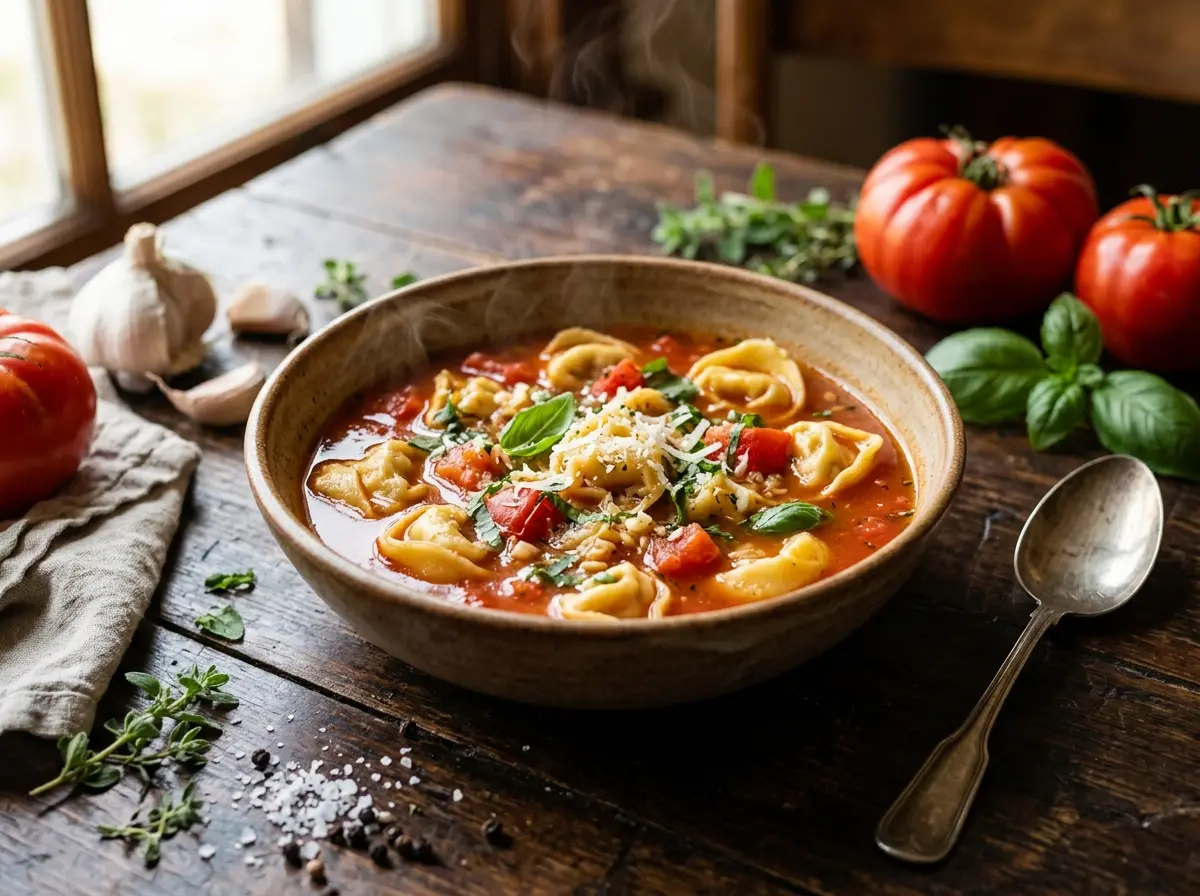
Nothing quite compares to the comfort of a steaming bowl of tortellini soup on a chilly evening. This hearty dish combines tender pasta pockets filled with cheese or spinach, swimming in a rich, flavorful broth that warms you from the inside out.
The aroma of simmering herbs and vegetables fills your kitchen while the creamy texture melts perfectly on your tongue. Each spoonful delivers a satisfying blend of textures and tastes that make this soup an instant family favorite.
Introduction to Tortellini Soup
Tortellini soup represents the perfect marriage of Italian pasta tradition and hearty soup comfort. This dish transforms simple ingredients into something truly special through careful layering of flavors and textures.
What Makes Tortellini Soup Special
The magic lies in the pasta itself – those little ring-shaped parcels that hold delicious fillings. Unlike regular pasta shapes, tortellini creates pockets of concentrated flavor that burst in your mouth with each bite.
The soup base provides a canvas for these flavor bombs to shine. Whether you choose a light chicken broth or a rich, creamy base, the liquid carries the herbs and seasonings to every corner of your bowl.
This versatility makes tortellini soup adaptable to any season or dietary preference. You can create light, brothy versions for summer or rich, cream-laden bowls for winter comfort.
Overview of Ingredients and Flavor Profile
A classic chicken tortellini soup starts with a foundation of aromatic vegetables. Onions, carrots, and celery form the holy trinity that builds depth of flavor through gentle sautéing.
Fresh herbs like basil, oregano, and parsley brighten the entire dish. These Mediterranean flavors complement the cheese-filled pasta perfectly, creating an authentic Italian experience.
Quality broth serves as the backbone of any great soup. Whether homemade or store-bought, choosing a rich, well-seasoned base ensures every spoonful delivers maximum satisfaction.
Essential Ingredients for the Perfect Tortellini Soup
Building an exceptional easy tortellini soup requires selecting the right components. Each ingredient plays a specific role in creating the final flavor profile and texture.
Choosing the Right Type of Tortellini (Cheese, Spinach, etc.)
Cheese-filled tortellini offers the most traditional flavor profile for soup applications. The ricotta and parmesan blend inside creates creamy bursts that complement both light and heavy broths beautifully.
Spinach tortellini adds earthiness and visual appeal with its vibrant green color. This variety works especially well in tomato-based versions where the vegetable notes enhance the overall garden-fresh taste.
Three-cheese tortellini provides extra richness for those seeking maximum indulgence. The combination of ricotta, parmesan, and mozzarella creates an ultra-creamy interior that melts seamlessly into creamy tortellini soup preparations.
Selecting Broth and Herbs for Authentic Flavor
Chicken broth forms the traditional base for most tortellini soup recipes. Its mild flavor allows the pasta filling to shine while providing necessary depth and body to the liquid component.
Vegetable broth creates an excellent foundation for vegetarian tortellini soup variations. Choose brands with robust flavors to compensate for the absence of meat-based richness.
Fresh herbs elevate the soup from good to extraordinary. Basil pairs naturally with tomato-based versions, while oregano and thyme complement cream-based preparations perfectly.
Protein Options: Chicken, Sausage Alternatives, Vegetarian Choices
Diced chicken breast adds lean protein without overwhelming the delicate pasta flavors. Season and sauté the pieces separately to ensure proper browning and maximum taste development.
Turkey or chicken sausage provides a flavorful alternative with herbs and spices already incorporated. Remove casings and crumble the meat for easy distribution throughout the soup.
Plant-based proteins like chickpeas or white beans transform the dish into a hearty vegetarian option. These legumes absorb the surrounding flavors while contributing fiber and protein to each serving.
Step-by-Step Cooking Instructions
Mastering the technique for quick tortellini soup recipe success requires understanding proper timing and temperature control. Each step builds upon the previous one to create layers of flavor.
Prepping Ingredients
Dice vegetables uniformly to ensure even cooking throughout the soup base. Cut onions, carrots, and celery into quarter-inch pieces for optimal texture and appearance.
Measure herbs and spices before beginning the cooking process. Having everything ready prevents overcooking while you scramble to find seasonings mid-preparation.
If using fresh tortellini, keep it refrigerated until the final cooking stage. Frozen varieties can go straight from freezer to pot without thawing first.
Making the Broth Base
Start by heating olive oil in a heavy-bottomed pot over medium heat. This prevents sticking and allows vegetables to develop proper caramelization for deeper flavor.
Sauté the aromatic vegetables until softened but not browned, approximately 5-7 minutes. This technique, called “sweating,” releases natural sugars without adding bitter notes from excessive browning.
Add garlic during the final minute of vegetable cooking to prevent burning. Burnt garlic creates an unpleasant bitter taste that can ruin the entire soup.
Cooking Tortellini to Perfection
Fresh tortellini requires only 2-3 minutes of cooking time in simmering broth. Overcooking causes the pasta to burst open and release its filling into the soup.
Frozen tortellini needs 4-5 minutes of gentle simmering to heat through completely. Test doneness by cutting one piece open to check that the filling is hot throughout.
Never boil tortellini vigorously as the agitation can damage the delicate pasta wrappers. Maintain a gentle simmer for best results.
Adding Creamy or Tomato-Based Variations
For creamy versions, remove the soup from heat before adding dairy products. High temperatures can cause cream or milk to curdle and separate unattractively.
Tomato-based variations benefit from simmering canned tomatoes for 10-15 minutes to concentrate flavors. This technique removes excess water and intensifies the tomato taste.
Stir cream cheese or heavy cream gradually into the hot broth while whisking constantly. This prevents lumping and ensures smooth integration throughout the soup.
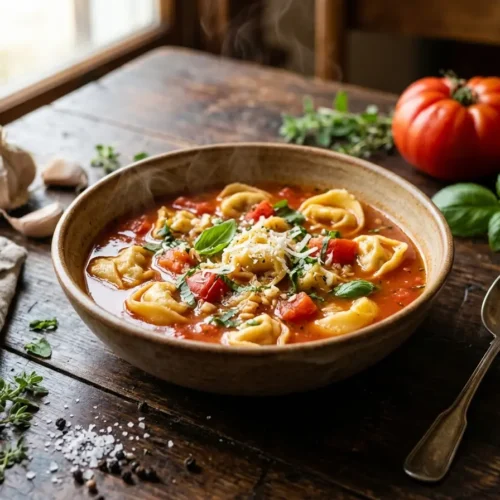
Easy Tortellini Soup
Equipment
- Large Heavy-Bottomed Pot or Dutch Oven
- Wooden Spoon
- Measuring cups and spoons
- Chef's Knife
- Cutting board
- Ladle
Ingredients
- 2 tablespoons Olive Oil
- 1 large Yellow Onion diced (about 1 cup/150g)
- 3 cloves Garlic minced
- 2 medium Carrots diced (about 1 cup/120g)
- 2 stalks Celery diced (about 1/2 cup/60g)
- 1 pound Ground Turkey or Beef 450g, lean preferred
- 6 cups Chicken Broth 1.4L, or vegetable broth for lighter option
- 1 can Diced Tomatoes 14.5 oz/410g, undrained
- 1 teaspoon Dried Italian Seasoning
- 1/2 teaspoon Dried Basil
- 1/4 teaspoon Red Pepper Flakes optional, adjust to taste
- 1 package Fresh or Frozen Cheese Tortellini 9 oz/255g package
- 2 cups Fresh Spinach 60g, roughly chopped
- 1/2 cup Coconut Milk or Greek Yogurt 120ml, for creaminess - or heavy cream if preferred
- 1/2 cup Fresh Parmesan Cheese 50g, grated, plus extra for serving
- 2 tablespoons Fresh Basil chopped, or 1 tbsp dried
- 1 tablespoon Fresh Parsley chopped
- Salt and Black Pepper to taste
Instructions
- Heat olive oil in a large heavy-bottomed pot or Dutch oven over medium heat. Add diced onion and cook for 3-4 minutes until softened and translucent.
- Add minced garlic, diced carrots, and celery to the pot. Cook for 2-3 minutes, stirring frequently, until vegetables begin to soften and garlic becomes fragrant.
- Add ground turkey or beef to the pot, breaking it up with a wooden spoon. Cook for 5-6 minutes until meat is browned and cooked through. Season with salt and pepper.
- Pour in chicken broth, diced tomatoes with their juice, Italian seasoning, dried basil, and red pepper flakes. Bring the mixture to a boil, then reduce heat to medium-low and simmer for 8-10 minutes.
- Add tortellini to the simmering soup and cook according to package directions (typically 3-4 minutes for fresh, 5-7 minutes for frozen). Stir occasionally to prevent sticking.
- Stir in chopped spinach and cook for 1-2 minutes until wilted. Remove pot from heat.
- Slowly stir in coconut milk or Greek yogurt, grated Parmesan cheese, fresh basil, and parsley. Taste and adjust seasoning with salt and pepper as needed.
- Ladle soup into bowls and serve immediately with additional Parmesan cheese and fresh herbs on the side.
Notes
Ground turkey can be replaced with ground beef, Italian sausage (remove casings), or omitted entirely for vegetarian version. Coconut milk provides richness without dairy - Greek yogurt adds protein and tang. Vegetable broth works perfectly for lighter flavor profile. TIMING TIPS:
Fresh tortellini cooks in 3-4 minutes, frozen needs 5-7 minutes. Don't overcook or pasta becomes mushy. Add tortellini only when ready to serve for best texture. STORAGE:
Refrigerate leftovers up to 3 days. Reheat gently on stovetop, adding extra broth if needed as pasta absorbs liquid. Freeze up to 2 months, but texture may change slightly. TROUBLESHOOTING:
If soup becomes too thick, add more broth gradually. If coconut milk curdles, remove from heat and whisk vigorously. For richer flavor, use half chicken and half beef broth.
Nutrition Highlights (Per Serving – Approximate)
Understanding your food’s composition is key to balanced eating. Here is an approximate nutritional breakdown calculated for a standard serving based on wholesome preparation guidelines:
Culinary Selection Notes
- Adjusting sweetener densities or using refined-sugar alternatives will directly optimize the overall glycemic load without breaking structural balance.
- Focusing on high-quality whole fats maximizes trace micronutrient retention across low-temperature or baking environments.
Tips for Cooking and Ingredient Substitutions
Flexibility in ingredient choices allows everyone to enjoy one pot tortellini soup regardless of dietary restrictions. Understanding substitution principles ensures successful adaptations every time.
Dairy Alternatives for Creamy Soup (Coconut Milk, Greek Yogurt)
Full-fat coconut milk creates an incredibly rich and creamy texture without dairy. Use the thick cream from the top of the can for maximum richness and body.
Greek yogurt provides protein and tanginess when stirred in at the end of cooking. Remove the soup from heat completely before adding yogurt to prevent curdling from high temperatures.
Cashew cream made from soaked cashews and water creates a neutral-flavored dairy substitute. Blend until completely smooth for a professional restaurant-quality finish.
Gluten Free and Vegetarian Adaptations
Gluten free tortellini soup requires specialty pasta made from rice flour or other alternative grains. These varieties cook slightly differently, so adjust timing accordingly and test for doneness frequently.
Vegetarian versions shine with mushroom or vegetable broth as the base. Add umami depth with soy sauce, nutritional yeast, or sun-dried tomatoes for complex flavoring.
Plant-based protein sources like lentils or chickpeas provide substance without meat. Pre-cook legumes separately to control texture and prevent them from breaking apart during simmering.
How to Avoid Common Mistakes (e.g., curdling cream)
Temperature control prevents dairy from separating in hot soup. Always remove the pot from heat before stirring in cream, milk, or cheese to maintain smooth consistency.
Gradual addition and constant stirring help dairy incorporate smoothly. Pour cream in a thin stream while whisking continuously to prevent lumps from forming.
If curdling does occur, immediately remove from heat and whisk in cold milk one tablespoon at a time. This temperature shock often helps re-emulsify separated dairy products.
Meal Prep and Storage Guide
Proper storage techniques preserve both flavor and texture for future enjoyment. Understanding how to store tortellini soup correctly prevents waste and maintains food safety standards.
Make-Ahead Instructions
Prepare the soup base without adding tortellini for best make-ahead results. Store the broth mixture in the refrigerator for up to three days before final assembly.
Cook tortellini separately and store it tossed with a light coating of olive oil. This prevents the pasta from absorbing too much liquid and becoming mushy during storage.
Combine the components during reheating for optimal texture preservation. Add fresh herbs during the final warming stage to maintain their bright color and flavor impact.
Freezing and Thawing Tortellini Soup
Freeze soup without dairy additions for best results when storing long-term. Cream-based soups often separate during the freezing and thawing process, creating unappetizing textures.
How to store tortellini soup properly involves using freezer-safe containers with tight-fitting lids. Leave one inch of headspace to allow for expansion during freezing.
Thaw frozen soup gradually in the refrigerator overnight before reheating. This slow thawing process helps maintain the soup’s original texture and prevents bacterial growth.
Reheating Tips for Best Flavor
How to reheat tortellini soup correctly involves gentle warming over medium-low heat. High temperatures can cause dairy to curdle and pasta to become overcooked and mushy.
Stir frequently during reheating to distribute heat evenly throughout the soup. Add small amounts of fresh broth if the mixture seems too thick after storage.
Refresh flavors with fresh herbs, a squeeze of lemon juice, or additional seasoning. Storage often dulls bright flavors, so taste and adjust accordingly before serving.
Serving Suggestions and Variations
Creative presentation and thoughtful pairings elevate this comforting soup into a memorable dining experience. Consider these options for enhanced enjoyment and visual appeal.
Adding Seasonal Vegetables
Spring vegetables like asparagus, peas, and fresh spinach add color and nutrition to basic recipes. Add these tender vegetables during the final few minutes of cooking to preserve their bright flavors.
Summer tomatoes and zucchini bring garden freshness to heavier soup bases. Cut summer vegetables slightly larger since they release more water during cooking than their winter counterparts.
Fall and winter root vegetables provide earthiness and substance to lighter broth versions. Parsnips, sweet potatoes, and butternut squash require longer cooking times to reach proper tenderness.
Budget-Friendly Ingredient Swaps
Substitute expensive fresh tortellini with frozen varieties without sacrificing quality. Frozen pasta often provides better value while maintaining excellent texture and flavor in soup applications.
Use rotisserie chicken instead of cooking fresh meat to save time and money. Remove skin and shred the meat into bite-sized pieces for easy eating and distribution.
Canned tomatoes work just as well as fresh in most soup recipes. Choose whole tomatoes and crush them by hand for better texture control than pre-crushed varieties.
Pairing Tortellini Soup with Other Dishes
Crusty bread provides the perfect vehicle for sopping up every last drop of delicious broth. Warm the bread slightly and brush with garlic-infused olive oil for extra flavor enhancement.
A simple green salad balances the richness of cream-based soup versions. Use light vinaigrette dressings to avoid competing with the soup’s complex flavors and textures.
For heartier appetites, serve alongside homemade lasagna or creamy pasta dishes for an Italian-themed meal that satisfies completely.
Nutritional Information and Health Benefits
Understanding the nutritional profile helps you make informed decisions about portion sizes and ingredient modifications. Tortellini soup provides balanced nutrition when prepared thoughtfully.
Calorie Breakdown and Ingredient Health Notes
A standard serving contains approximately 385 calories, making it a satisfying yet reasonable meal option. The majority of calories come from the pasta and any added dairy products.
Protein content averages 18 grams per serving, primarily from cheese-filled pasta and any added meat. This substantial protein helps create lasting satiety and supports muscle maintenance.
Vegetable additions contribute essential vitamins and minerals while adding minimal calories. Carrots provide beta-carotene, while leafy greens contribute folate and iron to the nutritional profile.
Tips for Making Tortellini Soup Healthier Without Sacrificing Flavor
Increase vegetable content to add fiber and nutrients without significantly impacting calories. Extra vegetables also create visual interest and textural variety in each spoonful.
Choose low-sodium broths to control salt intake, then season to taste with herbs and spices. This approach allows better control over the final sodium content of your finished soup.
Use part-skim ricotta tortellini or whole wheat varieties when available. These options provide additional fiber and protein while maintaining the comfort food appeal of the original dish.
Consider serving smaller portions alongside lighter vegetable soups for variety without overindulging. This approach satisfies cravings while supporting portion control goals.
Conclusion
Tortellini soup stands as proof that comfort food doesn’t require complicated techniques or exotic ingredients. With just a few quality components and proper timing, anyone can create restaurant-quality results at home.
Why This Tortellini Soup Recipe is a Weeknight Winner
The entire dish comes together in under 30 minutes, making it perfect for busy weeknight dinners. Most ingredients are pantry staples, so spontaneous soup cravings can be satisfied without special shopping trips.
Versatility ensures this recipe never becomes boring or repetitive. Change up vegetables, broths, or protein additions to create completely different flavor profiles using the same basic technique.
Minimal cleanup makes this soup as practical as it is delicious. One pot cooking means fewer dishes to wash after enjoying your satisfying homemade meal.
Encouragement to Try Variations and Share Feedback
Don’t hesitate to experiment with different tortellini soup ingredient substitutions based on your family’s preferences. The basic technique remains the same regardless of specific ingredients chosen.
Consider trying both creamy and tomato-based versions to discover your personal favorite. Each style offers unique benefits and appeals to different taste preferences throughout the year.
Share your successful variations and creative additions with fellow cooking enthusiasts. The best recipes evolve through community feedback and shared experiences in home kitchens everywhere.