Shakshuka Secrets: Easy 4-Step Recipe Guaranteed Perfect
Learn how to make perfect shakshuka with our easy 4-step recipe. Enjoy a flavorful, wholesome meal ready in under 30 minutes. Get the recipe today.
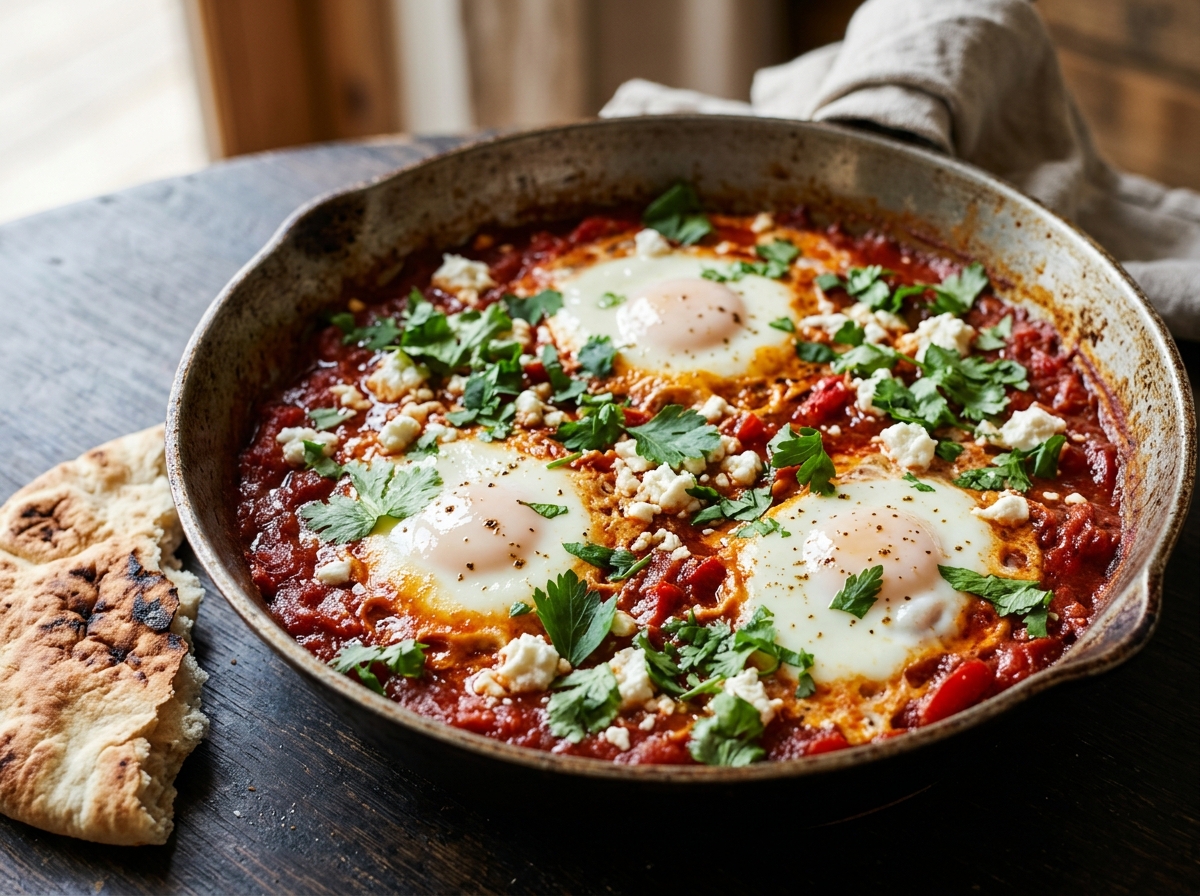
This authentic shakshuka brings the warm, aromatic flavors of North African cuisine straight to your kitchen with surprisingly simple techniques. The combination of rich tomato sauce, perfectly balanced spices, and tender eggs creates a satisfying meal that works beautifully for breakfast, lunch, or dinner. Whether you’re seeking an easy one pan shakshuka for busy weeknights or planning ahead for Ramadan gatherings, this recipe delivers consistent results every time.
The secret lies in building layers of flavor through proper spice blooming and achieving the perfect sauce consistency before adding the eggs. Fresh herbs and quality tomatoes transform this humble dish into something truly special. The gentle bubbling of eggs nestled in aromatic sauce creates an irresistible combination that brings families together around the table.
What is Shakshuka?
Shakshuka represents one of the most beloved comfort foods across North Africa and the Middle East, featuring eggs gently poached in a robust tomato and pepper sauce. The dish’s name comes from the Arabic word meaning “to shake up” or “to mix,” referring to the traditional method of scrambling the eggs within the sauce. Today’s version typically presents whole eggs nestled beautifully in the simmering mixture, creating an Instagram-worthy presentation that tastes even better than it looks.
Origins and Cultural Significance
This versatile dish traces its roots to Tunisia, where it originated as a practical way to transform simple pantry staples into a nourishing meal. The recipe traveled throughout North Africa and eventually became a cornerstone of Israeli cuisine, where it gained international recognition. Each region developed its own authentic shakshuka variations, incorporating local spices and ingredients that reflect cultural preferences and available produce.
The communal aspect of eating directly from the pan strengthens family bonds and creates memorable dining experiences. Traditional preparation involves gathering around a single cast iron skillet, with fresh bread serving as both utensil and accompaniment. This sharing ritual transforms a simple meal into a celebration of togetherness and hospitality.
Common Ingredients Overview
The foundation of any excellent shakshuka relies on high-quality tomatoes, whether fresh or canned, combined with aromatic vegetables like onions and peppers. Essential spices include cumin, paprika, and cayenne pepper, which create the signature warm and slightly spicy flavor profile. Fresh herbs such as parsley and cilantro add brightness and color contrast to the rich red sauce.
Eggs form the protein centerpiece, with their creamy yolks mixing into the sauce to create a luxurious texture. Many cooks add crumbled feta or goat cheese for extra richness and tangy complexity. The beauty of this dish lies in its adaptability—you can easily create vegetarian shakshuka or adjust ingredients based on dietary preferences and seasonal availability.
Ingredients for the Perfect Shakshuka
Selecting premium ingredients elevates this simple dish from good to extraordinary, with each component contributing essential flavors and textures. Quality tomatoes provide the base, while carefully chosen spices create depth and warmth. Understanding how each ingredient functions helps you make smart substitutions and customizations that maintain the dish’s authentic character.
Fresh vs Canned Tomatoes
Fresh tomatoes deliver superior flavor during peak summer months, particularly when using varieties like San Marzano or Roma that offer concentrated sweetness and lower water content. However, high-quality canned tomatoes often provide more consistent results year-round, as they’re picked and processed at optimal ripeness. For best results, choose whole canned tomatoes and crush them by hand to control texture and avoid over-processing.
When using fresh tomatoes, remove the skins by blanching in boiling water for 30 seconds, then transferring to ice water. This extra step prevents bitter flavors from developing during the long cooking process. Seed removal also prevents excess liquid that can make your sauce watery and dilute the concentrated flavors you’re building.
Spice Blend Components
The best spices for shakshuka include cumin (1 teaspoon), sweet paprika (2 teaspoons), and cayenne pepper (1/4 teaspoon) for a balanced flavor foundation. These measurements provide a starting point, but adjusting ratios allows you to customize heat levels and aromatic intensity. Smoked paprika adds depth without increasing spiciness, making it perfect for families with varying heat tolerance.
Blooming spices in oil before adding liquids releases essential oils and prevents raw, harsh flavors in the finished dish. Toast whole cumin seeds for 30 seconds before grinding for maximum flavor impact. Ground spices should smell fragrant and potent—replace any that seem dull or lack aroma for optimal results.
Optional Variations (Vegetarian, Without Bell Peppers)
Creating vegetarian shakshuka simply involves ensuring all ingredients meet plant-based requirements, which this recipe naturally does. For those avoiding bell peppers due to allergies or preferences, substitute with diced eggplant, zucchini, or extra onions for similar texture and bulk. These alternatives provide comparable cooking times and absorb flavors beautifully while maintaining the dish’s satisfying heartiness.
Shakshuka without bell peppers can incorporate roasted red peppers from a jar for similar sweetness without the crisp texture some find objectionable. Mushrooms offer an umami-rich alternative that adds earthy depth to complement the tomato base. Each variation maintains the essential character while accommodating different tastes and dietary needs.
Step-by-Step Shakshuka Recipe Guide
Mastering the easy shakshuka recipe requires understanding timing, temperature control, and proper layering of flavors. The key lies in building a robust sauce foundation before introducing the delicate eggs. Each step builds upon the previous one, creating complexity through simple techniques that anyone can execute successfully.
Preparing the Sauce Base
Start by heating olive oil in your chosen pan over medium heat, allowing it to shimmer but not smoke. Sauté diced onions until translucent and slightly golden, approximately 5-7 minutes, which develops sweetness and eliminates harsh raw flavors. Add minced garlic and cook for an additional minute, being careful not to let it brown and become bitter.
Incorporate your spice blend at this stage, stirring constantly for 30 seconds to bloom the aromatics and prevent burning. Add tomatoes, breaking them up with your spoon, and season with salt and pepper to taste. Allow the mixture to simmer uncovered for 15-20 minutes, stirring occasionally, until it reduces to a thick, chunky consistency that coats the back of a spoon.
How to Cook Shakshuka Eggs (Timing and Techniques)
Creating wells in the sauce ensures even cooking and prevents eggs from spreading too thinly across the surface. Use the back of a large spoon to make indentations just deep enough to cradle each egg without breaking through to the pan bottom. Crack eggs directly into these wells, working quickly to maintain sauce temperature and achieve uniform doneness across all eggs.
Cover the pan and reduce heat to low-medium, allowing gentle bubbling around the egg whites without violent boiling that could break the yolks. Cooking time varies from 8-12 minutes depending on desired doneness—8 minutes yields runny yolks perfect for dipping bread, while 12 minutes creates firmer, more set results. Check doneness by gently jiggling the pan; whites should be completely opaque while yolks remain slightly jiggly.
Using Different Cookware: Cast Iron vs Regular Pans
A cast iron skillet provides superior heat retention and distribution, creating more even cooking and allowing the dish to stay warm longer after removal from heat. The natural non-stick properties of well-seasoned cast iron prevent sticking while developing beautiful caramelization on sauce components. Preheat cast iron gradually to prevent thermal shock and ensure even heating across the entire surface.
Regular non-stick or stainless steel pans work perfectly well but may require more attention to temperature control and stirring frequency. Stainless steel develops excellent fond that adds flavor depth, while non-stick ensures easy cleanup and egg release. Choose a pan size that comfortably accommodates your egg count without overcrowding—typically 10-12 inches for 4-6 eggs.
Troubleshooting and Tips
Even experienced cooks encounter challenges when perfecting their shakshuka technique, but understanding common issues and solutions ensures consistent success. Most problems stem from temperature control, timing, or ingredient preparation rather than fundamental recipe flaws. Learning to recognize and correct these issues transforms occasional cooking into reliable expertise.
Managing Sauce Consistency and Thickness
Sauce thickness management requires balancing evaporation with moisture retention to achieve the perfect coating consistency. If your sauce becomes too thick during the reduction phase, add small amounts of water or vegetable broth to loosen it without diluting flavors. Conversely, watery sauce benefits from continued uncovered simmering or adding tomato paste to increase body and concentration.
The ideal consistency resembles thick marinara that clings to vegetables without being pasty or dry. Test by dragging a spoon through the mixture—it should hold its shape briefly before flowing back together. Remember that sauce will continue thickening slightly after adding eggs due to continued cooking and protein coagulation from the egg whites.
Adjusting Spice Levels for Every Palate
Customizing heat levels ensures everyone enjoys the meal without compromising authentic flavors or overwhelming sensitive palates. Start with conservative spice amounts and taste frequently during sauce development, adding small increments until reaching desired intensity. Remember that spices continue developing flavor throughout cooking, so initial mild seasoning often intensifies significantly.
For heat-sensitive diners, substitute sweet paprika for hot varieties and omit cayenne entirely while maintaining cumin and other aromatic spices. Conversely, spice lovers can incorporate harissa paste, additional cayenne, or fresh chilies for extra kick. Serve hot sauce or red pepper flakes on the side to accommodate varying preferences at the table.
Common Mistakes and How to Avoid Them
Overcooking eggs ranks as the most frequent error, resulting in rubbery whites and hard yolks that lack the creamy richness that makes shakshuka special. Monitor cooking closely after covering the pan, checking every 2-3 minutes to assess progress. Remove from heat while yolks remain slightly underdone, as residual heat continues cooking even off the burner.
Insufficient sauce reduction creates watery, bland results that fail to support the eggs properly or provide adequate flavor concentration. Allow proper simmering time even if it seems excessive—the difference between good and exceptional shakshuka often comes down to patience during this crucial stage. Rushing the process invariably produces disappointing outcomes.
Perfect Shakshuka
Equipment
- Cast Iron Skillet or Heavy-Bottomed Pan
- Wooden Spoon
- Sharp knife
- Cutting board
- Small Bowl for Spice Blend
- Measuring spoons
Ingredients
- 1 teaspoon Sweet Paprika
- 1/2 teaspoon Ground Cumin
- 1/4 teaspoon Smoked Paprika
- 1/4 teaspoon Cayenne Pepper adjust to taste
- 1/4 teaspoon Ground Coriander
- 1/8 teaspoon Ground Cinnamon
- 2 tablespoons Extra Virgin Olive Oil
- 1 large Yellow Onion diced
- 1 large Red Bell Pepper diced
- 4 cloves Fresh Garlic minced
- 1 can Crushed Tomatoes 28 oz, high-quality brand preferred
- 1/2 cup Tomato Paste
- 1 teaspoon Salt or to taste
- 1/4 teaspoon Black Pepper freshly ground
- 6 large Fresh Eggs room temperature preferred
- 1/2 cup Feta Cheese crumbled, or dairy-free alternative
- 1/4 cup Fresh Parsley chopped
- 4 slices Whole Grain Bread or pita bread for serving
Instructions
- Combine all spice blend ingredients in a small bowl and mix well. Set aside. Heat olive oil in a large cast iron skillet or heavy-bottomed pan over medium heat.
- Add diced onion and red bell pepper to the pan. Cook for 5-6 minutes until vegetables are softened and onion is translucent. Add minced garlic and prepared spice blend, cooking for another 30 seconds until fragrant.
- Stir in tomato paste and cook for 1 minute. Add crushed tomatoes, salt, and pepper. Simmer for 10-12 minutes, stirring occasionally, until sauce thickens to a consistency that coats the back of a spoon. The sauce should not be watery.
- Using a spoon, create 6 wells in the sauce. Crack each egg into a small bowl first, then gently pour into each well. Cover the pan and cook for 8-12 minutes depending on desired doneness: 8 minutes for runny yolks, 10-12 minutes for medium-set yolks. Sprinkle crumbled feta and fresh parsley over the top. Serve immediately with warm bread.
Notes
Make double the spice blend and store extras in an airtight container for up to 6 months. Toast whole spices and grind for maximum flavor. TOMATO GUIDANCE:
Fresh tomatoes can substitute canned - use 2 pounds ripe tomatoes, peeled and crushed. San Marzano canned tomatoes provide the best flavor and consistency. PEPPER VARIATIONS:
Try yellow or orange bell peppers for color variety. Add 1 diced jalapeño for heat, or use roasted red peppers for smokiness. DAIRY-FREE OPTIONS:
Substitute feta with cashew cheese, nutritional yeast, or dairy-free feta alternatives. The dish is naturally dairy-free without cheese. EGG DONENESS CUES:
For runny yolks, whites should be just set with slight jiggle. For firmer eggs, cook until whites are completely opaque with no clear areas. MAKE-AHEAD:
Sauce can be prepared up to 3 days ahead and refrigerated. Reheat gently before adding eggs. Sauce also freezes well for up to 3 months. SCALING:
Recipe easily doubles for 6-8 servings using a larger pan. For 2 servings, halve ingredients and use 3-4 eggs in a smaller skillet. STORAGE:
Leftover shakshuka keeps 2-3 days refrigerated. Reheat gently and add fresh herbs before serving.
Nutrition Highlights (Per Serving – Approximate)
Understanding your food’s composition is key to balanced eating. Here is an approximate nutritional breakdown calculated for a standard serving based on wholesome preparation guidelines:
Culinary Selection Notes
- Adjusting sweetener densities or using refined-sugar alternatives will directly optimize the overall glycemic load without breaking structural balance.
- Focusing on high-quality whole fats maximizes trace micronutrient retention across low-temperature or baking environments.
Serving and Storage Suggestions
Proper serving techniques and storage methods ensure your shakshuka maintains optimal flavor and texture whether enjoyed immediately or prepared ahead for busy schedules. Understanding how different accompaniments complement the dish helps create complete, satisfying meals. Smart storage solutions enable meal prep strategies that save time without sacrificing quality or food safety.
Best Accompaniments and Pairings
Warm pita bread or crusty sourdough provides the ideal vehicle for scooping up sauce and runny egg yolks, creating perfect bites that combine all flavors. The bread’s neutral flavor balances the rich, spicy sauce while its texture adds satisfying contrast. For a lighter option, serve with cucumber slices or fresh lettuce leaves that provide cooling crunch against the warm, aromatic dish.
Fresh herbs like parsley, cilantro, or mint sprinkled on top add brightness and color that enhances both visual appeal and flavor complexity. A dollop of plain Greek yogurt or labneh provides cooling richness that tempers spice while adding protein. Consider serving alongside Tunisian brik for an authentic North African feast experience.
Meal Prep and Make-Ahead Tips
Shakshuka meal prep works best by preparing the sauce base in advance and storing it separately from the eggs, which should always be cooked fresh for optimal texture. The sauce can be refrigerated for up to 4 days or frozen for 3 months without significant quality loss. When reheating, bring the sauce to a gentle simmer before creating wells and adding fresh eggs.
Portion individual servings of sauce in meal prep containers for quick weekday breakfasts or lunches. Simply reheat in a skillet, add eggs, and cook to desired doneness for a nutritious meal in under 10 minutes. This approach maintains the fresh-cooked taste while providing the convenience of prepared components. Consider pairing with chia pudding for a complete breakfast spread.
Storage Guidelines for Freshness
Leftover complete shakshuka should be refrigerated within 2 hours of cooking and consumed within 2-3 days for optimal food safety. Store in airtight containers to prevent odor absorption and maintain moisture levels. When reheating, use low heat and add a splash of water if the sauce has thickened too much during storage.
Avoid freezing cooked eggs as they become rubbery and unappetizing upon thawing. Instead, freeze only the sauce base and add fresh eggs when ready to serve. Label containers with preparation dates and contents to maintain proper rotation and prevent waste while ensuring family meals remain safe and delicious.
Why Shakshuka is a Perfect Ramadan Recipe
This nourishing dish provides sustained energy and essential nutrients needed during fasting periods, making it an ideal choice for both suhoor and iftar meals. The combination of protein-rich eggs and fiber-filled vegetables helps maintain stable blood sugar levels throughout long fasting days. Its adaptability allows families to customize flavors and ingredients based on personal preferences and dietary requirements.
Nutritional Benefits
Eggs provide complete protein containing all essential amino acids needed for muscle maintenance and energy production during fasting periods. The tomato base delivers lycopene, vitamin C, and potassium while adding natural sweetness without refined sugars. Olive oil contributes healthy monounsaturated fats that support nutrient absorption and provide lasting satiety.
The vegetable content increases fiber intake, promoting digestive health and helping regulate blood sugar spikes that can occur after breaking fasts. Spices like cumin aid digestion while providing antioxidant properties that support overall wellness. This nutrient density makes every bite contribute meaningfully to daily nutritional goals during this spiritually significant time.
Family-Friendly and Budget-Friendly Aspects
The communal serving style encourages family bonding and shared experiences that strengthen relationships during Ramadan’s emphasis on togetherness and gratitude. Children typically enjoy the mild, comforting flavors while adults appreciate the sophisticated spice combinations. The single-pan preparation minimizes cleanup duties, allowing more time for prayer, reflection, and family connection.
Basic ingredients like eggs, tomatoes, and common spices keep costs reasonable while feeding multiple people generously. The recipe scales easily to accommodate extended family gatherings or community iftar events. Its impressive presentation belies the simple preparation, making hosts feel confident serving guests without extensive kitchen labor or expensive specialty ingredients.
Versatility for Any Meal Time
Shakshuka works beautifully for suhoor, providing sustained energy that helps maintain strength throughout daylong fasting periods. The protein and healthy fats digest slowly, preventing rapid hunger pangs that can make fasting more challenging. For iftar, it offers comforting warmth and satisfying richness that feels both nourishing and celebratory after a day of abstinence.
The dish’s flexibility allows easy scaling for different occasions, from intimate family meals to larger community gatherings. Consider serving alongside Moroccan harira soup for a traditional North African iftar spread. Its make-ahead components enable busy families to maintain nutritious eating habits even during the demanding schedule of Ramadan observance.